

Apr 30, 2013

IFPRI Tackling Open Data Challenge

Interview with Luz Marina Alvarė and Soonho Kim

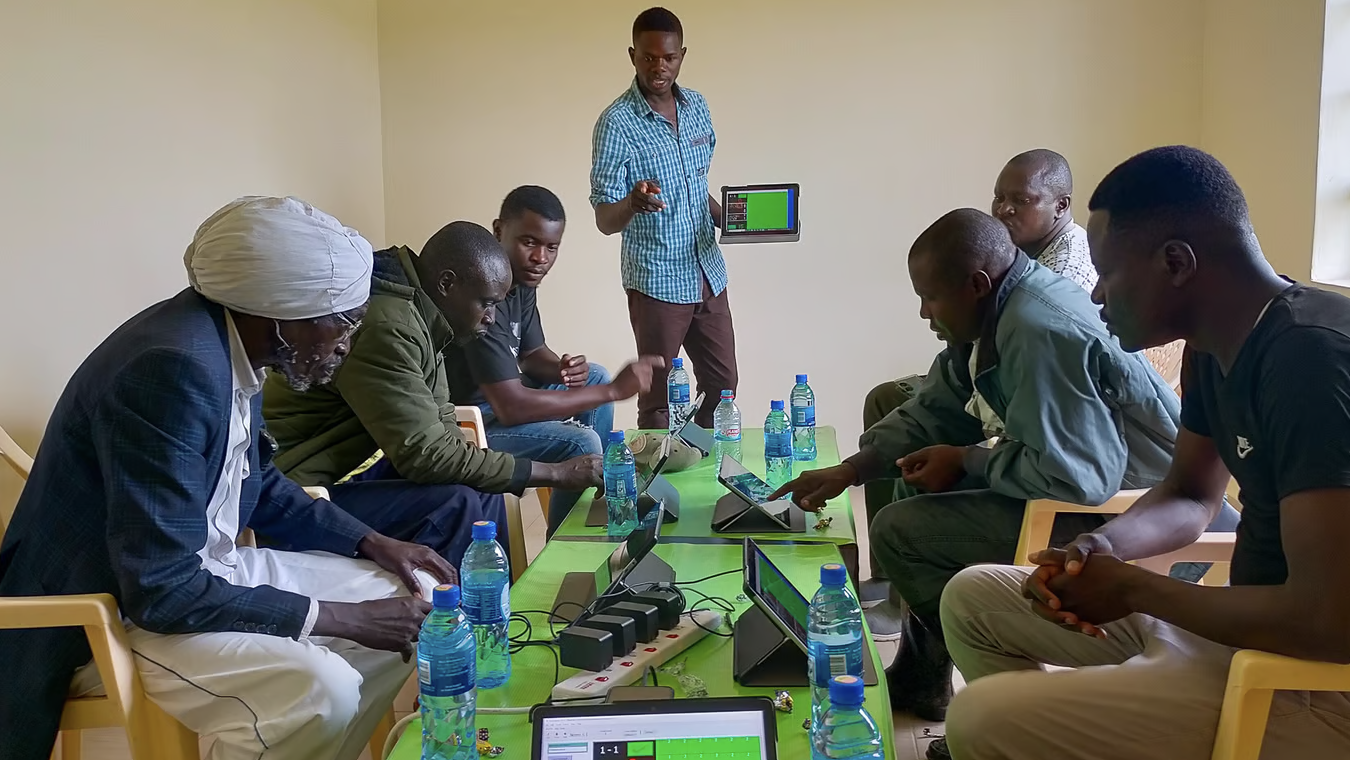
Luz Marina Alvarė, IFPRI’s Head of Knowledge Management, and Soonho Kim, Web Portal Specialist, are actively participating in the G-8 International Conference on Open Data for Agriculture, which currently is taking place in Washington, DC. Tomorrow, IFPRI will host a D-8 Open Data for Agriculture G-8 Side Event geared toward sharing its own experience working with Open Data.

Fickle food prices in Africa: Fact or fiction?

Just as the sun rises and sets, food price volatility—the variation in food prices over time—is a given these days. Once unexpected price instabilities have now become routine in the era following the food crisis of 2007-2008. For poor households, which spend more than 60 percent of their income on food, price shocks are, indeed, shocks to a struggling family’s bottom line. For example, farmers find it difficult to know what type of crop and how much of it to plant, leading to shortages and lost incomes.

VC4D: Value Chain for Development

International symposium discusses pro-poor changes to the way food moves from field to fork

We live in a fast changing world with fast changing trends: urbanization, globalization, industrialization, and more, all of which have a profound impact on the way food moves from field to fork along the agricultural value chain. Understanding the chain, and how to make it work for smallholder farmers, is a central theme in research that seeks to find solutions to poverty and malnutrition.

“How I Learned to Stop Worrying and Love the Index”

Reflections on the Women’s Empowerment in Agriculture Index, One Year Out

*Last year, IFPRI researchers, in partnership with the US Agency for International Development (USAID) and the Oxford Poverty & Human Development Initiative (OPHI), developed the Women’s Empowerment in Agriculture Index (WEAI), a tool designed to monitor women’s empowerment and inclusion in agriculture. The index is being used by USAID in its countries focused on in its Feed the Future hunger and poverty reduction program.

From Bust to Boom: Debating input subsidies in Africa south of the Sahara

Reemerging input subsidy program (ISPs) have sparked a highly contentious debate in Africa. ISPs are government programs that provide items such as seed and fertilizer to farmers at a steep discount. Ten years ago, few countries in Africa had subsidy programs; now, African governments spend an estimated $2 billion annually—an average of 30 percent of their agriculture budgets—on these programs. But are these governments getting the biggest bang for their buck?

Apr 23, 2013

Sharing knowledge on transforming agriculture in Asia

Some of the world’s fastest growing economies are in Asia. Yet the region is still home to two-thirds of the world’s poor and the highest proportion of undernourished children. The sustainability of the region’s growth and development is persistently challenged by problems of food insecurity, and increasingly, by climate change and global financial turmoil.

Apr 23, 2013

Feeding 9 Billion: What research do we prioritize to find solutions?

By 2050, global agricultural production will need to increase by at least 60 percent from 2006, according to the United Nations Food and Agriculture Organization (FAO). Both CGIAR and FAO are in the midst of priority setting efforts to identify how they can help accomplish this, in a global situation rife with challenges: high population growth at least until mid-century, substantially growing incomes of the poorest people (changing the pattern of food demand), and unprecedented stresses on agricultural productivity due to climate change.

Unlocking the value chain: First DuPont Roundtable on Agriculture and Development hosted at IFPRI

You can buy a bottle of Coca-Cola just about anywhere in the world, at an affordable price. If it can happen with Coke, why not with nutritious food? This thought, expressed by Islamic Development Bank Agriculture and Rural Development Director Demba Ba, was one of many posed by experts at a recent DuPont roundtable hosted at IFPRI about the myriad ways private-sector ingenuity can be used to reduce hunger and malnutrition around the world.

Apr 19, 2013

Resilient to Drought, Resilient to Conflict

Could building Somalia’s resilience to weather shocks help bring an end to its civil war?

That’s precisely what researchers Jean-Francois Maystadt, Olivier Ecker, and Athur Mabiso discuss in their paper “Extreme Weather and Civil War in Somalia: Does Drought Fuel Conflict through Livestock Price Shocks?”.

Apr 17, 2013
by IFPRI

New Food Security Data Unveiled at Bangladesh Workshop

Despite its transformation from a country of chronic food shortages to one of food self-sufficiency, Bangladesh still faces food-security challenges. This is the conclusion of a massive IFPRI-designed survey on agriculture, consumption, and nutrition in the country.