



IFPRI's Research on Agricultural Cooperatives
2012 World Food Day theme highlights benefits of farmer groups
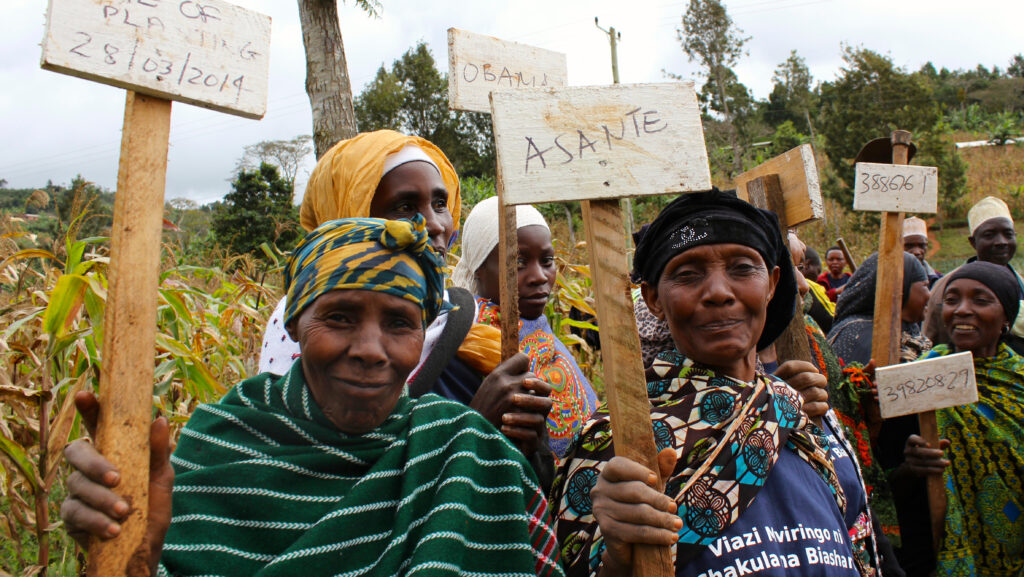
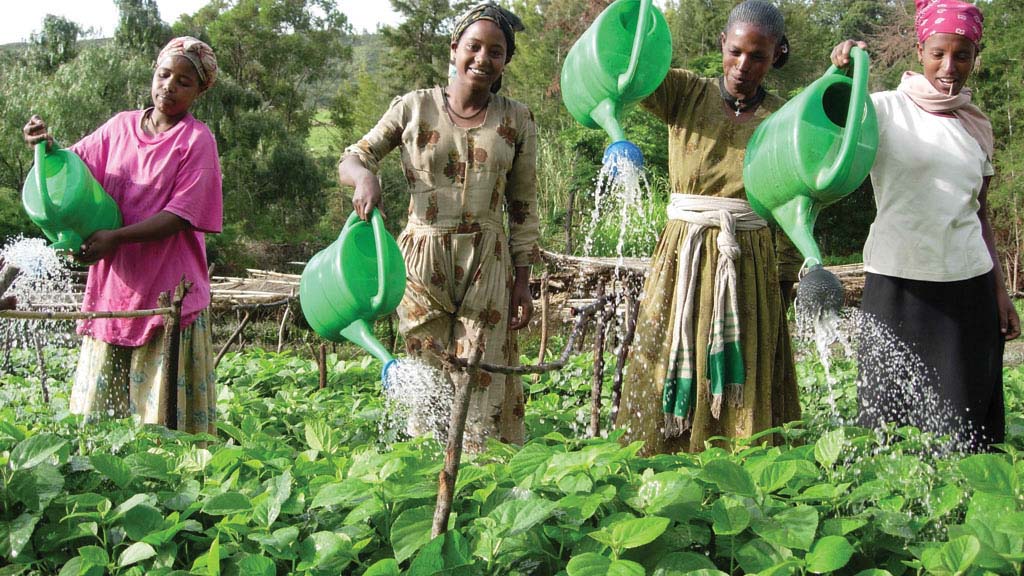
Farmers, especially smallholders, are better off working collectively. That’s the idea behind agricultural cooperatives, a concept that has been around almost as long as farming itself.
Today, especially in the developing world, these collectives can be so beneficial—on an economic, social, and even political level—that they can help to lift the poor out of poverty. When farmers band together, for example, they can bargain with buyers for better prices or buy and share expensive agricultural equipment.
Voices of the Hungry
2012 Global Hunger Index report includes interviews with farmers coping with stresses
Tajik farmer Tomnissoi Davlat is worried about energy.
“This year, I only harvested 500 kilograms of wheat per hectare. I’ve sowed my seeds too late because the fuel prices rose sharply at the beginning of spring. (…) Until I had enough money, food, and the plowing services, it was too late.”
Indian farmer Fulmani Mandi is worried about land.
“I am very worried about my children’s future. Now we have 2.5 acres of land. I have three sons. When they divide, each one of them will get only .08 acre of it, which is of no use. I don’t know how they will survive.”
International Day of the Girl
IFPRI research focuses on early interventions for vulnerable girls
October 11, 2012 is the United Nation’s International Day of the Girl, dedicated to girls around the world because they suffer most from poverty, poor health, discrimination, and violence.
Scarce Resources Lead to Persistent Hunger
2012 Global Hunger Index focuses on connection between hunger and unsustainable land-water-energy use
Hunger is in the headlines. A drought that swept the African Sahel left 18 million people on the brink of starvation. A food price crisis prevented families across the globe from buying enough to eat. Civil unrest and natural disasters around the world left millions of displaced people scrambling for food.
Strategies and Priorities for African Agriculture
IFPRI researcher presents key findings of new book
What is agriculture’s potential to reduce poverty and promote economic development in Africa? IFPRI convened a panel of experts on October 9 to discuss key findings from a new book, “Strategies and Priorities for African Agriculture,” that tackles this question.
IFPRI and Central American Integration System (SG-SICA) Sign Cooperation Agreement
Marking increased engagement in Central America, the International Food Policy Research Institute signed a Cooperation Framework Agreement with the Central American Integration System (SG-SICA) on September 21, 2012, at IFPRI headquarters. IFPRI Director General Shenggen Fan and the SG-SICA Secretary General Juan Daniel Alemán Gurdián made the commitment to strengthen cooperation between the organizations on issues related to food and nutritional security in Central America.
Fellowships on Gender and Agriculture Awarded
Four Winners to Study Women's Empowerment Index
IFPRI and its partners are pleased to announce that Jessica Ham (University of Georgia), Brooke Krause (University of Minnesota), Christopher Manyamba (University of Pretoria), and Greg Seymour (American University) have been awarded a Ph.D. dissertation research fellowships on the Women’s Empowerment in Agriculture Index (WEAI).
Program on Agriculture for Nutrition and Health Launches Website
The CGIAR Research Program on Agriculture for Nutrition and Health (A4NH), which is one of two such programs led by IFPRI, launched its website this week. The site features information on A4NH projects, including the related impact pathways, partnerships, and outcomes. It also provides summaries of past events and a calendar of upcoming events.
AGRODEP Continues to Build Capacity of African Researchers
Fourth Round of Membership Extension Announced
Since its inception in 2010, AGRODEP (African Growth and Development Policy Modeling Consortium) has aimed to strengthen the capacity and reach of African researchers. The Consortium enables African researchers to become part of a large network of researchers and experts from Africa and beyond and provides opportunities to engage in ongoing debates on policy issues facing African countries through various research projects and events promoted by AGRODEP.
Lean No More: Ethiopian Farmers Benefit from Anti-Hunger Program
IFPRI Study Highlights Success of Government Safety Net Initiative
For several months each year, poor farmers in Ethiopia, especially those in drought-prone areas, go hungry. During the so-called “lean” period between planting and harvesting, food supplies can run dangerously low. Sometimes, families have to sell livestock, farming tools, and other precious assets to pay for food.
In the past, the government and donors swept in with aid when extreme shortages hit and starvation became a risk. But this emergency relief was only a temporary solution to a persistent food security crisis.