


• Jun 13, 2012
    by IFPRI

    Land and Rio+20

    Protecting an Irreplaceable Resource

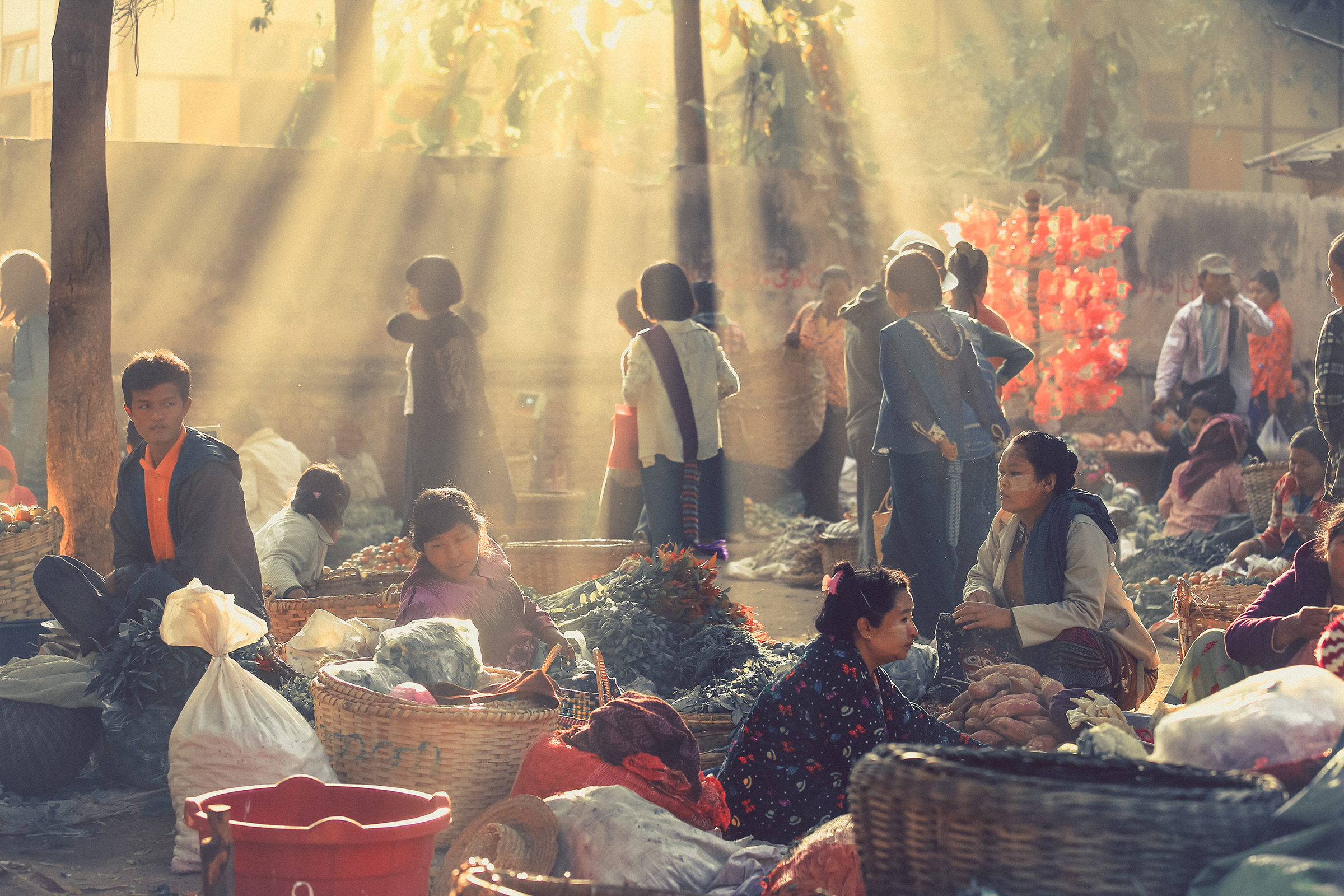
    The planet’s most precious—and endangered—resources are under our feet. According to a new UN Convention to Combat Desertification (UNCCD) report, soils are often overlooked in sustainable development discussions though they are essential to current and future water, energy, and food security.

  • Tracking the 2012 G20

    Food Security Portal Homepage Feature Looks at Progress Made and Steps Forward

    Food insecurity poses a daunting challenge to the G20’s goals of global economic growth and development. The impacts of high and volatile food prices in 2007-2008 and 2010-2011 remain widely visible, as seen during the 2011 Horn of Africa food crisis. Since 2001, commodity price volatility has been at its highest level in 50 years. This volatility can serve to reduce investments in agriculture, discourage long-term planning, reduce agricultural productivity, and decrease global food stocks.

  • Jun 12, 2012
    by IFPRI

    Improving Agricultural Growth Critical to Global Food Security

    A New International Organization Report to the G20 Highlights Need for Improving Agricultural Productivity

    With a growing global population and rising incomes, global collaboration is urgently needed to ensure sustainable agricultural growth and food security. The issue of food security and development was first taken up at the 2010 G20 Summit in Seoul, with the 2011 G20 Action Plan providing further commitment to the goals of sustainable agricultural development. (For further information on the action items resulting from the 2011 G20 Summit, visit the Food Security Portal.)

  • Jun 11, 2012
    by IFPRI

    Challenging the Environmental Migration Myth

    Some experts believed that by 2010, up to 50 million “environmental refugees” would flee their lands due to the dramatically negative effects of climate change. Such claims, however, are not based on the actual responses of households and communities to climate change but on broad estimates of the number of people “at risk” from the changing climate.

  • A Green Economy and the Poor

    Ensuring Food and Nutrition Security

    One of the pillars of discussion at the United Nations Conference on Sustainable Development (Rio+20) will be the green economy—an economy that pursues growth while promoting sustainable development through efficient use of resources, in particular natural resources such as water, arable land, and energy.

  • Jun 5, 2012
    by IFPRI

    Collective Action and Property Rights Sourcebook Now in Spanish

    Available Online for Free

    A Spanish-language version of the popular CGIAR Program on Collective Action and Property Rights (CAPRi) sourcebook is now available.

    The sourcebook, Recursos, derechos y cooperación Manual de herramientas de referencia sobre derechos de propiedad y acción colectiva para el desarrollo sustentable, illustrates—through text and original hand-drawings—the lessons the CAPRi program has learned from its nearly 16 years of extensive field work and research on the role of the poor in the sustainable management of land and other resources in the developing world.

  • Jun 4, 2012
    by IFPRI

    Debt Structure, Entrepreneurship, and Risk: Evidence from Microfinance

    3ie-IFPRI Impact Evaluation Seminar Series Continues

    The second International Initiative for Impact Evaluation (3ie) and IFPRI Impact Evaluation Seminar was webcast live on June 6. Erica Field of Duke University spoke about lessons from microfinance on debt structure, entrepreneurship, and risk. David Roodman of the Center for Global Development served as discussant.

  • May 31, 2012
    by IFPRI

    Why Does Poverty Persist?

    Why the Poor Fall Victim - and How They Can Escape

    Why do some people fall into the trap of chronic poverty and others are able to escape it? IFPRI convened a panel of experts yesterday to shed some light on factors that lead to chronic poverty, and policy actions that may help pull households out of it.

    The panel included Bob Baulch from the Chronic Poverty Research Center, IFPRI’s Agnes Quisumbing, and Catherine Porter from Oxford University, and was moderated by IFPRI’s John Hoddinott.

  • May 31, 2012
    by IFPRI

    IFPRI Event at Rio+20 to Evaluate Farming Technologies

    By 2050, the world’s population will reach nine billion. At the same time, climate change could decrease crop yields by 20 to 30 percent. The urgent need for farmers to sustainably feed more people in a changing climate is one reason why United Nations Conference on Sustainable Development organizers identified food as one of seven areas in need of priority attention at the upcoming Rio+20 conference.

  • Addressing Emerging Issues in Africa

    AGRODEP Issues Call for Grant Proposals

    Foreign direct investment (FDI) in developing countries has grown in importance in recent years, with increasing attention being paid to the potential impacts on agricultural development and food security for the developing world. In May, the FAO Committee on World Food Security endorsed the establishment of global guidelines on land tenure and access to natural resources, addressing the issue of "land-grabbing". However, while such efforts mark growing global attention to FDI, strong data and research on this subject are still lacking.