




IFPRI Blogs
Sign up to have IFPRI Insights Newsletter delivered right to your inbox.
Stay Updated with IFPRI content
What’s New
Special Blog Series


Making a Difference Blog Series
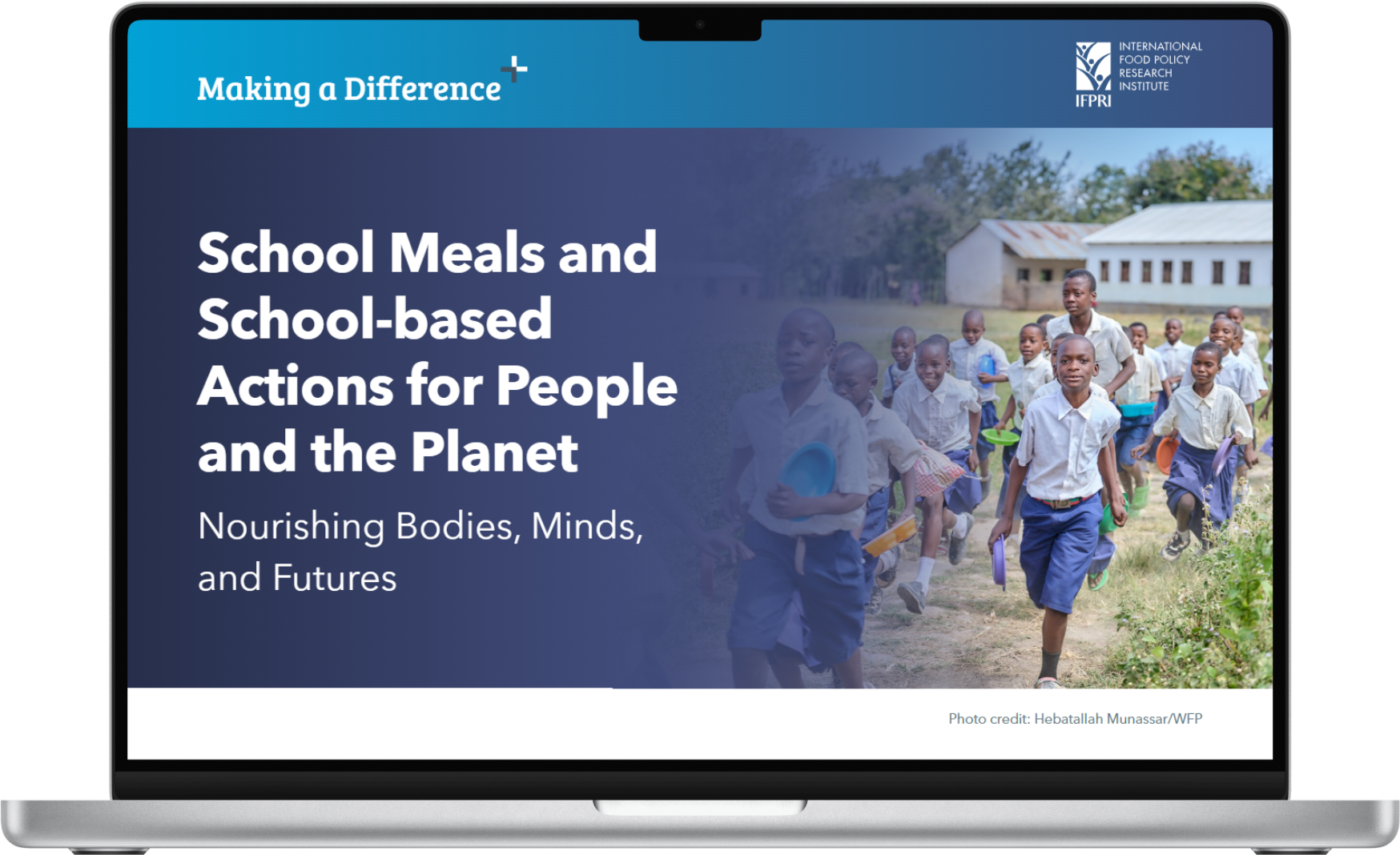
Since 1975, IFPRI has built the evidence base for school meals as a proven strategy to improve nutrition, education, and resilience for children worldwide. Its research has shaped programs across Bangladesh, Ghana, India, Malawi, Yemen, and beyond, showing that school meals can improve diets, boost learning, and reduce poverty.
IFPRI’s evidence helped inform Bangladesh’s Food for Education program, which increased school participation by up to 30%, while research in Ghana found gains in girls’ literacy, math, and reasoning skills.
More recently, IFPRI has advanced “home-grown” school feeding models that link schools to local farmers, strengthen food systems, and promote climate resilience, while its work with the School Meals Coalition is helping shape global priorities on financing, sustainability, and program effectiveness.
Our Reach
IFPRI shares knowledge with a global audience through high-quality research publications, insightful blog content, media commentary, and social media engagement. Our work informs policies, fosters discussions, and contributes to solutions that improve food security, nutrition, and livelihoods worldwide.
501k+
Blog views
480k+
Social Media followers
65k+
Publications
40+
Events in 2024
Explore IFPRI’s Interactive Content
-
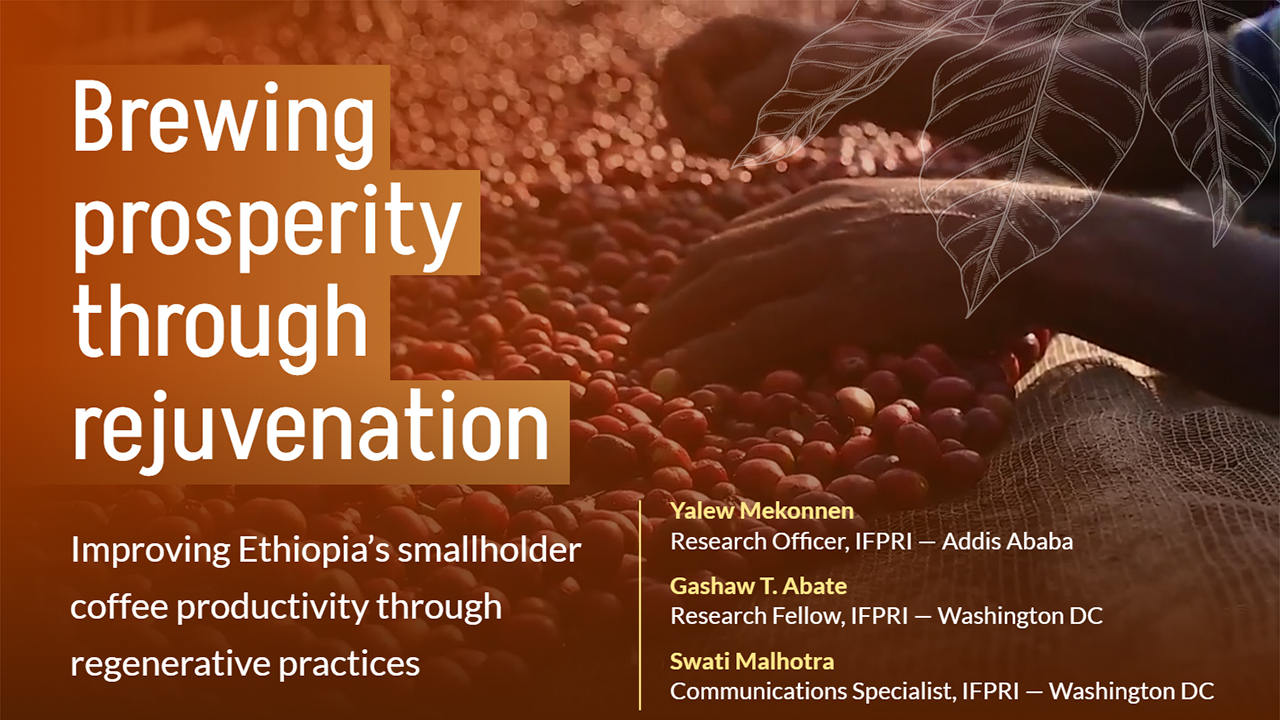
Brewing Prosperity through rejuvenation: Improving Ethiopia’s smallholder coffee productivity through regenerative practices
-
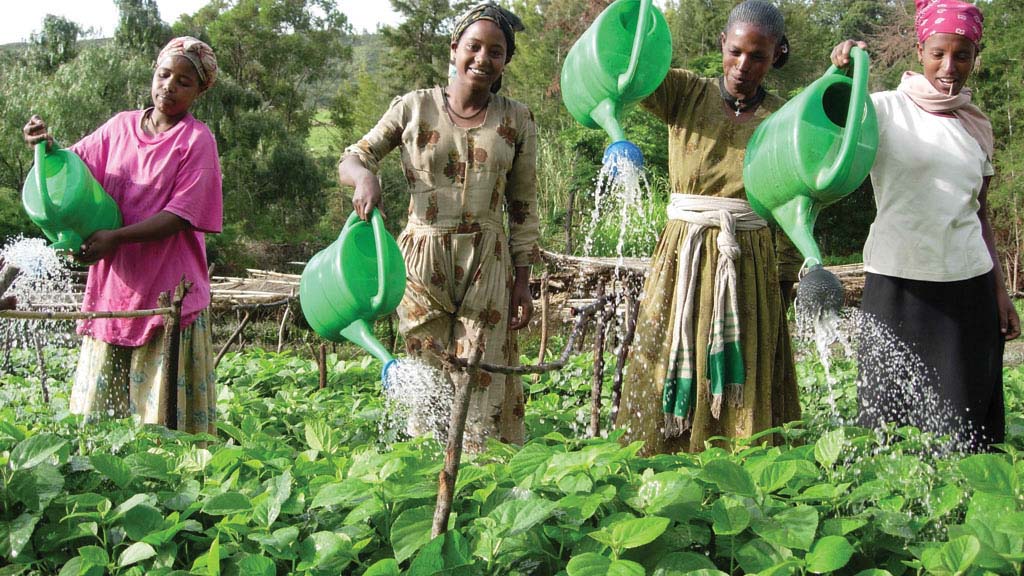
Learning Support for a Sub-Saharan Africa Multi-Country Climate Resilience Programme for Food Security
A new, innovative approach to fostering climate resilience in the region
-
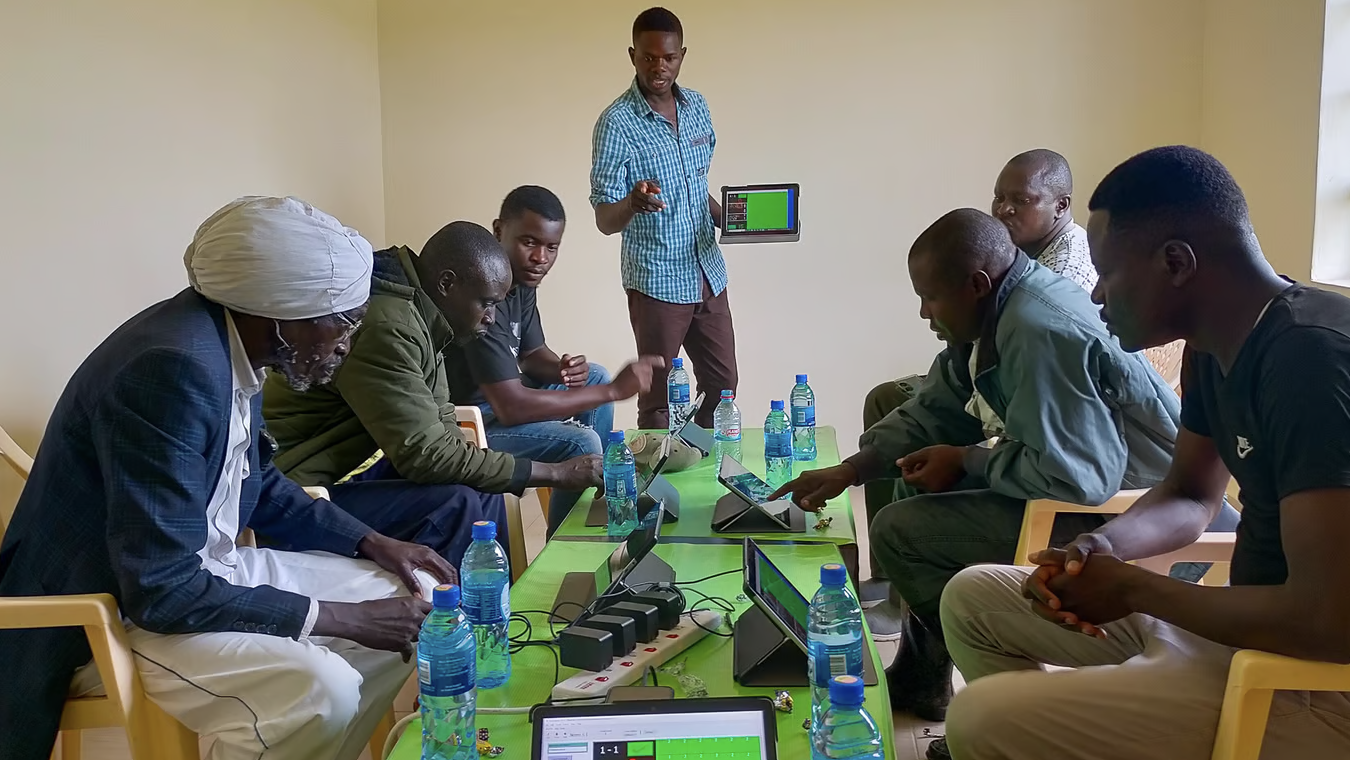
Experiential Learning Using Games in Kenya
In this six-person game, players use electronic tablets that are linked to a host tablet through a local network. Players share access to arable land where they can farm, graze animals, and develop their own resources over several agricultural seasons.