



May 23, 2013

Chicago Council Food Security Symposium 2013

Food system experts gather to chart a course for a hunger-free world

Dena Leibman is Head of Outreach at IFPRI

At turns seeming like an inspiring TED talk, policy seminar, industry trade show, research conference, and youth-centric social media event, the Chicago Council’s Food Security Symposium succeeded in its goal to showcase the power of these actors to work individually and together to end poverty and hunger around the world.

May 23, 2013

Commentary - High food prices and dietary quality: Who pays?

This post by Howarth Bouis, Director of HarvestPlus, which is coordinated by IFPRI and CIAT, is part of a series produced by The Chicago Council on Global Affairs marking the occasion of its annual Global Food Security Symposium in Washington, D.C., which was held on May 21st. For more information on the symposium, click here. Follow @globalagdev and #globalag on Twitter to join the conversation.

Land degradation: bad for humans, bad for biodiversity

A photo log on land degradation for International Biodiversity Day

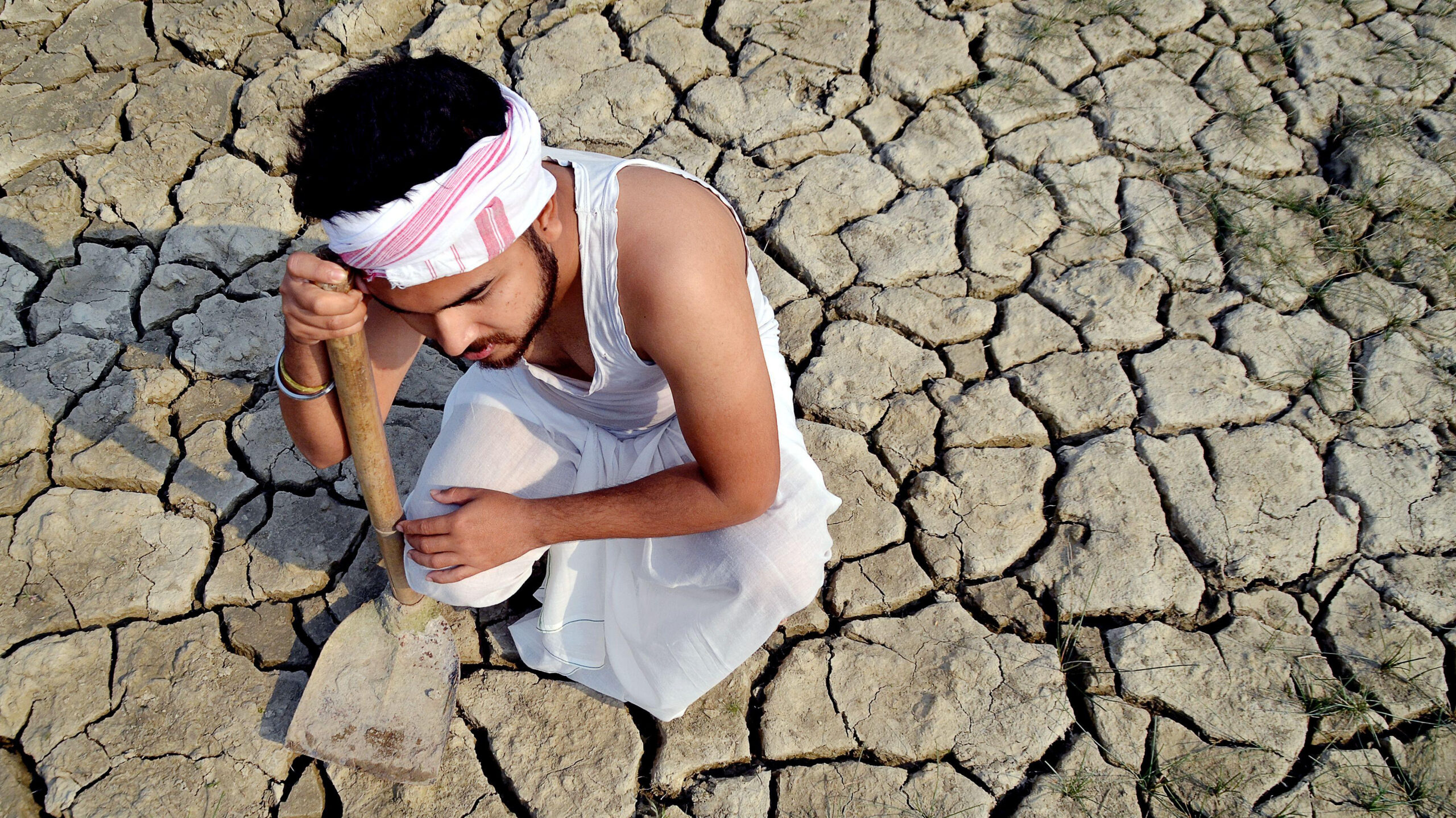
Land degradation—the loss of goods and services derived from our ecosystems, such as soil, vegetation, and other plant and animal life—not only poses a serious threat to long-term food security but puts wildlife diversity in grave danger.

Taking the form of desertification, deforestation, overgrazing, salinization, or soil erosion, land degradation can be caused by biophysical factors, such as the natural topography of an area or its rainfall, wind, and temperature; and unsustainable land management practices, such as deforestation, soil nutrient mining, and cultivation on steep slopes.

Note to WTO: Reform agricultural trade

Reform could raise total income worldwide

May 20, 2013

Commentary: Walk the Talk

This post is part of a series produced by The Chicago Council on Global Affairs, marking the occasion of its annual Global Food Security Symposium in Washington, D.C., which will be held on May 21st. For more information on the symposium, click here. Follow @globalagdev and #globalag on twitter to join the conversation on May 21st.

May 17, 2013
by IFPRI

Do you know someone who has transformed thinking and action on nutrition?

Originally posted on the Transform Nutrition blog.

Transform Nutrition, in support of the efforts of the Scaling Up Nutrition Movement, have launched a new initiative to find the ‘unsung heroes’ of nutrition at national or local levels. Nominations are now welcome. Deadline is 30 June 2013.

Further information and nomination form.

Better Development through Diaspora Engagement?

For many developing countries, remittances—the money sent from expats back home to their families—are a major source of revenue, in some instances comprising upward of 20 percent of GDP. Over the last decade, remittances to the world’s least developed countries (LDCs) eclipsed even foreign direct investment. Remittances are not only stable; they are growing, despite the recent financial crisis that brought the global economy to its knees. Progressively, capital-scarce developing countries are recognizing the importance of harnessing this source of income, knowledge, and investment to spur better economic development.

May 13, 2013

Is open data transforming the development frontier? IFPRI’s “D8” participants think so.

Open data is a public good for the good of the public. Indeed, a growing movement in agricultural development is calling for institutions to open up their data and let it be freely available without restriction, publicly accessible, deliverable and downloadable in desirable and descriptive ways, and easy to mix with other data and tools. Even Bono recently made a call for open data “to turbocharge the fight against poverty.”

Cornell’s Per Pinstrup-Andersen: Don’t Believe the Hype (and Data) Surrounding Food Price Crises

Cites Food Price Volatility as Greater Danger than High Food Prices

Beginning in 2007, the world has suffered three rounds of high food prices. These crises were caused by a variety of factors—from extreme weather events to civil conflict—but poor policies by affected countries exacerbated the problem, according to an expert on the subject who spoke at IFPRI last week.

CAADP’s 10-Year Report Card: An evaluation of a premier program for investment in agriculture

Investment in the African agricultural sector was largely in a state of decline until the early 2000s, followed by what became known as Africa’s “decade of growth.” Between the years 2001-2010, investment in the sector grew more than 3 percent per year, overtaking population growth on the continent for the first time in decades.