



Back

Who we are

With research staff from more than 60 countries, and offices across the globe, IFPRI provides research-based policy solutions to sustainably reduce poverty and end hunger and malnutrition in developing countries.

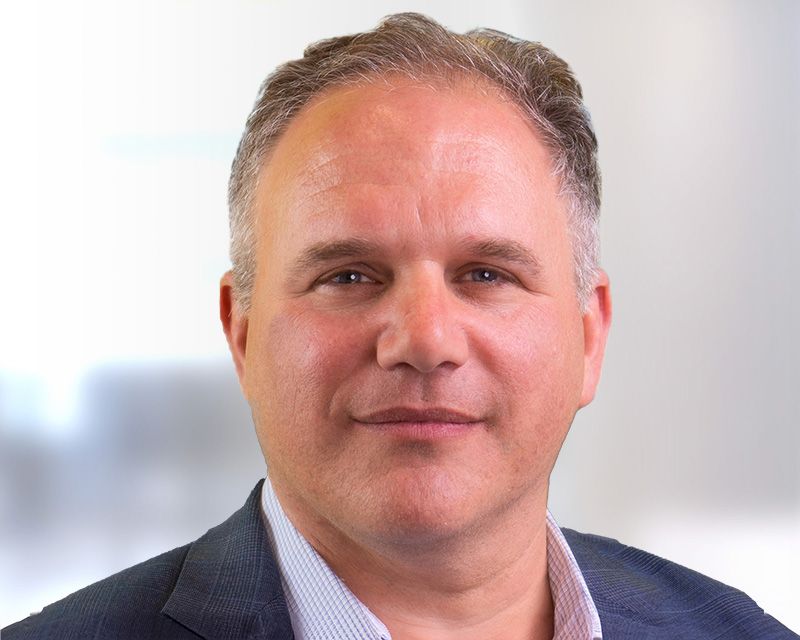
Elodie Becquey

Elodie Becquey is a Senior Research Fellow in the Nutrition, Diets, and Health Unit, based in IFPRI’s West and Central Africa office in Senegal. She has over 15 years of research experience in diet, nutrition, and food security in Africa, including countries such as Burkina Faso, Chad, Ethiopia, Ghana, Kenya, Mali, and Tanzania.

Back

What we do

Since 1975, IFPRI’s research has been informing policies and development programs to improve food security, nutrition, and livelihoods around the world.

Where we work

Back

Where we work

IFPRI currently has more than 600 employees working in over 80 countries with a wide range of local, national, and international partners.

World Soil Day 2016: Soils and Pulses, a Symbiosis for Life and for Halting Soil Degradation

“All living organisms on this planet depend on soil for their survival. Once you realize that fact, you have a sense of gratitude.”—Shahidur Rashid, Research Fellow (IFPRI)

Healthy soil and pulses—legumes such as dry peas, beans, chickpeas, and lentils— are vital contributors to sustainable development. Not only are pulses staple crops for people around the world, they are excellent, cost-effective sources of protein. According to one IFPRI study, “pulse crops can potentially help improve health and nutrition, reduce poverty and hunger, and enhance ecosystem resilience.”

Pulse crops, which have one of the lowest water and carbon footprints of any food group, also provide numerous benefits to soil by improving soil biodiversity, fertility, and structure. Soil is key to the world’s food, water, and natural resources, and thus to all living things. Together, soil and pulses form a symbiotic relationship that underpins a healthy ecosystem.