




Back

Who we are

With research staff from more than 70 countries, and offices across the globe, IFPRI provides research-based policy solutions to sustainably reduce poverty and end hunger and malnutrition in developing countries.

Lilia Bliznashka

Lily Bliznashka is a Research Fellow in the Nutrition, Diets, and Health Unit. Her research focuses on assessing the effectiveness of multi-input nutrition-sensitive and nutrition-specific interventions and the mechanisms through which they work to improve maternal and child health and nutrition globally. She has worked in Burkina Faso, Burundi, Tanzania, and Uganda.

Back

What we do

Since 1975, IFPRI’s research has been informing policies and development programs to improve food security, nutrition, and livelihoods around the world.

Where we work

Back

Where we work

IFPRI currently has more than 480 employees working in over 70 countries with a wide range of local, national, and international partners.

Fall Army Worm Training

Agricultural Extension

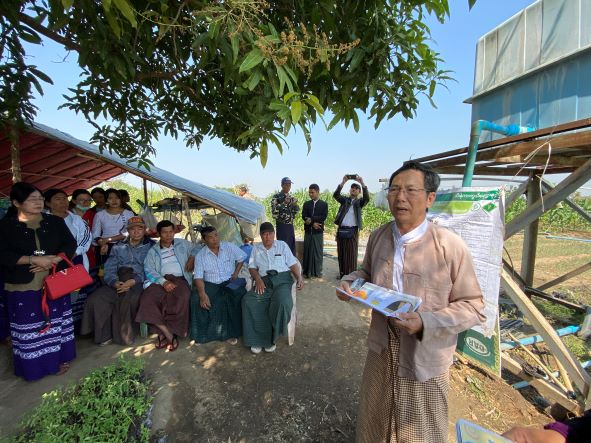
Agricultural extension (agricultural advisory services) is crucial to increasing food security and confronting new challenges: transformation in the global food safety, and natural resource deterioration.

ag_pr

Agricultural Production

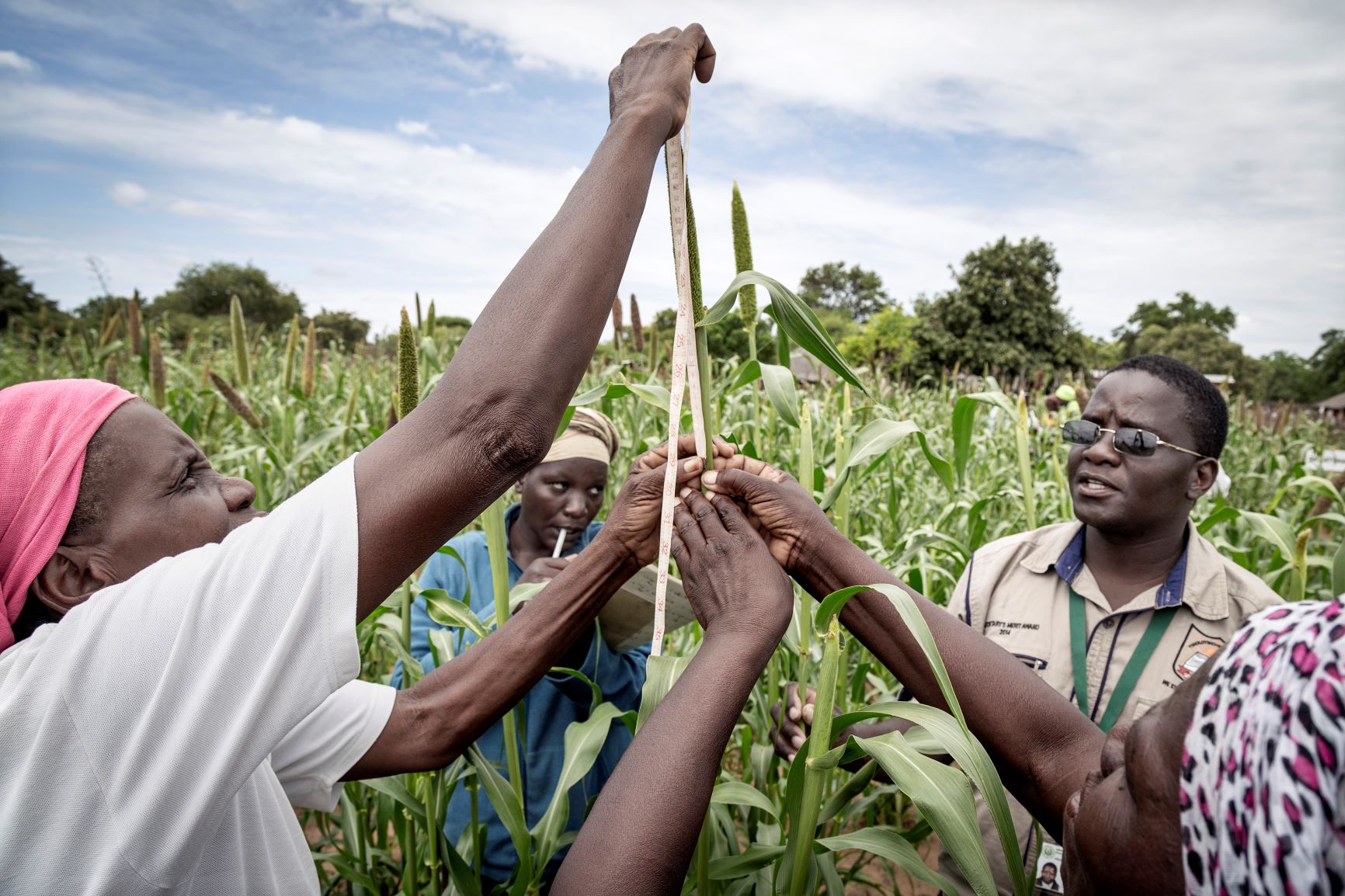
IFPRI’s research on food security and sustainability looks at emerging technologies and policy innovations designed to better meet growing global food needs.

Artificial Intelligence (AI)

For agricultural research and policy, AI brings both opportunities and risks. It can expand the evidence base for decision-making, unlock new ways of analyzing complex systems, and improve how producers, researchers, and policymakers interact with data and models.
biofortification

Biofortification

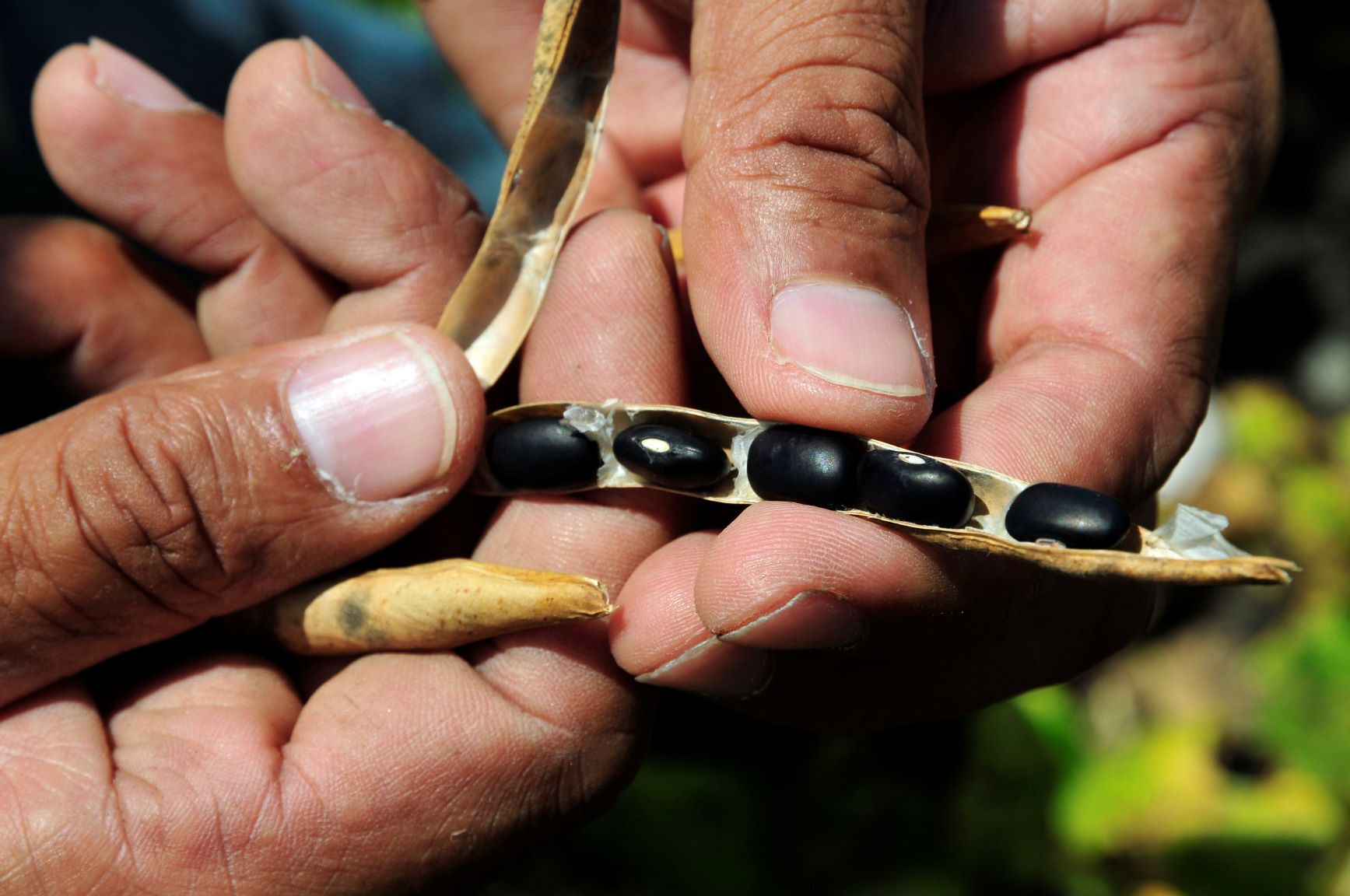
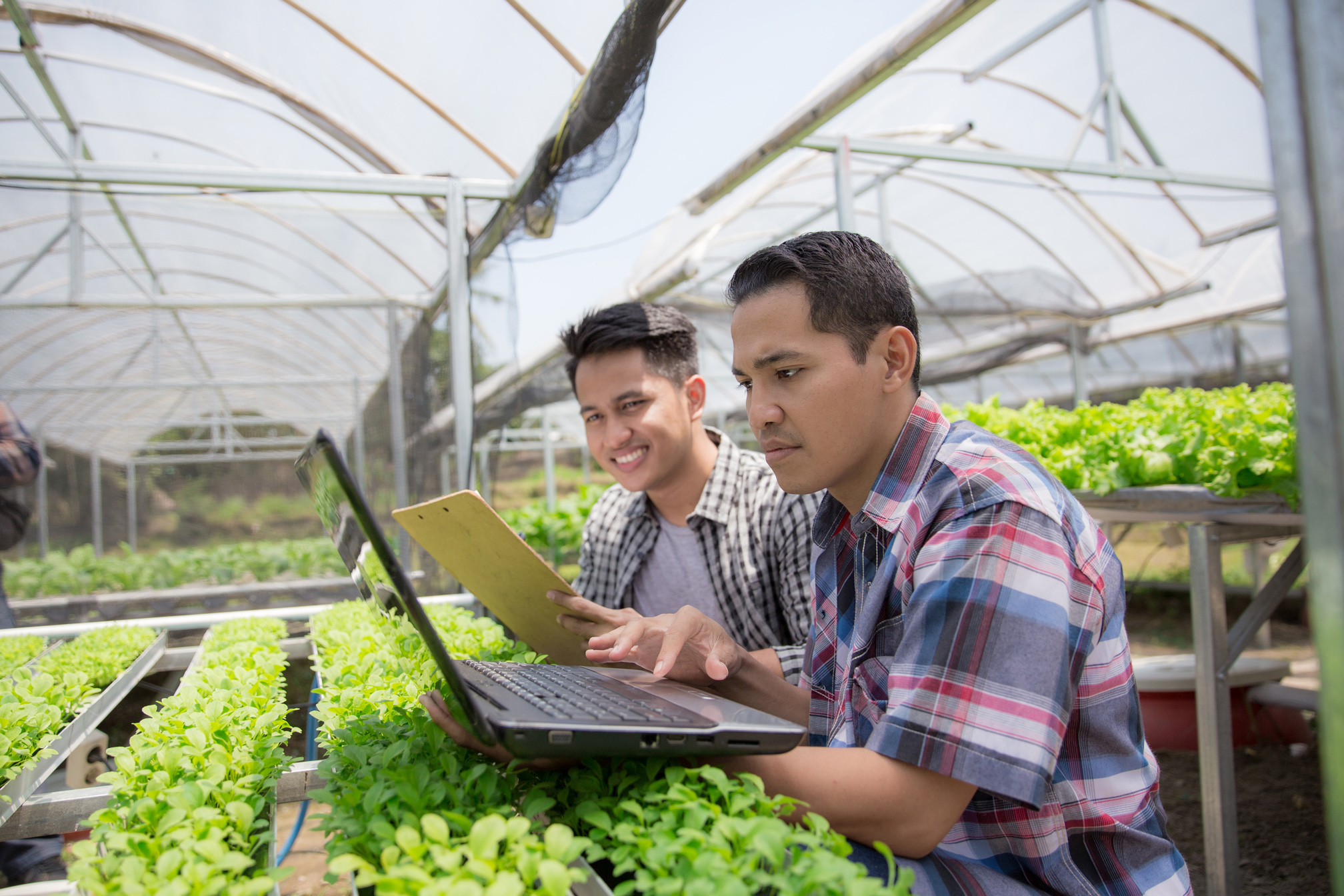
Biofortification produces crops with higher levels of zinc, iron, or other micronutrients to address common micronutrient deficiencies, known as “hidden hunger.”
Agricultural Biotechnology

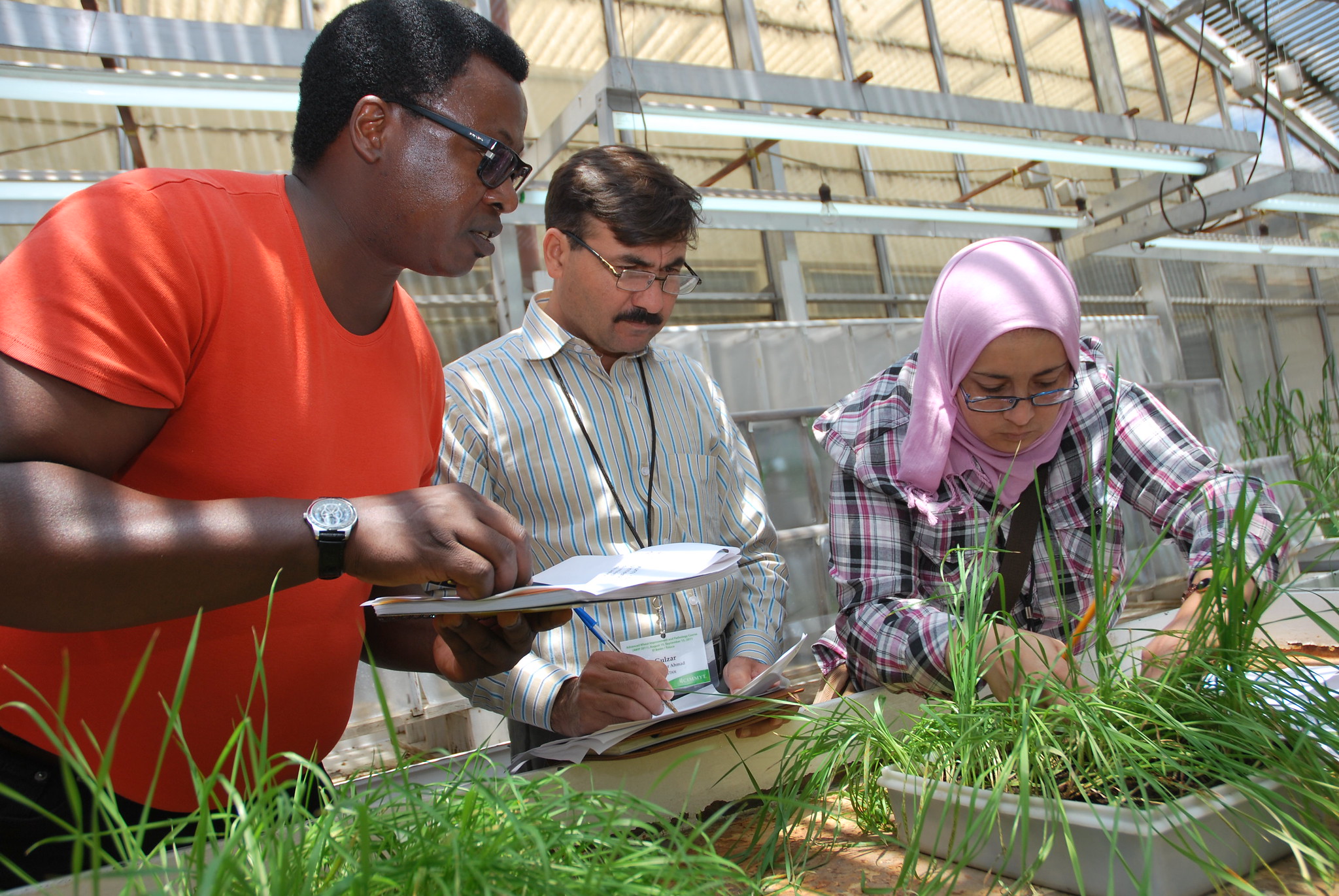
Since the development of the first biotech crop varieties, IFPRI has analyzed their costs, risks, and benefits for farmers and consumers in low- and middle-income countries.

Capacity Strengthening

Capacity Strengthening seeks to improve the capabilities of policy research organizations, individuals, institutions, and policy systems that contribute to the achievement of a world free of hunger and malnutrition.

climate_change

Climate Change

To help farmers adapt to climate change, increase crop yields, and mitigate greenhouse gas emissions, IFPRI develops climate-smart strategies and computer models to show how alternative policies and investments can benefit agriculture.

dJHcWCsJmznSAYK1UWj1CbhqZ1PDa_lrS85PE_4HDrQ

COVID-19

IFPRI is actively working to support evidence-based policymaking in the context of COVID-19 at national, regional, and global levels.

ecosystem_services

Ecosystem Services and Biodiversity

IFPRI engages in ecosystem services research on land use, biodiversity, and sustainable intensification to learn how externalities of production systems can be integrated into decision-making.

environment_gabriel-jimenez-jin4w1hqgl4-unsplash

Environment and Natural Resources

IFPRI’s research on environmental issues, including land management and water policies, supports poverty reduction, food security, and sustainability.

crises_and_migration

Food Crises

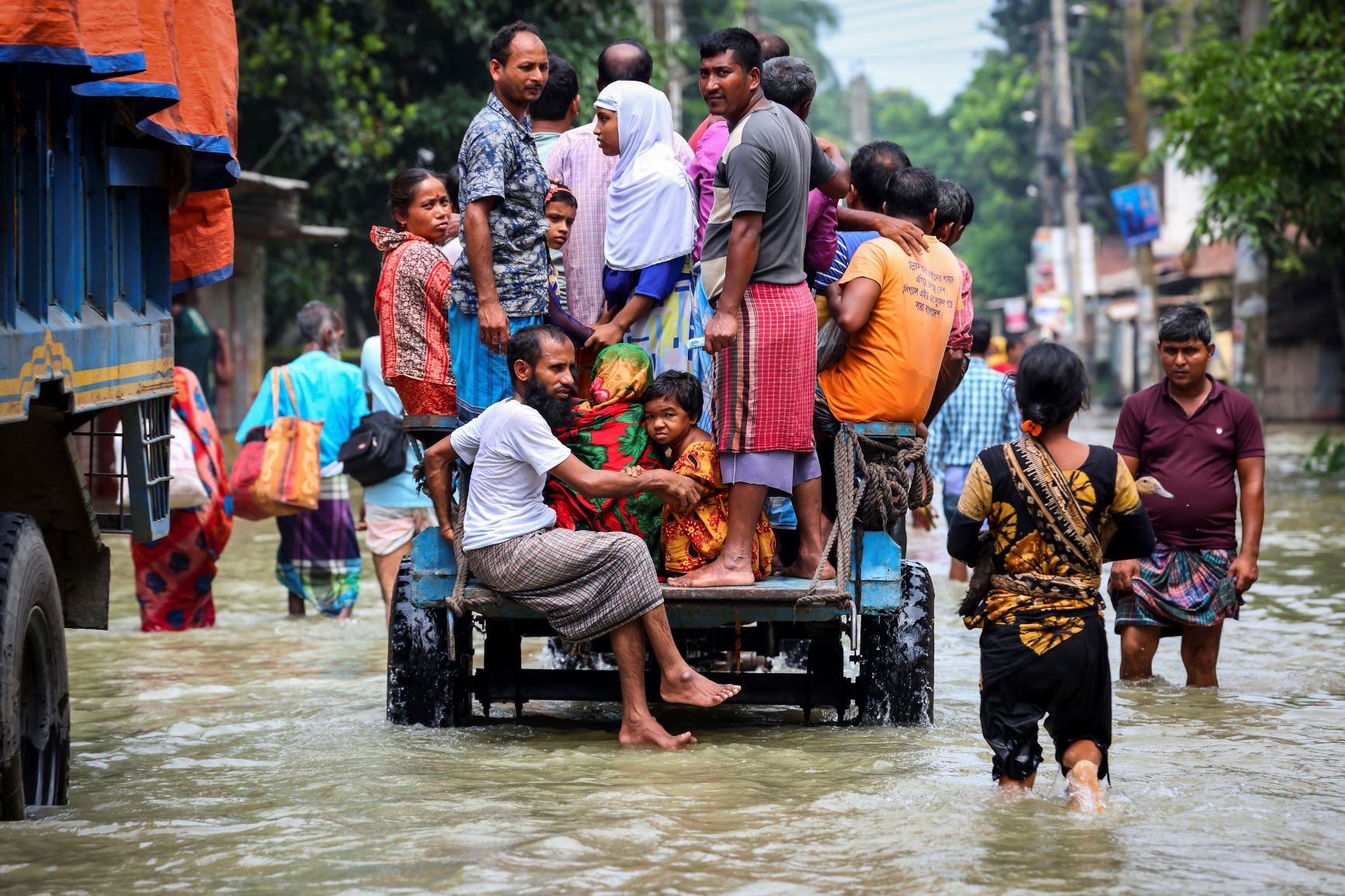
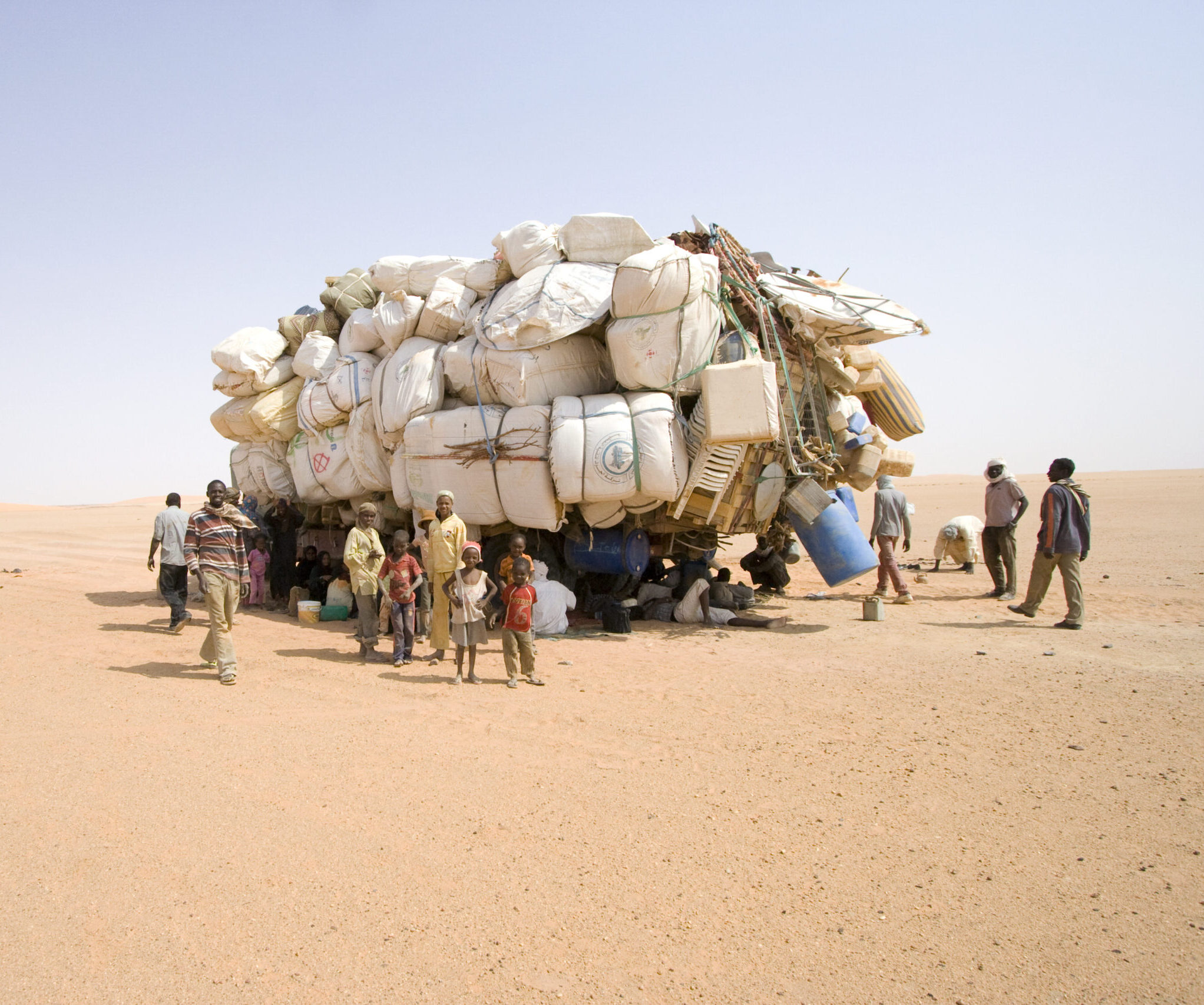
Crises including food insecurity, conflicts, and climate shocks have widespread consequences for food security and stability.

food_loss_waste

Food Loss and Waste

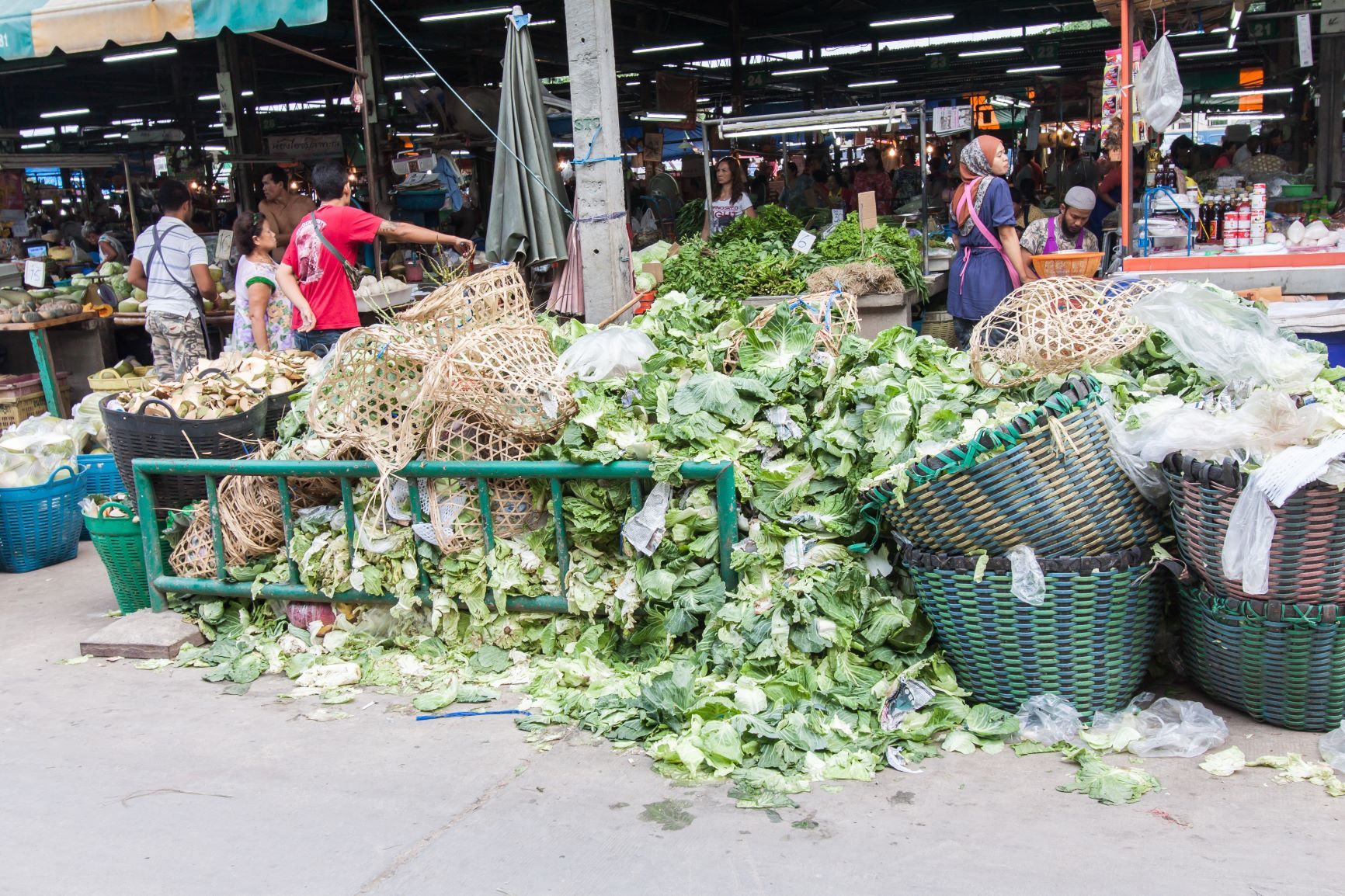
Improved measurement of food loss and waste and where it occurs along the value chain allows for reduced pre- and postharvest losses and for improvements in food security, nutrition, and smallholder incomes.

food_prices

Food Prices

Risk-coping food policy analysis tools from IFPRI provide data, news, and evidence-based research to help countries avoid or mitigate food price spikes.

food_safety

Food Safety

Food safety and food security are intrinsically linked to water safety, human health, and nutrition. Food safety policies address a range of issues including food hygiene, export standards, and market access.

food_security

Food Security

A changing climate, growing global population, and environmental stressors will impact food security, requiring adaptation strategies and policy responses.

food_systems

Food Systems

Food systems comprise the entire food value chain — from inputs and production to transportation, sale, and retailing to consumption and disposal — plus the enabling policy and food environments.

Fragility and Conflict

Fragile and conflict-affected settings face overlapping crises that threaten food security, and IFPRI’s integrated research agenda uses evidence, policy, and partnerships to strengthen resilience and support inclusive, long-term recovery.

gender

Gender

IFPRI collects data, tests models, and generates important findings on how gender relates to food and nutrition security; gendered impacts of agricultural development; household power and resource allocation; land tenure; and economic development.

governance

Governance

IFPRI’s governance research focuses on property rights, collective action, pro-poor public investments and policies, and high-quality public service delivery.

health

Health

To understand the intrinsic links between agriculture, nutrition, and health, IFPRI addresses a range of issues from antimicrobial resistance to social protection.

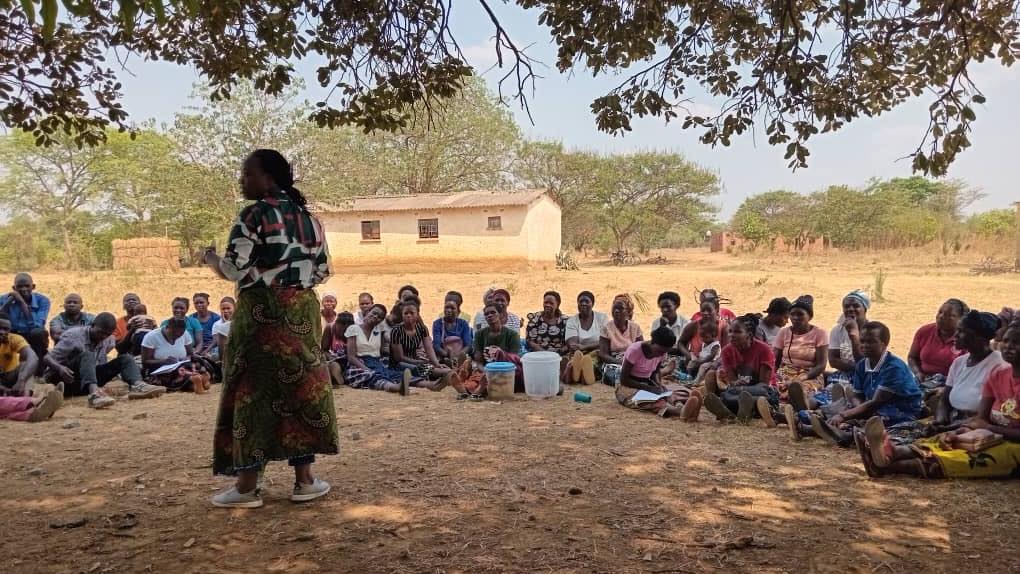
Woman, standing, foreground, talks to group seated on the ground in in semicircle around her

Insurance and Risk

Natural disasters, crop diseases and pests, and other shocks cause enormous losses in agricultural productivity every year. For small farmers in low- and middle-income countries, these shocks can lead to lost income and assets, food insecurity, and poverty.

markets

Markets and Value Chains

Well-functioning food and agricultural value chains are essential for economic growth and food and nutrition security.

ilo-marcel_crozet

Migration and Remittances

Voluntary migration helps improve food security for migrant workers and their communities of origin through money transfers, known as remittances, back home.

Nutrition

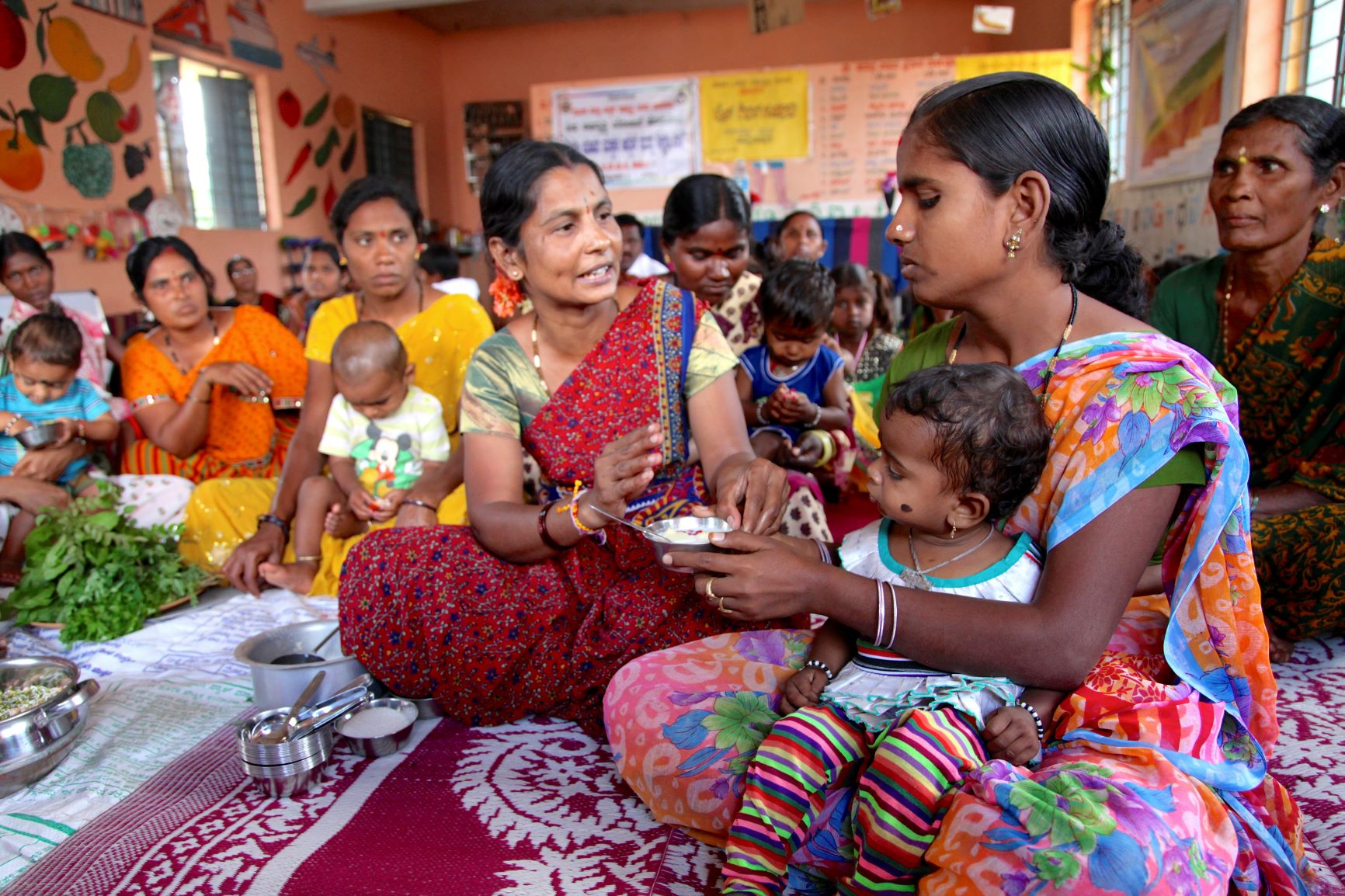
Nutrition is key to human well-being. IFPRI’s nutrition research focuses on reducing all forms of malnutrition through programs and policies to improve diets and health.

poverty

Poverty

To evaluate the approaches that can best help families to move out of poverty, IFPRI’s researchers explore the linkages among poverty, food security, and nutrition.

resilience_use

Resilience

Building resilience to climate change and economic shocks that threaten food and nutrition security requires a range of interventions.

social_protection

Social Protection

To improve developing-country safety net programs, researchers conduct impact evaluations of national programs and pilot programs covering cash transfers, social insurance, and complimentary programs in schooling, nutrition, and financial inclusion.

trade

Trade

IFPRI’s research informs developing countries’ domestic and international trade policies to promote an inclusive and efficient international trade system.

water

Water and Irrigation Policy and Institutions

Aiming to reduce poverty by increasing water-use efficiency in developing countries, improving water quality, reducing irrigated land degradation, and increasing food security and water access for the poor.

Search Our Publications

right arrow
By Title By Author By Country/Region By Keyword
Essential Reading
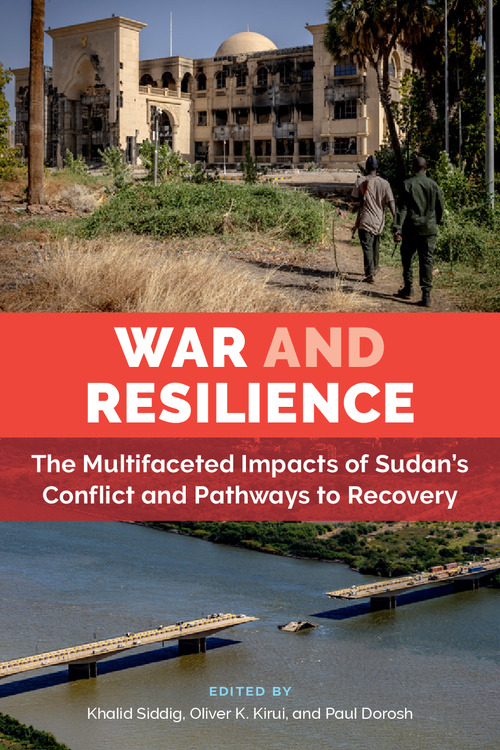
War and resilience: The multifaceted impacts of Sudan’s conflict and pathways to recovery

War and resilience: The multifaceted impacts of Sudan’s conflict and pathways to recovery

Sudan is facing one of the most severe humanitarian and economic crises in its modern history. The current civil war has displaced millions and severely damaged livelihoods, markets, and institutions, causing a rapid deterioration in the economy, agrifood systems, and population welfare. War and Resilience: The Multifaceted Impacts of Sudan’s Conflict and Pathways to Recovery situates the current conflict within Sudan’s longer historical trajectory, explaining how structural factors contributed to the war’s progression and scale. Drawing on recent household and enterprise surveys, satellite indicators, market price data, and economywide modeling, the book documents the crisis’s impacts and identifies realistic entry points for stabilization and recovery. Written by leading IFPRI researchers and colleagues, War and Resilience highlights how Sudan’s population has shown remarkable resilience through social networks, remittances, informal support systems, and adaptation across rural and urban settings. Its final chapters offer decision-makers a forward-looking assessment of pathways toward recovery.

Year published

2026

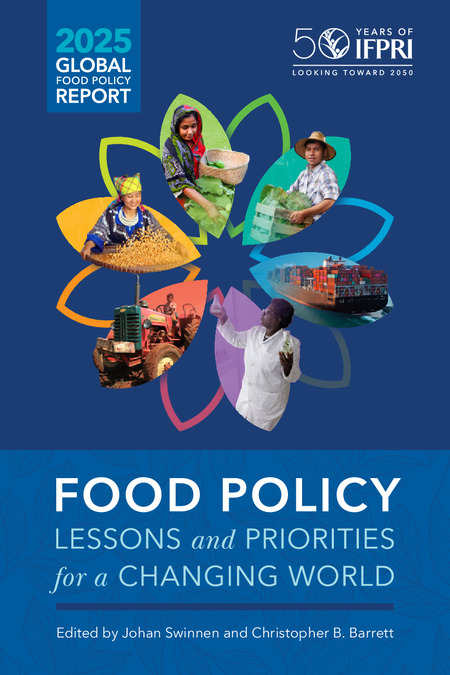
Global food policy report 2025: Food policy: Lessons and priorities for a changing world
Global food policy report 2025: Food policy: Lessons and priorities for a changing world
Over the past 50 years, the world’s food systems have evolved tremendously amid major economic, environmental, and social changes. Throughout this period, policy research has played a critical role in providing evidence and analysis to inform decision-making that supports agricultural growth, better livelihoods, and improved food security, nutrition, and well-being for all. As a special edition marking the Institute’s 50th anniversary, the 2025 Global Food Policy Report examines the evolution and impact of food policy research and assesses how it can better equip policymakers to meet future challenges and opportunities. The report’s thematic and regional chapters, written by leading IFPRI researchers and colleagues, explore the broad range of issues and showcase research related to food systems, from tenure and agriculture extension to social protection, gender, and nutrition to conflict, political economy, and agricultural innovation, and more. As we approach 2050, policy research and analysis will be essential to help end poverty and malnutrition by building sustainable healthy food systems.

Year published

2025

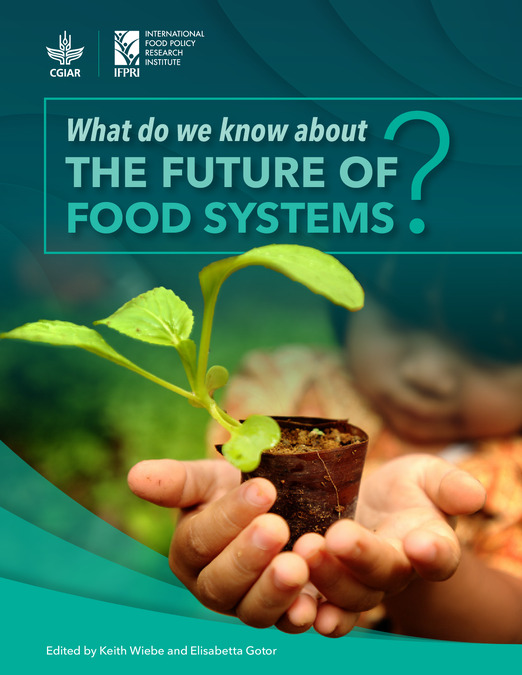
What do we know about the future of food systems?

What do we know about the future of food systems?

Food systems have achieved remarkable progress in recent decades, but moving forward, they will face significant challenges in delivering the many outputs and services we expect and need. This book presents a collection of short chapters on the current state of knowledge about different aspects of the future of food systems, written by a diverse group of scientists from around the world with expertise in a wide range of related disciplines and regions. Each chapter examines a particular aspect of food systems, describes recent trends and challenges that highlight the importance of the topic, summarizes the latest available foresight research on that topic, and identifies key gaps in existing foresight research that merit further attention. In a world of complexity and uncertainty, the goal of this book — and the purpose of foresight analysis, more generally — is not to predict the future with precision, but rather to carefully consider and present what can be known about possible future pathways in order to inform choices today. The collection includes 15 chapters focused on major drivers and impacts of change in food systems, 11 chapters that provide regional and national perspectives on the future of food systems, 7 chapters on the future of major food commodities, and 3 chapters on food systems measurement and modeling tools. The contributors come from across CGIAR and many other partner research institutions around the world. This collection was begun as part of the CGIAR Research Initiative on Foresight during the 2022–2024 period and completed as part of the ongoing area of work on foresight and prioritization under the CGIAR Science Program on Policy Innovations.

Year published

2025

Project

Foresight


Blogs