




Frequently Asked Questions
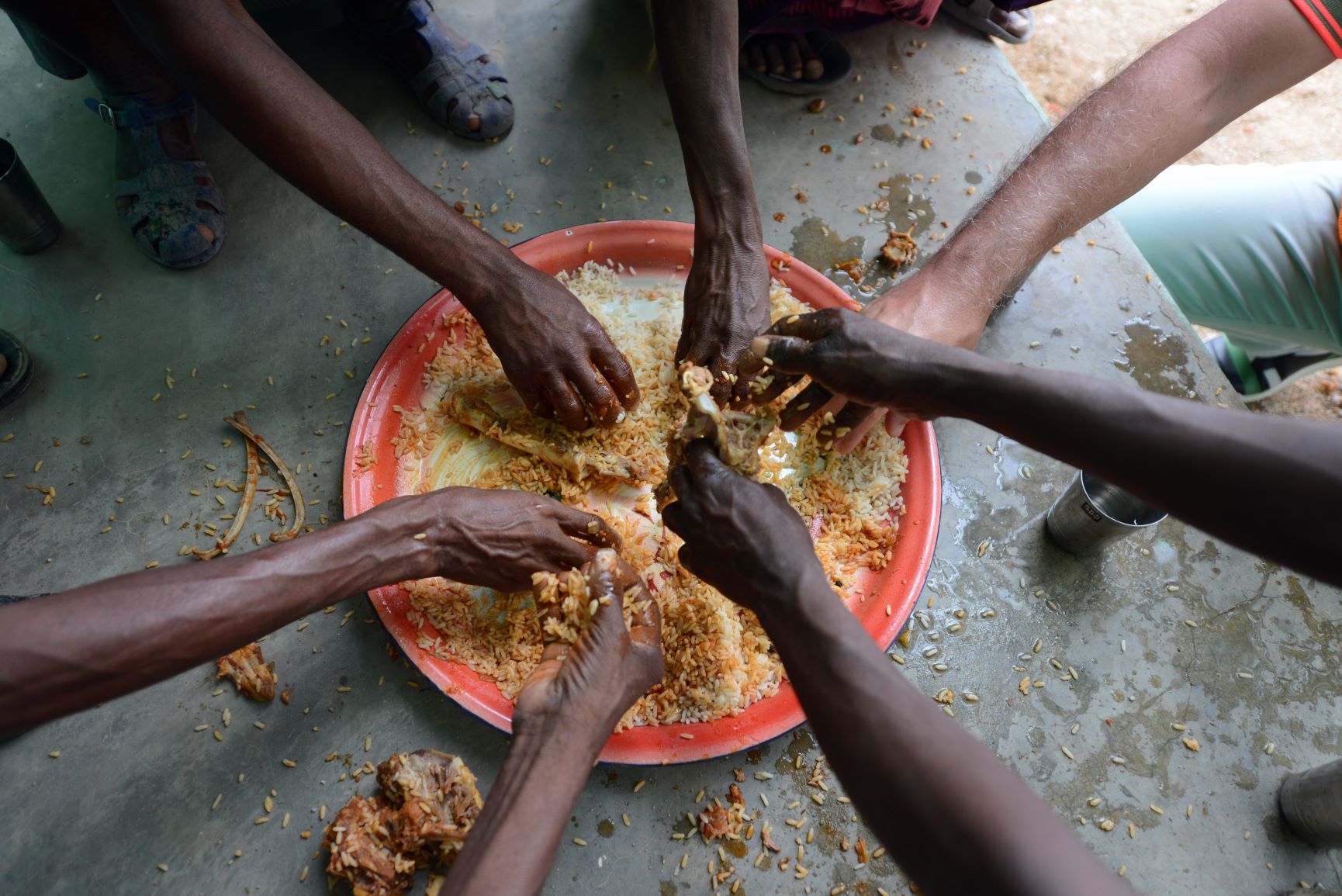
Food security means that all people, at all times, have reliable access to enough safe, nutritious food to live a healthy and active life.
This widely used definition highlights four key dimensions: food must be available (produced or imported), people must have access (affordability and physical access), it must be properly utilized (nutritious diets, clean water, and health), and access must be stable over time without shocks from conflict, climate, or price spikes (FAO, 2021; World Bank, 2026). Food security is therefore not just about producing enough food globally—it is about whether households, especially poor and vulnerable groups, can consistently obtain and use it. [fao.org], [worldbank.org]
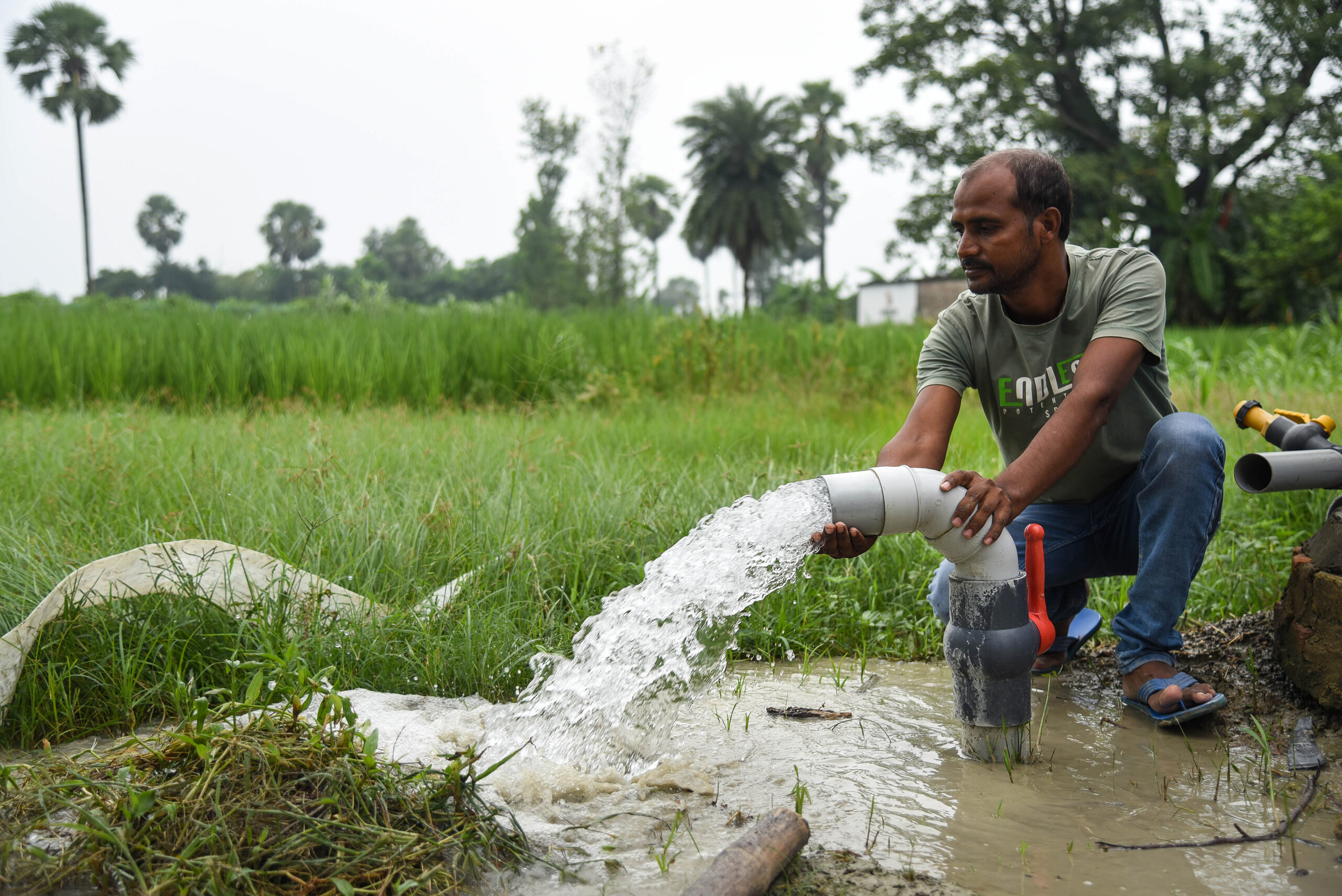
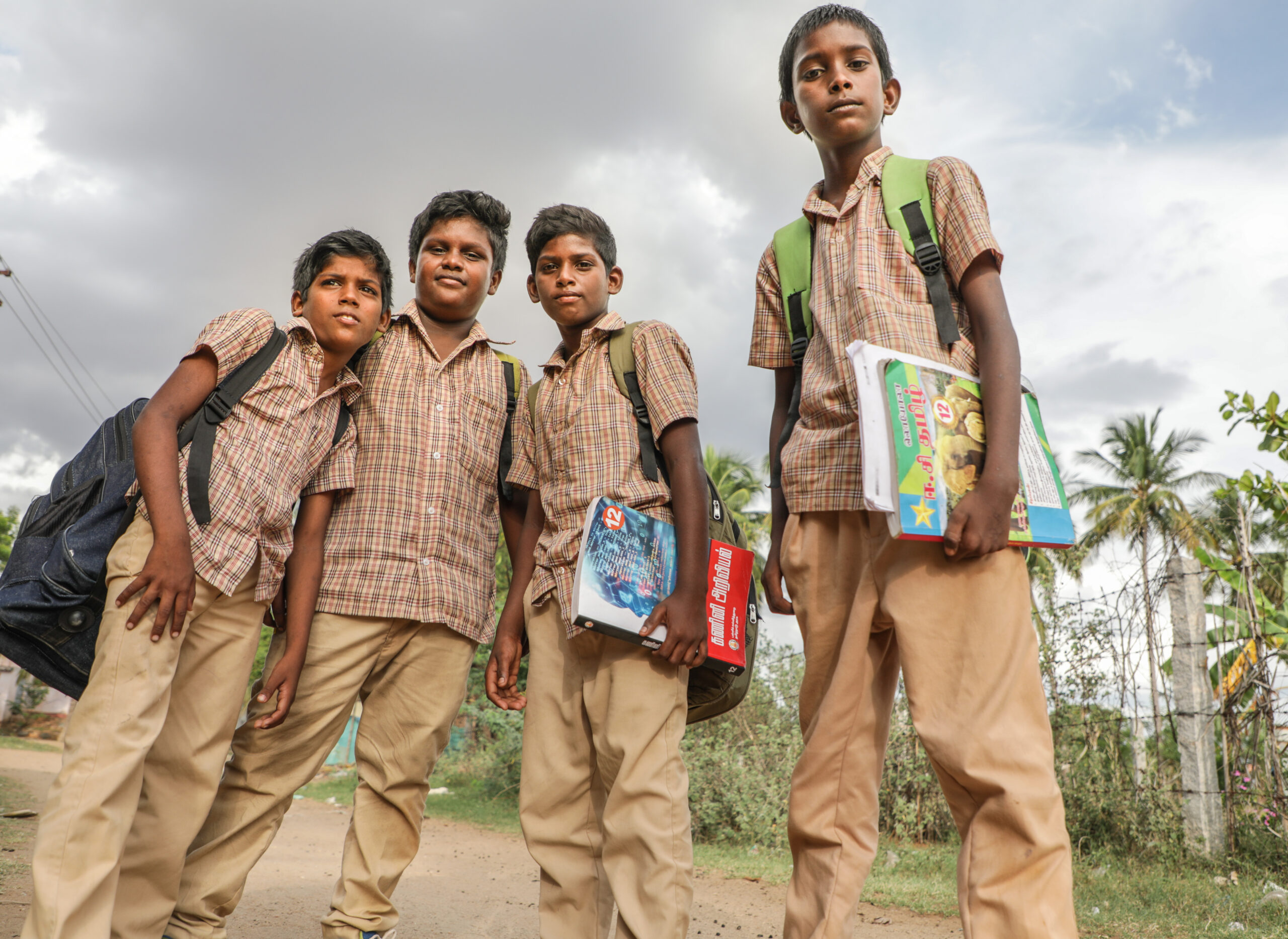
The most effective policies to reduce food insecurity at national scale combine social protection, agricultural investment, and stable, well-functioning food markets. Social protection programs—such as cash transfers, school feeding, and targeted food assistance—are among the fastest ways to reduce food insecurity, especially for poor and vulnerable households. At the same time, investments in agriculture are critical for long-term food security. Finally, strong food systems require stable markets and infrastructure. Investments in roads, storage, and market information systems reduce food loss and price volatility. https://hdl.handle.net/10568/150184
IFPRI has developed a range of evidence-based solutions—including data tools, policy models, and program evaluations—to help governments reduce food insecurity and improve nutrition. One major contribution is IFPRI’s data and analytical tools, such as the International Model for Policy Analysis of Agricultural Commodities and Trade (IMPACT), which helps policymakers assess how climate change, trade, and investments affect food supply and prices over time. IFPRI also co-produces the Global Hunger Index, which tracks hunger levels and progress across countries. These tools are widely used in Africa and Asia to inform national strategies and investment planning.
IFPRI has influenced food security policies in developing countries by providing evidence that shapes national programs, improves targeting, and strengthens long-term food systems. One clear example is Ethiopia’s Productive Safety Net Programme, one of Africa’s largest social protection programs. IFPRI research helped design and refine the program by demonstrating how predictable cash and food transfers can reduce hunger while protecting livelihoods during droughts. The evidence informed targeting, benefit levels, and program expansion, contributing to improved food security for millions of households.
In India, IFPRI analysis has supported reforms to food subsidy and public distribution systems by identifying inefficiencies and recommending better targeting and digital delivery mechanisms. These insights have contributed to policy debates on how to reduce costs while improving access to food for vulnerable populations. IFPRI has also shaped agricultural and nutrition strategies across Africa. For example, its work on agricultural investment under the Comprehensive Africa Agriculture Development Programme (CAADP) has helped governments prioritize spending on productivity, markets, and resilience. In nutrition, IFPRI research has influenced policies linking agriculture, women’s empowerment, and child nutrition outcomes. Across countries, IFPRI’s country-level engagement and data tools help translate research into actionable policies.