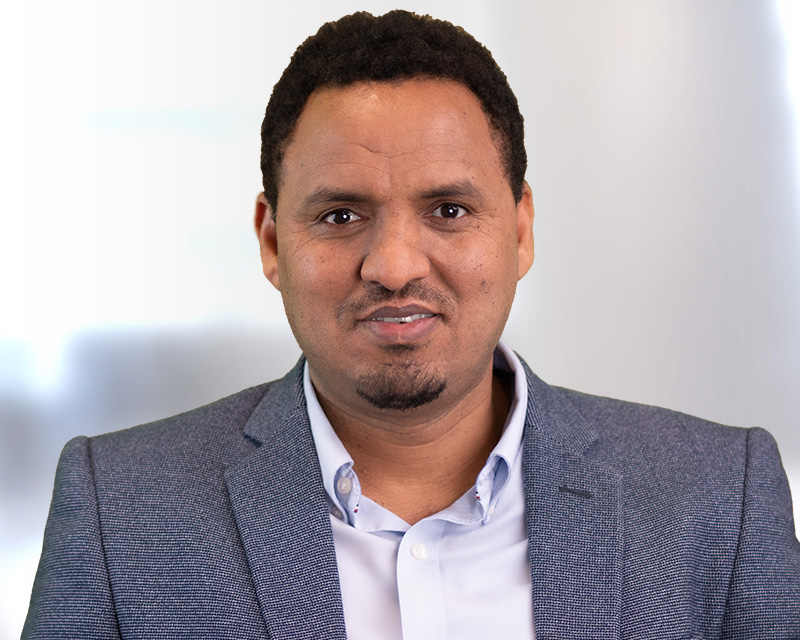
Kibrom Abay
Senior Research Fellow , Development
Strategies and Governance, Africa

Back
With research staff from more than 70 countries, and offices across the globe, IFPRI provides research-based policy solutions to sustainably reduce poverty and end hunger and malnutrition in developing countries.

researcher spotlight
Lily Bliznashka is a Research Fellow in the Nutrition, Diets, and Health Unit. Her research focuses on assessing the effectiveness of multi-input nutrition-sensitive and nutrition-specific interventions and the mechanisms through which they work to improve maternal and child health and nutrition globally. She has worked in Burkina Faso, Burundi, Tanzania, and Uganda.

Back
Since 1975, IFPRI’s research has been informing policies and development programs to improve food security, nutrition, and livelihoods around the world.

Back
IFPRI currently has more than 480 employees working in over 70 countries with a wide range of local, national, and international partners.
Fragile and conflict-affected settings (FCAS) face intersecting crises—political instability, violence, climate shocks, forced displacement, and weak institutions—that threaten food systems and the well-being of vulnerable populations. These compounding crises account for recent growth in poverty and malnutrition, and by 2030, nearly two-thirds of the world’s extreme poor are predicted to live in these contexts. Without action, those living in FCAS face spiraling risks, and resulting food crises that will entrench poverty and instability. Yet, with rigorous evidence and adaptable policy tools, these “frontier food systems” can offer critical opportunities to build resilience, stability, and recovery. Meeting this challenge requires solutions that cut across communities and geographies, linking humanitarian response with long-term transformation.
IFPRI’s integrated research agenda on fragility and conflict aims to inform monitoring, anticipation, prevention, crisis response, and long-term recovery strategies. Our researchers combine diverse expertise to generate evidence, inform policy, and design interventions that address urgent humanitarian needs in the short term while fostering resilient, inclusive food systems for the long term. Central to this approach are IFPRI’s country programs in FCAS, including Ethiopia, Myanmar, Nigeria, Papua New Guinea, and Sudan, as well as substantial work in Mali, Myanmar, Somalia, and Yemen, among others. These programs incorporate strong partnerships with national and local governments, as well as long-standing partnerships with international development organizations. Our wide portfolio of activities includes innovative foresight tools; real-time monitoring and large-scale data collection; policy impact simulations; evaluations of social protection and livelihood support programs; and agricultural, value chain, governance, and institutional innovations to build resilience—all with attention to inclusion of women and marginalized groups.
IFPRI’s research on fragile and conflict-affected settings is closely aligned with the Sustainable Development Goals and with the core CGIAR Impact Areas, including Poverty Reduction, Livelihoods, and Jobs; Gender Equality, Youth, and Social Inclusion; Nutrition, Health, and Food Security; and Climate Adaptation and Mitigation.
Key Resources for Fragility and Conflict Research:


Working Paper

Brief

Working Paper

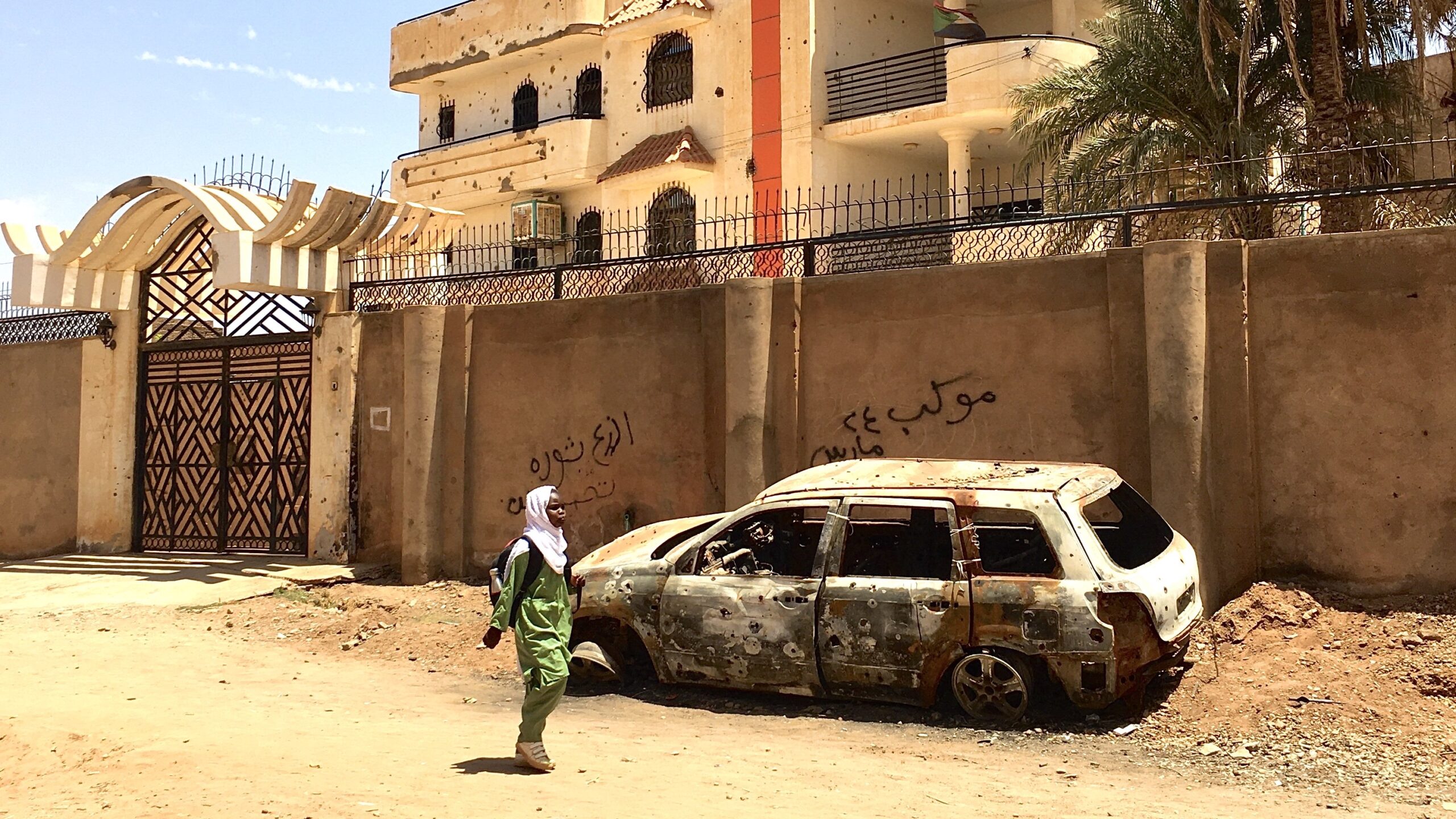
Chronic problems of climate change, conflict, and fragile safety nets.

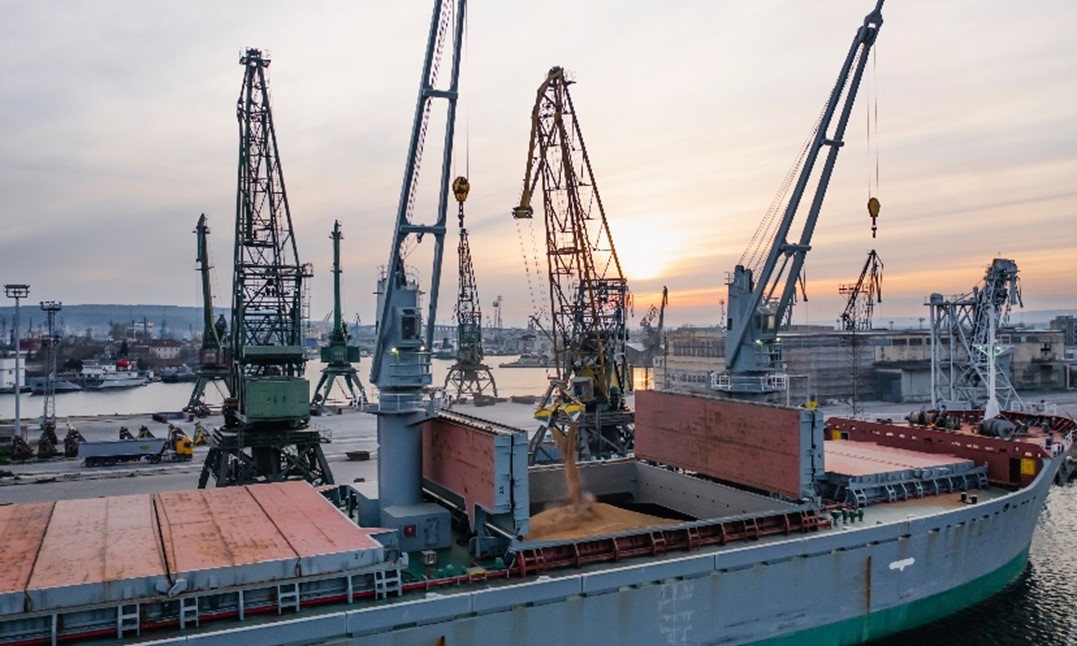
Supply chain disruptions reverberate.

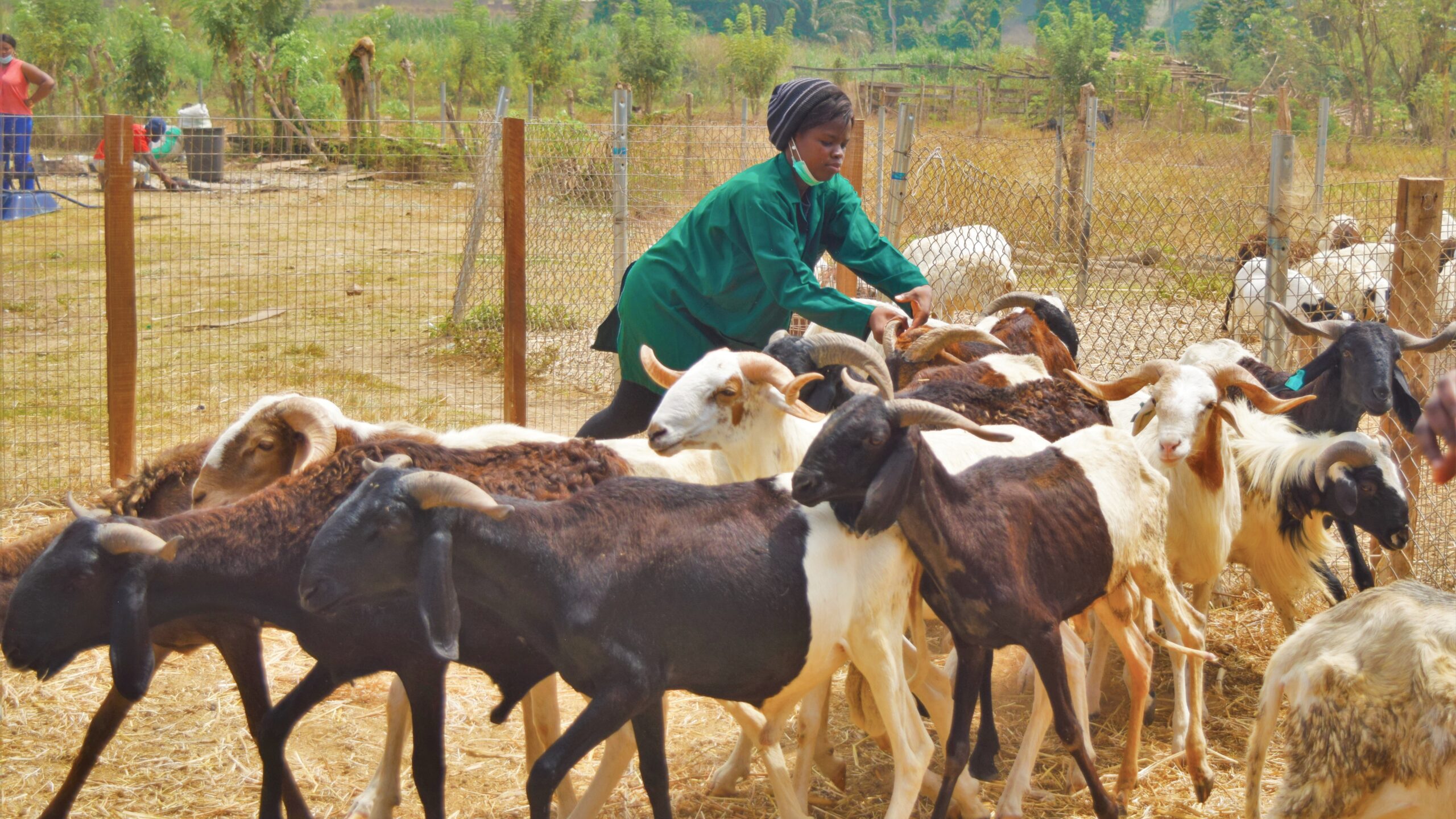
Advantages of risk management for smallholders.

Across sub-Saharan Africa, small-scale, resource-poor farmers are disproportionately affected by climatic and market shocks. Providing them with the tools and technologies to manage these shocks is critical to building resilience, especially in Nigeria, with its considerable diversity. This seminar will showcase novel evidence of how improved crop varieties, quality seed, and better seed systems can […]

Multifaceted livelihoods interventions that target households in extreme poverty are extremely effective in reducing extreme poverty, with consistent gains in income, consumption, savings, and psychosocial well-being. These interventions, often called graduation models, have been widely evaluated, but most evidence comes from stable rural settings. In fragile and conflict-affected environments where poverty is increasingly concentrated, household-level […]

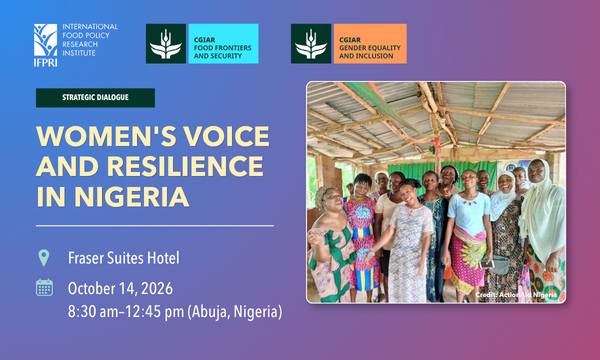
Crises—whether driven by conflict, climate shocks, or economic instability—rarely affect everyone equally. Women and girls often bear the heaviest burdens, facing heightened food insecurity, disrupted livelihoods, and increased risks to their health and safety. Yet, women are not only victims of crisis—they are powerful drivers of resilience and recovery. “Empowerment in Crisis: Gender-Responsive Solutions for […]
The book is being launched today in Cairo on the opening day of the conference “Three Years of Conflict: What the Evidence Tells Us and What Recovery Requires.”
Avinash Kishore, IFPRI senior research fellow in New Delhi, was interviewed for the Al Jazeera’s “Inside Story” program on the Iran war risks to global food security.
Foreign Policy quotes IFPRI’s Joseph Glauber who notes that energy inputs are built into food costs at nearly every step, from production and processing through transportation and retail.

Senior Research Fellow , Development
Strategies and Governance, Africa

Senior Research Fellow, Markets,
Trade, and Institutions

Research Analyst, Poverty,
Gender, and Inclusion

Senior Research Fellow, Foresight
and Policy Modeling

Senior Research Fellow, Poverty,
Gender, and Inclusion