



Deanna Olney
Director, Nutrition, Diets, and Health (NDH), Nutrition,
Diets, and Health
Back
With research staff from more than 70 countries, and offices across the globe, IFPRI provides research-based policy solutions to sustainably reduce poverty and end hunger and malnutrition in developing countries.

researcher spotlight
Lily Bliznashka is a Research Fellow in the Nutrition, Diets, and Health Unit. Her research focuses on assessing the effectiveness of multi-input nutrition-sensitive and nutrition-specific interventions and the mechanisms through which they work to improve maternal and child health and nutrition globally. She has worked in Burkina Faso, Burundi, Tanzania, and Uganda.

Back
Since 1975, IFPRI’s research has been informing policies and development programs to improve food security, nutrition, and livelihoods around the world.

Back
IFPRI currently has more than 480 employees working in over 70 countries with a wide range of local, national, and international partners.
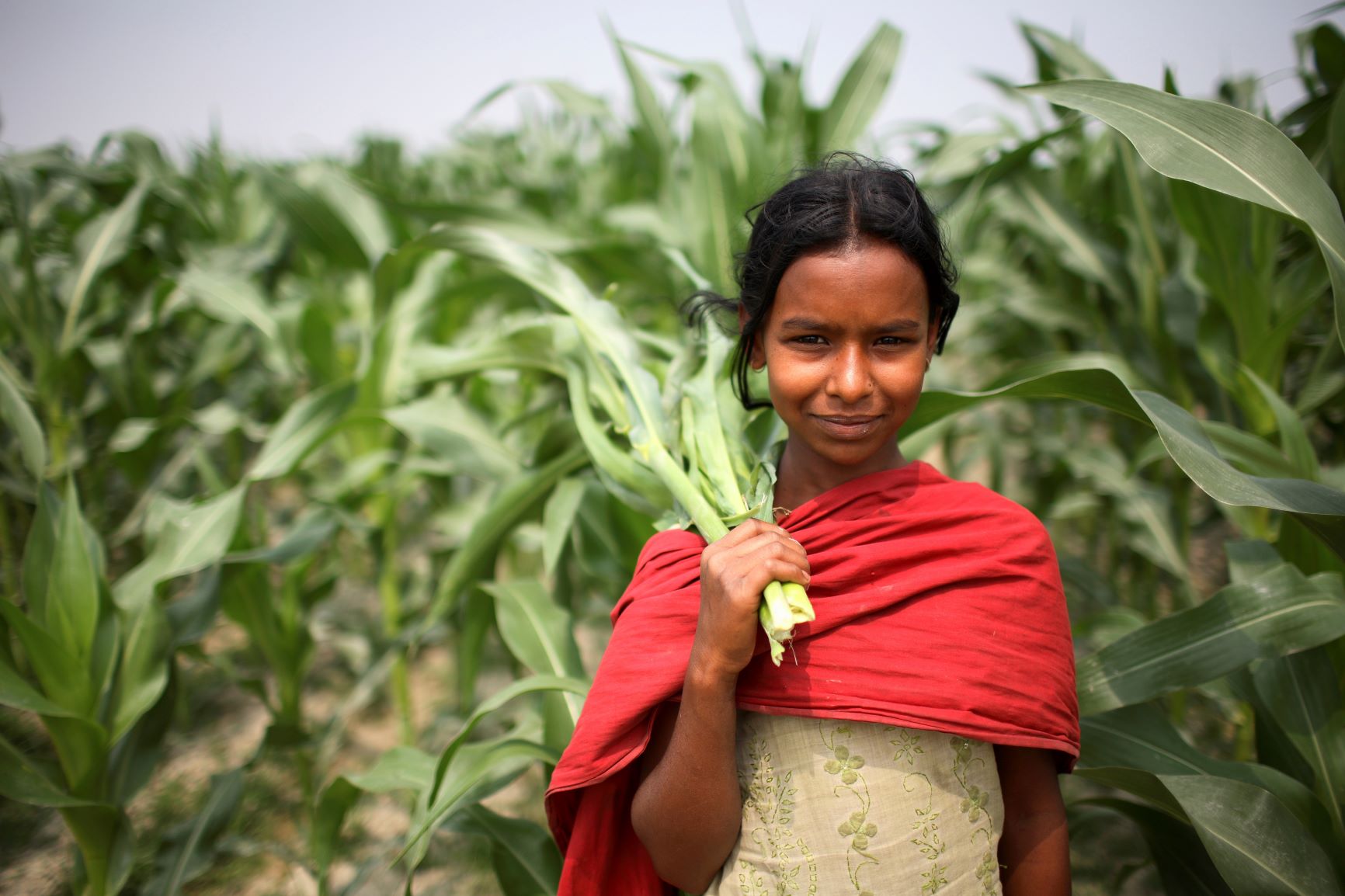
Economic, climate, and health shocks as well as conflict can be devastating for poor and vulnerable people who have limited resources and options. These shocks include food price hikes and financial crises, environmental and natural disasters, armed and political conflicts, and disease outbreaks. They can intensify the risk of food and nutrition insecurity, drive people into poverty or prevent them from moving out of poverty, and spur migration. Building resilience means helping individuals, households, communities, and countries prepare for, mitigate, cope with, and recover from shocks—so that they can not only bounce back but even become better off.
IFPRI’s resilience research examines the impact of different shocks and explores possible interventions to enhance human capital, policies for responding to and recovering from crises, and ways to create resilient food systems, economies, and societies. This includes extensive work on climate change, food prices, migration, and crises, including COVID-19 and the food, fuel, and fertilizer price increases associated with the Russia-Ukraine war. Research on women’s empowerment and gender equity also contributes to understanding resilience.
IFPRI’s research on this topic is closely aligned with the Sustainable Development Goals (SDGs), including SDG1, SDG2, SDG9, and SDG11, and with the CGIAR Impact Areas on Nutrition, Health, and Food Security; Poverty Reduction, Livelihoods, and Jobs; Climate Adaptation and Mitigation; and Gender Equality, Youth, and Social Inclusion.


Journal Article

Working Paper

Report

High prices from the Iran war are increasing inequities.

Guiding an ongoing transformation.

Expanding the reach and effectiveness of a key government program.

Fragile and conflict-affected settings account for a growing share of global poverty. Roughly 2 billion people live in these areas, accounting for 25% of the world’s population but 72% of the world’s extreme poor. At the national level, many fragile economies struggle to sustain growth, create jobs, and recover from repeated shocks. Yet even amid […]

Fisheries in Yemen have suffered from years of conflict, underinvestment, weak regulations, and high fuel prices. Fish production has fallen by an estimated 40 percent from its peak in 2004. Before the recent conflict, fisheries were Yemen’s second-largest export sector and an important contributor to national GDP and foreign revenue earnings. Given rich fish resources […]

While the global food system has largely adjusted to the disruptions in agricultural commodities and fertilizers following the invasion of Ukraine, the new conflict in the Middle East introduces a new set of challenges at a time when markets and supply chains remain vulnerable to geopolitical shocks. Disruptions to shipping in the Strait of Hormuz, through which a significant […]
A groundbreaking approach to understanding how developing economies are affected by multiple, simultaneous shocks.
Economic revival, social protection, and infrastructure rehabilitation are critical for urban recovery in Sudan. Nairobi, 12 November 2024 – Eighteen months of war have deeply affected urban households in Sudan: 31 percent have been displaced, full-time employment has plummeted by half, over 70 percent of the urban households in Sudan had all or some of […]
New report analyzes trade performance amid pressure points from climate change, water use, and carbon emissions, with recommendations for sustainable practices.

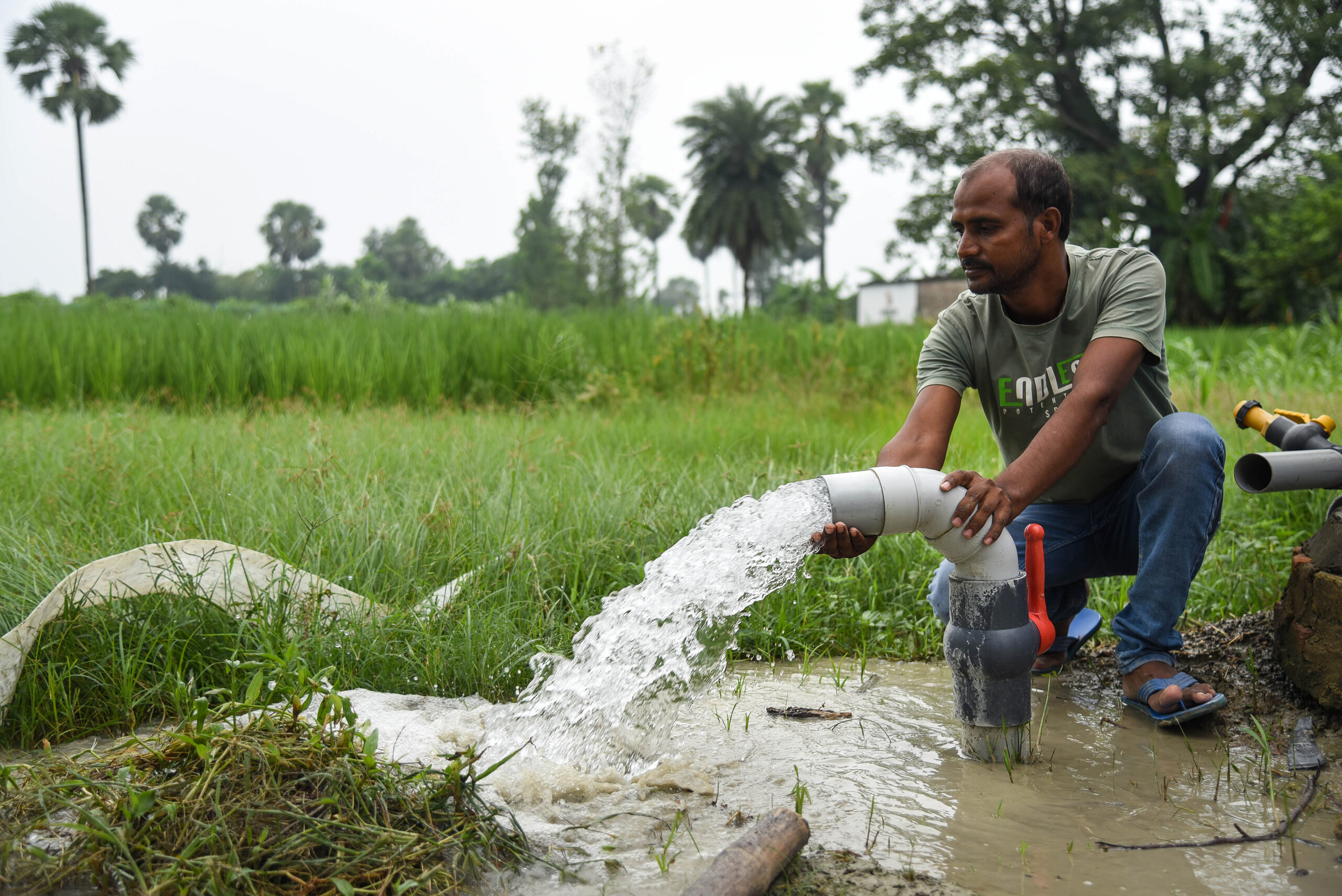
Small-scale irrigation provides benefits for productivity, income, food security, nutrition, and resilience to climate shocks. However, women often face greater constraints than men to accessing……

This project provides technical, analytical, and capacity building support to enable African Union (AU) Member States and Regional Economic Communities (RECs) to domesticate the Kampala……

Developed using advanced machine learning, simulation, and data mining techniques, these country briefs provide detailed risk assessments of key economic indicators. Produced by IFPRI, the……

Director, Nutrition, Diets, and Health (NDH), Nutrition,
Diets, and Health

Director, Agrifood
Innovation and Resilience

Director, Foresight and Policy Modeling (FPM), Foresight
and Policy Modeling

Regional Policy Advisor, Innovation
Policy and Scaling

Senior Research Fellow, Agrifood
Innovation and Resilience

Research Fellow, Agrifood
Innovation and Resilience

Research Analyst, Development
Strategies and Governance

Research Analyst, Poverty,
Gender, and Inclusion

Project Manager, Development
Strategies and Governance

Scaling Specialist, Innovation
Policy and Scaling

Senior Program Manager, Poverty,
Gender, and Inclusion