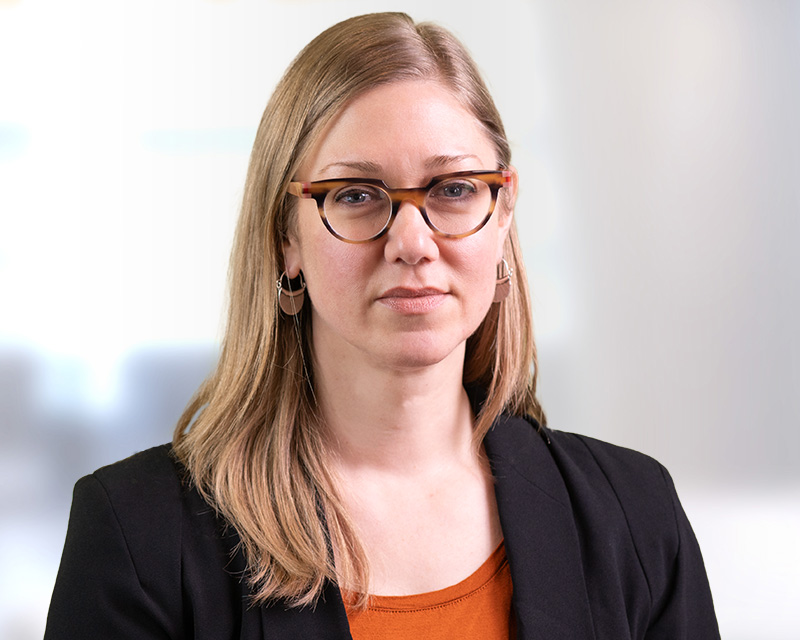
Daniel Gilligan
Director, Poverty, Gender, and Inclusion (PGI), Poverty,
Gender, and Inclusion

Back
With research staff from more than 60 countries, and offices across the globe, IFPRI provides research-based policy solutions to sustainably reduce poverty and end hunger and malnutrition in developing countries.

researcher spotlight
Elodie Becquey is a Senior Research Fellow in the Nutrition, Diets, and Health Unit, based in IFPRI’s West and Central Africa office in Senegal. She has over 15 years of research experience in diet, nutrition, and food security in Africa, including countries such as Burkina Faso, Chad, Ethiopia, Ghana, Kenya, Mali, and Tanzania.

Back
Since 1975, IFPRI’s research has been informing policies and development programs to improve food security, nutrition, and livelihoods around the world.

Back
IFPRI currently has more than 600 employees working in over 80 countries with a wide range of local, national, and international partners.
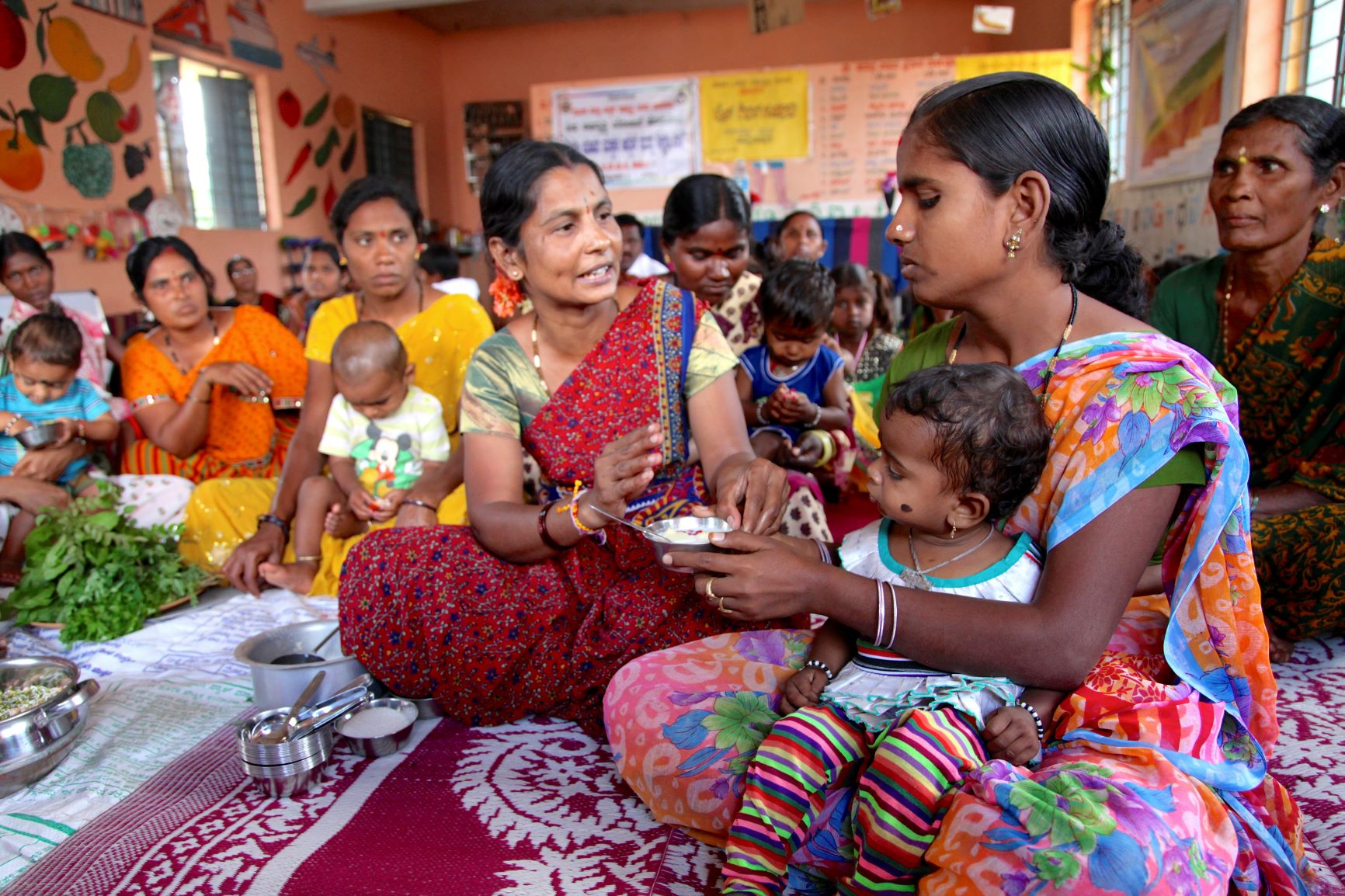
Gender-based differences in rights, resources, and responsibilities often leave women and girls particularly vulnerable to malnutrition, poor health, and excessive workloads. Additionally, gender intersects with other social categories, including age and ethnicity, resulting in differential access to opportunities, resources, and rights among members of different social groups, which increases inequalities and constrains progress on development outcomes. Understanding how gender and other social differences shape individuals’ rights and well-being is central to IFPRI’s mission to provide research-based policy solutions to reduce poverty and end hunger and malnutrition in developing countries.
What is gender? Gender refers to the socially defined differences between women, men, girls, and boys. It is inclusive of norms, behaviors, roles, and characteristics, as well as the relationships between people of different genders. Social inclusion for development refers to increasing opportunities, access to resources, and rights among members of marginalized social groups to improve their access to and participation in sustainable, equitable food systems. Gender and other social categories (such as age, ethnicity, and caste) intersect, resulting in further unequal access to opportunities, resources, and rights among members of different social groups.
Attention to gender equality and social inclusion is integral to IFPRI’s research across all research topics. IFPRI collects data, develops metrics, and generates important findings on how gender and other social categories relate to food and nutrition security, land tenure, power, and resource allocation within households and communities. We also examine the role of gender and social inclusion in agricultural development projects, market development and trade, institution building, natural resource management, and poverty reduction, as well as links between gender and climate change. Additionally, our evaluations of development and social protection programs investigate the impact of different interventions on women’s and children’s nutrition and intrahousehold relations, including on intimate partner violence.
IFPRI’s work on women’s empowerment includes the Women’s Empowerment in Agriculture Index, the first comprehensive tool for measuring women’s empowerment and inclusion, now widely used and adapted for development programs, as well as several affiliated tools designed for specific types of programs and sectors. A new tool, the Women’s Empowerment Metric for National Statistical Systems (WEMNS), is a shorter, more nimble tool designed for multi-topic surveys.
Our work on the intersection of gender with other areas of inclusion runs deep. Our collaboration with the Mastercard Foundation aims to generate evidence in support of innovative, digitally-savvy livelihood opportunities for youth, especially young women, while reducing post-harvest losses across agrifood systems in Africa. We have also investigated the role caste plays, by looking at how it may affect program delivery, gender differences in aspirations, as well as perceptions of empowerment.
IFPRI’s research on these topics is closely aligned with the Sustainable Development Goals (SDGs), including SDG 1, SDG 2, and SDG 5, and all the CGIAR Impact Areas, especially Gender Equality, Youth, and Social Inclusion.
To stay up to date on IFPRI’s gender work, please subscribe to the Gender Highlights newsletter.


Dataset

Journal Article

Journal Article

A key issue for AI in extension services.

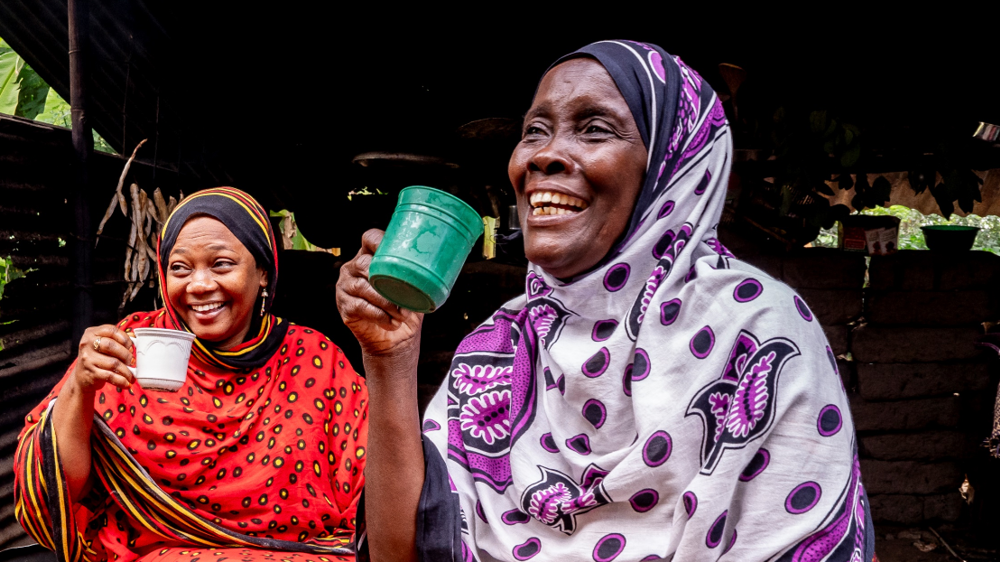
On the International Day of Rural Women, IFPRI research shows avenues for empowerment.

School meal programs can be powerful engines for job creation and local economic development. Many models intentionally prioritize employment for groups that face systemic barriers to entering the labor market, such as women, youth and people with disabilities. Yet despite their potential, there remains a significant evidence gap around how different program designs impact employment […]

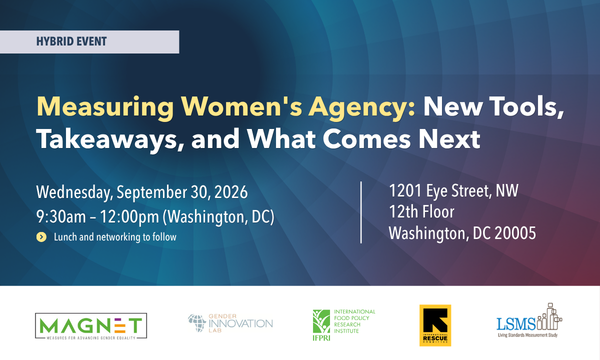
Agrifood systems are essential to women’s livelihoods globally, yet their contributions often remain underrecognized. Women are disproportionately concentrated in informal, low-skilled, and labor-intensive roles and face limited access to resources and exclusion from key decision-making processes. To address these gaps, new tools have emerged to better assess women’s empowerment. Building on the Women’s Empowerment in […]

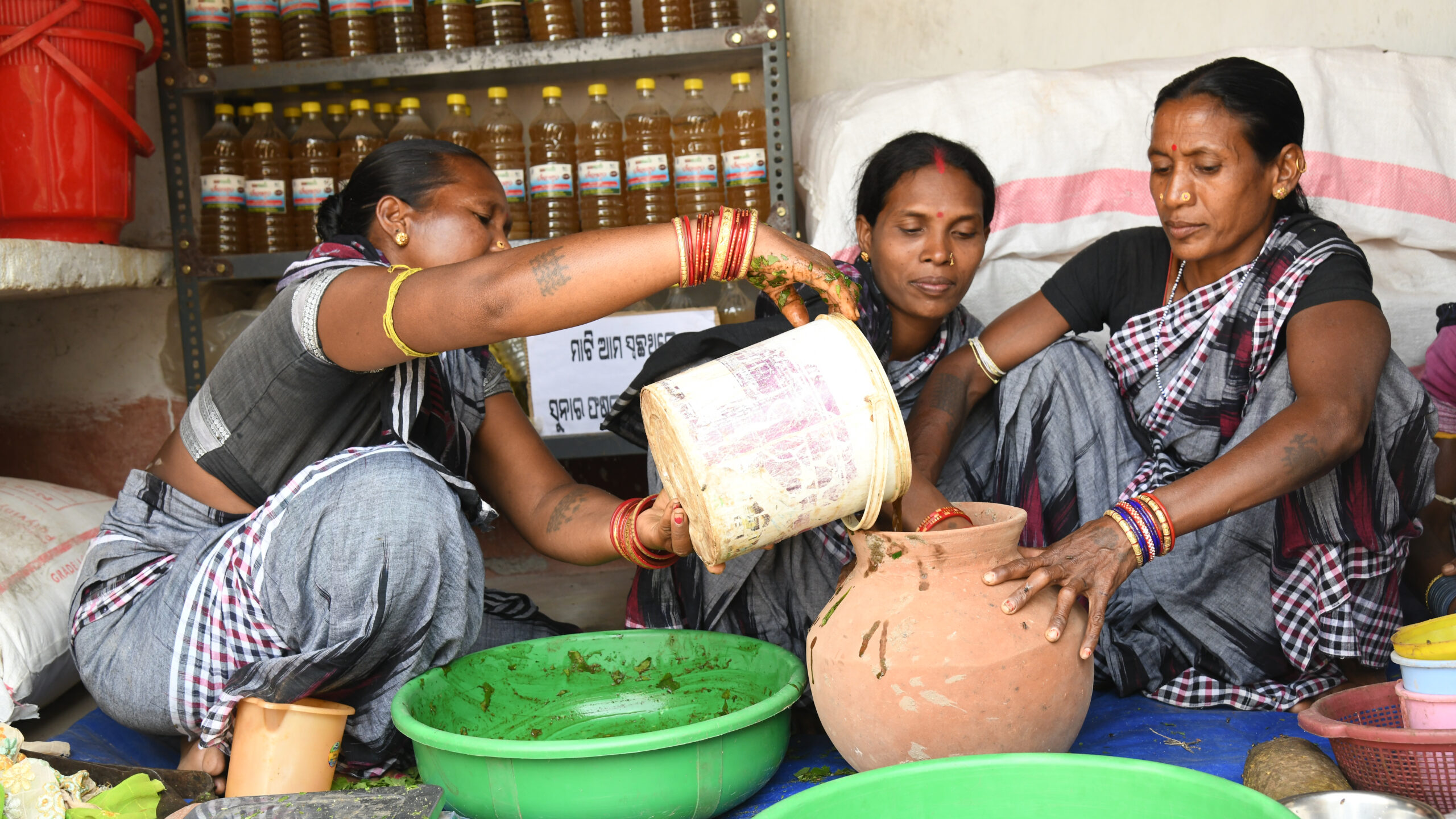
Crises—whether driven by conflict, climate shocks, or economic instability—rarely affect everyone equally. Women and girls often bear the heaviest burdens, facing heightened food insecurity, disrupted livelihoods, and increased risks to their health and safety. Yet, women are not only victims of crisis—they are powerful drivers of resilience and recovery. “Empowerment in Crisis: Gender-Responsive Solutions for […]
IFPRI, CGIAR NEXUS Gains Initiative, and Uganda’s National Agricultural Research Organization undertake a long-term, gender-disaggregated soil health survey in Uganda.
This article published by National Update (Nigeria) wrote about a recent high-level dialogue on the CGIAR HER+ initiative in Abuja held on October 9, 2024, that aimed to address barriers women face in Nigeria’s agrifood sector.
December 3, 2023, Dubai, United Arab Emirates (UAE). CGIAR and partners have committed US$31 million over four years (2023-2027) to ensure that climate innovations in agrifood systems are designed to work for women and rolled out in ways that address underlying gender inequalities. Together with 20 partners, CGIAR launched the AIM for Climate Innovation Sprint on […]

Director, Poverty, Gender, and Inclusion (PGI), Poverty,
Gender, and Inclusion

Director, Nutrition, Diets, and Health (NDH), Nutrition,
Diets, and Health

Director, Innovation Policy and Scaling (IPS), Innovation
Policy and Scaling

Associate Research Fellow, Development
Strategies and Governance

Senior Research Fellow, Markets,
Trade, and Institutions

Research Fellow/Acting Country Program Manager, Tajikistan, Development
Strategies and Governance

Senior Research Fellow, Innovation
Policy and Scaling

Research Fellow, Markets,
Trade, and Institutions

Program Manager, Development
Strategies and Governance

Senior Program Manager, Poverty,
Gender, and Inclusion

Program Head, Innovation
Policy and Scaling

Program Manager, Innovation
Policy and Scaling

Senior Program Manager, Poverty,
Gender, and Inclusion