Internal displacement and the promotion of bundled agricultural technologies: Evidence from a fragile setting in Nigeria
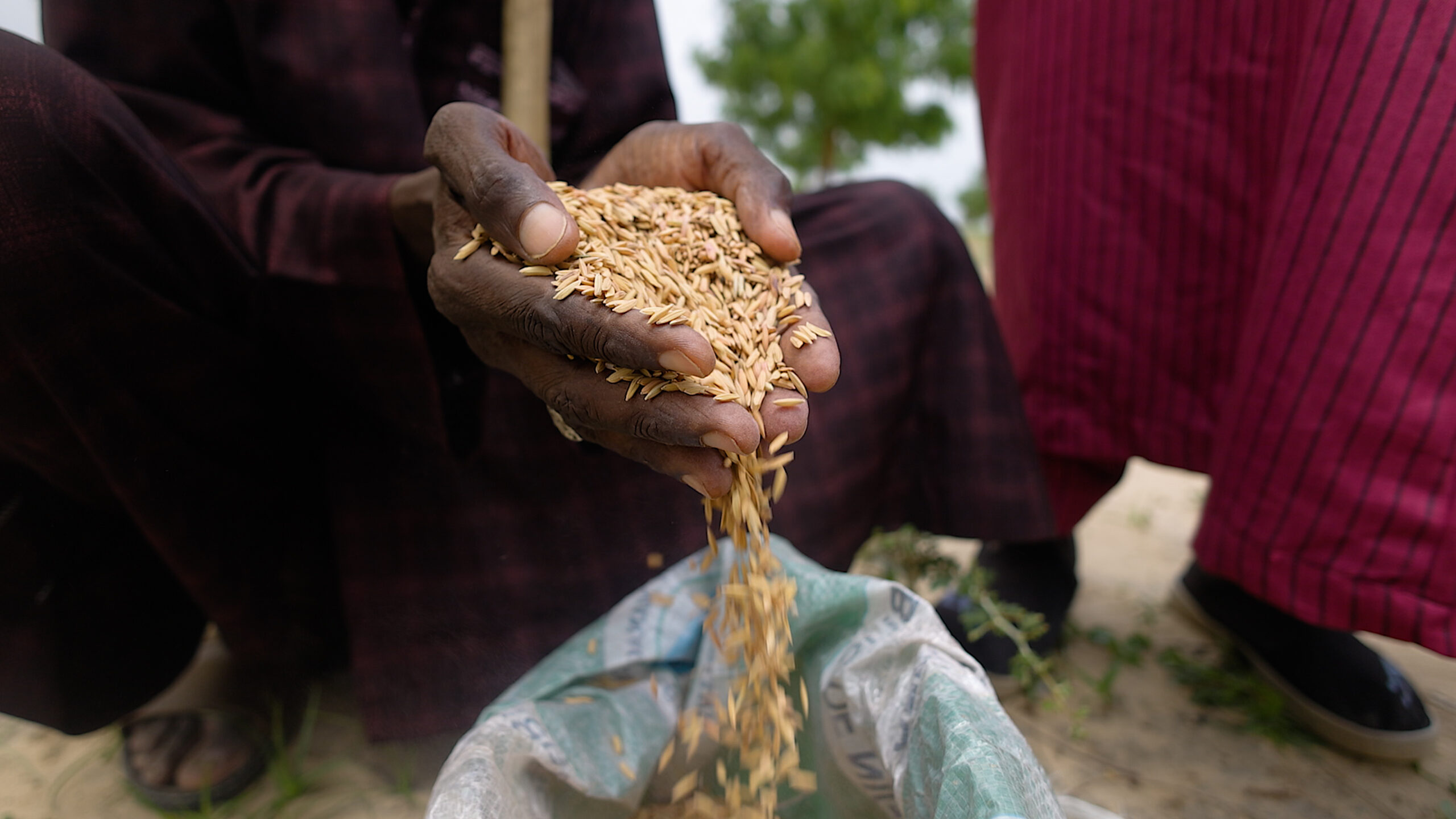
Fragile regions within Nigeria face multiple, overlapping challenges including climate volatility, violent conflict, widespread displacement, and persistent malnutrition. These pressures can constrain agricultural production and compromise household welfare, particularly for internally displaced households, who face depleted assets and repeated exposure to shocks. Within the context of Nigeria, addressing these constraints requires interventions that improve access to agricultural technologies and strengthen food systems. This brief summarizes experimental evidence from Gombe State, Nigeria, where we implemented an intervention promoting the adoption of a bundle of agricultural technologies.
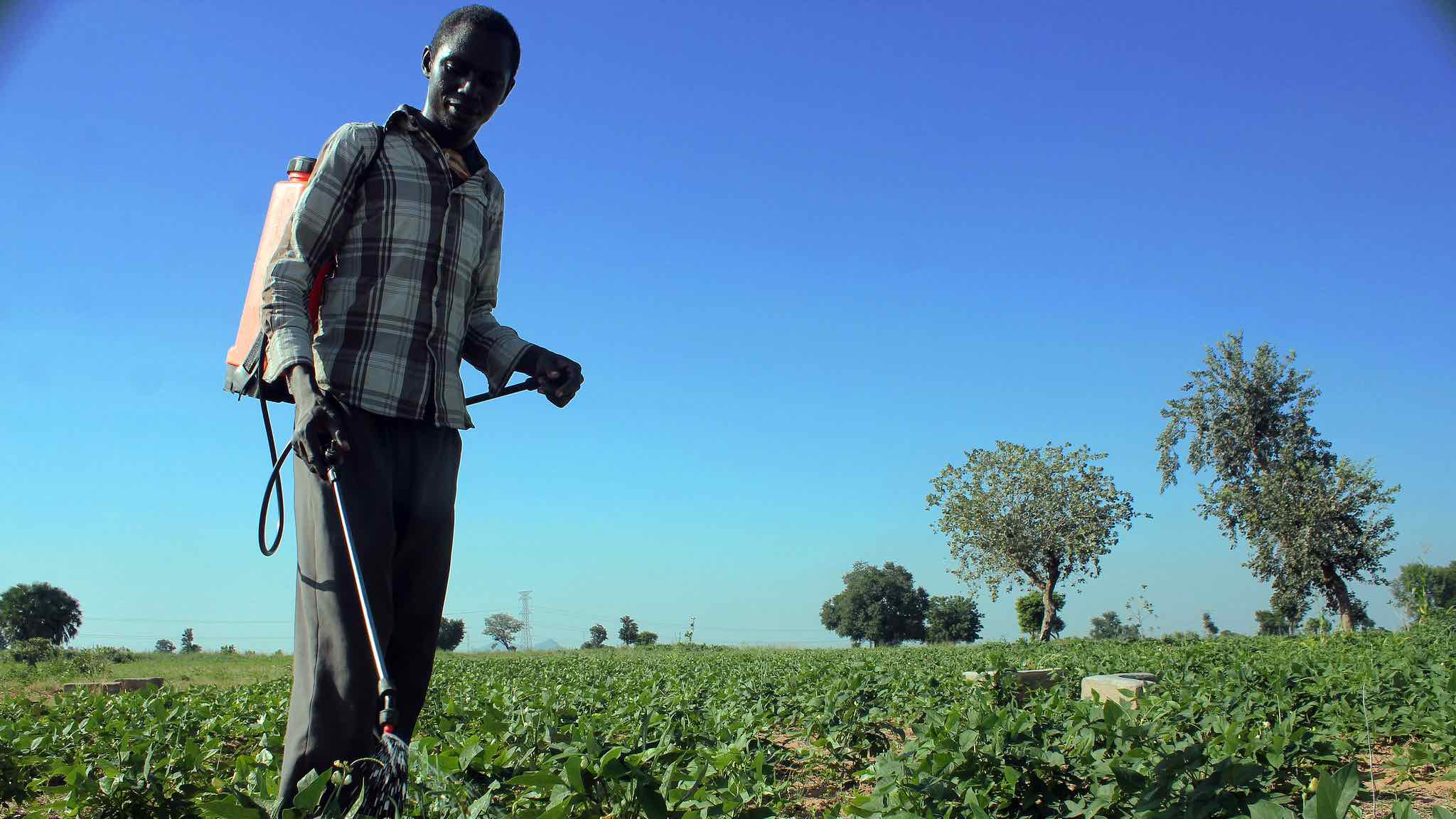
The intervention specifically disentangled the effects of price discounts and information campaigns on bundle adoption. We collected data on the use of each of the bundle components as well as the implementation of agronomic practices recommended for achieving agricultural intensification benefits, enabling us to document adoption beyond the initial purchase of the bundle in a detailed way. The bundle—which includes biofortified seeds, fertilizers, crop protection products, and weather-risk insurance—was designed to generate an intensification response among farmers and address micronutrient deficiencies among adopting households. In principle, biofortified crops—such as vitamin A maize and high-iron millet—offer a dual benefit: improved crop productivity and improved access to nutritious foods. While Nigerian agricultural policies encourage biofortification, sustained adoption remains limited, and existing studies overwhelmingly focus on peaceful and stable settings. We aim to addresses existing knowledge gaps by implementing a randomized control trial in Gombe State, Nigeria—a fragile and conflict-affected setting with a relatively large displaced population.
Existing evidence shows that bundled input packages, rather than interventions promoting a single agricultural input, can generate productivity gains associated with agricultural intensification. Adoption is often hindered by liquidity constraints, perceived risk, and weak extension systems. Moreover, displaced households can face additional barriers due to asset loss and insecure land tenure. This motivates us to specifically investigate whether displaced households respond differently to our intervention than households from the host population.
Authors
Amare, Mulubrhan; Ambler, Kate; Bloem, Jeffrey R.; Misra, Rewa S.
Citation
Amare, Mulubrhan; Ambler, Kate; Bloem, Jeffrey R.; and Misra, Rewa S. 2025. Internal displacement and the promotion of bundled agricultural technologies: Evidence from a fragile setting in Nigeria. FCA Brief. Washington, DC: International Food Policy Research Institute. https://hdl.handle.net/10568/179196
Keywords
Africa; Sub-saharan Africa; Western Africa; Fragility; Displacement; Dispossession; Agricultural Technology; Internally Displaced Persons; Bundling