



Research Units
Overview
IFPRI’s six research units focus on research and innovation to deliver integrated policies, investments, governance processes, and capacity building in support of sustainable and equitable food systems transformation to deliver improved livelihoods and healthy diets.

Agrifood Innovation and Resilience
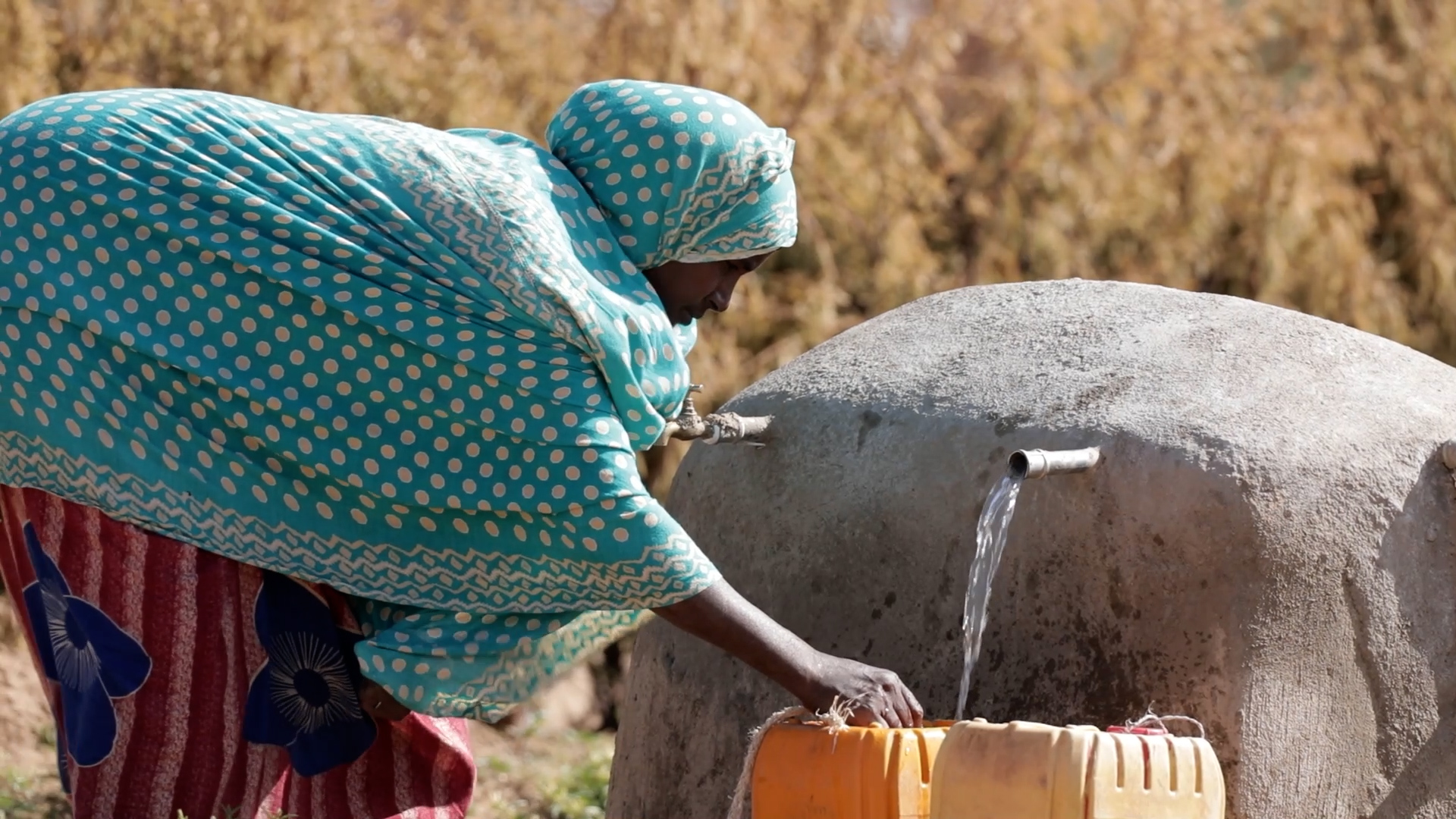
Climate change and natural resource degradation undermine food system productivity, livelihoods, nutrition and health, and equality. Technology and institutional innovations offer potential to address these challenges, but insufficient investment and uneven access can worsen inequalities. Robust research and actionable, evidence-based policy are needed to support effective delivery and scaling strategies, approaches, and programs and to accelerate innovation across the water-energy-food-environment nexus.
Development Strategies and Governance
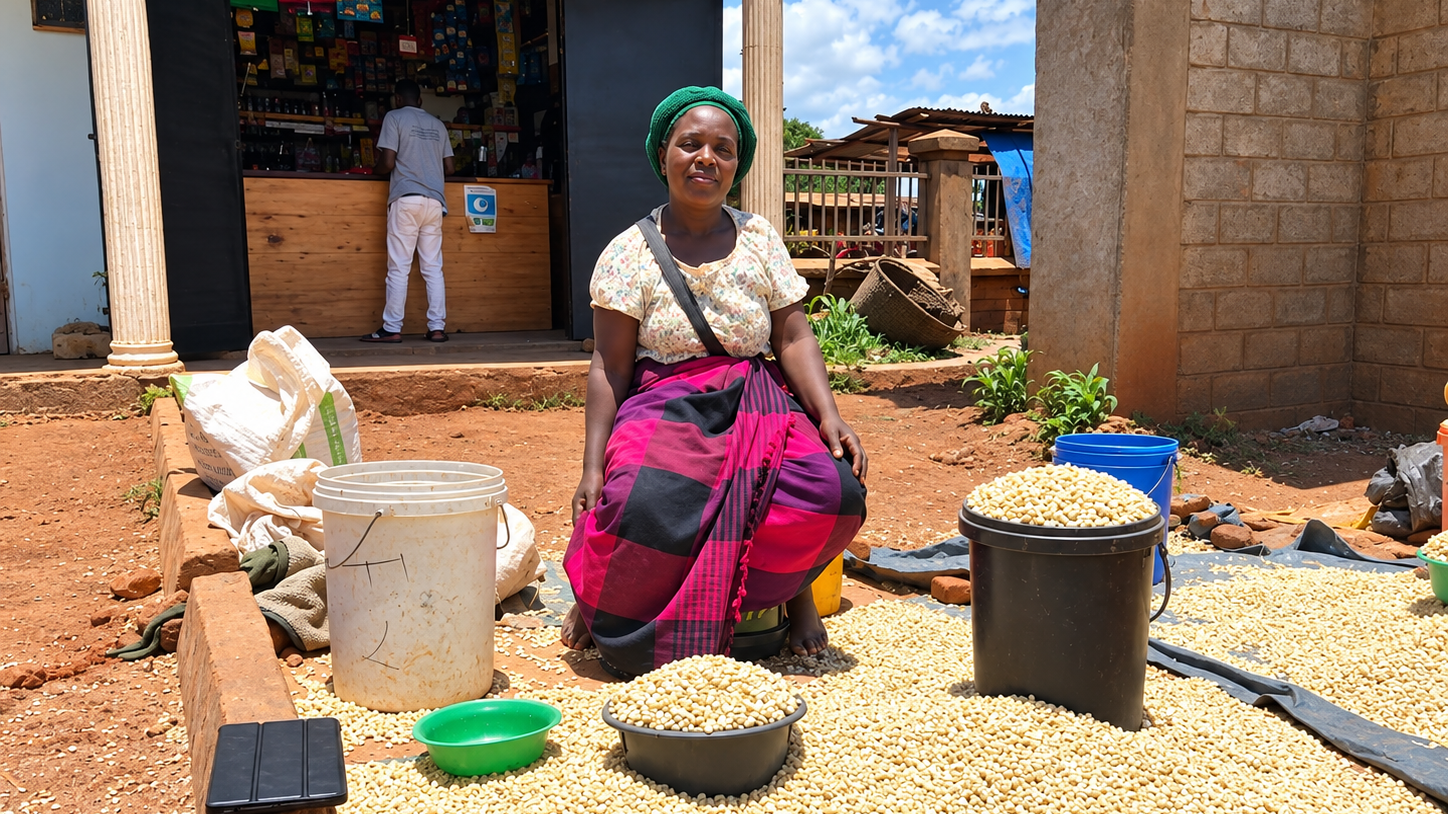
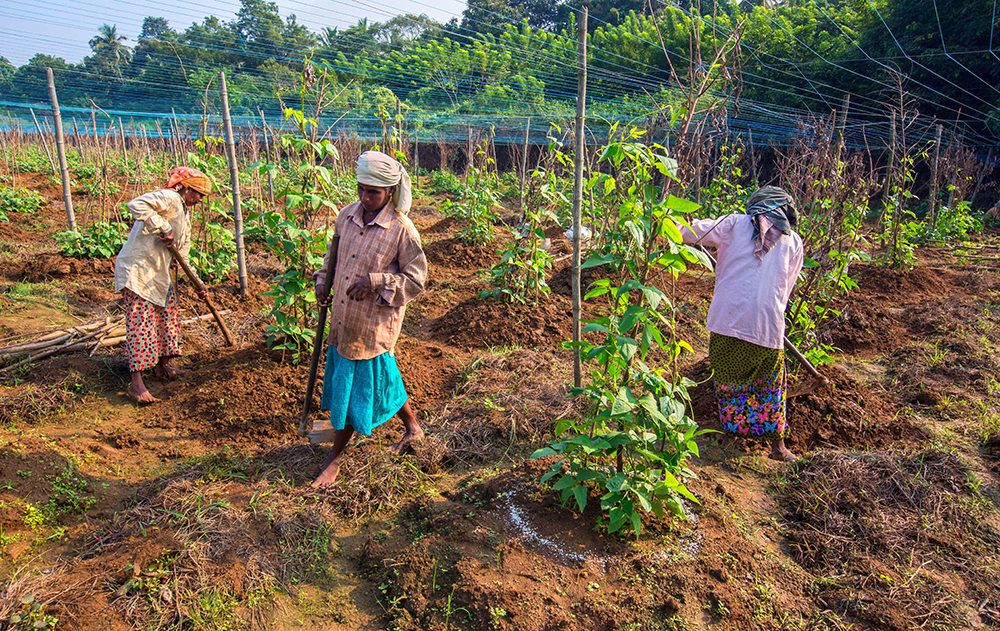
Agrifood systems play a critical role in economic development, poverty reduction, and nutrition improvement in low- and middle-income countries. Yet these systems face challenges from conflict, weather-related shocks, and political volatility that affect the prospects for equitable and sustainable growth. At the same time, rapid urbanization is reshaping patterns of food insecurity and elevating the importance of strong rural-urban linkages and decent off-farm jobs.
Foresight and Policy Modeling
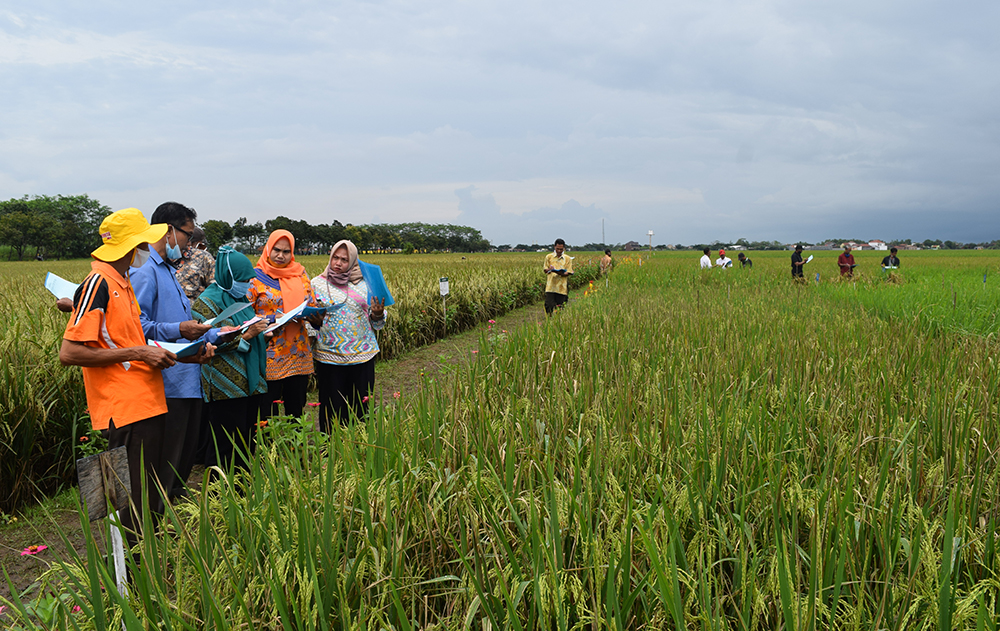
Agrifood systems today are increasingly interconnected, but their future is less certain than ever before. Decision-makers — both public and private — need advance information to understand the growing complexity of these systems, navigate climate uncertainty and frequent crises, and manage trade-offs between competing interests and development goals.
Markets, Trade, and Institutions
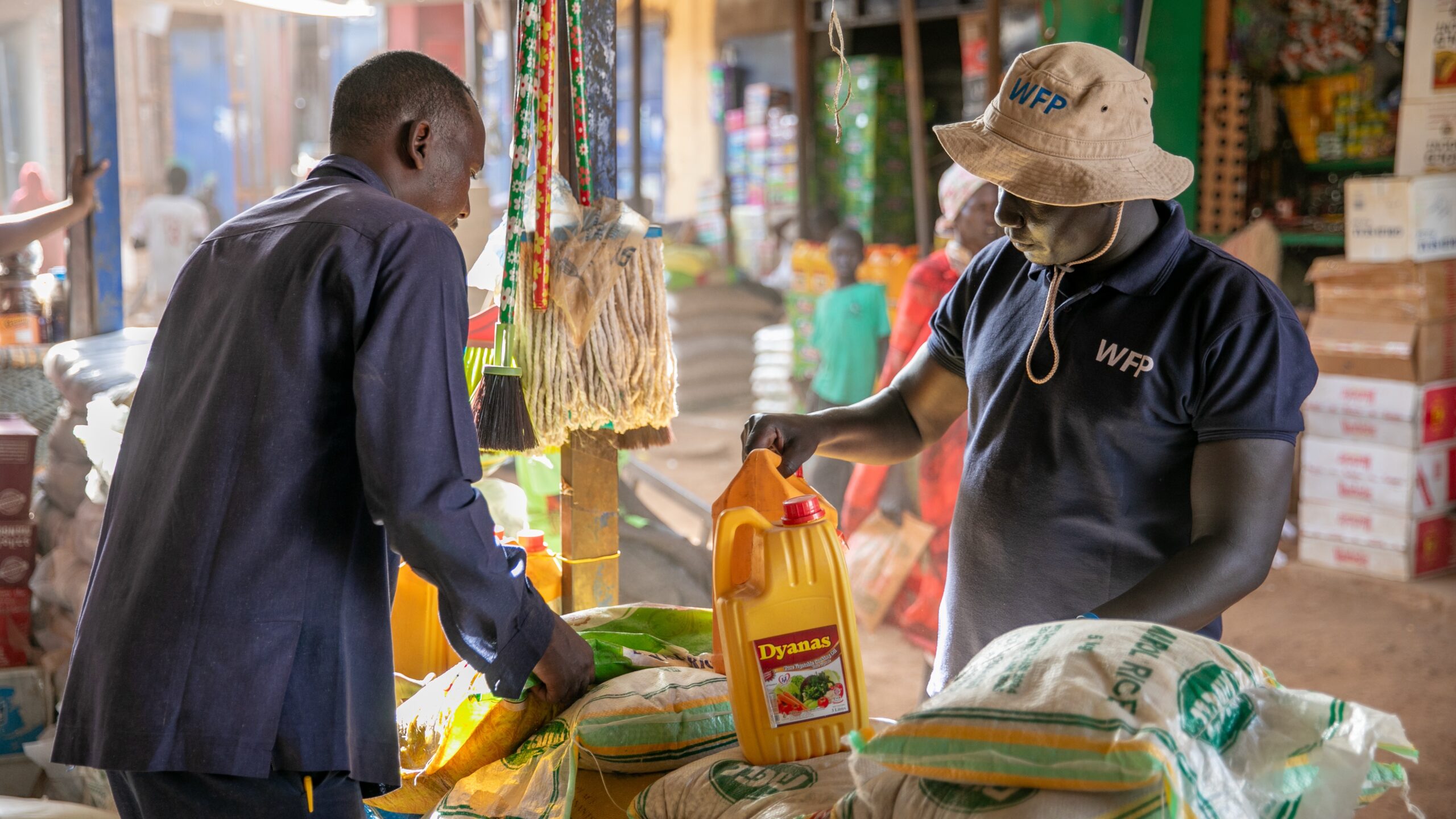
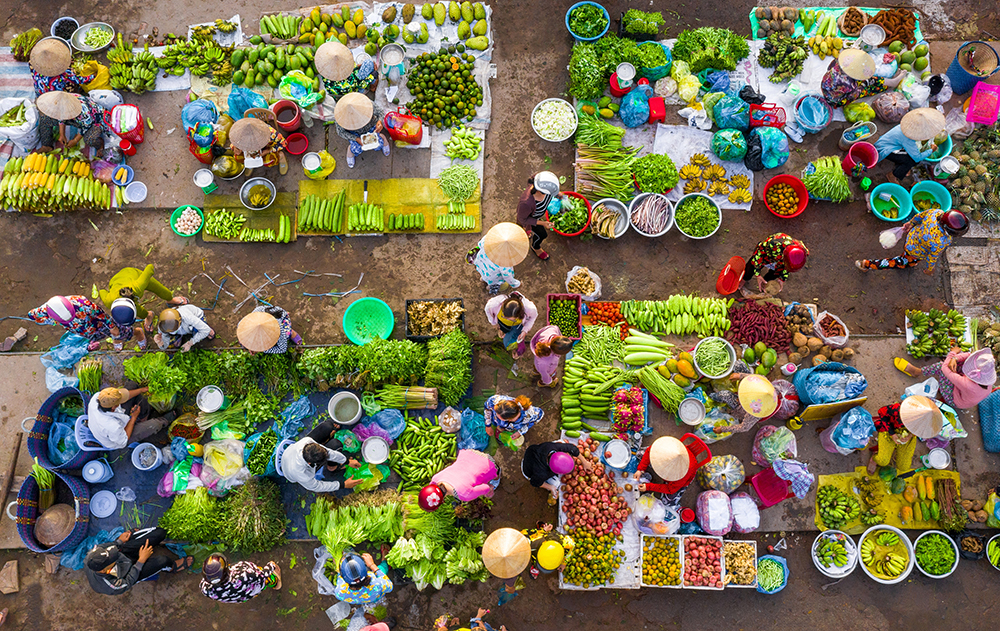
Drastic changes in the functioning of food markets are needed to achieve food security and adequate nutrition for all people, as well as contributing to poverty reduction and environmental sustainability.
Nutrition, Diets, and Health
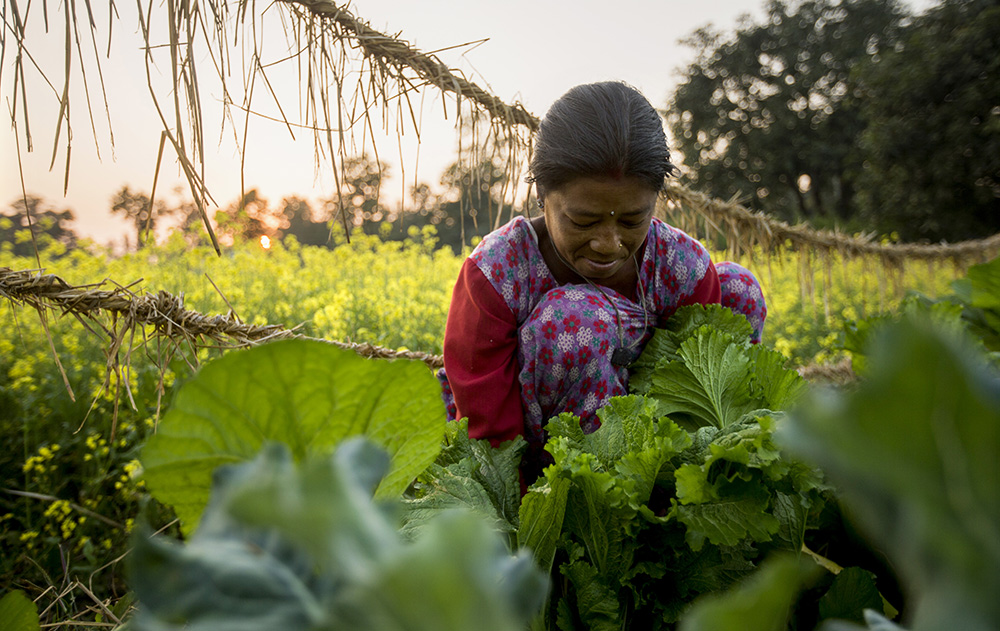
Poor diets are a primary cause of malnutrition and the leading cause of disease worldwide. Improving diets and addressing nutrition and health issues can improve people’s quality of life, increase their productivity, and save an estimated one in five lives annually.
Poverty, Gender, and Inclusion
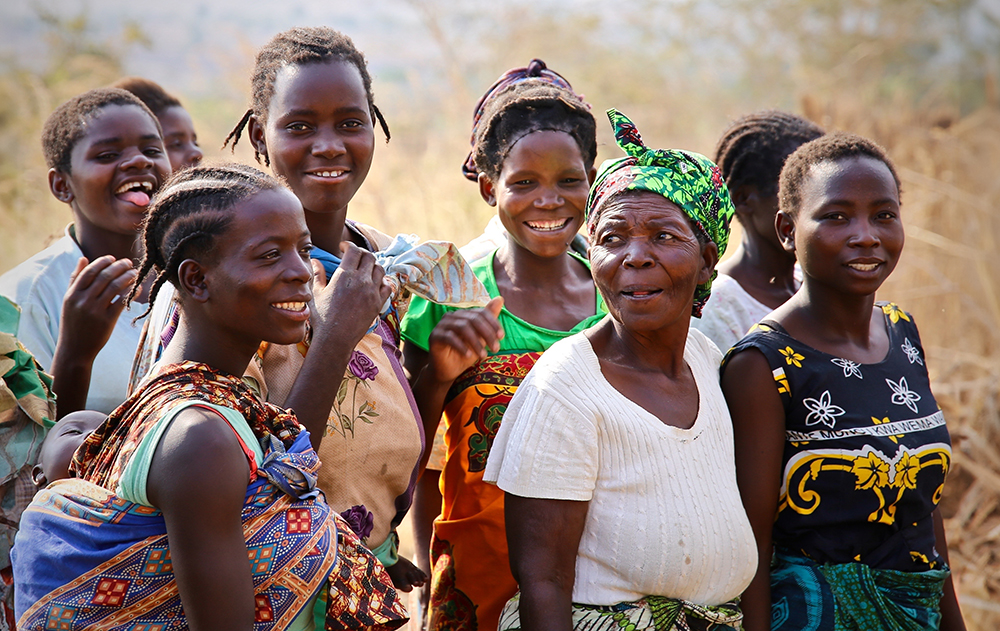
Improving access to resources and increasing participation and empowerment within agrifood systems is essential for improving well-being and livelihoods as well as increasing resilience of poor populations, particularly women and other vulnerable groups.
Search Our Publications
Essential Reading
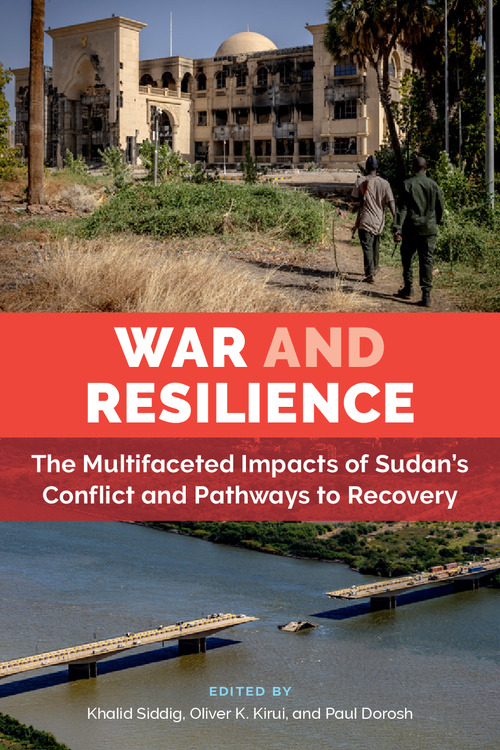
War and resilience: The multifaceted impacts of Sudan's conflict and pathways to recovery
Global food policy report 2025: Food policy: Lessons and priorities for a changing world