





Key takeaways
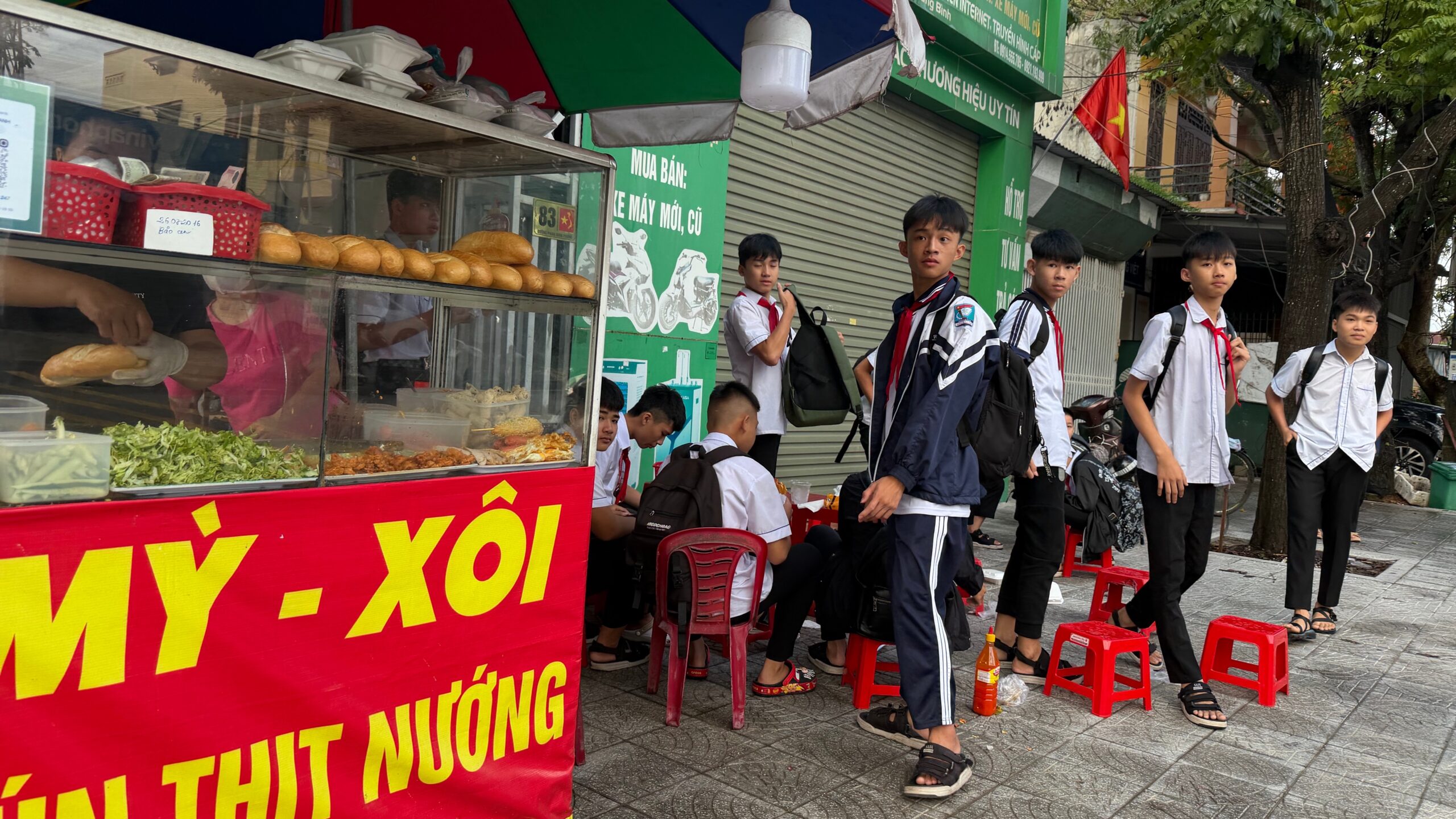
- Most adolescents in Viet Nam eat food prepared outside the home, survey data show, especially for breakfast and snacks.
- The nutrition effects of these foods are nuanced. They increase unhealthy fat and sodium intake but also provide key vitamins and minerals.
- Food environments shape what adolescents eat. Healthier food options and stronger nutrition policies can improve diets.
Second in a series. Read the first post here.
Adolescence is a pivotal period for nutrition and health when young people begin to make more of their own decisions about what, where, and when to eat. Across low- and middle-income countries, adolescent development is now occurring alongside rapid changes in food environments—the places where people purchase and consume food—driven mainly by urbanization. These shifts often make unhealthy options such as ultra-processed snacks and other foods high in added sugar, saturated fats, and salt more convenient, affordable, and desirable.
In this blog series, researchers from the CGIAR Science Program on Better Diets and Nutrition explore how food environments in Viet Nam, Ethiopia, and Ghana shape adolescent diets and what actions are needed to support healthier choices during this critical stage of life.
This post focuses on foods prepared outside the home in Viet Nam, exploring the role of food environments in shaping adolescents’ diets.
Whether grabbing a snack at a neighborhood stall or picking up lunch at the school canteen, eating food prepared outside the home is part of daily life for many adolescents around the world. In Viet Nam, ready-to-eat prepared foods are widely available, offering easy, low-cost options for young people exercising their growing independence. While such foods are often assumed to contribute to poor diets, their implications for adolescents’ diets and nutrient intakes remain unclear.
To address this gap, researchers from IFPRI, Wageningen University & Research in the Netherlands, and Viet Nam’s National Institute of Nutrition set out to answer two questions. First, how important are foods prepared outside the home in Vietnamese adolescents’ diets across different settings? Second, how healthy are these foods—do adolescents who eat more food outside the home have less healthy diets?
Published in the Journal of Nutrition, our study draws on 24-hour dietary recall data from nearly 3,000 adolescents aged 11-19 across rural, peri-urban, and urban areas in northern Viet Nam, collected between December 2022 and June 2023.
Foods prepared outside the home are a regular part of adolescent diets, especially at breakfast and snack time
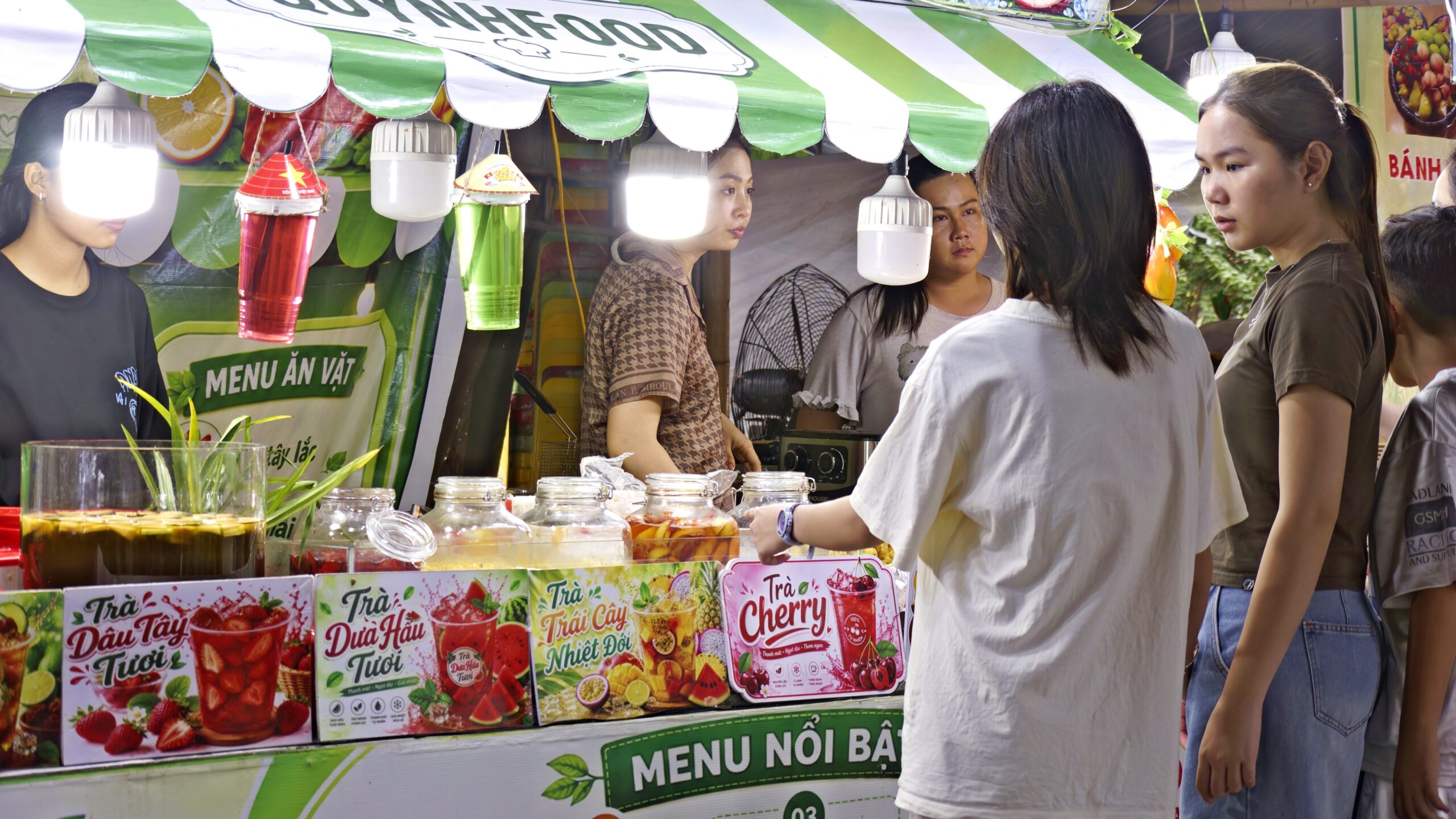
More than 80% of adolescents reported eating foods prepared outside the home on the previous day, accounting for approximately one quarter of their total daily energy intake: mainly deep-fried foods, processed meats, sugar-sweetened beverages, sweets, and high-fat dairy products. Girls, adolescents from wealthier households, and those who received pocket money were more likely to eat food prepared outside the home. However, characteristics associated with greater out-of-home food consumption varied across settings, highlighting the importance of context in shaping adolescents’ engagement with food environments.
A nutritional trade-off: Eating more food outside the home contributes to less healthy diets, but higher micronutrient intake
Unsurprisingly, adolescents who ate more food prepared outside the home tended to have poorer diets higher in total fat, saturated fat, and sodium, potentially raising their risks of overweight, obesity, and noncommunicable diseases.
Remarkably, however, this same group was also more likely to get enough essential vitamins and minerals. Looking into this more closely, we found that foods prepared outside the home often contain more calcium, folate, and vitamin B12 than those prepared at home.
How can the same foods be less healthy, yet contain more nutrients? The answer lies in the composition of common foods in Viet Nam. Items like banh mi sandwiches (containing processed and red meats) and milk-based drinks (made with whole milk) provide essential vitamins and minerals like iron, zinc, and vitamin B12. But these foods are also high in salt, fats, and sugar.
Implications for food environment policy
Our findings show that direct exposure to the food environment can undermine adolescent nutrition, pointing to the need for policies that improve the nutritional content of foods adolescents rely on while reducing unhealthy components.
In the Vietnamese context, priority actions include:
- Reformulating commonly consumed products, particularly milk-based drinks, to reduce added sugars and unhealthy fats; and possibly reducing or eliminating cured meat in prepackaged sandwiches.
- Improving the nutritional quality of popular prepared foods by encouraging the use of ingredients including whole-grain breads, leaner protein sources than deli meats, and vegetables.
- Introducing mandatory front-of-package labels to help adolescents identify unhealthy foods (e.g., highly processed foods that are high in sugar, saturated fat, and sodium).
- Restricting the marketing and sale of unhealthy foods, including digital marketing that increasingly reaches adolescents through social media.
- Promoting healthier diets through behavior change communication strategies tailored to adolescents’ preferences and media habits.
- Engaging adolescents, parents, and the community in effective nutrition education.
These actions are most likely to be effective when implemented as a package and tailored to local contexts.
Supporting healthier diets during adolescence
Given that foods prepared outside the home are a major part of adolescent diets, policies should make nutritious options more accessible and appealing, while also nudging adolescents toward healthier choices. Combining food environment policies with efforts to promote healthy behaviors can help adolescents establish lifelong habits that support better health and nutrition.
Gabriela Fretes is a Research Fellow with IFPRI’s Nutrition, Diets, and Health (NDH) Unit; Phuong Hong Nguyen is an NDH Senior Research Fellow; Soyra Gune is a PhD Student, University of California, Berkeley; Kim Maasen is an Assistant Professor, Global Nutrition, Wageningen University & Research (WUR), the Netherlands; Elise Talsma is a WUR Associate Professor, Global Nutrition; Mai Tuyet Truong is Vice Director, National Institute of Nutrition (NIN), Viet Nam; Nga Thu Hoang is with the NIN Department of Nutrition and Non-Communicable Diseases; Inge D. Brouwer is Director of the CGIAR Better Diets and Nutrition Science Program; Marie Ruel and Jef L. Leroy are NDH Senior Research Fellows. Opinions are the authors’.
We would like to thank all funders who supported this research through their contributions to the CGIAR Trust Fund.
Reference:
Fretes, Gabriela; Nguyen, Phuong Hong; Gune, Soyra; Maasen, Kim; Talsma, Elise F.; et al. 2026. Food on the go: How engagement with the food environment affects adolescent diets in northern Vietnam. Journal of Nutrition 156(9): 101691. https://doi.org/10.1016/j.tjnut.2026.101691