How are the production practices of vegetable farmers in Odisha transforming?
Agricultural transformation and smallholder commercialization are accompanied and driven by deepening integration of farmers into input markets and associated technological change. This project note examines two related questions: (1) How do households enter commercial vegetable cultivation? (2) How have technologies used to produce vegetables changed over time? The following key findings stand out:
Vegetable farming in Odisha is a long-standing activity. Most farmers entered vegetable cultivation over 20 years ago, with expansion accelerating 20–30 years back as markets deepened. Fewer than one in five respondents are first-generation vegetable farmers.
Entry into vegetable farming is primarily self-financed. Over 80% of farmers required startup capital to purchase inputs or make plot modifications such as land levelling. These investments were funded mainly through agricultural earnings, migration income, or non-farm earnings. Self-help groups are also an important source of finance for these investments.
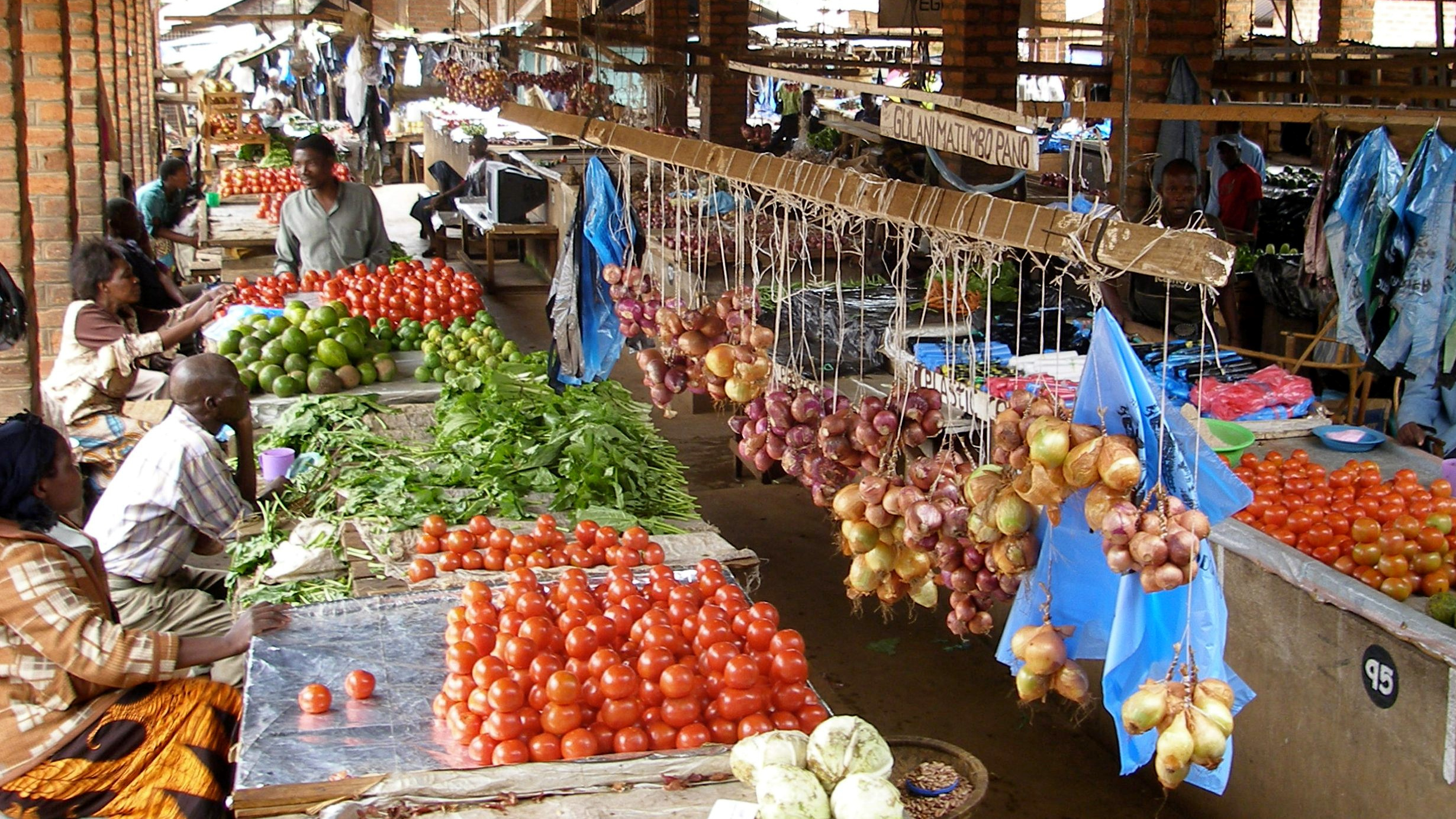
Subsistence coexists with commercialization. Most farmers were partly motivated to start producing vegetables for home consumption, but virtually all sell some of what they produce. Marketed surpluses of vegetables have risen gradually, to reach over 70% by 2025, without displacing household self-provisioning, and own production accounts for around half of farmers’ vegetable consumption.
Crop portfolios are both concentrated and diverse. Production is dominated by a small set of “commodity vegetables” (most importantly tomato and brinjal), alongside a wide array of niche crops grown by smaller numbers of farmers.
Recent contraction in crop diversity and off-season production signals rising climate stress. The share of household growing vegetables in multiple seasons, and the number of crops produced per farm has fallen slightly, consistent with increasing climate stress and perhaps reflecting competitive pressures from out of state vegetable producers.
Adoption of productivity enhancing agricultural technologies is at a transitional stage. Hybrid vegetable seed, inorganic fertilizers, pesticides, and mechanized land preparation are widely adopted, but adoption of more advanced technologies that could give rise to greater commoditization (e.g. seed trays, seedlings purchased from nurseries, plastic mulch, drip irrigation, drones) remains low. Adoption of environmentally friendly inputs such as vermicompost, organic pesticides, and insect traps is limited.
Technology adoption is shaped by clustering and scale. Uptake of inputs, mechanization, and post-harvest handling tends to be greater in areas with high concentrations of vegetable production and among larger farms, reflecting agglomeration effects and access to service markets.
Expansion of irrigation access has been a critical catalyst for smallholder vegetable commercialization. The number of irrigated parcels of land operated by surveyed households has grown 74 percent since 1980, with irrigation accelerating sharply after 2010. Improving access to irrigation post-2010 has spurred entry into vegetable cultivation and simultaneous adoption of a complementary bundle of productivity enhancing technologies.
Vegetable cultivation relies heavily on private investments in irrigation, particularly open wells and borewells. Government irrigation schemes have been targeted primarily toward rice. Although more than half of irrigated parcels of land are served by government irrigation and the number of parcels with access to government irrigation has grown 35 percent in the past 15 years, the expansion of private irrigation provision has been almost twice as fast, growing 67 percent in the same period.
Authors
Belton, Ben; Narayanan, Sudha; Anowar, Md Sadat; Khan, Asrual; Islam, Mir Raihanul
Citation
Belton, Ben; Narayanan, Sudha; Anowar, Md Sadat; Khan, Asrual; and Islam, Mir Raihanul. 2026. How are the production practices of vegetable farmers in Odisha transforming? INCATA Project Note 4. Washington, DC: International Food Policy Research Institute. https://hdl.handle.net/10568/181760
Keywords
Asia; Southern Asia; Agricultural Production; Vegetables; Farmers; Agricultural Transformation; Smallholders