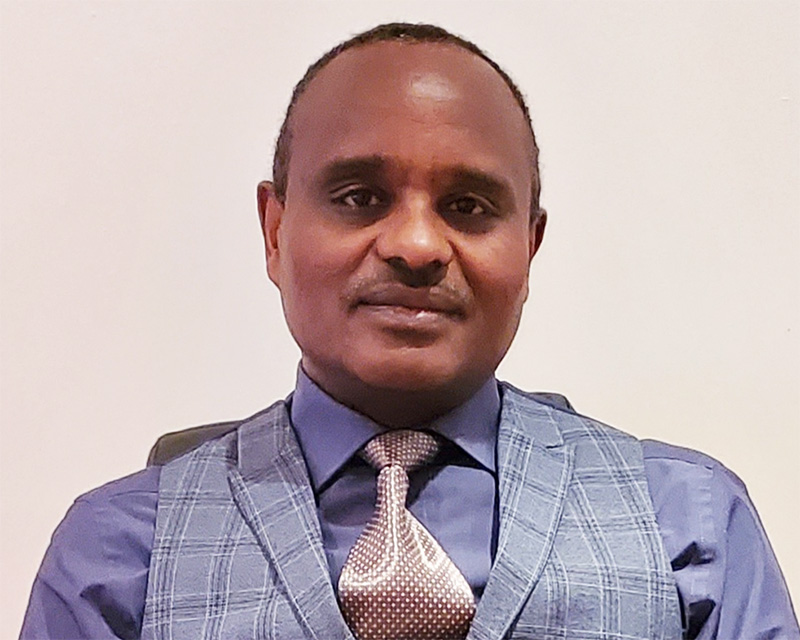
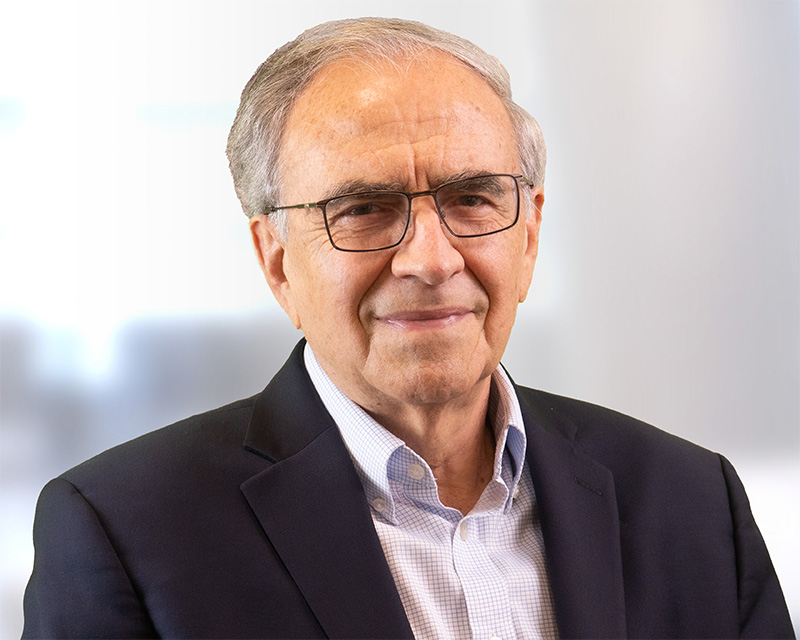
Claudia Ringler
Director, Natural Resources and Resilience (NRR), Natural
Resources and Resilience

Back
With research staff from more than 70 countries, and offices across the globe, IFPRI provides research-based policy solutions to sustainably reduce poverty and end hunger and malnutrition in developing countries.

researcher spotlight
Lily Bliznashka is a Research Fellow in the Nutrition, Diets, and Health Unit. Her research focuses on assessing the effectiveness of multi-input nutrition-sensitive and nutrition-specific interventions and the mechanisms through which they work to improve maternal and child health and nutrition globally. She has worked in Burkina Faso, Burundi, Tanzania, and Uganda.

Back
Since 1975, IFPRI’s research has been informing policies and development programs to improve food security, nutrition, and livelihoods around the world.

Back
IFPRI currently has more than 480 employees working in over 70 countries with a wide range of local, national, and international partners.
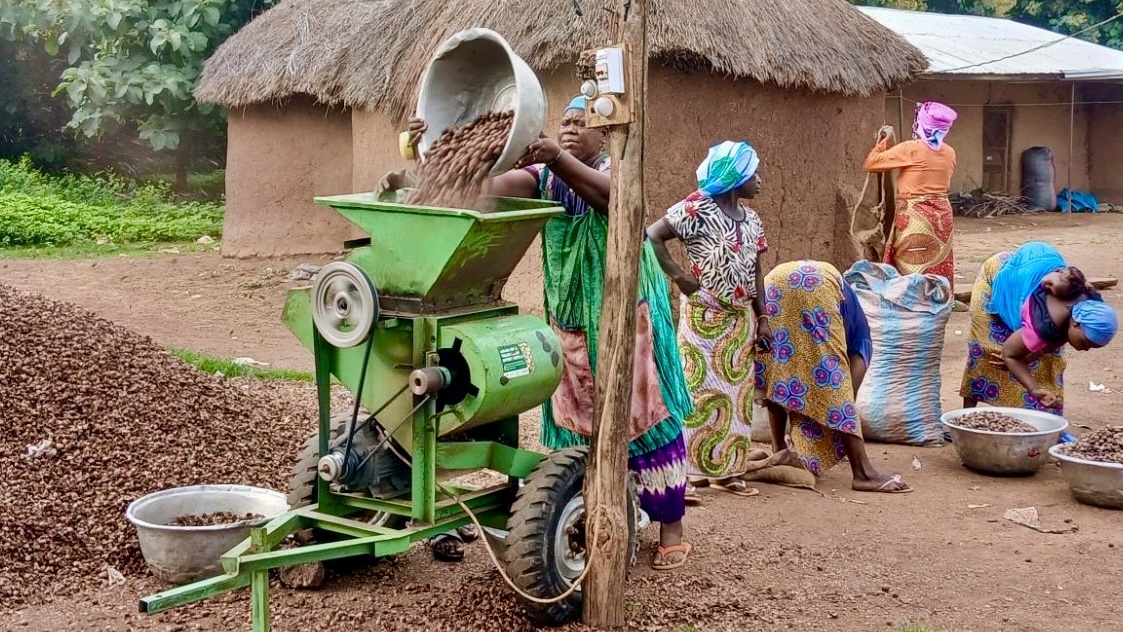
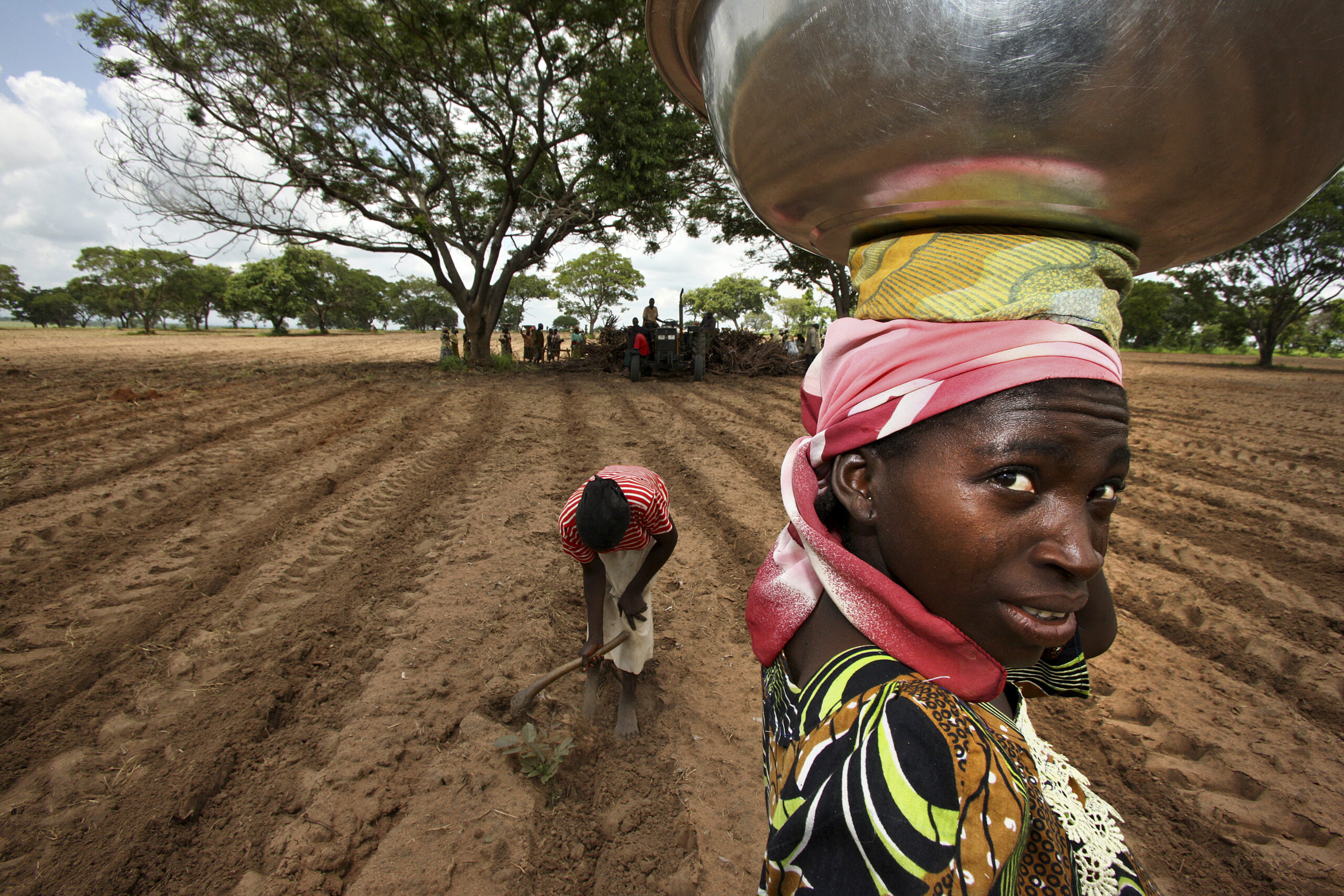
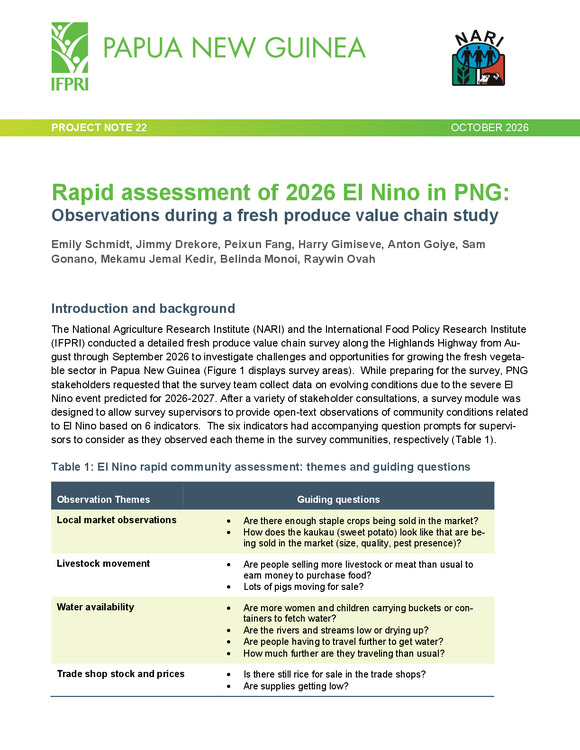
Sustainable food production is critical to meeting growing global food needs amid climate change and natural resource scarcity. It is also the starting point for a shift toward sustainable, equitable food systems. But in many developing countries, underinvestment in agricultural production means that productivity and farmer incomes remain low, with negative impacts on rural development. Lack of knowledge, capital, labor, or other resources can lead to degradation of the natural resources that support agricultural production. As a result, food production is vulnerable to natural and socioeconomic shocks.
Evidence shows that sound and sustained investment in agriculture, especially in research and development, is key to increasing agricultural productivity, reducing poverty, and fostering economywide growth. Yet many developing countries give little consideration to agricultural science and technology in their national development plans.
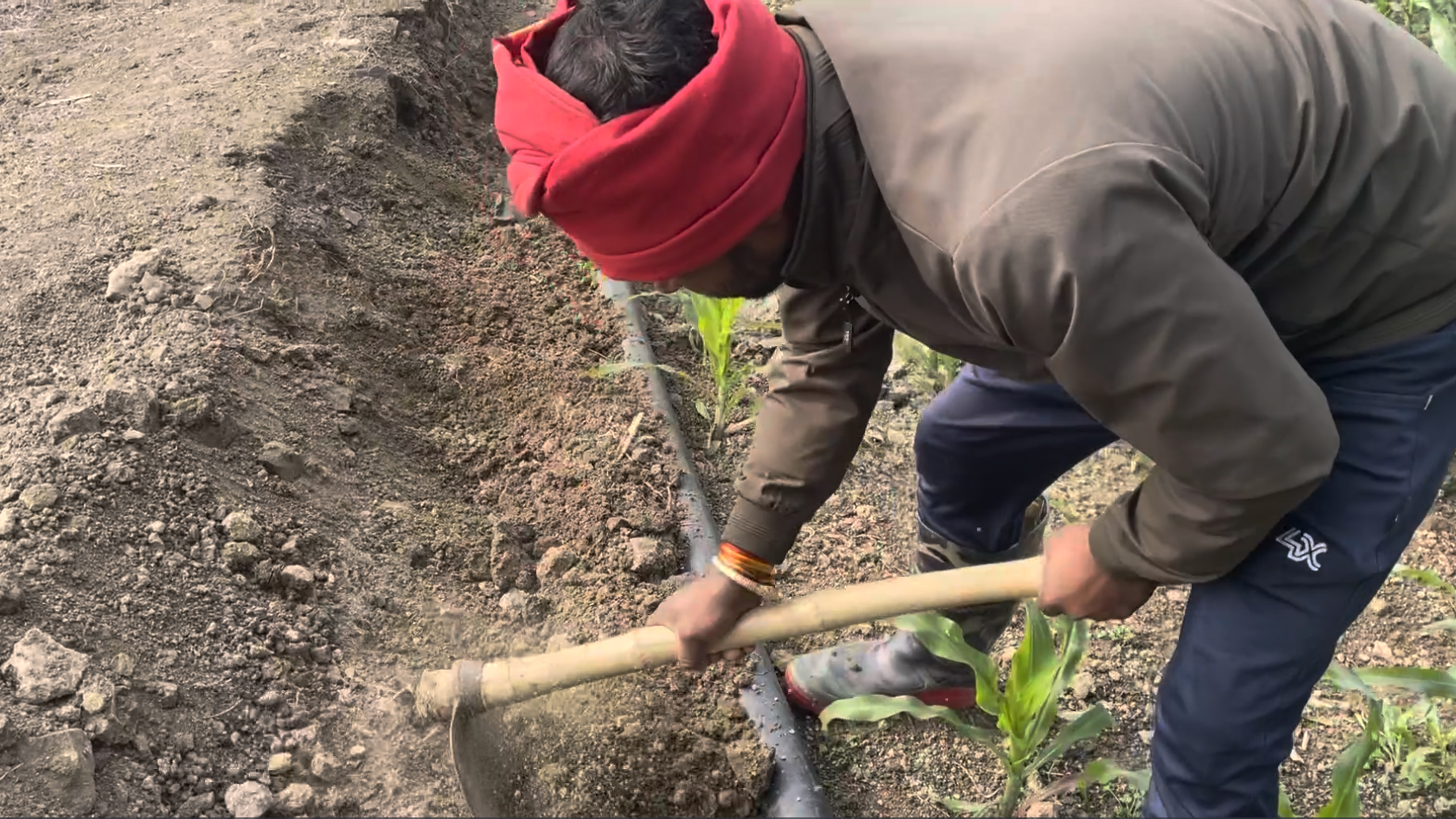
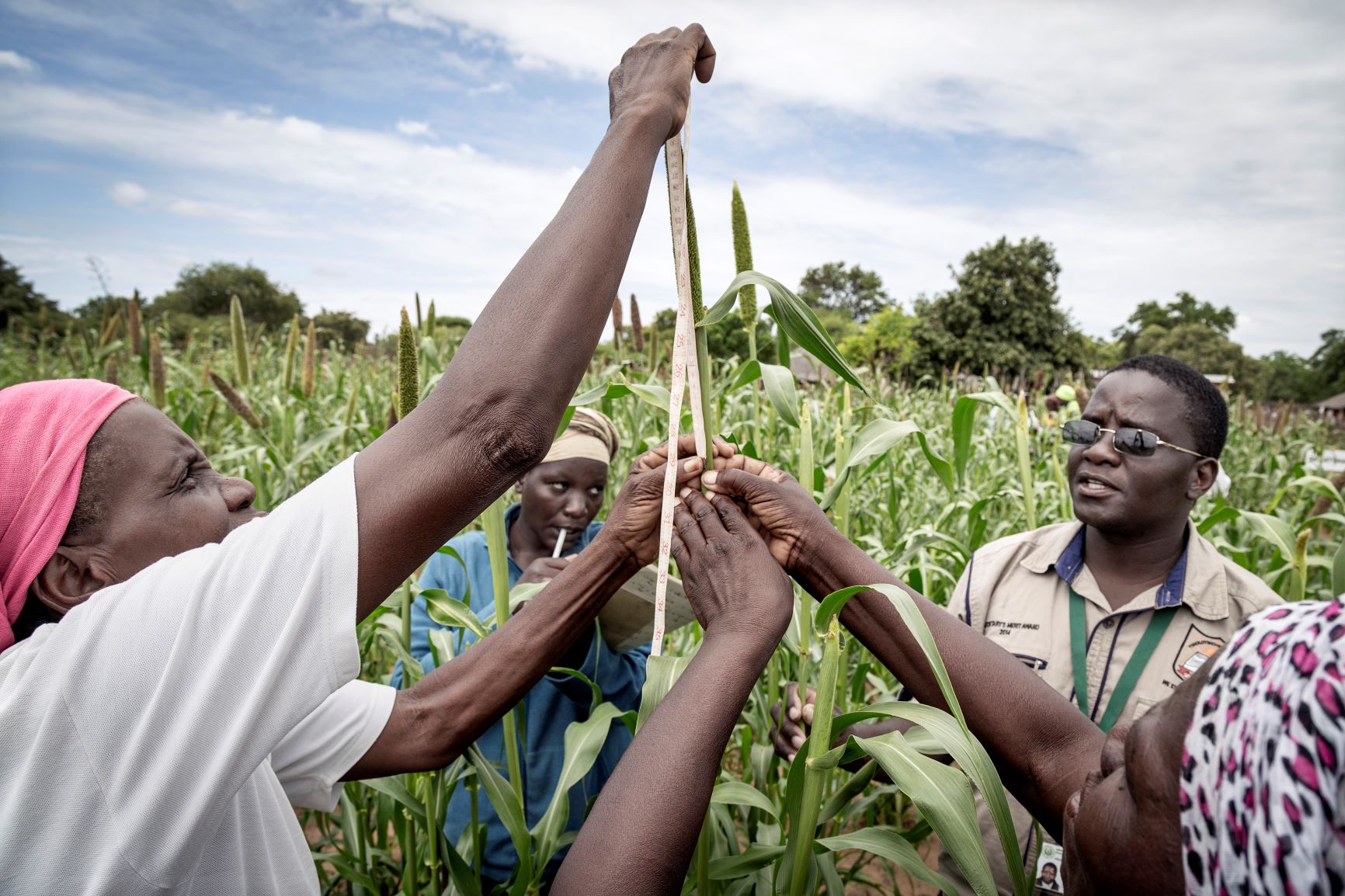
IFPRI’s research examines emerging technologies and policy innovations designed to meet global food needs sustainably and equitably. Our researchers consider innovations in natural resource management, climate and energy policies, mechanization and digital options, biosafety systems for biotechnology, agricultural diversity, property rights, and collective action that can lead to improved food production and sustainability.
With proven innovations in hand, improvements in agricultural extension can lead to greater adoption of productivity-enhancing technologies. Work on nutrition and value chain development can help to build demand for diverse agricultural products. IFPRI’s foresight research helps to identify future threats to food production and security and ensure that scarce budgetary resources are directed toward sustainable development investments that achieve the greatest impact.
IFPRI’s agriculture production research is closely aligned with the Sustainable Development Goals (SDGs), including SDG 1, SDG 2, SDG 7, SDG 8, SDG 10, SDG 13, and SDG 15. It also aligns with the CGIAR Impact Areas on Climate Adaptation and Mitigation; Environmental Health and Biodiversity; Nutrition, Health, and Food Security; and Poverty Reduction, Livelihoods, and Jobs.


Journal Article
Report

Working Paper

The Strait of Hormuz closure reverberates through the food system.

A challenging dynamic for Latin America and the Caribbean.

Supply chain disruptions reverberate.

As speech recognition and mobile data collection tools mature, increasing attention is turning to a critical next question: how can farmer-generated data be meaningfully used to inform research, programs, and policy? This session builds directly on earlier discussions of Automatic Speech Recognition (ASR) for agriculture by focusing on the applications, utility, and downstream impacts of […]

This year’s conference features academic research on land governance, land markets, and institutions, and their impact on economic growth and poverty reduction, structural transformation and resilience, private investment, and job creation. The conference also includes sessions on property taxation and urban development, equity and rights, land-related conflict and land policy’s links to climate resilience. A […]

International trade provides critical access to food, especially for countries that cannot cost-effectively produce enough domestically. If importing food is cheaper, why do so many countries keep protecting their own agricultural production, especially considering the core tenet of international trade that countries should specialize in producing goods in which they hold a comparative advantage? This […]
The global food system is uniquely vulnerable to climate impacts, making adaptation of paramount importance.
Senior research fellow and country representative, Akhter Ahmed writes in an op-ed for the Financial Express (Bangladesh) that the country “has witnessed substantial economic growth over the past decade, with an average annual gross domestic product (GDP) growth of 6.6 per cent between 2016 and 2022. Notably, the country experienced a 3.4 per cent increase in GDP in 2020, making Bangladesh one […]
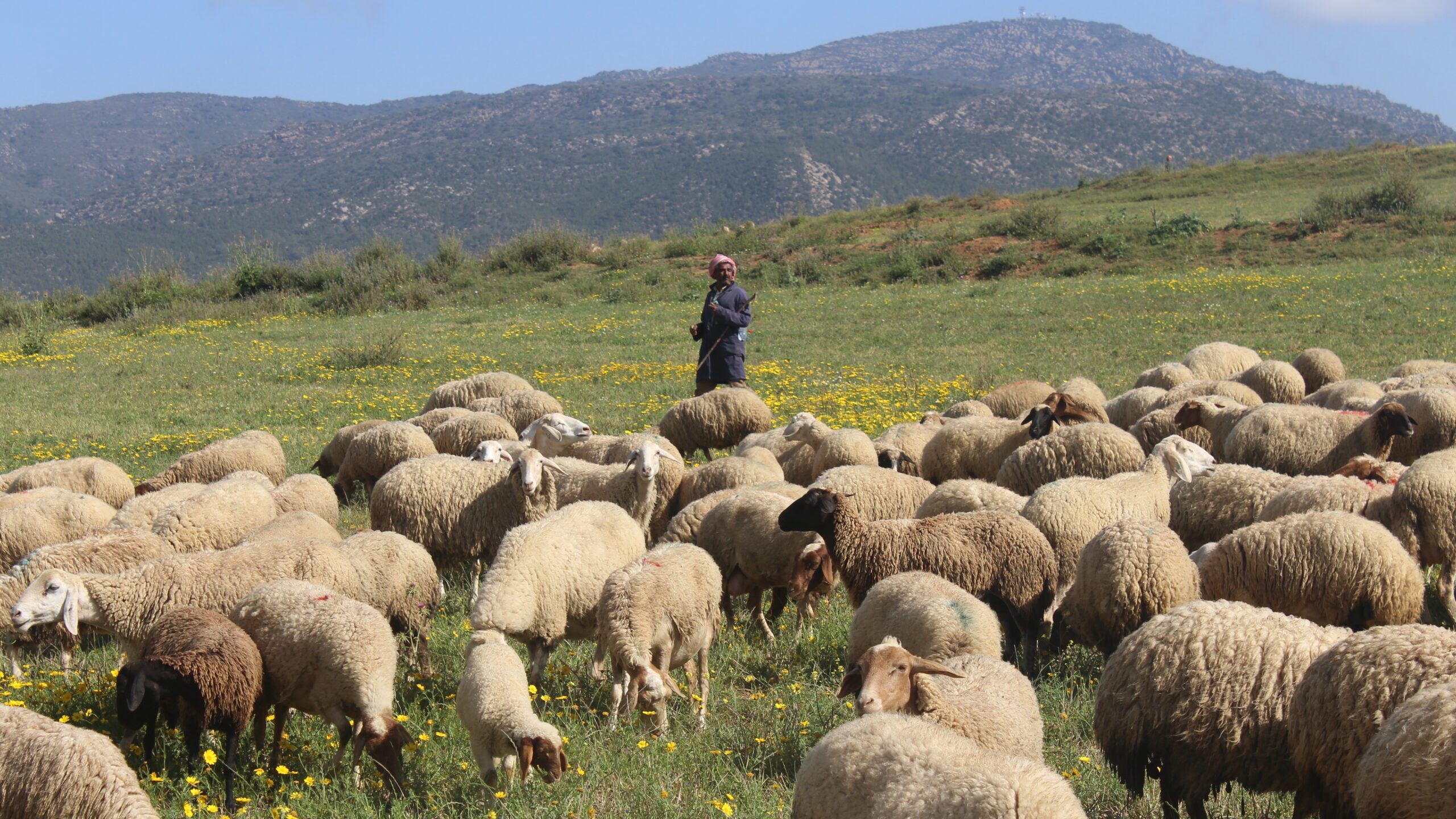
Wall Street Journal (Australia) quotes Keith Wiebe, IFPRI senior research fellow, in an article analyzing how heat waves and drought are threatening pasture on farms worldwide. “If pasture becomes less productive, prices would be expected to rise, not just for meat, wool and dairy products but also for cereals and other food commodities that would […]

Director, Natural Resources and Resilience (NRR), Natural
Resources and Resilience

Senior Research Analyst, Natural
Resources and Resilience

Senior Research Analyst, Natural
Resources and Resilience

Senior Research Fellow, Natural
Resources and Resilience

Research Analyst, Development
Strategies and Governance

Senior Research Fellow , Innovation
Policy and Scaling

Project Coordinator, Development
Strategies and Governance

Scaling Specialist, Innovation
Policy and Scaling

Program Head, Development
Strategies and Governance

Senior Program Manager, Innovation
Policy and Scaling

Visiting Senior Research Fellow, Director
General's Office (DGO)

Nonresident Fellow, Development
Strategies and Governance