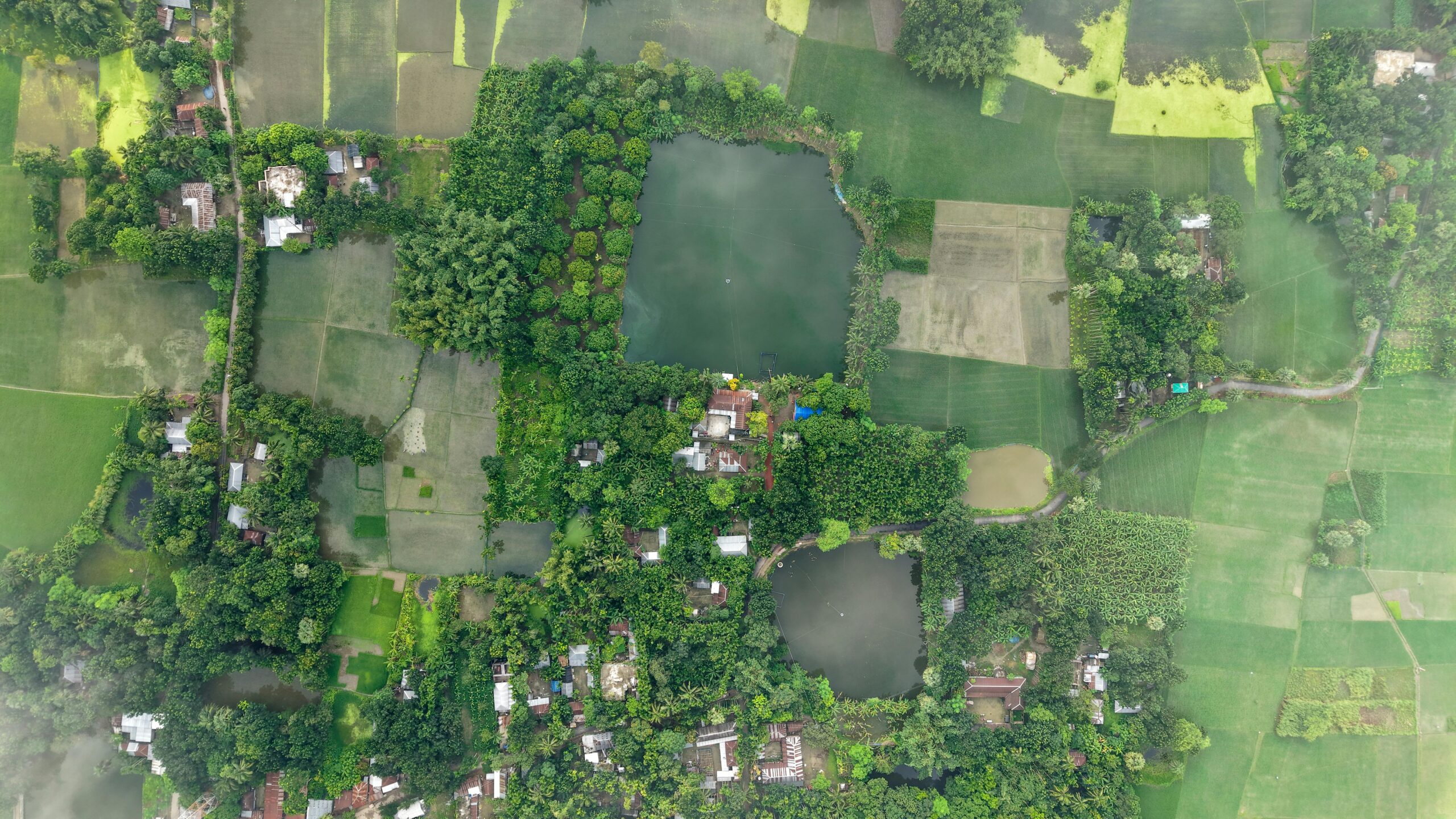
The world’s natural resources provide food, water, fuel, fiber, and many other ecosystem services to society. Agriculture and food systems depend on healthy ecosystems and natural resources, but these resources face rising pressure from unsustainable production practices, population growth, and climate change. Additionally, food systems account for one-third of all greenhouse gas (GHG) emissions, consume an estimated 85 percent of global freshwater withdrawals, and drive the loss of biodiversity and natural ecosystems.
Natural ecosystems, such as wetlands and tropical forests, are declining in quality and functioning, due to population growth, climate change, and poor management. Desertification, deforestation, overgrazing, salinization, soil erosion and biodiversity loss are on the rise, especially in low-income countries, with major impacts on the ecosystems underlying agrifood systems. The deterioration in vital natural resources and ecosystem services—from fertile soil to freshwater streams—has devastating impacts on the poor, who rely on these resources for much of their livelihoods, food, fuel, and clean water.
… read more
Current research
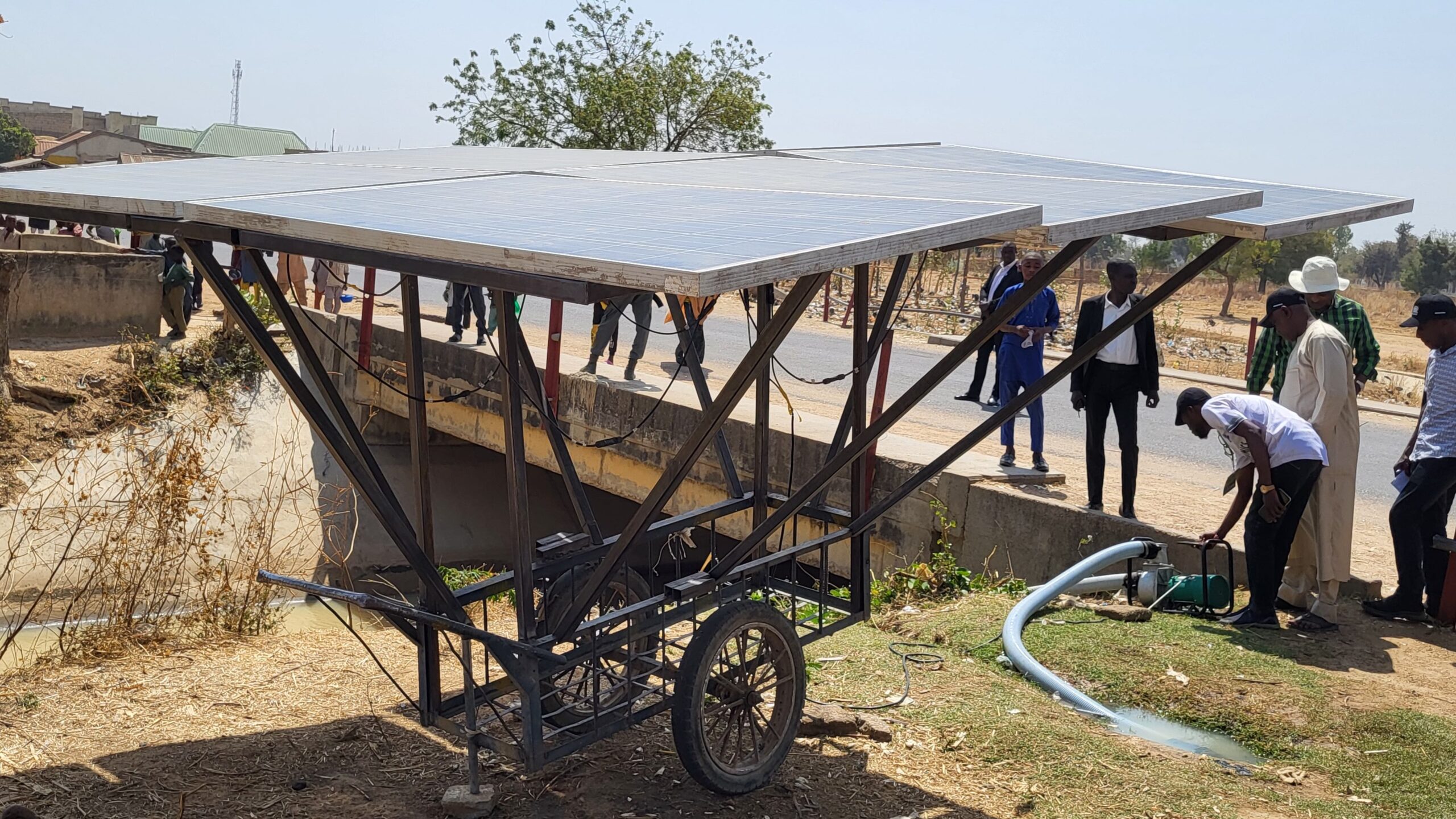
IFPRI conducts research on the incentives and institutions affecting the sustainable management of natural resources underlying agrifood systems and on the economics of ecosystem services and biodiversity. Work at the global and river basin level examines ways to reduce trade-offs in achieving goals for sustainable water, energy, and food security. This research is complemented by the development of policy innovations that can promote nature-based or nature-positive solutions, reduce costly and environmentally harmful practices, halt the loss of critical natural habitats or carbon sinks, and increase the use of clean energy.At the local level, IFPRI partners with NGOs and rural communities to design and test behavioral change interventions to strengthen collective action and self-governance. Participatory action research such as Living Labs for People that supports locally driven multi-actor innovation processes and transformative change can help empower women and vulnerable people most affected by resource scarcity and degradation in decision-making that affects their livelihoods.
IFPRI’s research on this topic is closely aligned with the Sustainable Development Goals (SDGs), including SDG 1, SDG 2, SDG 12, and SDG 15, and the CGIAR Impact Areas on Climate Adaptation and Mitigation; Environmental Health and Biodiversity; and Poverty Reduction, Livelihoods, and Jobs.