




Background
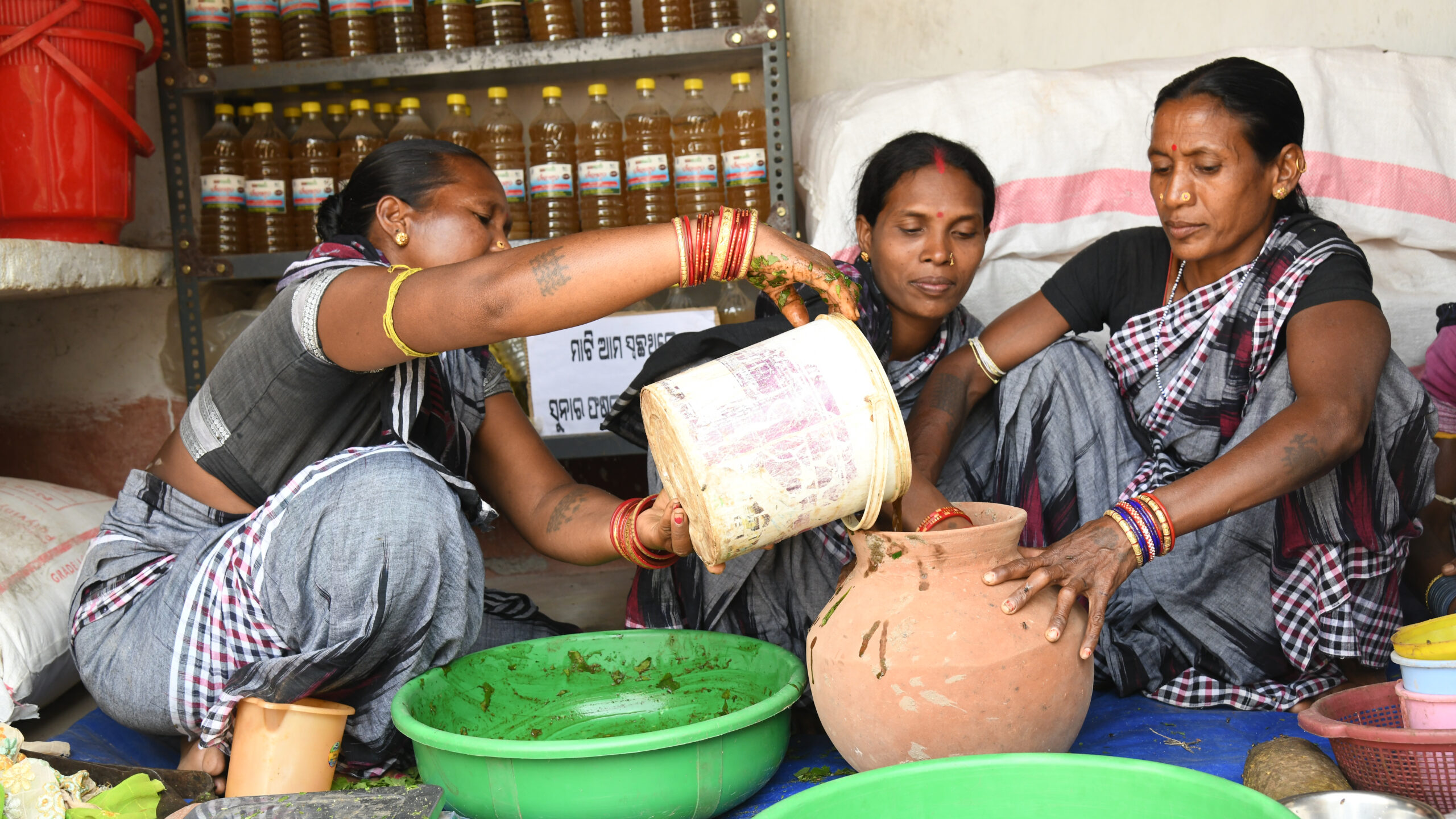
The project “Ensuring Inclusiveness, Sustainability, and Efficiency of Food System Transformation in the ASEAN and BIMSTEC Countries – (ATMI-II)” responds to the rapid transformation of agri-food systems across selected Association of Southeast Asian Nations (ASEAN) and Bay of Bengal Initiative for Multi-Sectoral Technical and Economic Cooperation (BIMSTEC) member states. These countries face significant development challenges, including persistent rural poverty, inequality across socio-economic groups, and high vulnerability to climate change and natural disasters. As agricultural markets become more integrated regionally and globally, concerns have intensified regarding inclusiveness, particularly the participation of smallholder farmers, women, and youth in value chains, markets, and policy processes.
Building on the achievements of ATMI-I, ATMI-II expands both its geographic and thematic scope to include countries from both ASEAN and BIMSTEC, namely Bangladesh, Bhutan, India, Nepal, the Philippines, Thailand, and Vietnam. The Project adopts a regional and policy-oriented approach, working directly with governments and the ASEAN and BIMSTEC Secretariats to strengthen institutional capacity, promote evidence-based policymaking, and foster cross-country learning. The project is the first platform to bring ASEAN and BIMSTEC together under a single structured policy dialogue through the Network of Policy Advisors and Analysts (NePAA).
Goal and Objectives
ATMI-II builds on the strong foundation and lessons of its first phase, which delivered significant results in country-level and regional policy engagement across ASEAN. This second phase broadens that ambition by expanding the scope, deepening the analysis, and bringing BIMSTEC countries into a shared regional policy.
Goal: Strengthen the institutional capacity of selected ASEAN and BIMSTEC countries to develop and implement policies and sub-regional programmes in support of the integration of smallholders into sub-regional agricultural and food markets.
This goal will focus on the following objectives:
- Objective 1: Strengthening the capacity of the targeted countries to develop policies and programmes to support the adjustment of smallholder farming in transforming food systems.
- Objective 2: Embedding environment and climate considerations in policy decisions while promoting cooperation among the selected member states.
- Objective 3: Scoping out the possible effects of new and expanding market integration arrangements for the agri-food sectors.
About NePAA
The NePAA was initiated under the “ATMI-I”, an IFAD-funded project to foster sustained dissemination and uptake of research, capacity strengthening, and policy dialogue. Led by the International Food Policy Research Institute (IFPRI) and the Southeast Asian Regional Center for Graduate Study and Research in Agriculture (SEARCA), NePAA serves as a unique platform bringing together key stakeholders such as regional bodies, policymakers, academicians, farmer’s associations, and research professionals. It aims to facilitate collaboration, mobilize collective strengths, and provide evidence-based policy recommendations to the ASEAN and BIMSTEC, particularly advocating pro-smallholder agri-food system policies. NePAA will actively support capacity building, empirical policy analysis, and continuous knowledge exchange among ASEAN and BIMSTEC member states.
NePAA research, policy and capacity activities operate through two Thematic Working Groups (TWGs):
- TWG 1 – Agricultural Transformation: Examines how agri-food systems are evolving beyond traditional farming, with value increasingly generated off-farm through processing, logistics, and retail. The group focuses on value chain transformation, with emphasis on midstream and downstream segments such as agro-processing and integrated production-marketing hubs. It also looks at how transformation can be made inclusive for women, youth, and marginalized groups, and how it can embed climate resilience for long-term sustainability.
- TWG 2 – Trade and Market Integration: Examines how countries can strengthen their participation in regional and global value chains, with a focus on shifting from raw commodity exports toward processed and higher-value products. The group analyses key barriers to competitiveness including domestic trade costs and harmonization of standards. It also looks at how trade policy can be better aligned with agricultural transformation to capture greater value domestically, ensuring benefits reach smallholders and vulnerable communities.
For more information, please read our project brochure