Report

Back
With research staff from more than 70 countries, and offices across the globe, IFPRI provides research-based policy solutions to sustainably reduce poverty and end hunger and malnutrition in developing countries.

researcher spotlight
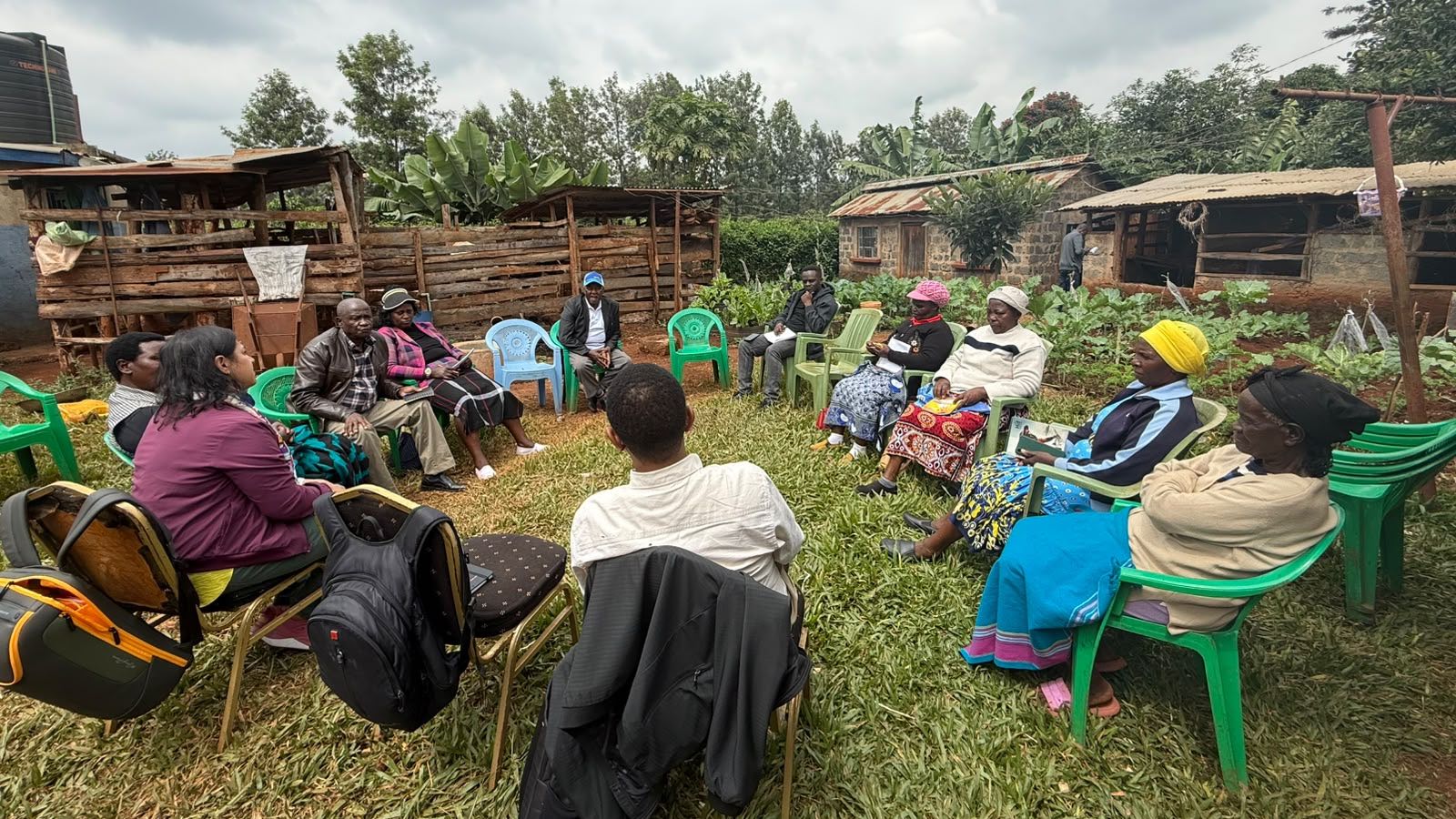
Kinya Kaibung’a is a Research Officer with the Development Strategies and Governance Unit, based in Nairobi, Kenya. She has a keen interest in leveraging machine learning, AI, and other cutting-edge technologies to boost climate resilience and food security in smart agriculture systems.

Back
Since 1975, IFPRI’s research has been informing policies and development programs to improve food security, nutrition, and livelihoods around the world.

Back
IFPRI currently has more than 480 employees working in over 70 countries with a wide range of local, national, and international partners.
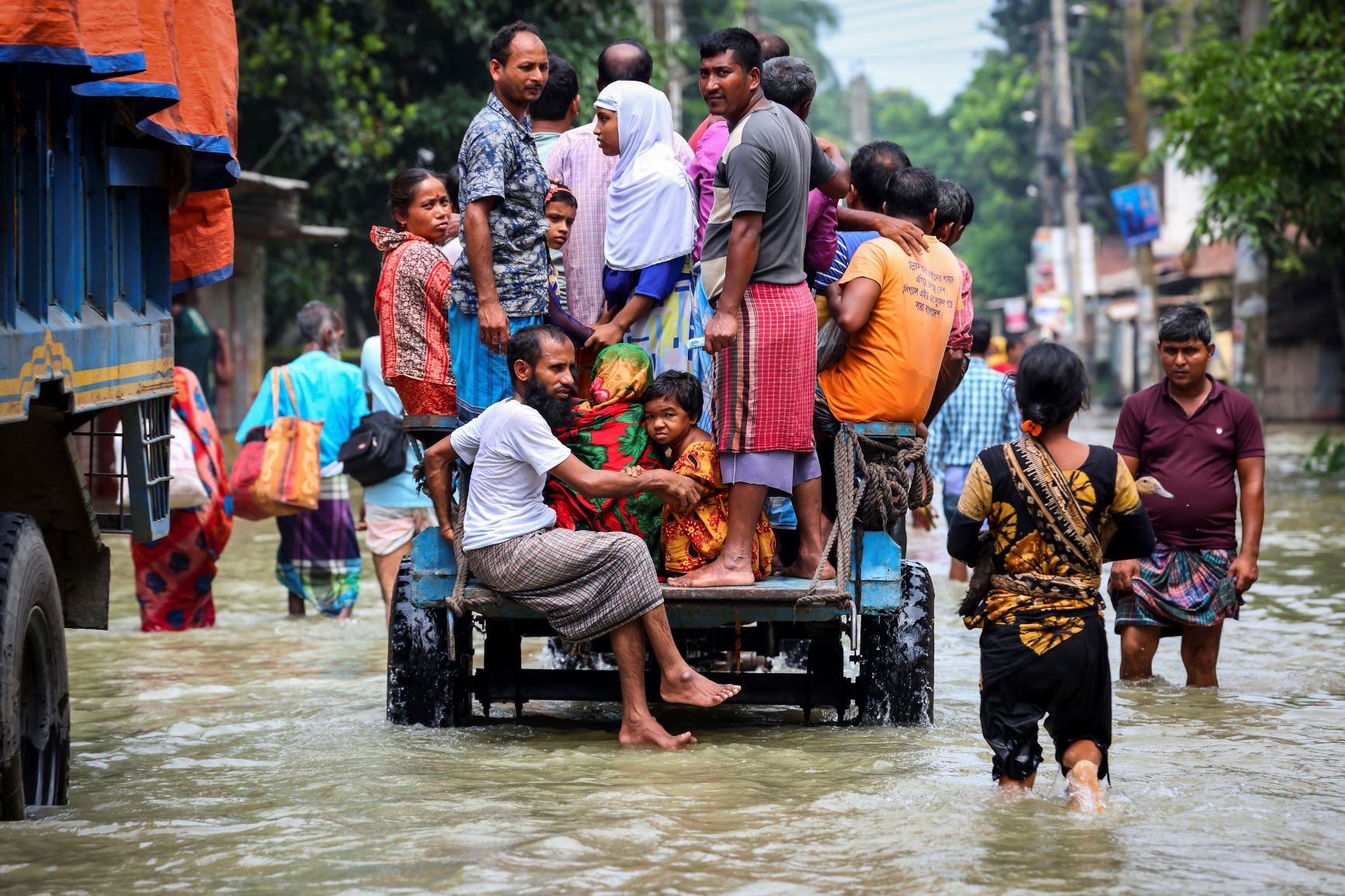
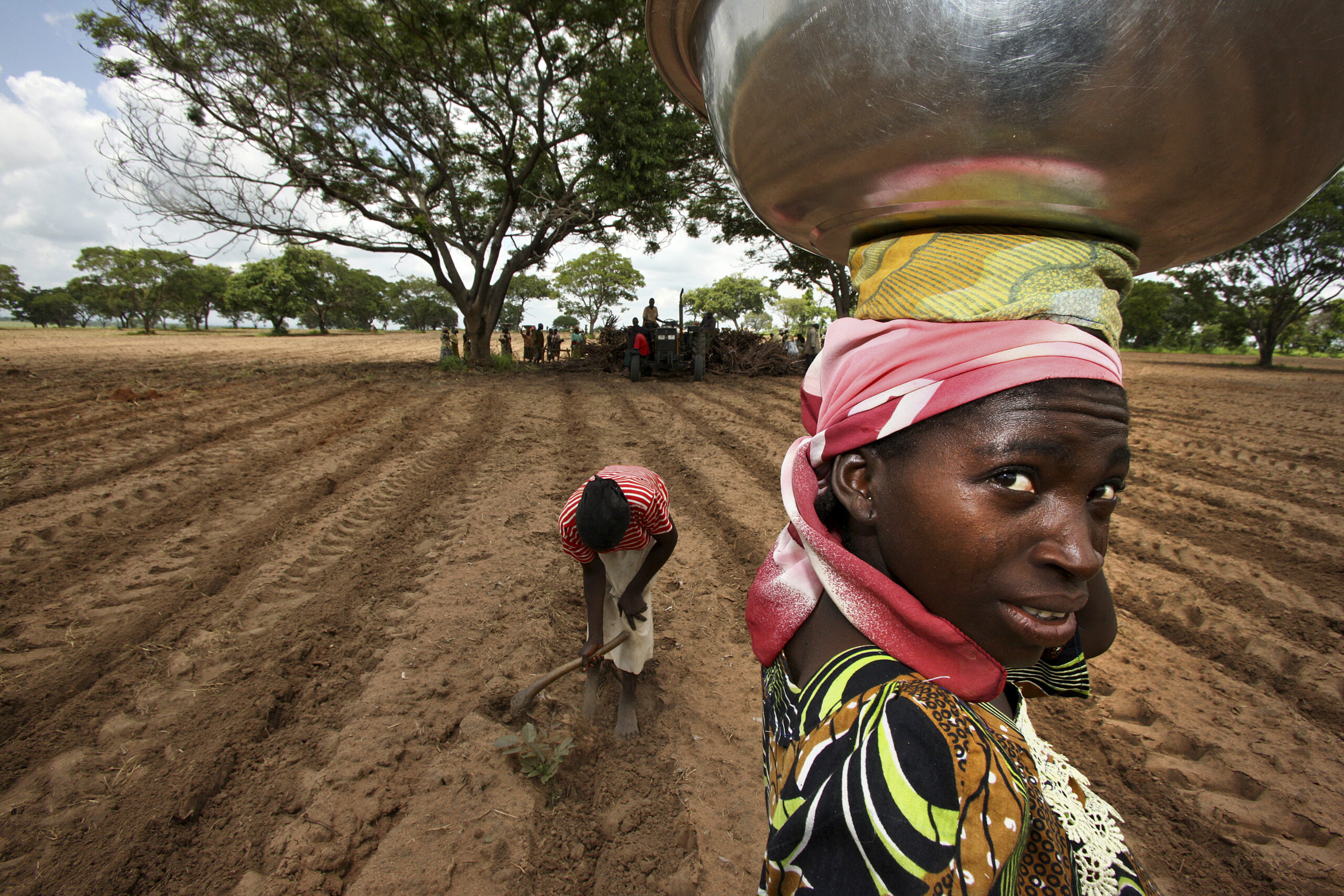
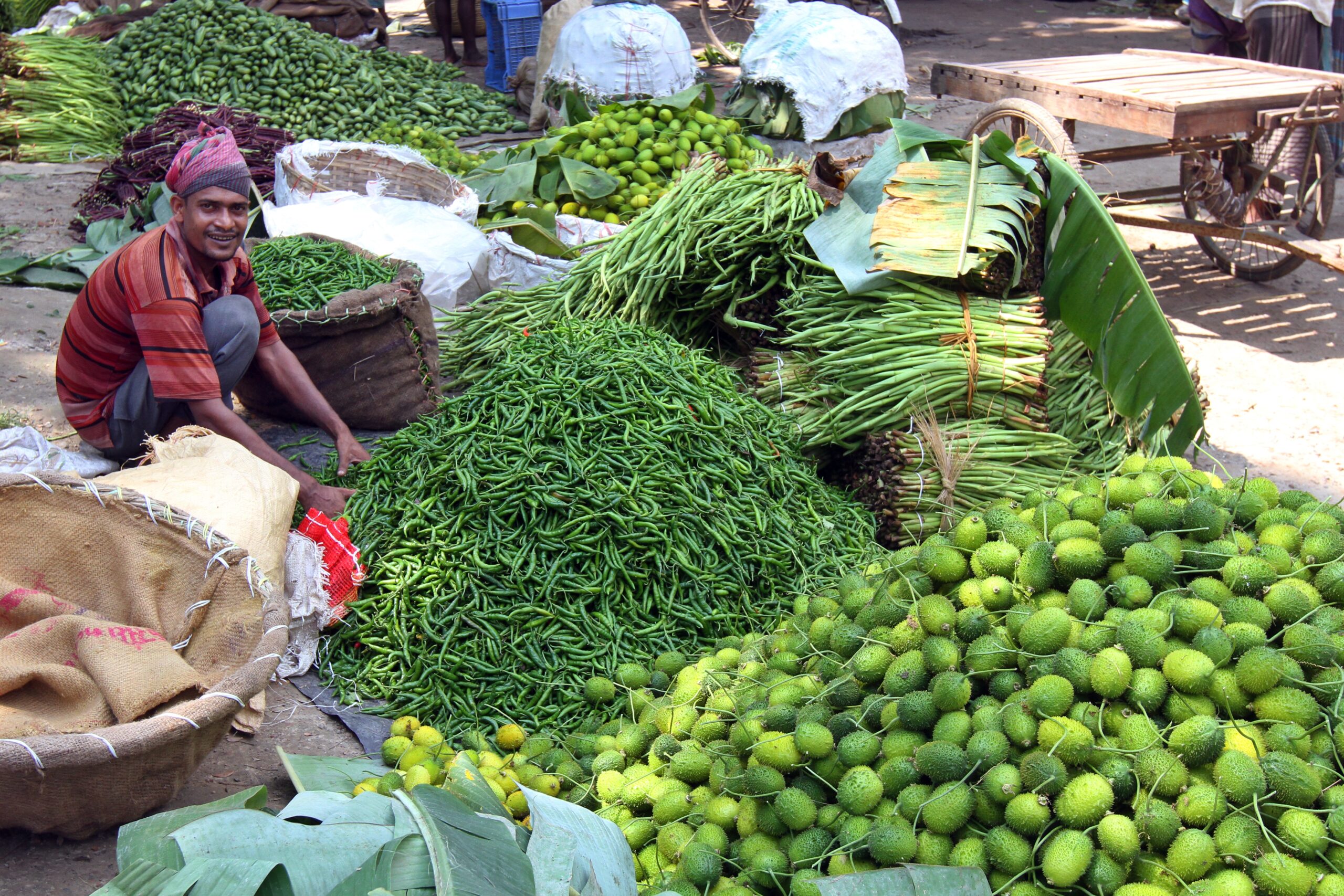
Climate change poses unprecedented challenges to the world’s agrifood systems. Rising temperatures, changing rainfall patterns, and more frequent extreme weather events threaten agricultural production, as well as the biodiversity and ecosystem services that underpin agriculture. Climate change also affects all aspects of food value chains, including food processing, storage, transport, and retailing. At the same time, food systems generate one-third of the world’s greenhouse gas (GHG) emissions, primarily in developing countries.
These growing climate risks impact food security, nutrition, and human health, as well as livelihoods. Because these impacts are not evenly distributed, climate change also contributes to growing inequalities by gender, socioeconomic status, and other characteristics. For farmers, climate change makes agriculture a riskier source of income, disrupts livelihoods, and contributes to hunger and malnutrition.
Current research
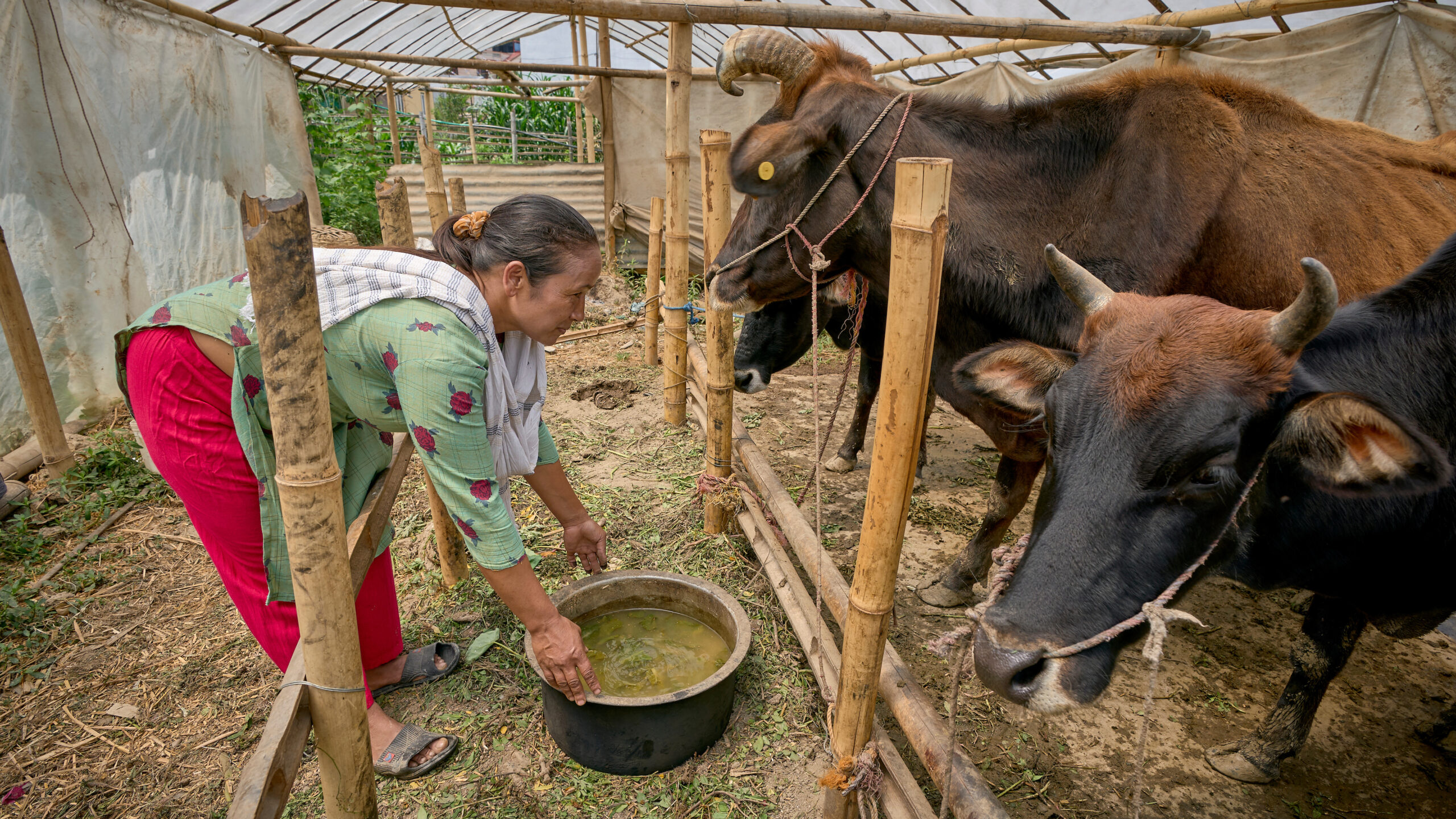
To help farmers adapt to climate change, increase or stabilize crop yields, increase carbon sinks and lower GHG emissions, IFPRI develops and uses research tools to support our partners in developing adaptation and mitigation strategies. Our global and country-level general and partial equilibrium models provide economywide outlooks or agrifood sector analysis on climate change scenarios and reveal how alternative policies, institutions, and investments to address climate change can benefit agriculture, food and nutrition security, and poor people. Our integrated land use and ecosystem services modeling analysis can explore ways to balance the economic and environmental performance of production across seasons and space, including crop area reallocation, increased fertilizer use efficiency, and others.
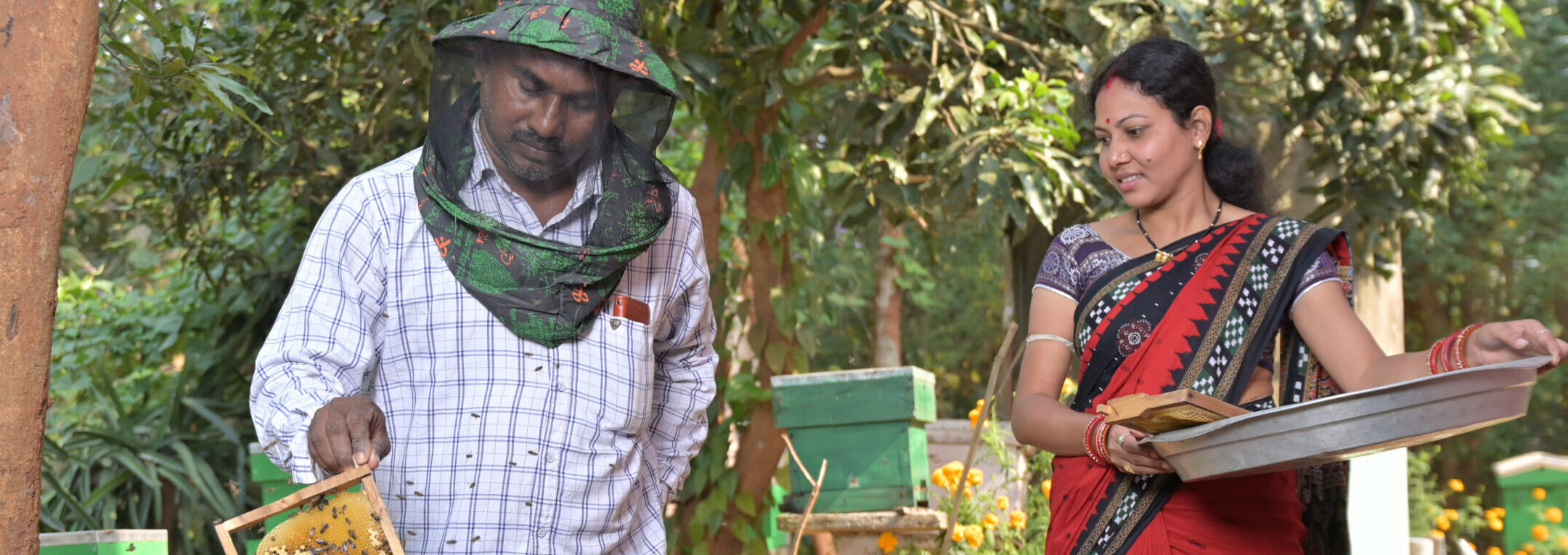
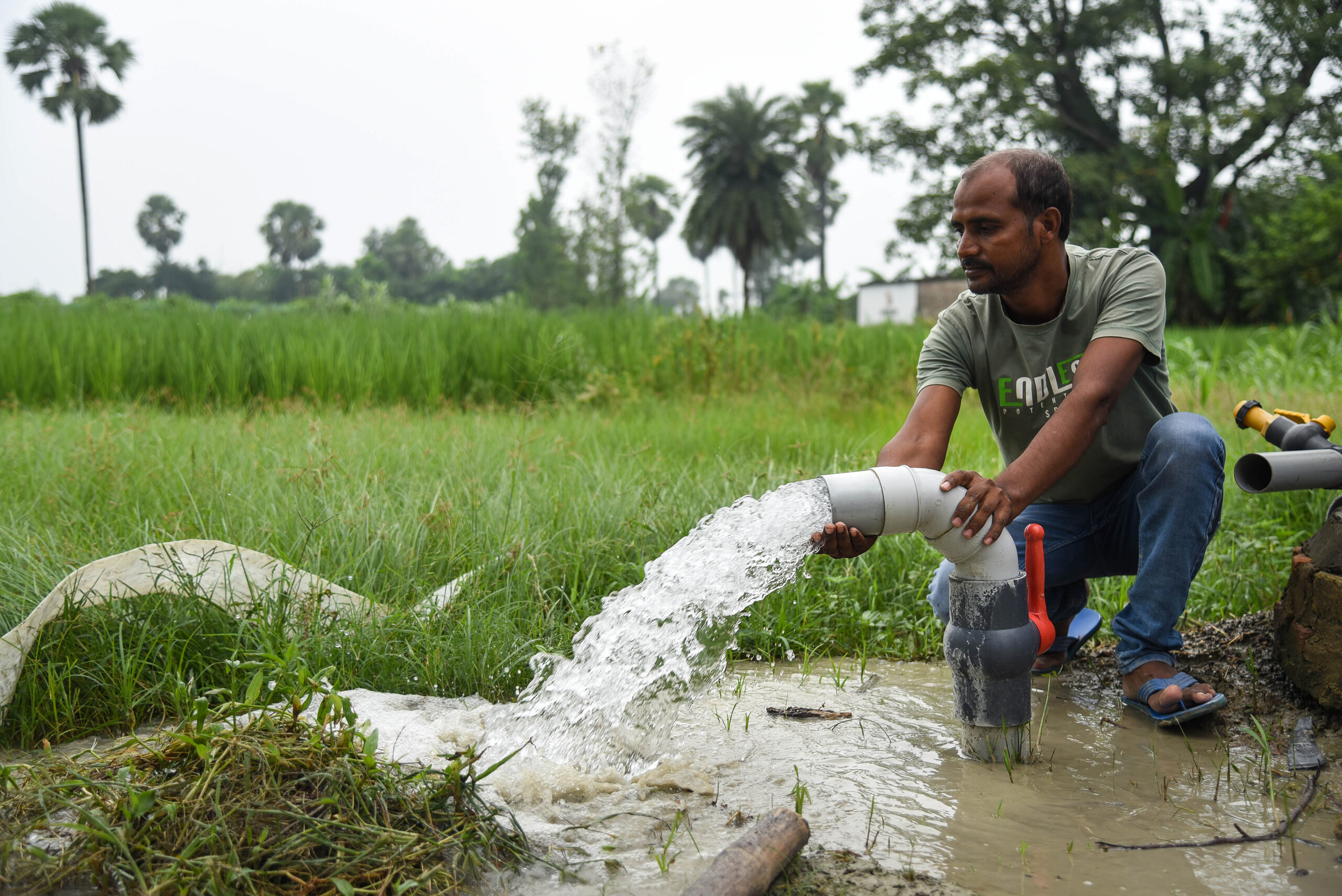
IFPRI researchers test a range of innovations for adaptation and mitigation, including through agricultural extension, social protection, clean energy use in irrigation and food value chains, and new tools for farmers to manage risk. This work is complemented by the Living Labs for People approach to low-emission food system development, building on the principles of co-production of knowledge, gender equality and social inclusion, and governance and institutional sustainability to advance existing and novel innovation processes.
IFPRI also works at the local, national, and global levels to help create an enabling environment for public and private investments in adaptation, resilience-building, and equitable low-emissions development. This includes work with communities on locally appropriate adaptations, with governments on strategic planning and investment, and with international organizations setting goals for climate change responses.
Crisis response will become even more important as climate change intensifies. Our work in this area addresses the need for better early warning systems and long-term responses that improve resilience. IFPRI’s work considers the importance of gender in responses to climate change and the need for women’s voices to be included in developing solutions. IFPRI also participates in the CGIAR Research Initiatives on Low-Emission Food Systems (Mitigate+), Gender Equality (HER+), and NEXUS Gains, which examine the linkages between water, energy, food, and ecosystems.
IFPRI’s climate change research is closely aligned with the Sustainable Development Goals (SDGs), including SDG 1, SDG 2, and SDG 13, and with the CGIAR Impact Areas on Climate Adaptation and Mitigation; Poverty Reduction, Livelihoods, and Jobs; and Gender Equality, Youth, and Social Inclusion.



Report

Journal Article

Journal Article

Journal Article

Moving from pilot projects to large-scale investments.

A promising avenue for smallholder climate finance.

The pathway from climate change to child nutrition and health.

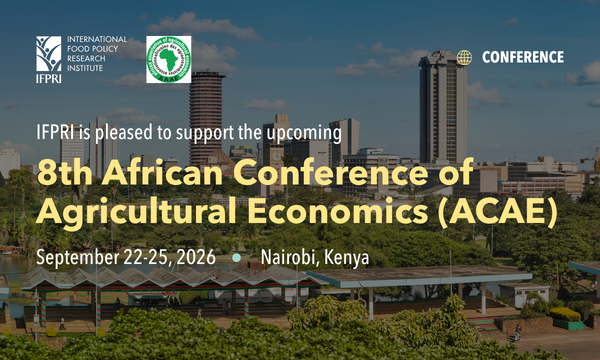
IFPRI is pleased to support the upcoming 8th African Conference of Agricultural Economists (8th ACAE), scheduled for 22–25 September 2026 at the Mövenpick Hotel in Nairobi, Kenya. ACAE is a premier continental gathering focused on advancing agricultural economics through innovation, digital transformation, and strengthened trade systems. Anchored on the theme “Smart Agriculture: Innovation, Digital Transformation, […]

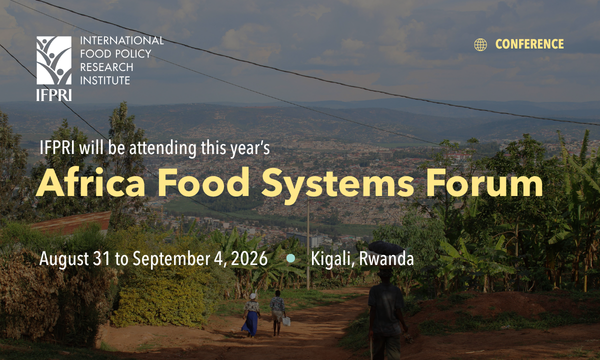
The Africa Food Systems Forum (AFSF) will host its 20th Annual Summit in Kigali, Rwanda from 31 August to 4 September 2026, under the theme “Investing in Africa’s Agri-Food Systems: Nourishing Nations, Growing Jobs, Building Resilience.” The Summit will bring together stakeholders from across the agri-food sector for a programme of plenary sessions, technical discussions, […]

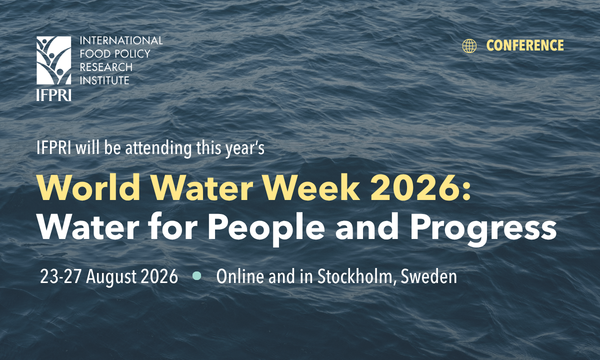
IFPRI is participating in World Water Week 2026, the leading conference on global water issues, taking place August 23–27 in Stockholm, Sweden. World Water Week 2026, organized by the Stockholm International Water Institute (SIWI), will bring together decision-makers, experts, practitioners, and other stakeholders from around the world to advance dialogue, collaboration, and innovation on water. […]
A new study published in Nature today found that combining healthier diets, sustainable agricultural intensification, and cutting food waste in half would reduce pressure on land and natural resources while still meeting food needs.
Brazil’s O Globo interviewed IFPRI’s Timothy Sulser for the article examining how rising atmospheric CO₂ levels are reducing the nutritional quality of staple crops.
Indian Express quotes Mamata Pradhan in the article looking at how women farmers are quietly safeguarding India’s food systems against climate uncertainty.

IFPRI’s Research Initiative on Closing the Gender and Youth Gap for Healthier Soils develops evidence on how empowering women and youth can improve soil health……

The Gender Responsive Cell (GRC), supported by the SWARNA project, aims to institutionalize gender-responsive governance within the Department of Agriculture and Farmers’ Empowerment (DA&FE), Government……

Small-scale irrigation provides benefits for productivity, income, food security, nutrition, and resilience to climate shocks. However, women often face greater constraints than men to accessing……

Director, Agrifood
Innovation and Resilience

Director, Foresight and Policy Modeling (FPM), Foresight
and Policy Modeling

Research Fellow Emeritus, Director
General's Office (DGO)

Research Fellow, Markets,
Trade, and Institutions, Latin America and the Caribbean

Senior Research Fellow, Foresight
and Policy Modeling

Associate Research Fellow, Foresight
and Policy Modeling, Latin America and the Caribbean

Research Officer, Development
Strategies and Governance

Program Manager, Markets,
Trade, and Institutions

Nonresident Fellow, Development
Strategies and Governance

Nonresident Fellow, Development
Strategies and Governance