





This post was originally published by WFP Evaluation.
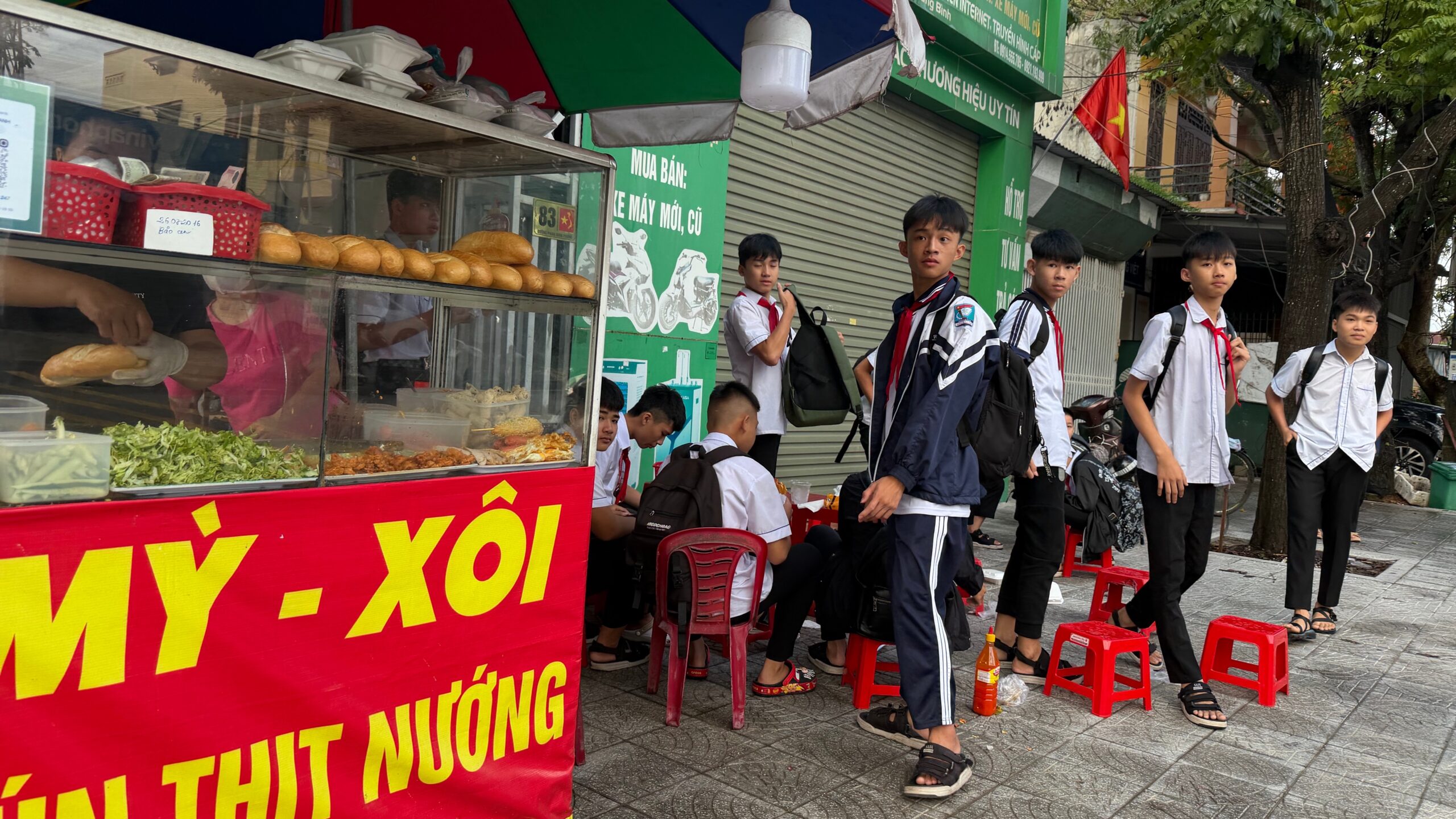
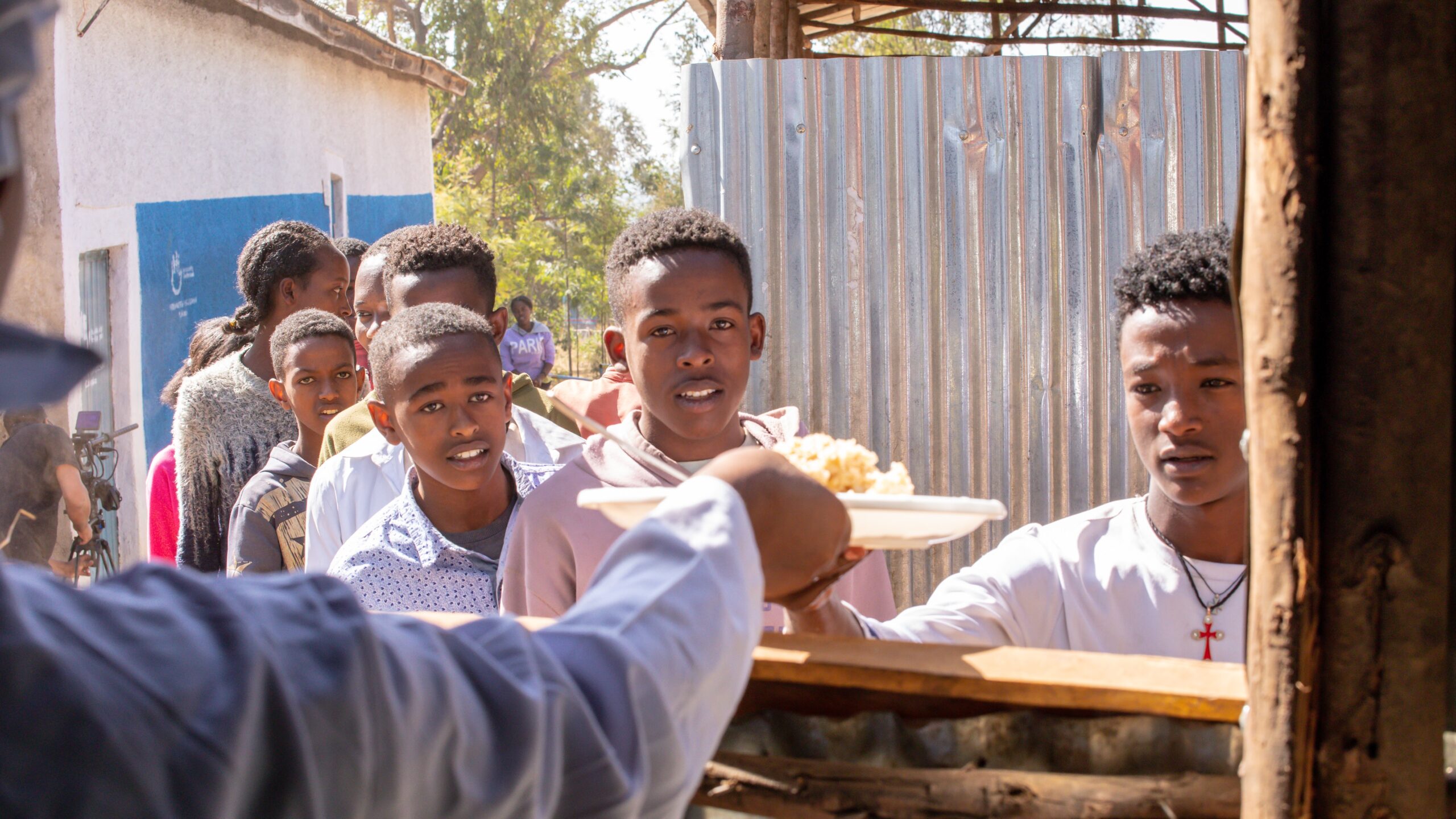
School meal programs improve children’s nutrition, food security, and mental well-being. When meals are produced locally, these programs also build more robust economies.
But not all school meal programs were created equal.
With changes to how food is procured and delivered, governments and other partners can make school meals go so much further.
Impact evaluations help governments understand what works, for whom, and under what conditions by comparing different procurement and delivery models while school meal programs are under way.
Nine African governments work on new impact evaluation designs
From June 2-4, 2026, the United Nations World Food Programme (WFP), with IFPRI and the World Bank, hosted an impact evaluation workshop in Nairobi to strengthen the evidence base for social protection systems.
Nearly 60 participants from government ministries, international organizations, research institutions and development partners worked together to identify evidence priorities for school meals, co-creating practical impact evaluation plans to support national programs.
During the workshop, representatives from Burundi, Chad, Ethiopia, Kenya, Malawi, Somalia, South Sudan, Uganda and Zambia presented their current school meal programs, proposed future impact evaluation designs and explored funding priorities.
The last two days of the workshop focused on developing impact evaluation designs and building the partnerships to take them forward.
Why impact evaluation for school meals?
As one government representative put it, “impact evaluation helps move policymakers from assuming programs are making a difference to knowing they are making a difference.”
In the video capsules below, government representatives highlight the important role policymakers play in developing research and evaluation questions that will deliver policy-relevant answers. Moreover, they emphasize the importance of partnerships in doing so.
Ethiopia
“Impact evaluation evidence provides value for money as it drives us from assuming we are doing good to knowing we are doing good; co-creation is critical: if governments did not ask the question, then they would not use the answer.” — Yohannes Wogasso, Ministry of Education, Ethiopia
Zambia
“School feeding programs cut across sectors, and evidence on these programs, conducted in collaboration with research partners, helps surface gaps and inform decisions.” — Malalu Muchengwa-Mulundika, Ministry of Education, Zambia
Uganda
“Partnerships with government increase ownership of rigorous evidence, which drives the success of programs; to increase evidence uptake, we need to respond to the needs of the policymakers.” — Timothy Lubanga, Assistant Commissioner M&E, Government of Uganda
Malawi
After implementing school meals for a number of years, impact evaluations can inform governments whether programs are working or not and in return guide policy decisions.” — Maureen Maguza-Tembo, Ministry of Education, Science and Technology, Malawi
South Sudan
“Impact evaluation supports prioritization and review of programsZ in a complex economic global climate.” — Nasona Michaya Gamunde, Director for Planning, Ministry of Agriculture and Food Security, South Sudan
This post was written and assembled by the WFP Evaluation Team. It was first published on the WFP Evaluation blog.