




topics
Innovations in risk management
For over 40 years, IFPRI has been a driver of innovation in agricultural insurance, working closely with partners to overcome obstacles and meet the needs of farmers. Examples of these innovations are provided below. Increasingly IFPRI is working on providing this insurance in combination with other products and services. Learn more about IFPRI’s agricultural insurance research here.
Bundled products: Insurance can be bundled with credit, inputs and advisory services with the goal of protecting specific investments. This approach can increase the demand for insurance, make it more affordable and accessible, and improve its value to smallholder farmers.
Enhancing social protection: Insurance can also be embedded in social protection systems allow benefit provision to increase when needed during crises, or to protect the investments households take as part of graduation or asset building programs.

Gender-responsive agricultural risk management
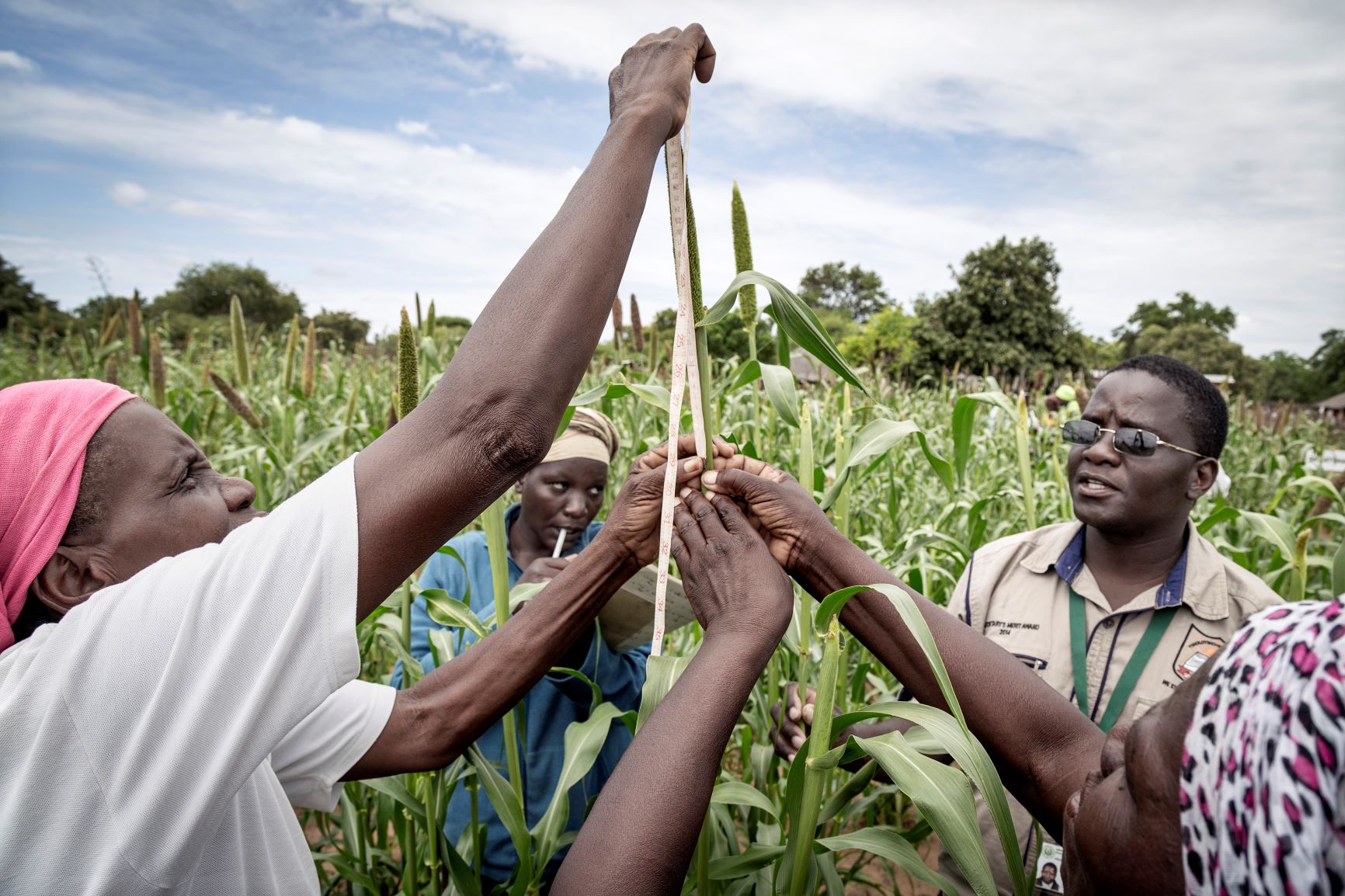
Women in agriculture often face greater vulnerability to shocks and have less access to risk-reduction tools than men. Building resilience in the sector requires recognizing and addressing the distinct risk-management needs of both women and men. Learn More

Formal insurance and informal risk networks
A strategy that offers index insurance to existing informal risk-sharing groups, such as funeral societies or community networks, blends the strengths of formal and informal insurance. By relying on these groups’ own social support systems to cover individual, hard-to-monitor losses, this approach reduces basis risk and keeps formal insurance costs low while improving protection for members. Learn More
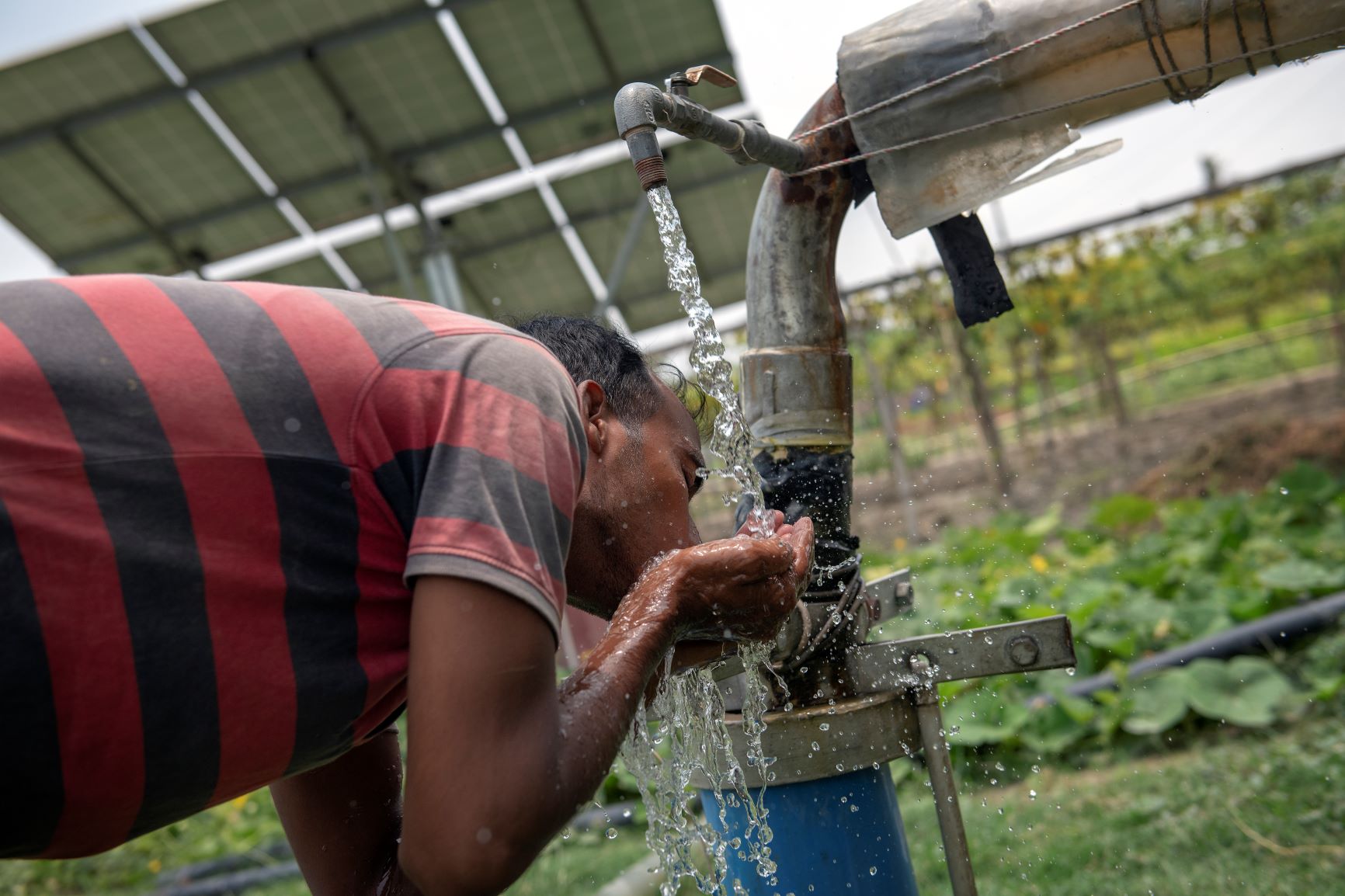
Gap insurance
Gap insurance (conditional audits) provides an additional layer of protection for farmers when an underlying weather-based index fails to trigger despite real losses. By combining weather indexes with targeted area–yield measurements only in affected zones, it preserves the low cost of index insurance while correcting payout failures more accurately and efficiently. Learn More
IFPRI’s core activities
Agricultural risk assessment and design of insurance products for new settings
IFPRI conducts in-depth assessments of agricultural risks in new contexts and designs innovative insurance models for them to overcome fundamental challenges, including basis risk, information asymmetry, and high prices. Learn More
Impact evaluations
IFPRI has conducted extensive impact evaluations of agricultural insurance programs, generating evidence on how design, delivery, and complementary interventions can improve uptake, reduce basis risk, and strengthen farmers’ resilience. Learn More
Our impact
IFPRI has had a substantial impact on the development and implementation of agricultural insurance by reshaping global understanding of what works and how insurance can better meet farmers’ needs. Its early evaluations of multi-peril crop insurance were instrumental in exposing the high costs, moral hazard, and inefficiency of traditional programs, prompting major reforms worldwide. IFPRI researchers have continued to pioneer innovative models while generating critical insights.
“These efforts helped clarify the roles of basis risk, liquidity constraints, trust, premium prices, financial literacy, and prior payout experience on farmers’ demand for insurance products. IFPRI also contributed to quantifying differences in insurance demand by gender and to evaluating the potential of group insurance for inclusive insurance coverage.” (Hazell & Place 2025)
This evidence has guided improvements in index design, informed subsidy and delivery strategies, and strengthened the global understanding of how insurance can drive productivity and welfare gains when well designed.
Through decades of rigorous empirical work and partnerships with governments, insurance companies, development agencies, and researchers, IFPRI has been a leading force in shaping modern agricultural insurance policy and practice.
“A notable feature of IFPRI’s insurance work since 2012 is that it has gone beyond initial experimental research and evolved into sustained programs with implementing partners who have a commercial interest in the insurance product.” (Kramer et al. 2021)
IFPRI’s research on insurance and risk is closely aligned with the Sustainable Development Goals (SDGs), including SDG 1, SDG 2, and SDG 10, and the CGIAR Impact Areas on Poverty Reduction, Livelihoods, and Jobs and Gender Equality, Youth, and Social Inclusion.
Learn More

Basis risk, social comparison, perceptions of fairness, and demand for insurance: A field experiment in Ethiopia
Taking stock: Impacts of 50 years of policy research at IFPRI
Agricultural insurance: Policies and programs for reducing farmer risk
External assessment of outcomes from IFPRI’s causal impact evaluation research 2012–2022
Smartphones, women’s rights and coupons: New trends that can boost insurance for African farmers
Agricultural insurance: Policies and programs for reducing farmer risk
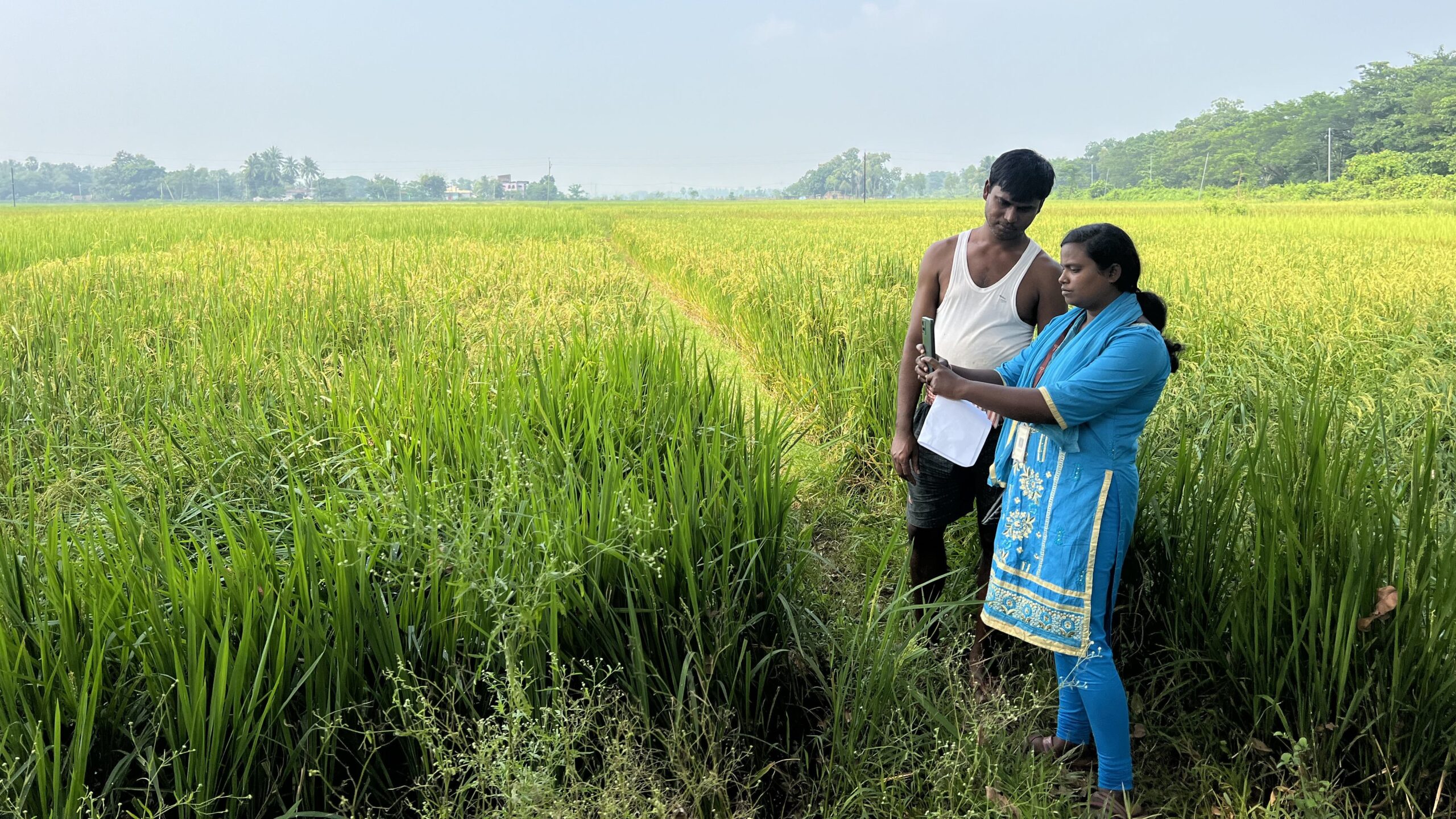
Picture-based crop insurance: Using smartphone camera data for claims verification in India
Picture-based crop insurance: A randomized controlled trial evaluating the impacts of using smartphone camera data for claims verification in India
Review and synthesis of IFPRI’s PIM funded program of work on agricultural insurance, 2012-2020
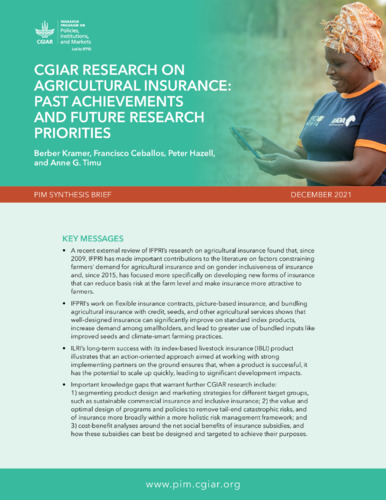
CGIAR research on agricultural insurance: Past achievements and future research priorities
Frequently Asked Questions
Research from International Food Policy Research Institute helps improve insurance for smallholders by generating rigorous evidence on what drives demand, where products fail, and how design can be improved to better match farmers’ actual risks. This allows insurers to offer products that more accurately match local conditions and reduce unfair pricing or poor coverage.
Working closely with governments, insurers, and development partners, IFPRI translates this evidence into scalable, market‑ready solutions that strengthen resilience, protect livelihoods against shocks, and enable smallholders to invest more confidently in productivity-enhancing technologies.
Agricultural insurance is a financial tool that helps farmers manage the risk of losing crops or income due to events beyond their control, such as droughts, floods, or pest outbreaks. When losses occur, insurance provides payouts that help farmers meet basic needs and prepare for the next growing season. Insurance acts as a safety net, helping farmers stabilize consumption and prepare for the next planting season rather than falling deeper into poverty after a single bad year.
By reducing risk, insurance can also encourage farmers to invest in better seeds, fertilizers, and new technologies, and can make lenders more willing to offer credit on better terms. When farmers trust that insurance will pay out fairly and on time, it can strengthen resilience, protect livelihoods, and support long‑term improvements in productivity and welfare. IFPRI’s research shows that when insurance is well designed and trusted, it can reduce vulnerability to repeated shocks and help households “bounce back” instead of becoming trapped in cycles of loss and recovery.
The evidence shows that agricultural insurance can help stabilize farmer incomes by reducing the financial impact of shocks such as droughts, floods, and crop failures. IFPRI’s evaluations find that when insurance delivers timely and credible payouts, it helps households avoid sharp income and consumption drops following bad seasons. This income protection is especially important for smallholder farmers who lack savings or access to other formal safety nets.
However, income gains are not automatic. IFPRI’s research shows that insurance is most likely to improve incomes when products are well designed, affordable, and trusted by farmers. Poorly designed programs with high costs or unreliable payouts may have little effect. The evidence thus highlights that insurance can improve income stability, but only under the right conditions.
IFPRI’s impact evaluations show that insurance can increase investment among smallholder farmers by reducing fear of catastrophic losses. When farmers feel protected against major risks, they are more willing to invest in improved seeds, fertilizer, and other productivity‑enhancing technologies. Insurance can also improve access to credit, which further supports investment and input use.
However, the effects on productivity vary across contexts. IFPRI’s research finds that investment and productivity gains are strongest when insurance is paired with complementary services such as credit, extension, or input access. Insurance al is most effective as part of a broader package that enables farmers to translate risk reduction into higher productivity.
Insurance can encourage farmers to invest by reducing the risk that a failed harvest will leave them unable to repay loans or cover basic expenses. For many smallholders, adopting improved seeds, fertilizer, or new farming practices involves upfront costs and financial risk. When insurance protects at least part of their income, farmers are more willing to make these investments.
Insurance can also improve access to credit, which further supports investment. Lenders may be more willing to offer loans, or to offer them on better terms, when farmers are insured. This combination of insurance and credit can unlock investment in productivity‑enhancing technologies that would otherwise be out of reach for smallholder farmers, helping raise incomes and improve food security over time.
IFPRI evaluates insurance programs using rigorous impact evaluations and long‑term studies that compare outcomes for farmers who have access to insurance with those who do not. These evaluations examine effects on income stability, investment decisions, resilience to shocks, and overall welfare. IFPRI also studies how design features, delivery methods, and complementary services—such as credit or advisory support—influence uptake and outcomes.
These evaluations matter because insurance can appear effective on paper but fail in practice if farmers do not trust it, cannot afford it, or do not receive payouts when losses occur. By generating credible evidence on real‑world performance, IFPRI helps policy- and decision‑makers understand not just whether insurance works, but under what conditions it delivers meaningful benefits for smallholder farmers.