

Back

Who we are

With research staff from more than 70 countries, and offices across the globe, IFPRI provides research-based policy solutions to sustainably reduce poverty and end hunger and malnutrition in developing countries.

Lilia Bliznashka

Lily Bliznashka is a Research Fellow in the Nutrition, Diets, and Health Unit. Her research focuses on assessing the effectiveness of multi-input nutrition-sensitive and nutrition-specific interventions and the mechanisms through which they work to improve maternal and child health and nutrition globally. She has worked in Burkina Faso, Burundi, Tanzania, and Uganda.

Back

What we do

Since 1975, IFPRI’s research has been informing policies and development programs to improve food security, nutrition, and livelihoods around the world.

Where we work

Back

Where we work

IFPRI currently has more than 480 employees working in over 70 countries with a wide range of local, national, and international partners.

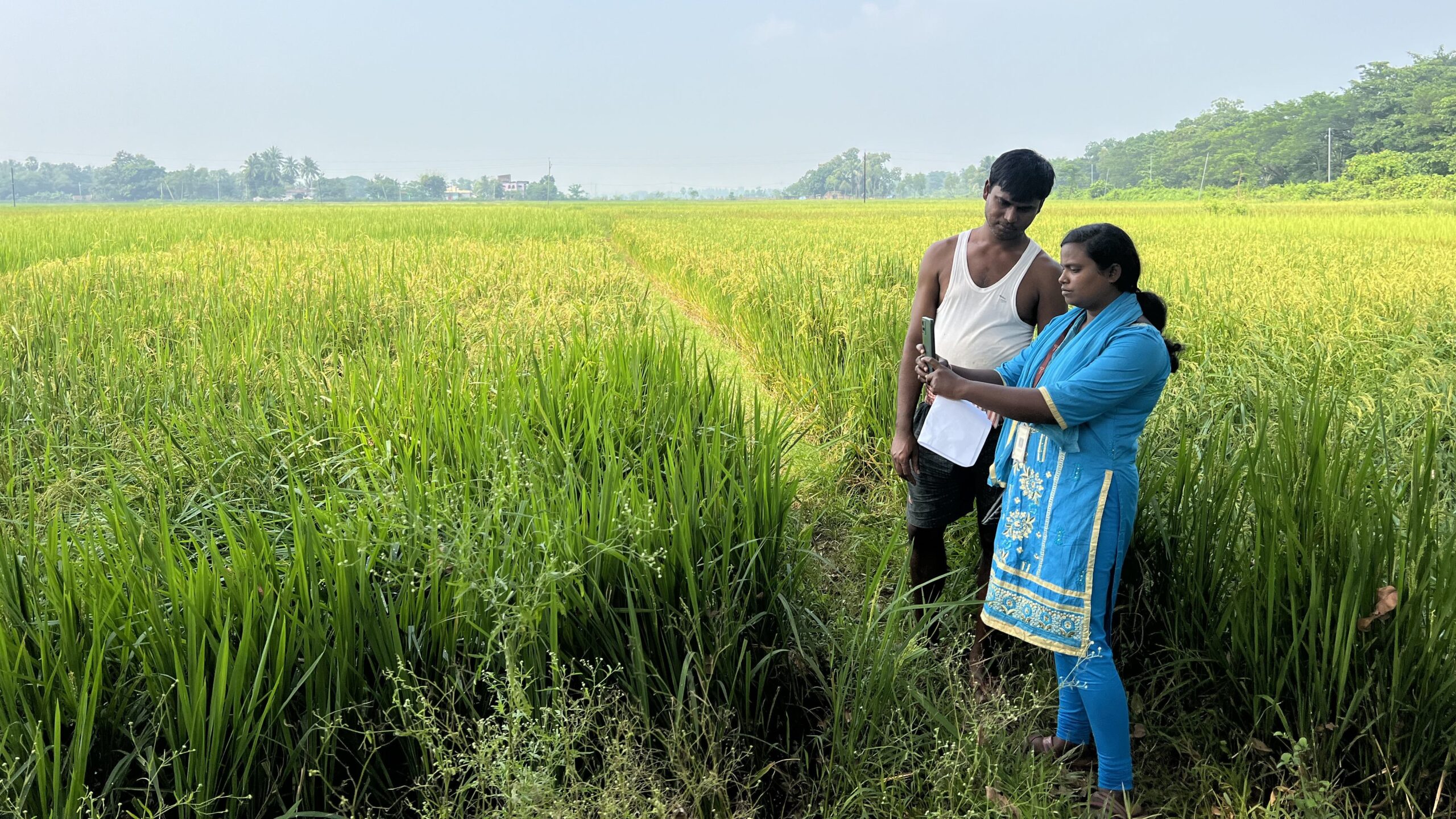
Picture-based insurance uses digital technology to accurately and effectively measure crop losses under indemnity insurance models. This simple process could reduce the basis risk faced by farmers, ensuring they receive fair compensation for losses, and expedite the claim reporting process. For insurers, PBI could reduce verification costs, especially in remote areas and increase demand for insurance.

Process summary from a recent IFPRI pilot study:
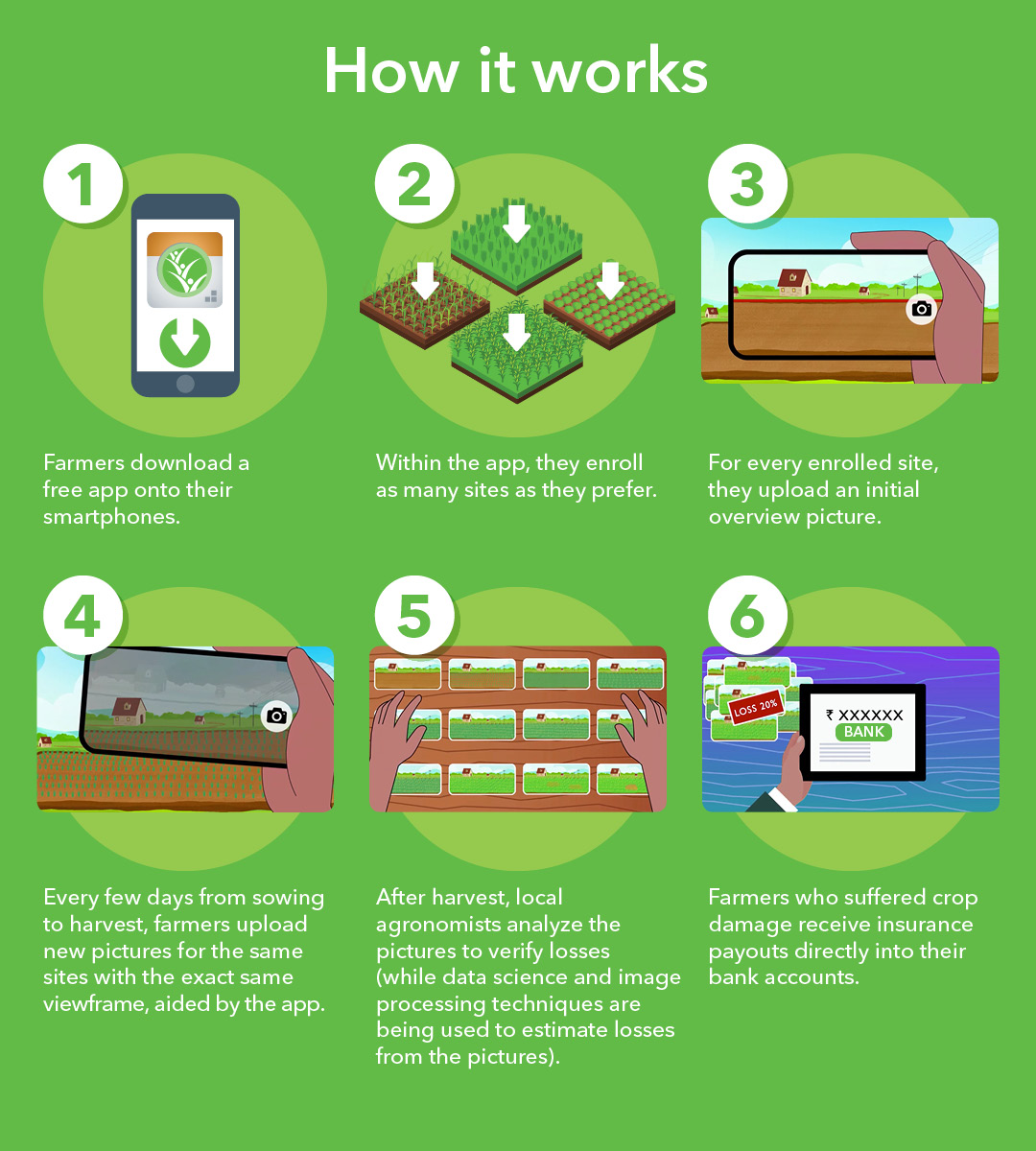
Picture based solutions can be easily paired with other digital tools and information to assess and mitigate risks.

IFPRI has studied PBI programs across different contexts, identifying what works and where. This analysis also identifies opportunities to pair PBI with other interventiosn, such as providing improved crop varieties or microfinance, which can lead to increased farm productivity.

Where we work

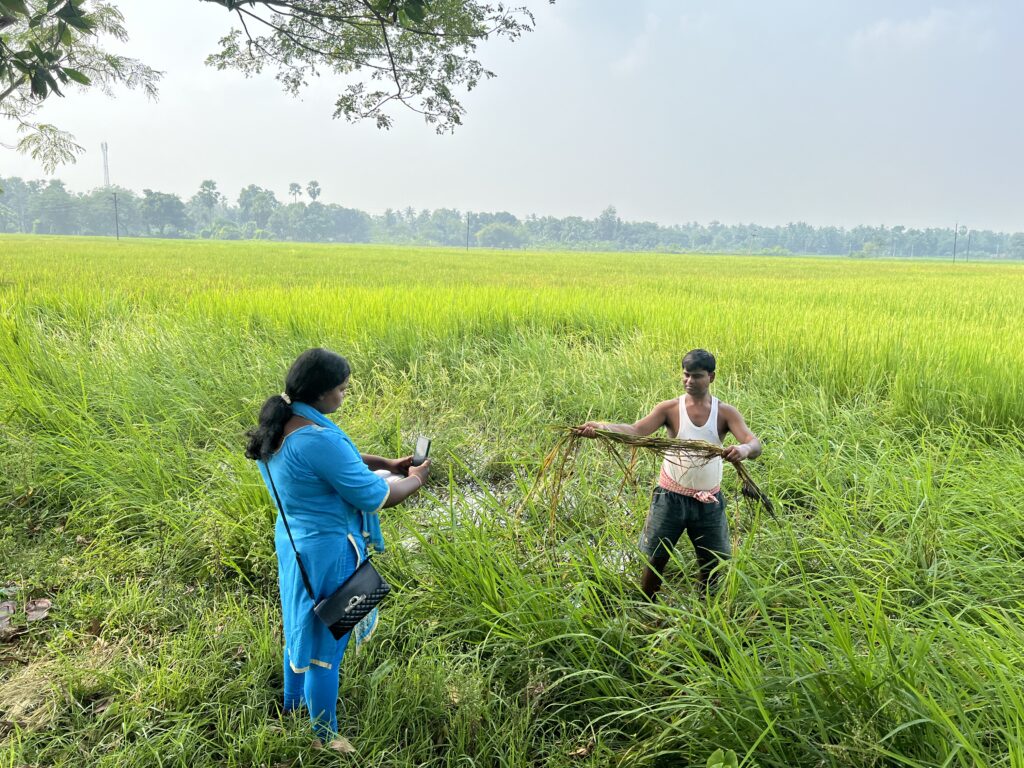
IFPRI and its partners are testing this approach in different locations in Kenya and India. While initially, the research was focused on providing a proof of concept for the technology, our current focus is on analyzing how improved crop monitoring affects insurance markets and whether the technology has applications beyond insurance.

In addition, the research program analyzes the impacts of services facilitated by this technology, such as insurance, seeds or credit, on smallholder farmers’ productivity, welfare and resilience, while paying attention to mechanisms through which the technology can reduce—rather than aggravate—inequity and gender gaps.
How we work

  • Design insurance solutions with partners
  • Test and refine them in real farming contexts
  • Scale what works through public and private systems

This video illustrates our approach in practice through the Picture-Based Insurance project

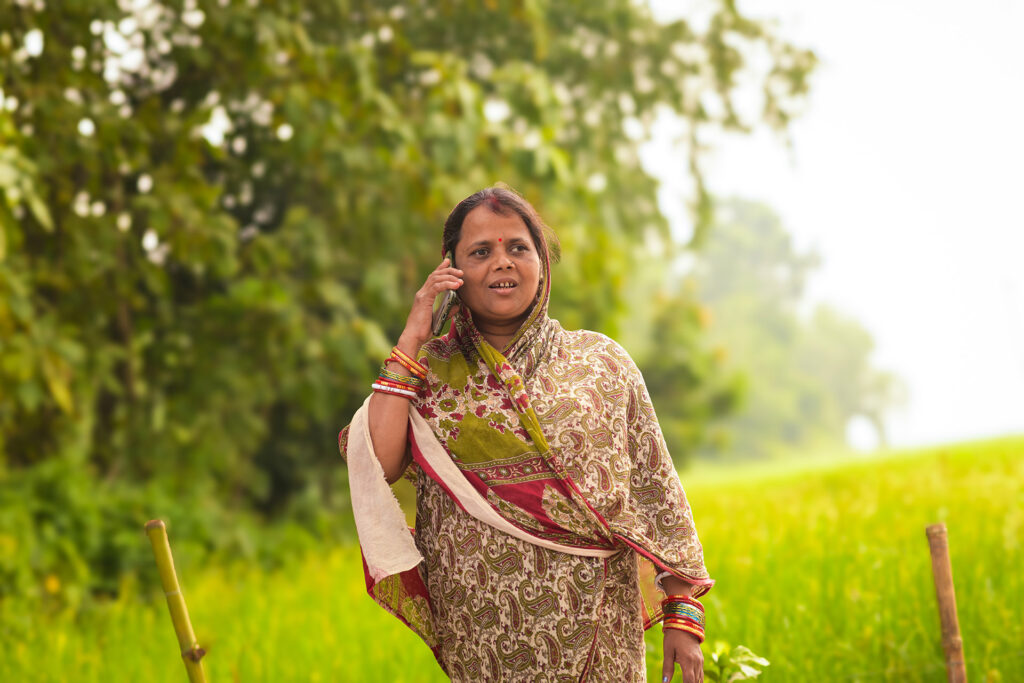
“With Dvara’s loans at a lower interest rate, I’ve been able to expand my farming. […] Dvara stood by me during my losses, which gave me the courage to keep farming and to grow further.”—Mamta Raut.

For many sharecroppers, this was their first experience accessing formal credit. Farmers like Mamta expanded their production, invested in better inputs, increased their profits from agriculture, and repaid on schedules aligned with their seasonal income patterns. Her story mirrors others across Jajpur district, demonstrating how a research partnership can unlock larger-scale change.

Affordable crop insurance

Smallholder farmers face growing weather risks without affordable insurance, and Picture-Based Insurance (PBI) uses farmer-taken smartphone images to verify claims while reducing costs and basis risk. Learn More

Playbook on picture-based insurance

This playbook provides guidance on how to design and operationalize Picture-Based Insurance (PBI) to verify losses, reduce costs, and improve access to reliable insurance for smallholders. Learn More

Impact evaluation

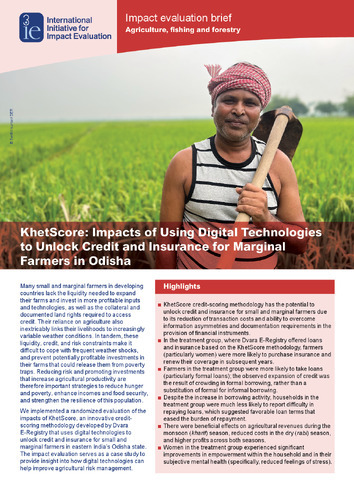
IFPRI evaluated the impacts of such picture-based crop insurance in Haryana, India (Brief 1), and of linking picture-based insurance to KhetScore, a digital credit solution for marginal farmers in Odisha (Brief 2).

Other Key Knowledge Outputs


Funders

CGIAR Research Program on Policies, Institutions, and Markets (PIM)
CGIAR Research Program on Climate Change, Agriculture and Food Security (CCAFS)
World Food Programme (WFP)
United States of America
Netherlands Organisation for Scientific Research (NWO)
International Initiative for Impact Evaluation (3ie)
CGIAR Platform for Big Data in Agriculture

Team members

Berber Kramer

Senior Research Fellow, Markets,
Trade, and Institutions

Berber Kramer

Senior Research Fellow, Markets,
Trade, and Institutions

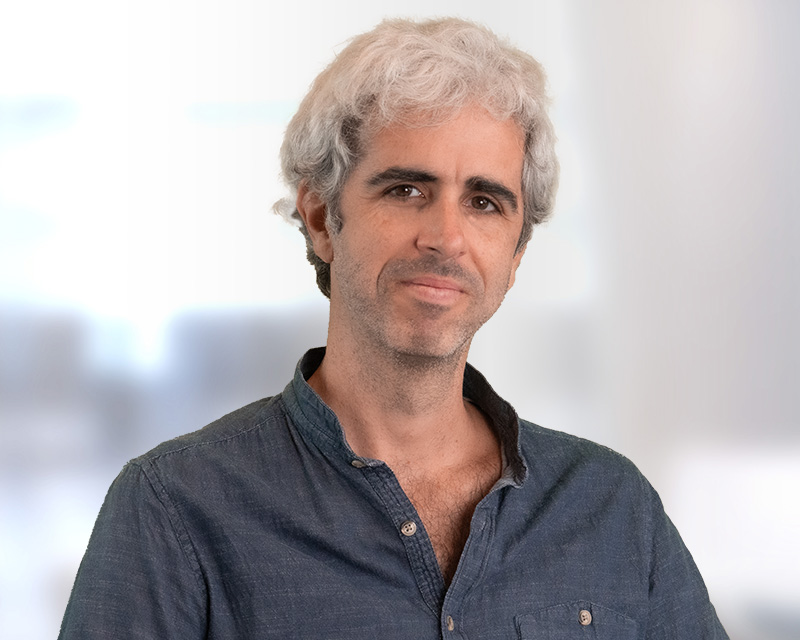
Francisco Ceballos

Research Fellow, Markets,
Trade, and Institutions, Latin America and the Caribbean

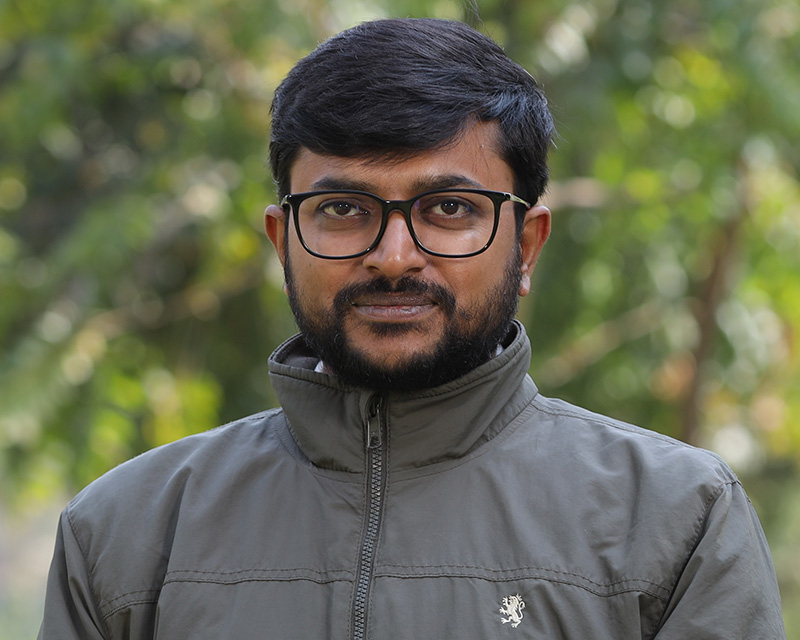
Pushkar Gaur

Research Analyst, Natural
Resources and Resilience

Brendan Rice

Research Specialist, Markets,
Trade, and Institutions

External Resources

External blogs

External publications