Claudia Ringler
Director, Natural Resources and Resilience (NRR), Natural
Resources and Resilience

Back
With research staff from more than 60 countries, and offices across the globe, IFPRI provides research-based policy solutions to sustainably reduce poverty and end hunger and malnutrition in developing countries.

researcher spotlight
Elodie Becquey is a Senior Research Fellow in the Nutrition, Diets, and Health Unit, based in IFPRI’s West and Central Africa office in Senegal. She has over 15 years of research experience in diet, nutrition, and food security in Africa, including countries such as Burkina Faso, Chad, Ethiopia, Ghana, Kenya, Mali, and Tanzania.

Back
Since 1975, IFPRI’s research has been informing policies and development programs to improve food security, nutrition, and livelihoods around the world.

Back
IFPRI currently has more than 600 employees working in over 80 countries with a wide range of local, national, and international partners.
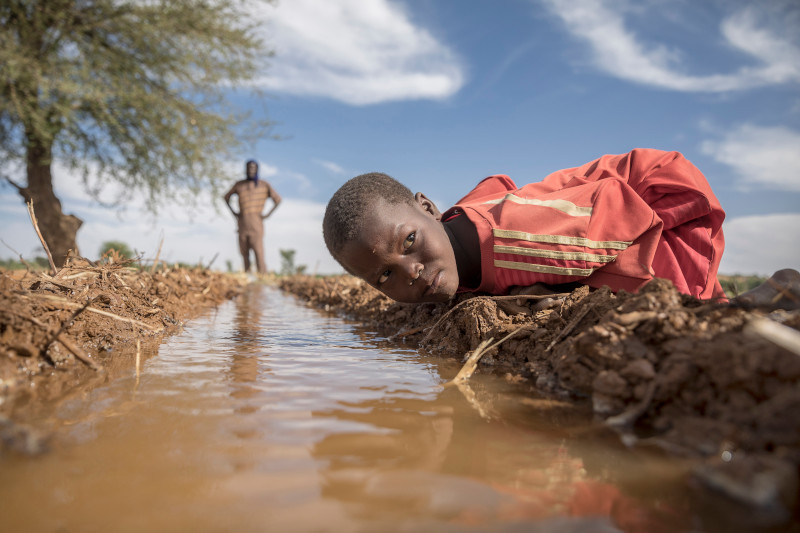
Globally, agriculture accounts for 70 percent of all water withdrawals, and water pollution poses a significant threat to human health and the environment. Growing water scarcity due to rapidly increasing demands on the resource as well as climate change require urgent improvements in water governance and more sustainable management practices that ensure water and food security for smallholder farmers and vulnerable communities. Our work provides policymakers with options to address growing water scarcity and water quality challenges by more efficiently allocating and managing water across sectors and within the agriculture sector.
IFPRI’s water research is unique because it jointly assesses water supply and demand together with food and nutrition outcomes, nonagricultural water demands, and environmental health at the local, basin, national, and global levels; and because of its interdisciplinary focus bringing together hydrological, economic, and institutional analysis tools to assess topics ranging from the financial and economic potential for sustainable expansion of irrigation to entry points to increase women’s agency in water management.
IFPRI’s work includes a strong focus on water governance, to support the identification of appropriate roles for the state, private sector, and community organizations to improve the efficiency and equity of water use. Work at the community and river basin levels aims to build institutions and consensus around equitable, sustainable mechanisms for better managing water and protecting its vital ecosystem services and interlinkages with biodiversity and other natural resources. Through the CGIAR Research Initiative on NEXUS Gains, IFPRI researchers are working at the intersection of food, energy, and water security in five transboundary river basins to boost sustainable water resource management, protect biodiversity, and provide clean and inclusive access to energy for agrifood systems.IFPRI’s water research is closely aligned with the Sustainable Development Goals, including SDG 6, and with the CGIAR Impact Areas on Climate Adaptation and Mitigation; Environmental Health and Biodiversity; Nutrition, Health, and Food Security; and Poverty Reduction, Livelihoods, and Jobs.


Journal Article

Brief

Brief

Overcoming obstacles for farmers.

Fostering cooperative stewardship.

Lessons from Qingshan village.

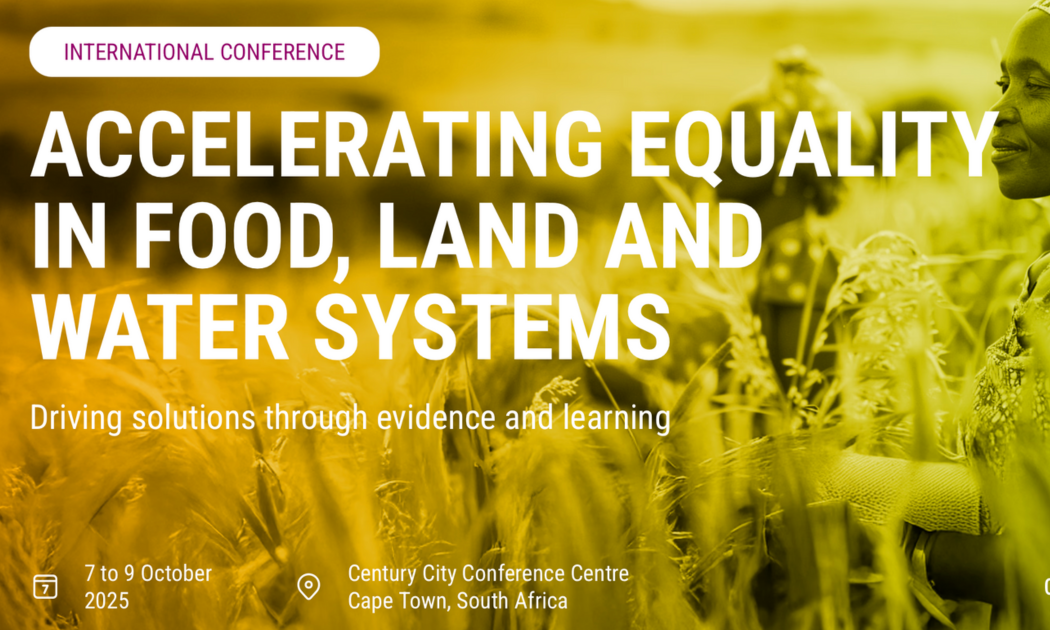
Join the CGIAR Accelerator Gender Equality & Inclusion, in collaboration with the International Water Management Institute (IWMI) and the Western Cape Government, in Cape Town for the 2025 Gender Conference, a pivotal gathering at the intersection of gender equality and sustainable development. This year’s theme, “Accelerating Equality in Food, Land, and Water Systems,” highlights the urgent need […]

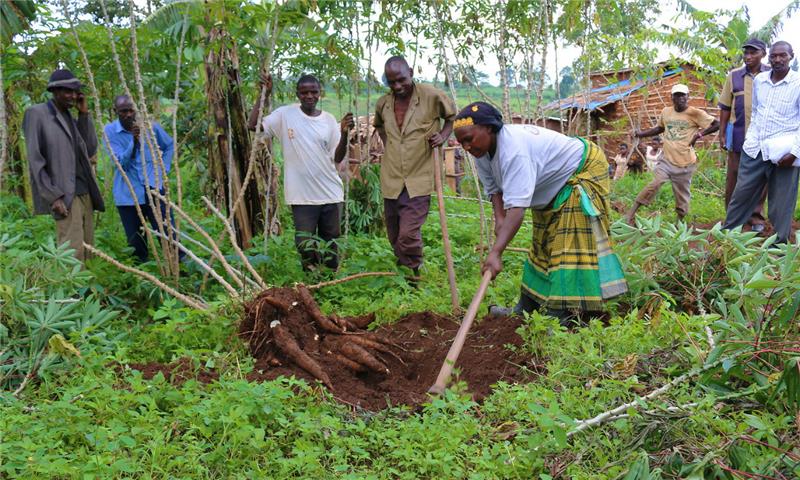
IFPRI in collaboration with Uganda’s National Agricultural Research Organization (NARO), an autonomous public research agency under the auspices of the Ministry of Agricture, Animal Industry and Fisheries, has collected soil health data at plot level together with intra-household socioeconomic data and laboratory analyses of soil samples since 2003. The most recent data collection took place […]

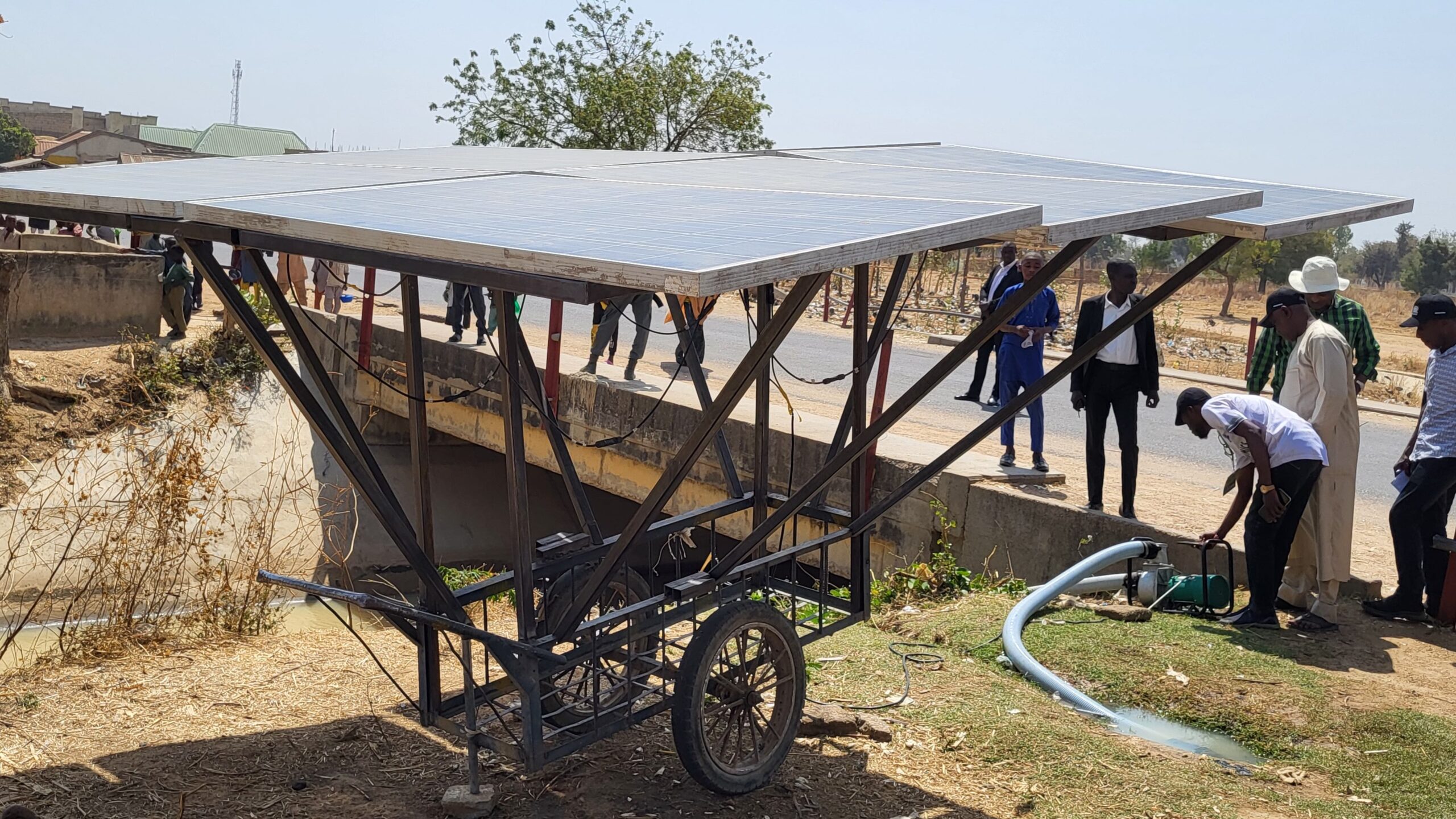
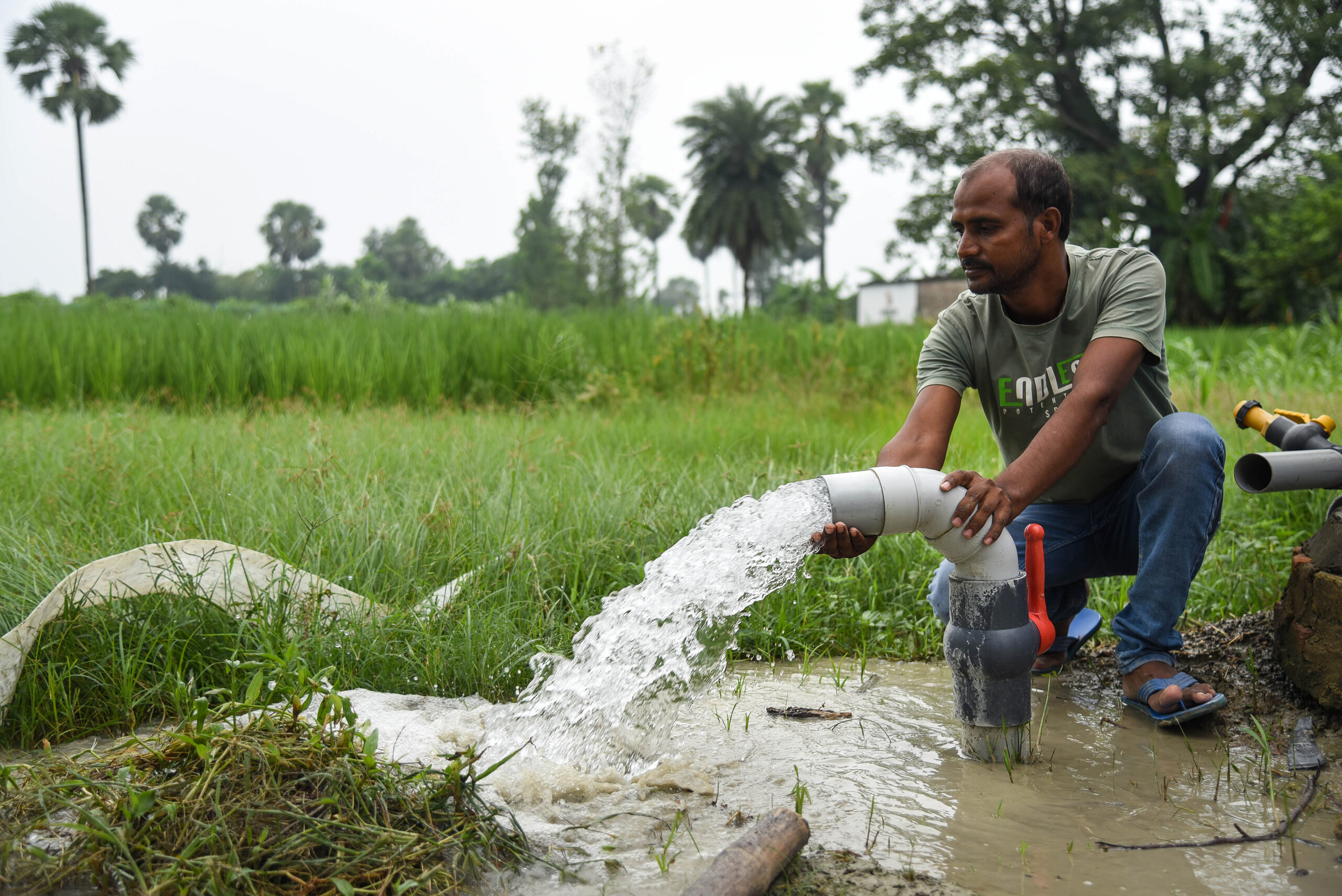
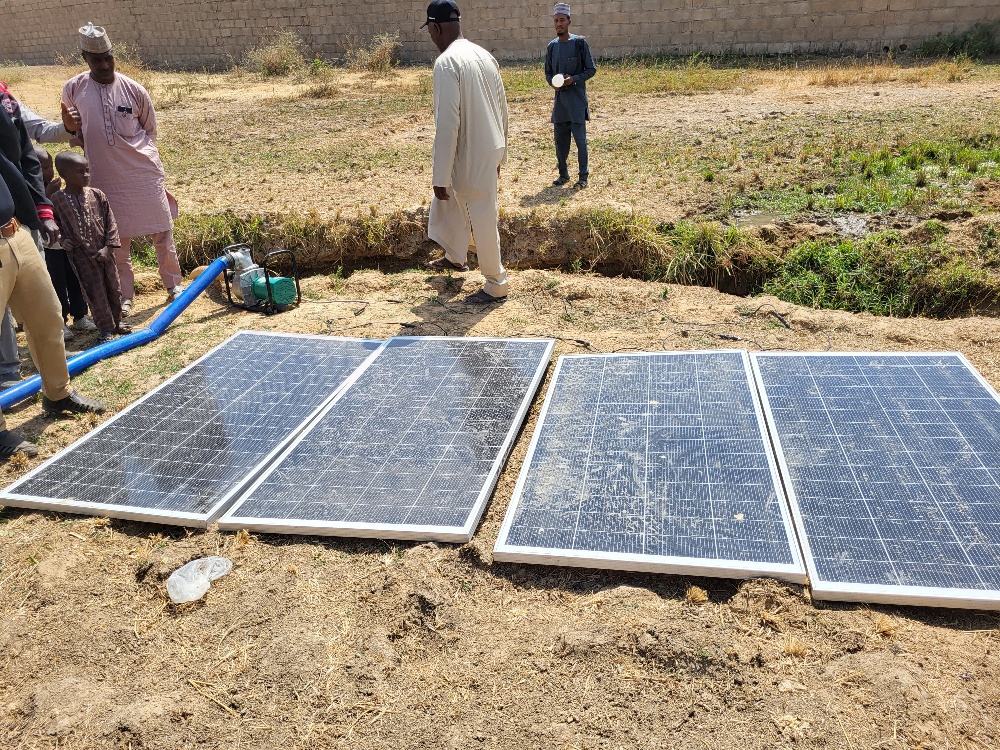
IFPRI researchers Kato Edward and Claudia Ringler presented findings from a performance evaluation of a matching grant subsidy program supporting smallholder farmers in acquiring micro-scale irrigation equipment, mostly solar-powered irrigation systems, in 66 of the 146 districts in Uganda. The micro irrigation program funded by the World Bank and implemented by the Ministry of Agriculture, […]
Claudia Ringler delivered the keynote speech at the Heuermann Lecture at the University of Nebraska–Lincoln.
A new study published today in Nature Sustainability, reaffirms the world’s growing dependence on depleting groundwater systems.
Although Indonesia has enough food to feed its people, it lacks variety beyond rice and tastes are changing as the country becomes wealthier, writes Context (by Thompson Reuters Foundation) in a piece on agricultural production of cassava in light of environmental needs and climate change. About half the world’s population depends on rice as a […]

Director, Natural Resources and Resilience (NRR), Natural
Resources and Resilience

Research Fellow, Natural
Resources and Resilience

Research Analyst, Poverty,
Gender, and Inclusion

Associate Research Fellow, Development
Strategies and Governance

Research Fellow Emeritus, Director
General's Office (DGO)

Senior Research Fellow, Development
Strategies and Governance