



Back

Who we are

With research staff from more than 70 countries, and offices across the globe, IFPRI provides research-based policy solutions to sustainably reduce poverty and end hunger and malnutrition in developing countries.

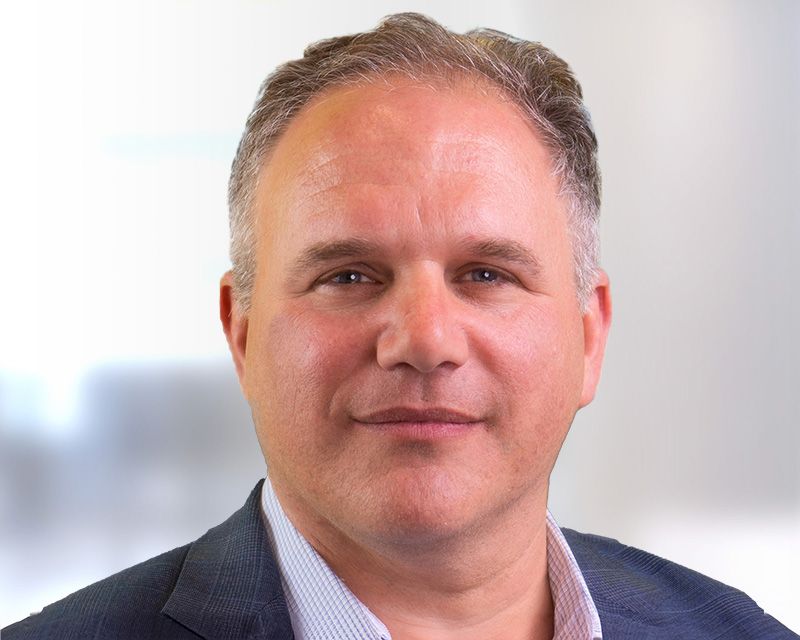
David Spielman

David Spielman is the director of IFPRI’s Innovation Policy and Scaling Unit and has been with the institute since 2004. His research agenda covers a range of topics including agriculture and rural development policy; agricultural science, technology, and innovation; plant genetic resources and seed systems; agricultural extension and advisory services; and community-driven rural development.

Back

What we do

Since 1975, IFPRI’s research has been informing policies and development programs to improve food security, nutrition, and livelihoods around the world.

Where we work

Back

Where we work

IFPRI currently has more than 480 employees working in over 70 countries with a wide range of local, national, and international partners.

Bold Actions for Stimulating Inclusive Growth

An international dialogue organized by IFPRI and hosted by EMBRAPA

June 2, 2010

  • 4:00 – 4:00 pm (America/New_York)
  • 10:00 – 10:00 pm (Europe/Amsterdam)
  • 1:30 – 1:30 am (Asia/Kolkata)

On June 2, 2010, in Brasilia, the Brazilian Agricultural Research Corporation (EMBRAPA) hosted an IFPRI-organized workshop called “Bold Actions for Stimulating Inclusive Growth.” EMBRAPA President Pedro Antonio Arraes Pereira and former IFPRI Chairman Ross Garnaut welcomed the numerous guests to this unique opportunity for international dialogue, and IFPRI Director General Shenggen Fan discussed the role of emerging economies in global food security during his keynote address.

The workshop featured presentations and related discussions focused in four areas of concentration, including pro-poor smallholder growth; rural infrastructure investment; social protection and nutrition; and climate change, biofuel, and natural resources. While a number of presentations looked at the particular situation in Brazil as an example of inclusive growth—from its achievements with public investments in agricultural development to its experiences with biofuels—others compared development strategies from across the globe, including approaches to addressing regional inequality in Latin America and Sub-Saharan Africa and policies on social protection in Asia and Latin America.