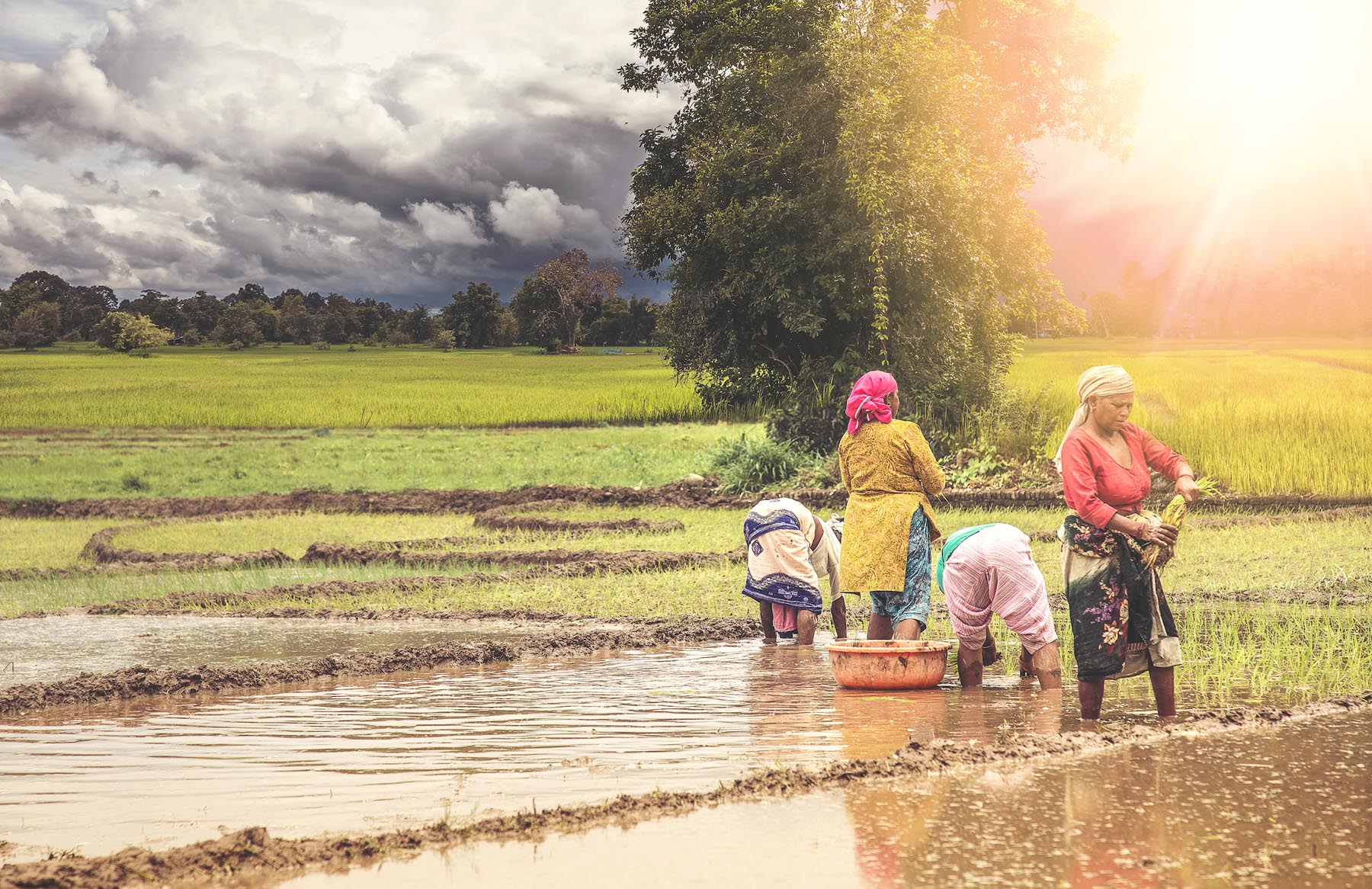
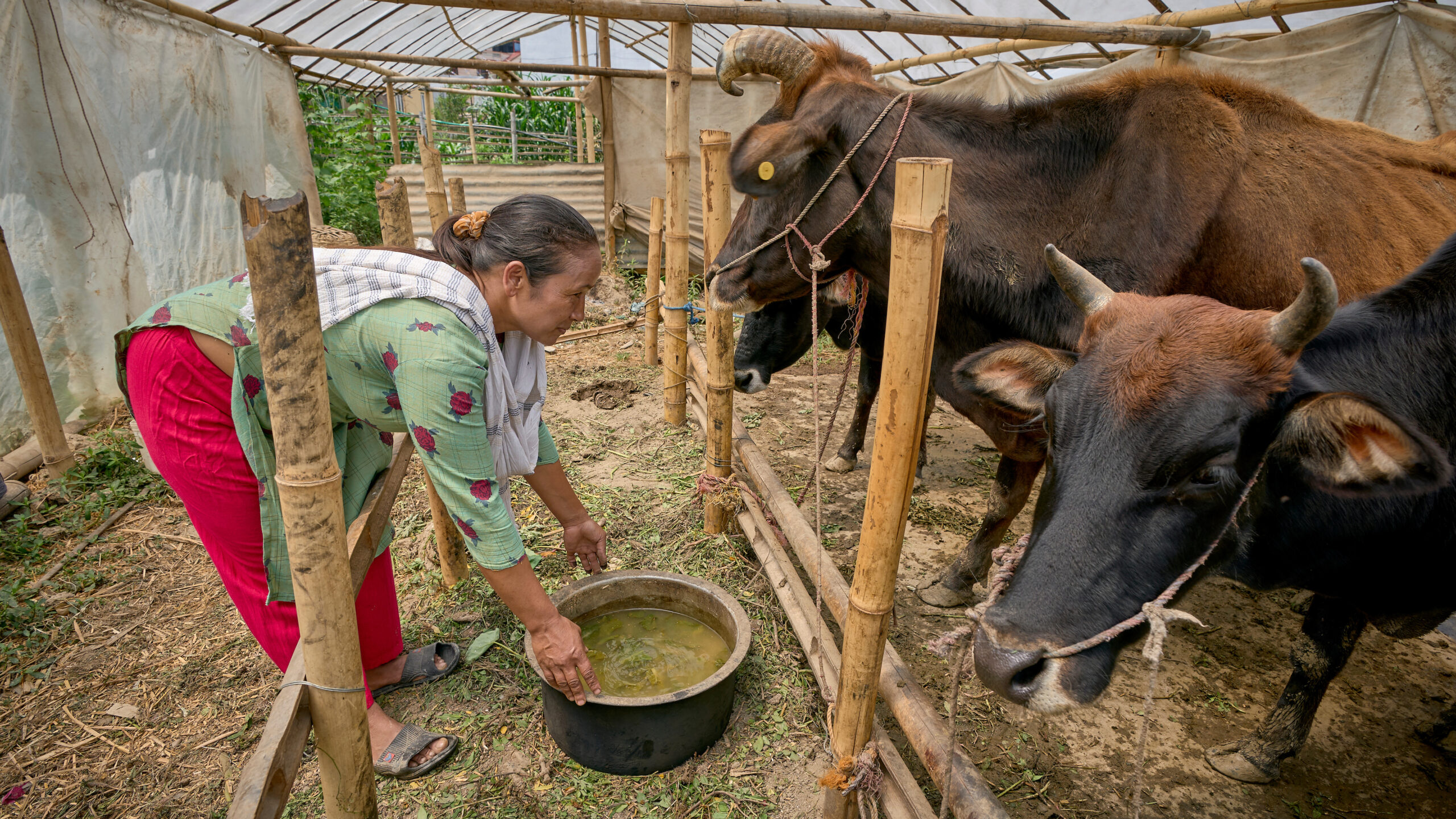
Agricultural development and poverty reduction depend on the effective delivery of public services to farmers and the rural poor. However, the efficient and regular delivery of public services to the poor in rural areas is hindered by far-reaching governance challenges. Service providers must reach remote areas on a regular basis, often with limited resources and with little incentive to perform their duties. Reaching rural women is a particular challenge and they are often neglected, even though they make up the majority of the poor and play a crucial role in agriculture.
A team from IFPRI led by Regina Birner, working with local partners in Ghana and Ethiopia, recently published a World Bank-IFPRI book, Gender and Governance in Rural Services, which presents research results and recommendations on ways to improve agricultural and rural service delivery, and to provide more equitable access to these services for women and men.
Featuring research from India, Ethiopia, and Ghana, the book focuses on two public services, one related to agriculture and the other a nonagricultural rural service: agricultural extension and drinking water.
The book provides empirical evidence on how different accountability mechanisms for agricultural advisory services and drinking water provision work in practice. Based on surveys among male and female service providers, local policymakers, community-based organizations and household members, the book analyzes the suitability of different governance reform strategies to make service provision more gender responsive. Its recommendations will help researchers, public administration staff, policymakers, and NGO and international development agency staff better design and manage reform efforts, projects, and programs dealing with rural service provision.
This book is one output from ongoing IFPRI research on gender, governance, rural service delivery and decentralization.
To read Gender and Governance in Rural Services online, please click here.
Agricultural development and poverty reduction depend on the effective delivery of public services to farmers and the rural poor. However, the efficient and regular delivery of public services to the poor in rural areas is hindered by far-reaching governance challenges. Service providers must reach remote areas on a regular basis, often with limited resources and with little incentive to perform their duties. Reaching rural women is a particular challenge and they are often neglected, even though they make up the majority of the poor and play a crucial role in agriculture.
A team from IFPRI led by Regina Birner, working with local partners in Ghana and Ethiopia, recently published a World Bank-IFPRI book, Gender and Governance in Rural Services, which presents research results and recommendations on ways to improve agricultural and rural service delivery, and to provide more equitable access to these services for women and men.
Featuring research from India, Ethiopia, and Ghana, the book focuses on two public services, one related to agriculture and the other a nonagricultural rural service: agricultural extension and drinking water.
The book provides empirical evidence on how different accountability mechanisms for agricultural advisory services and drinking water provision work in practice. Based on surveys among male and female service providers, local policymakers, community-based organizations and household members, the book analyzes the suitability of different governance reform strategies to make service provision more gender responsive. Its recommendations will help researchers, public administration staff, policymakers, and NGO and international development agency staff better design and manage reform efforts, projects, and programs dealing with rural service provision.
This book is one output from ongoing IFPRI research on gender, governance, rural service delivery and decentralization.
To read Gender and Governance in Rural Services online, please click here.