

Back

Who we are

With research staff from more than 70 countries, and offices across the globe, IFPRI provides research-based policy solutions to sustainably reduce poverty and end hunger and malnutrition in developing countries.

Danielle Resnick

Danielle Resnick is a Senior Research Fellow in the Markets, Trade, and Institutions Unit and a Non-Resident Fellow in the Global Economy and Development Program at the Brookings Institution. Her research focuses on the political economy of agricultural policy and food systems, governance, and democratization, drawing on extensive fieldwork and policy engagement across Africa and South Asia.

Back

What we do

Since 1975, IFPRI’s research has been informing policies and development programs to improve food security, nutrition, and livelihoods around the world.

Where we work

Back

Where we work

IFPRI currently has more than 480 employees working in over 70 countries with a wide range of local, national, and international partners.

Strong Adaptation Policies Needed to Combat Climate Change-Induced Hunger

Open Access | CC-BY-4.0

Strong Adaptation Policies Needed to Combat Climate Change-Induced Hunger

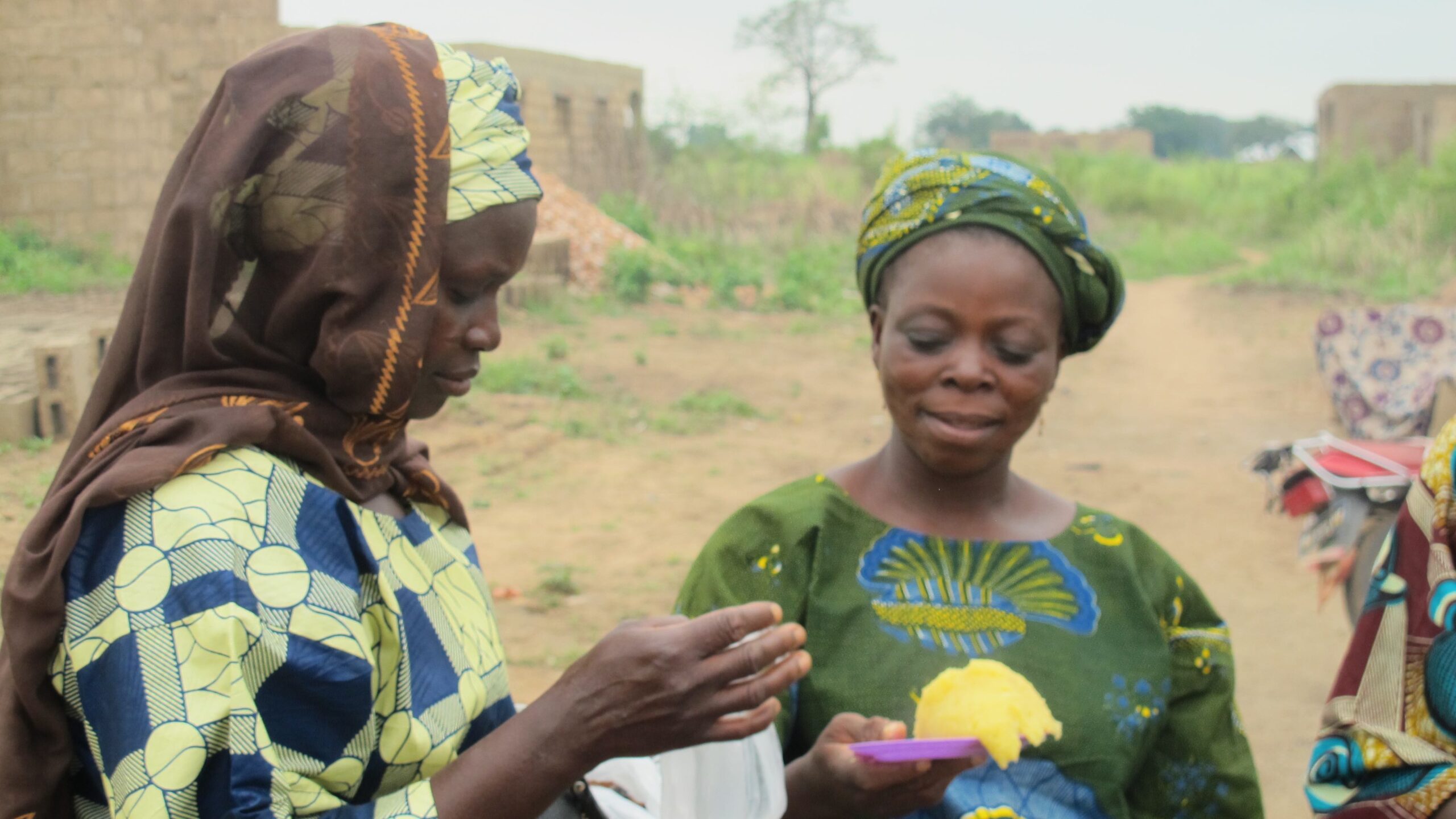
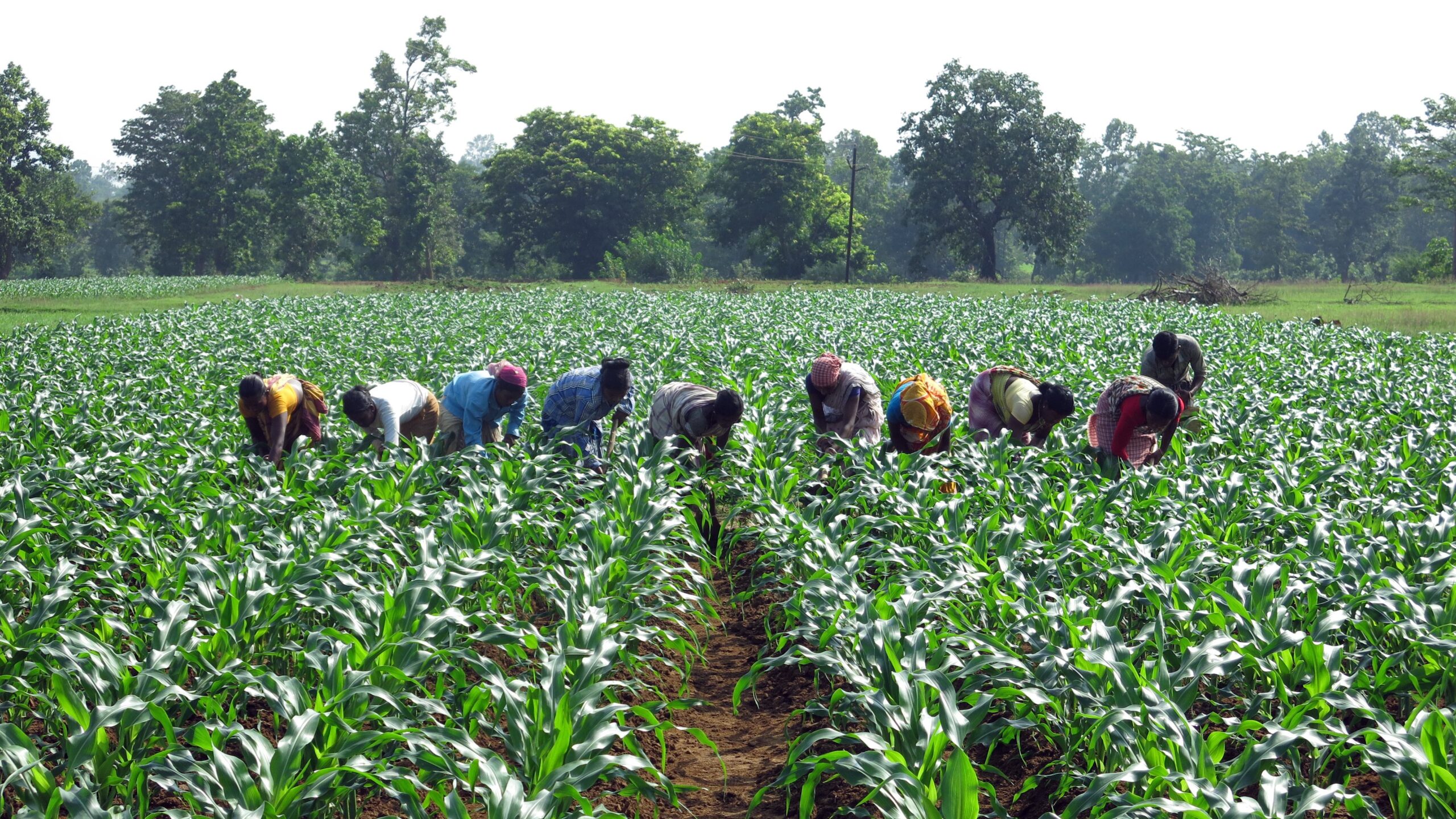
A new report from the World Food Programme (WFP) – co-published by IFPRI – Climate Change and Hunger: Responding to the Challenge details the profoundly negative future impacts of climate change on hunger and malnutrition rates in developing countries, particularly Sub-Saharan Africa. To combat these effects, negotiators currently meeting in Copenhagen to discuss an international climate agreement must support robust institutions and policy frameworks for adaptation to climate change to ensure technology transfer, strong social safety nets, and disaster risk management. Fundamentally, these institutions should aim to make agricultural production systems more resilient and equitable. The WFP report complements the September 2009IFPRI report, Climate Change: Impact on Agriculture and Cost of Adaptation.

More about IFPRI research on agriculture and climate change.
A new report from the World Food Programme (WFP) – co-published by IFPRI – Climate Change and Hunger: Responding to the Challenge details the profoundly negative future impacts of climate change on hunger and malnutrition rates in developing countries, particularly Sub-Saharan Africa. To combat these effects, negotiators currently meeting in Copenhagen to discuss an international climate agreement must support robust institutions and policy frameworks for adaptation to climate change to ensure technology transfer, strong social safety nets, and disaster risk management. Fundamentally, these institutions should aim to make agricultural production systems more resilient and equitable. The WFP report complements the September 2009IFPRI report, Climate Change: Impact on Agriculture and Cost of Adaptation.

More about IFPRI research on agriculture and climate change.
No links


Countries/Areas


Topics


Donors

No donors listed

Previous Blog Posts