




Search our blogs
Filters
Found 1389 Results
-
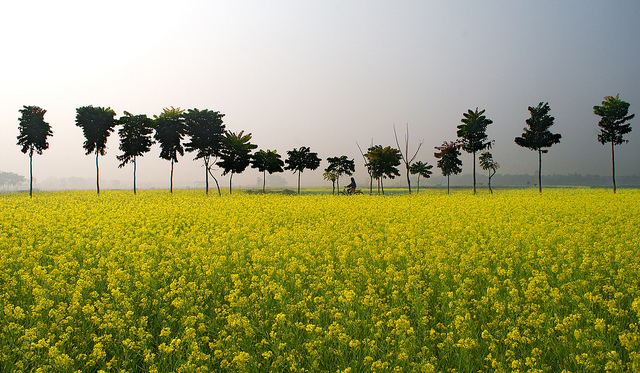
Let the Dhara flow: GM mustard is pro-farmer and pro-science
Evidence shows that genetically modified crops cause no human health or environmental harm, and bring substantial benefits to farmers. IFPRI's Avinash Kishore argues the government of India should allow for the use of this new technology.
-
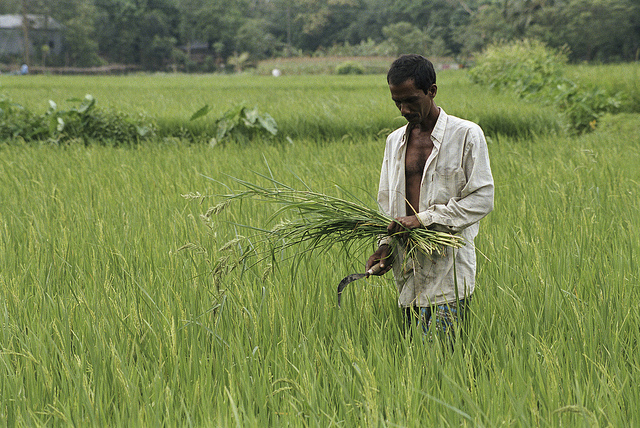
Index insurance as an instrument for managing risk and modernizing agricultural production
An IFPRI trial in Bangladesh shows that index-based insurance—with payouts based on weather data or other benchmarks rather than actual losses—has benefits beyond mere compensation.
-

IFPRI-University of Maryland collaboration builds long-term capacity for reducing hunger and malnutrition
Students in a UMD class on international crop production learn food policy analysis by focusing on the role of social entrepreneurship.
-
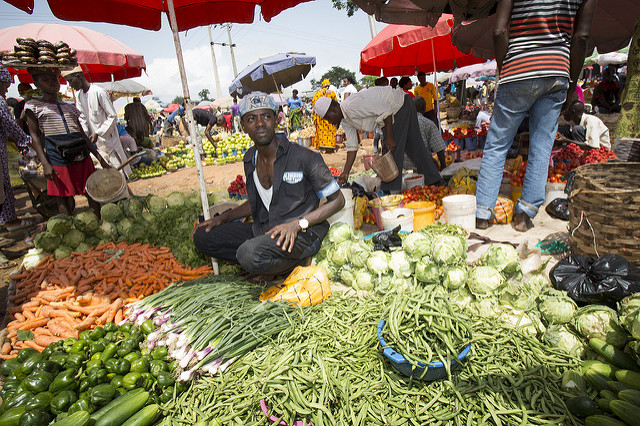
Why brutalizing food vendors hits Africa’s growing cities where it hurts
With food demand rising, it's time for local governments in Africa to embrace rather than quash informal food markets and vendors.
-

Reshaping China’s food system through agricultural ‘supply-side structural reform’
IFPRI's Director General on how China's economic reforms should target agriculture to end hunger and malnutrition.
-

World Health Day 2017: The links between mental health and child undernutrition and illness
IFPRI research shows that maternal mental health problems, including depression, can harm child nutrition and health—and that helping mothers in this regard helps children.
-
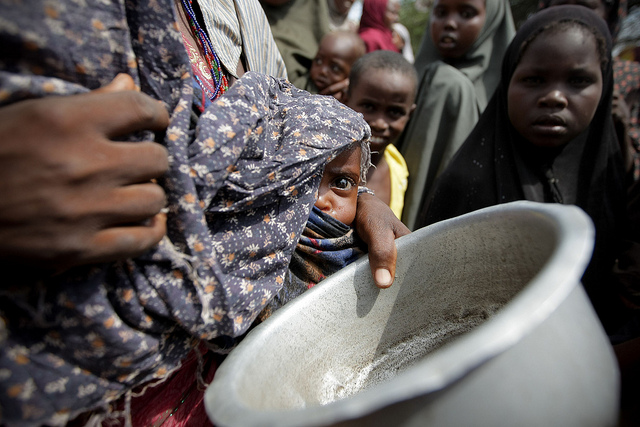
Strategies for preventing recurring famines and building resilient food systems
Famines are not the inevitable result of environmental conditions. The right mix of assistance and strategic support, sustained over time, can head off the next catastrophe.
-

Why should you apply for the Transforming Nutrition Short Course?
A five day course designed for both policy makers and practitioners that leads participants through cutting-edge knowledge and evidence on global nutrition.
-
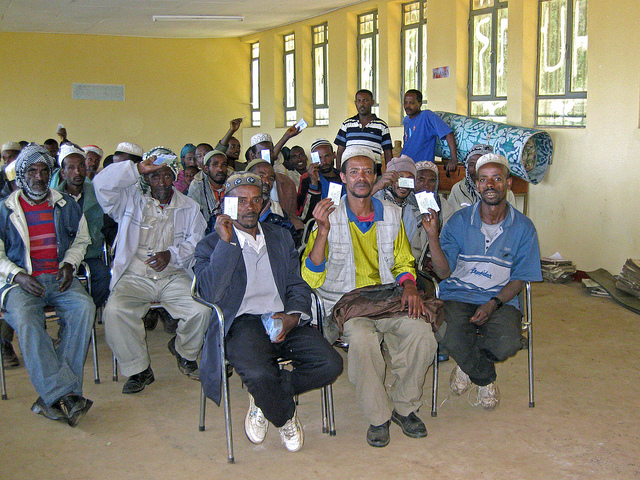
Innovation in insurance: Managing the risky business of weather
IFPRI research shows that index insurance—which pays farmers automatically based on deviations from an index of rainfall and other factors—can improve the social welfare of rural communities.
-

2017 Global Food Policy Report outlines challenges, opportunities in feeding growing urban populations
Participants in IFPRI's 2017 GFPR launch say a paradigm shift is needed in food policy that bridges the needs of cities and rural areas.