




Policy Research for Evolving Food Systems Needs
Looking Toward 2050
Since its founding in 1975, IFPRI has worked closely with hundreds of partners, including its sister CGIAR centers, around the world to provide research-based policy solutions that sustainably reduce poverty and end hunger and malnutrition. IFPRI’s research has informed important policy, program, and investment decisions and had a positive impact on the lives of many people in low- and middle-income countries. IFPRI is also looking ahead to 2050, with a focus on ensuring that high-quality evidence remains at the forefront of national, regional, and global development policy processes in an increasingly complex world.
We are proud to showcase the importance of food policy research as we mark our 50th anniversary with a series of outputs and events:
50th Anniversary Global Food Policy Report special edition
Our flagship 2025 Global Food Policy Report, released on May 28, 2025, highlights key lessons, impacts, and forward-looking analysis from food policy research for sustainable, equitable food systems. With chapters from IFPRI researchers, colleagues, and partners, Food Policy: Lessons and Priorities for a Changing World examines the evidence built over the past 50 years and identifies critical research directions to inform strategies and policies for achieving key development outcomes by 2050.
Measuring Our Impact
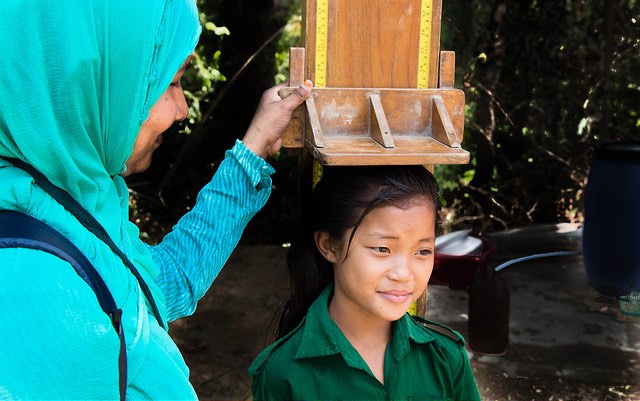
IFPRI is committed to providing research solutions that make a difference in people’s lives. Building on past assessments, we have released a new external impact assessment on the past 50 years of our work. We will also continue to add to our Making a Difference blog, which highlights stories of IFPRI’s impact through research around the world.

New IFPRI Strategy
IFPRI’s newly released Strategy for 2026–2030 builds on the Institute’s established strengths and four proven research approaches to generating policy-relevant evidence. Five new research themes take on new challenges and opportunities across food systems—from farmer to consumer. With a stress on working with partners, the strategy aims to accelerate the Institute’s commitment to decentralized, demand-driven, and collaborative research that will support impact at scale in the coming years.
Faces of IFPRI
“Faces of IFPRI” series features IFPRI colleagues around the world, showcasing the diversity of talent, geographies, and research interests across the Institute. See below the latest two episodes, and more on our YouTube channel !

50 Years of Innovation
Over 50 years, IFPRI researchers—together with partners around the world—have developed many groundbreaking innovations to strengthen and support evolving food systems. This selection offers a glimpse into this work. Click through and learn more from our posts on LinkedIn
History & Impact
Featured Publications
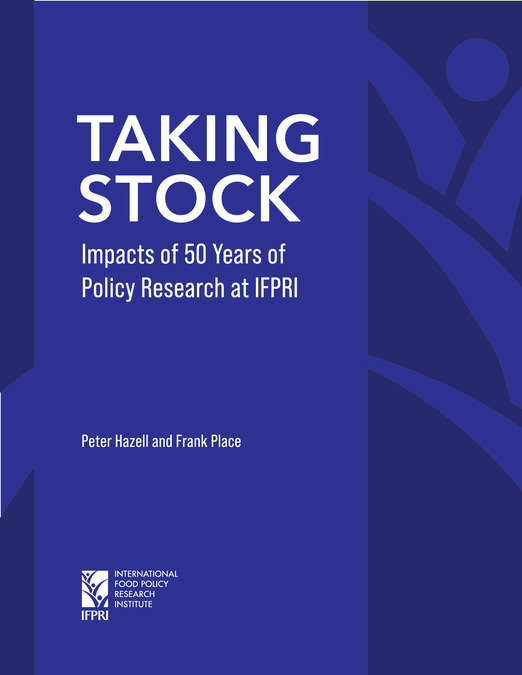
Report
Taking stock: Impacts of 50 years of policy research at IFPRI
Hazell, Peter B. R.; Place, Frank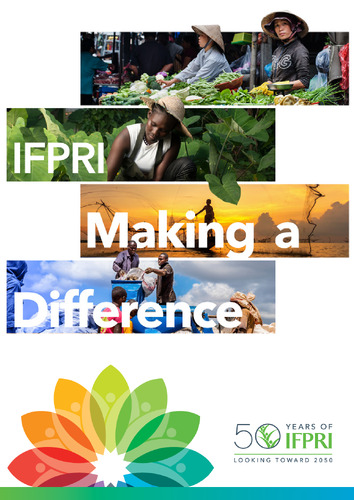
Brochure
IFPRI Making a difference
International Food Policy Research Institute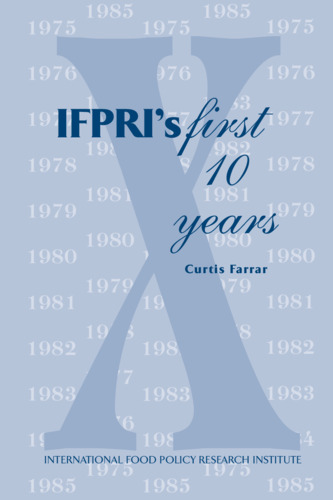
Book
IFPRI's first 10 years
Farrar, Curtis50th Anniversary Blog Series
-
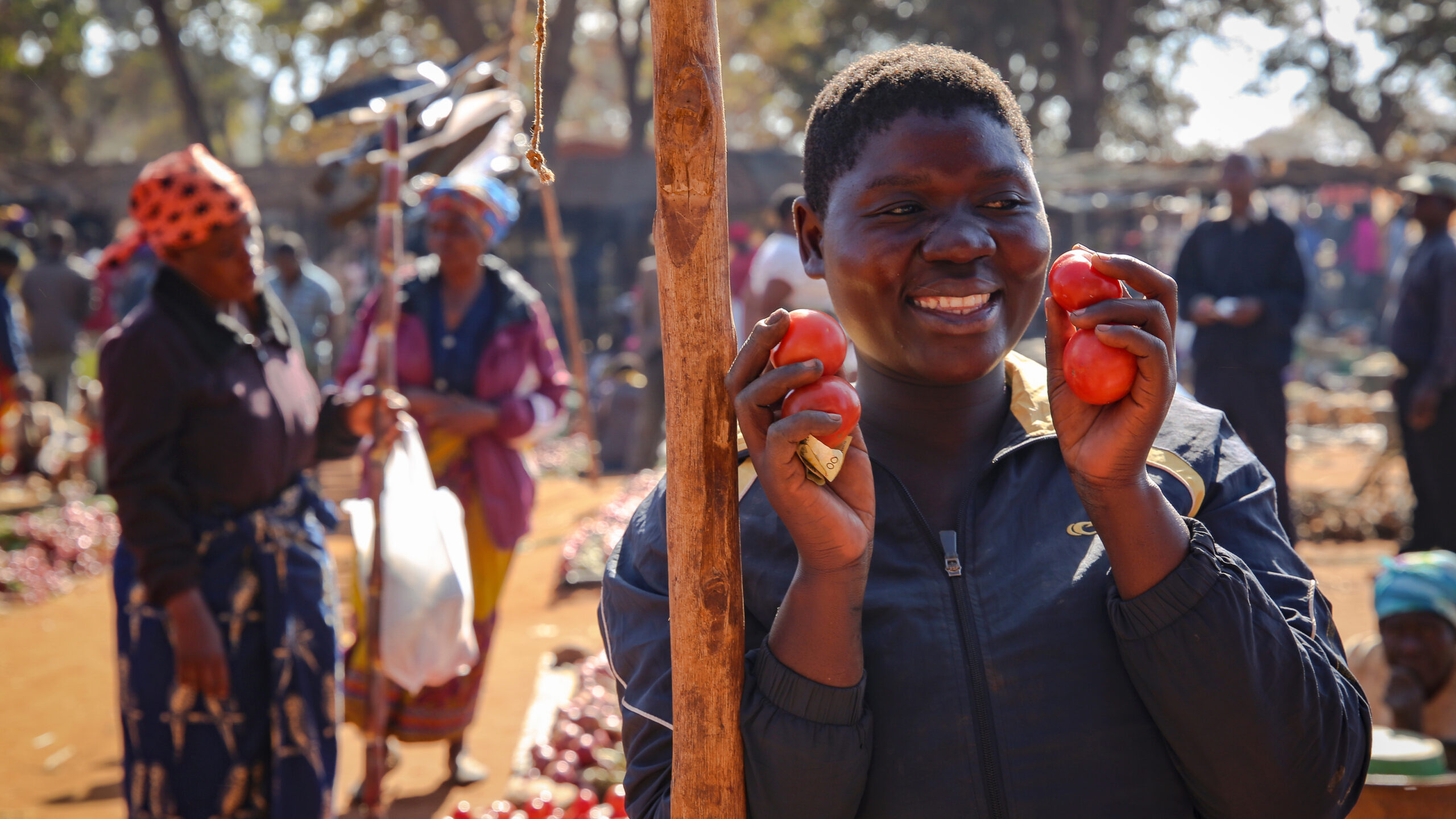
50th Anniversary Impact Assessment Report: Highlights of how IFPRI research has shaped global food policy
Taking stock the institute’s work.
-
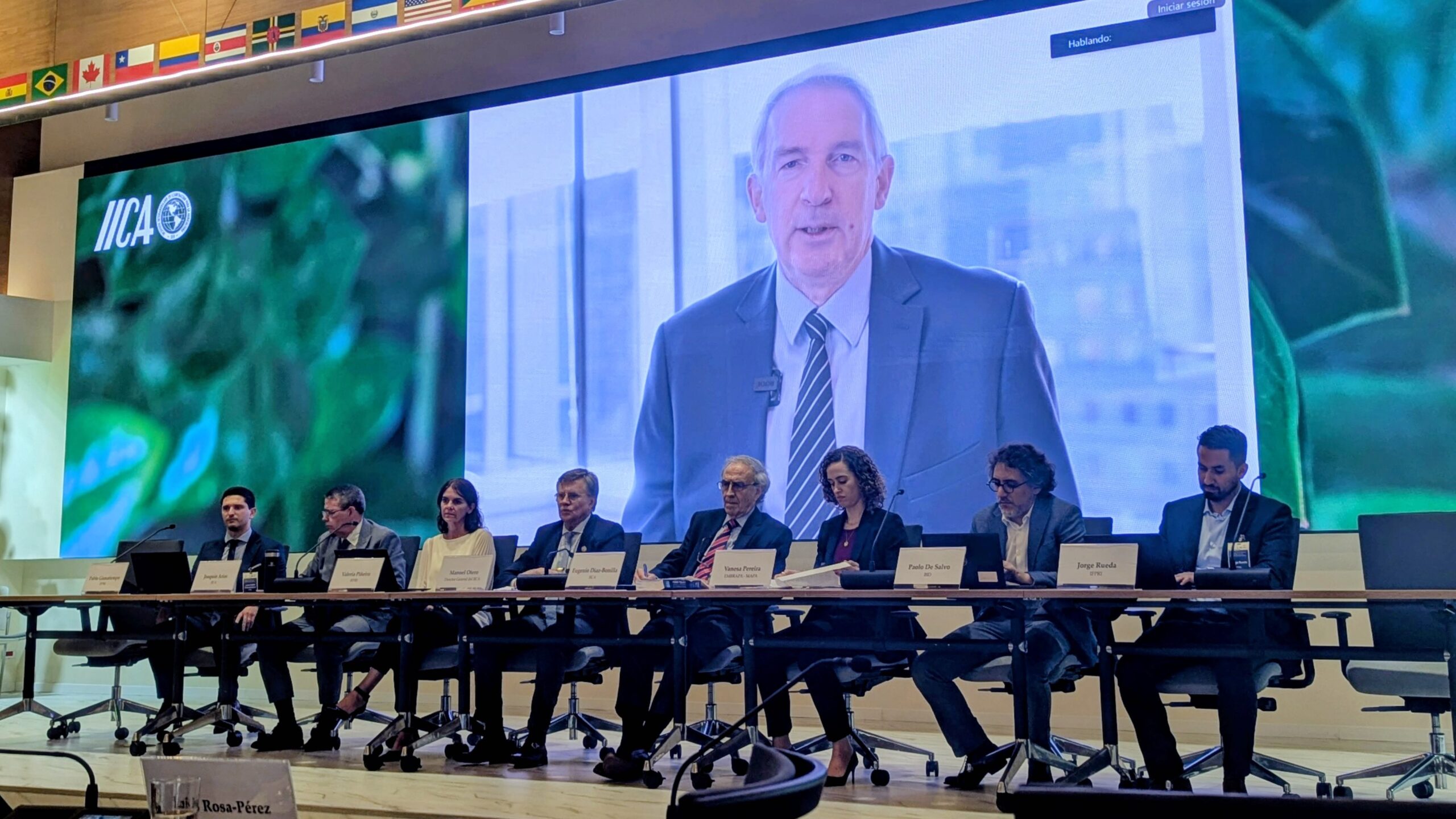
Celebrating 50 years of IFPRI: Transforming agrifood systems in Latin America and the Caribbean
Regional insights from the 2025 Global Food Policy Report.
-
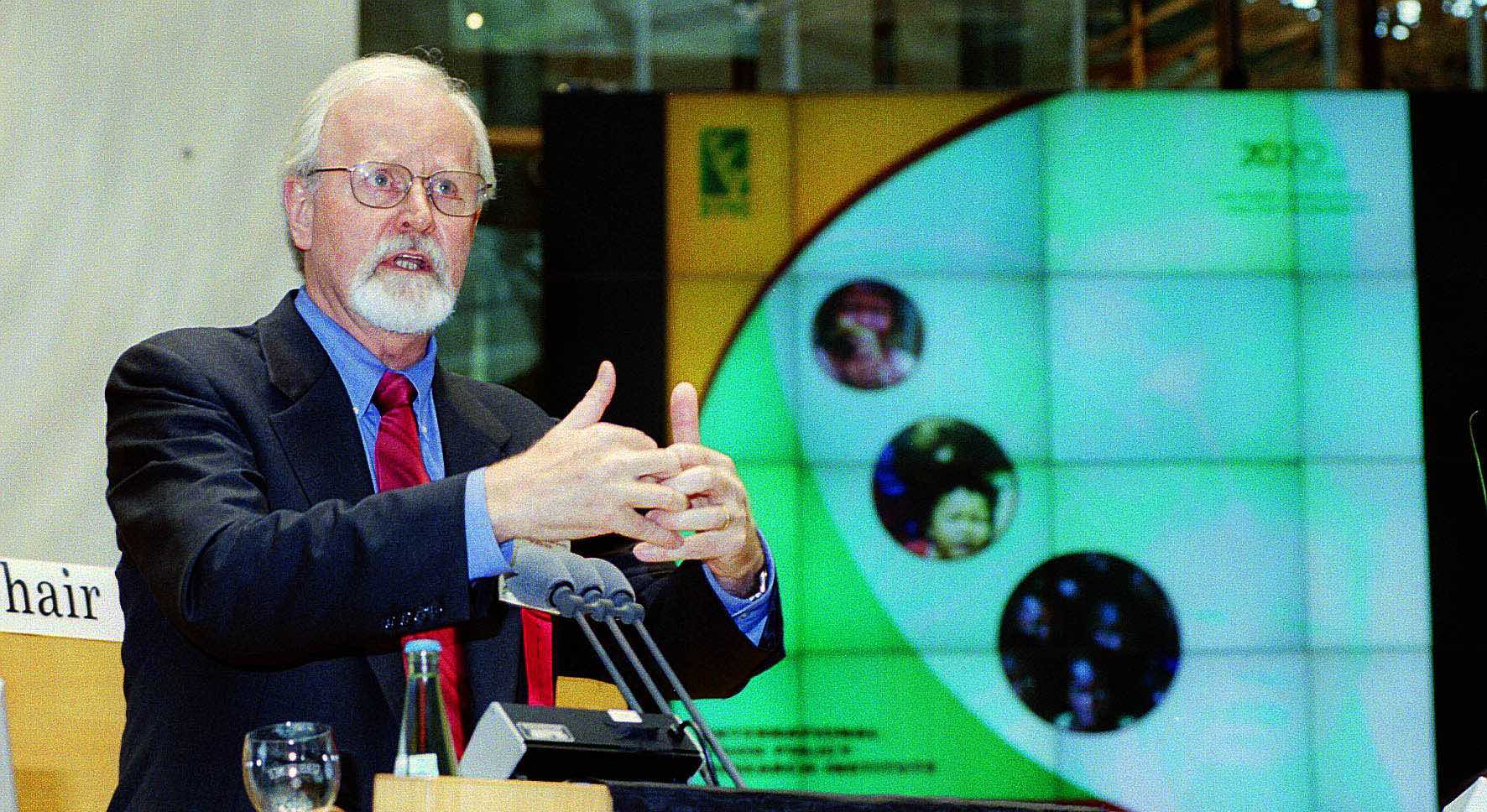
A key decade of food system change and looking forward: Per Pinstrup-Andersen on his time as IFPRI Director General
Insights from a World Food Prize laureate.

Within five years, [Rwanda achieved] a 12 percent reduction in poverty … because we focused on where the majority of people were … When IFPRI does these studies, it provides evidence that move us forward and help our countries understand where to put our efforts.

Agnes Kalibata
President, Alliance for a Green Revolution in Africa (AGRA)
April 22, 2024
IFPRI helped build the organizational capacity of Ethiopia’s Agricultural Transformation Agency (ATA) to undertake policy and additional research design, and implement some of the most impactful projects that it has actually undertaken to date.

Khalid Bomba
Founding CEO, Ethiopia Agricultural Transformation Agency (ATA)
November 6, 2023
Look how far we’ve come. Thanks to IFPRI, and other partners, we now know so much more about what needs to be done to improve agriculture, food security, and nutrition.

Melinda French Gates
Co-chair, Board Member, The Bill & Melinda Gates Foundation
November 18, 2015
[IFPRI has had a] strong presence in Bangladesh, conducting demand-driven food and agricultural policy research and providing evidence-based policy support to the government.

Matia Chowdhury
Member of Parliament, Former Minister of Agriculture, Bangladesh
November 18, 2015