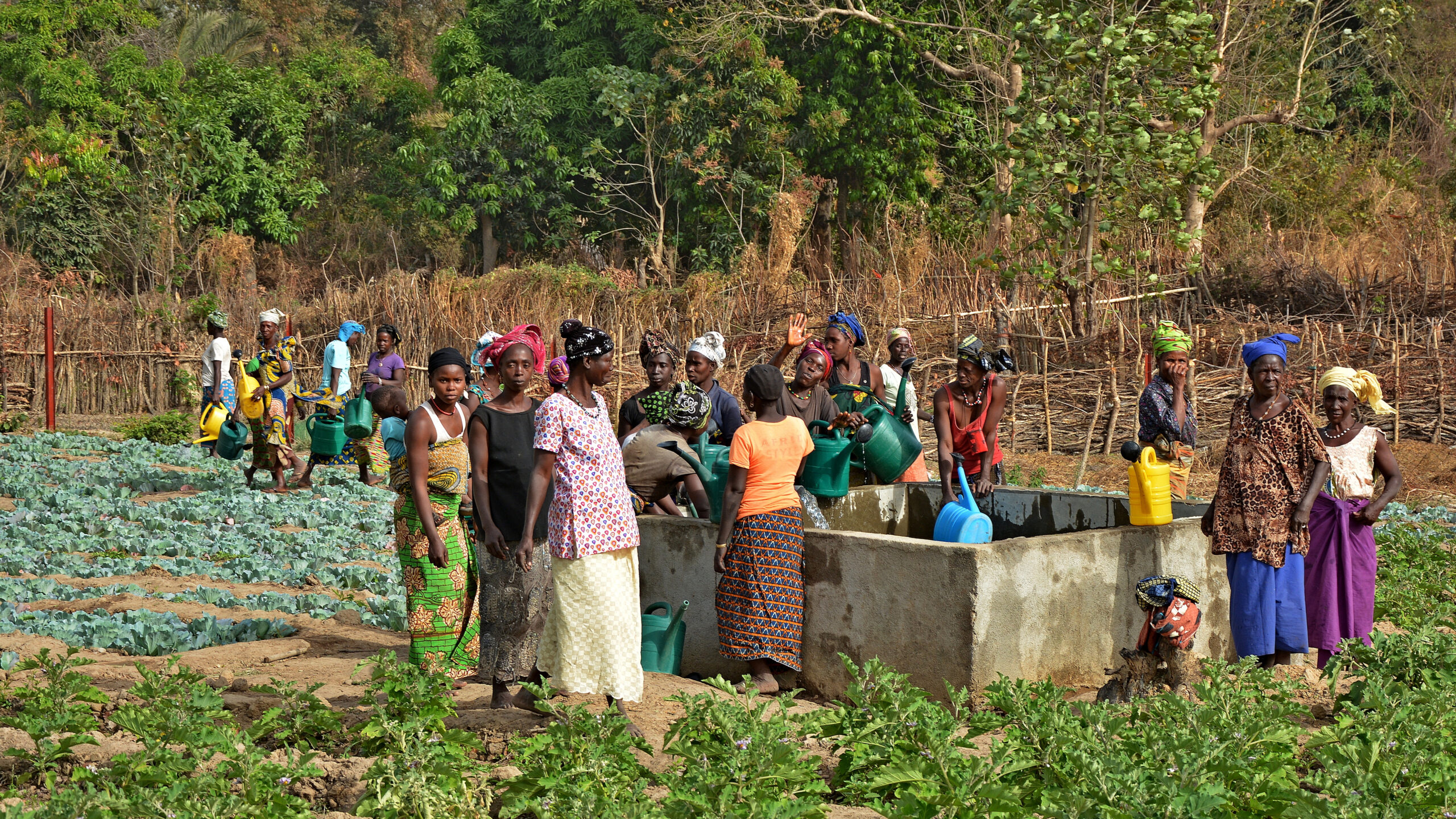




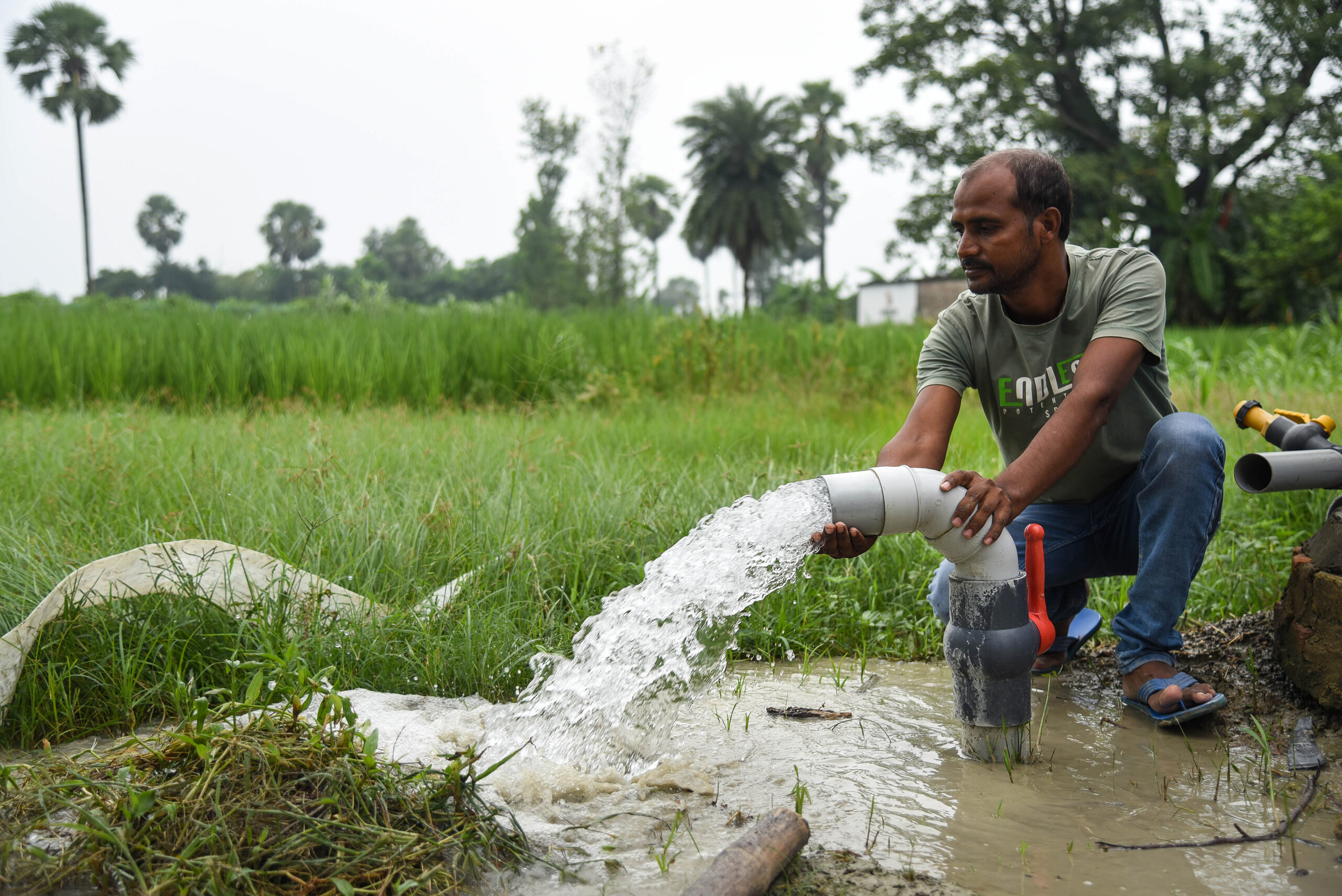

Small-scale irrigation provides benefits for productivity, income, food security, nutrition, and resilience to climate shocks. However, women often face greater constraints than men to accessing small-scale irrigation technologies and services. Irrigation interventions are rarely designed or implemented with a gender lens. Alternative modalities for supplying irrigation are needed to increase scalable and equitable access for all small-scale producers. Without careful consideration of the constraints women face and ways to address them, efforts to scale irrigation technologies or modalities may fail to reach or may even harm women.
The project explores these issues in phases: Phase 1 will assess the potential for women’s inclusion in various business models of irrigation service provision through literature review, interviews with key informants involved in providing and receiving irrigation services, and field visits. Promising approaches for more inclusive irrigation service provision will be identified using rapid assessment methods. Phase 2 will apply qualitative methods to understand gendered dynamics and outcomes as promising business models are being rolled out in a new context. Based on these findings, the project will develop guidance for project implementers, investors, policymakers, and other decision-makers on what gender-related factors need to be considered in the design of irrigation service models and which models or features of these models are able to reach and benefit women, as providers of irrigation services, as clients, and as indirect beneficiaries.