

Search our blogs
Filters
Found 1330 Results
-
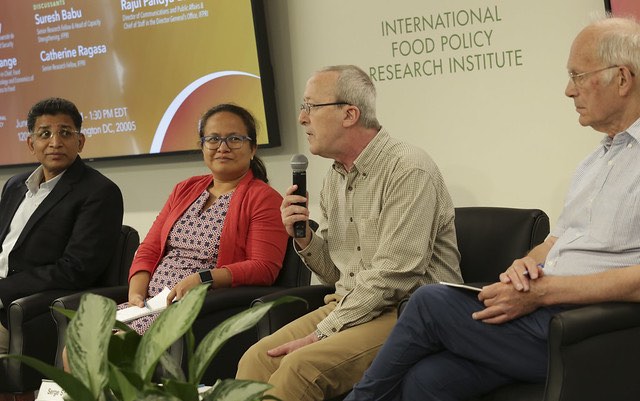
Special event: At 10, Food Security journal builds on multidisciplinary research
Food security is about more than just producing food – a discussion.
-
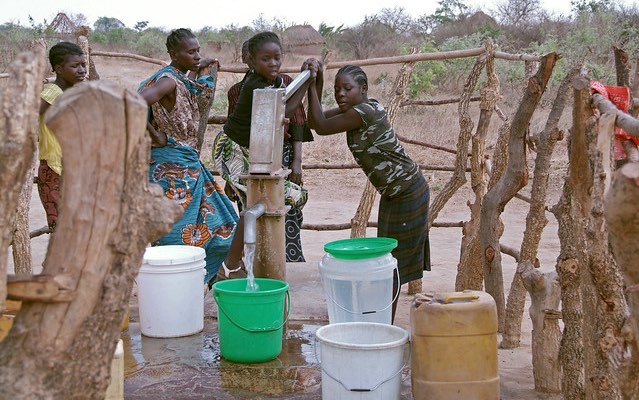
Food security depends on water security – and we need to act now
There is not enough water—as currently managed—to sustain the world’s population and end hunger and malnutrition. Some key pathways to change.
-
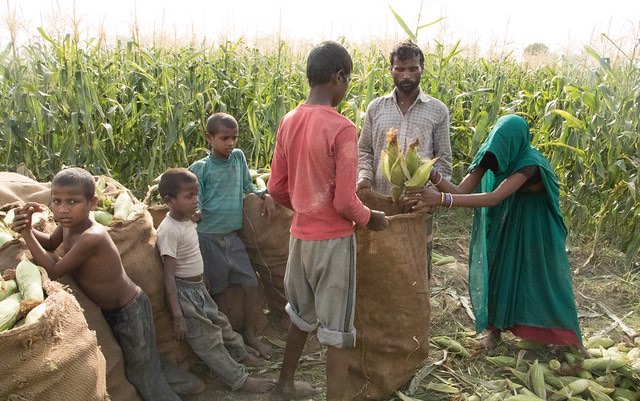
Measuring and reducing food loss in developing countries
IFPRI research outlines the scale and the causes of the major global problem of food loss and waste.
-
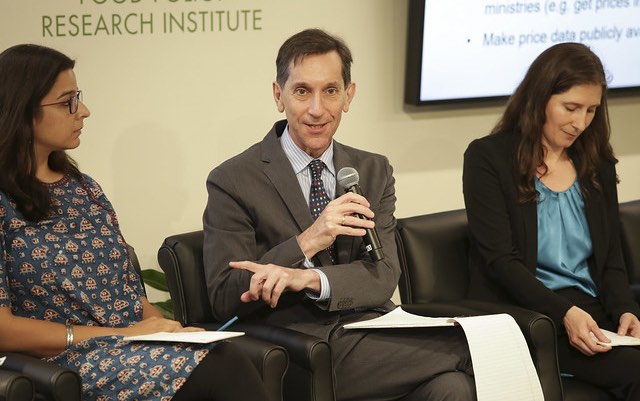
Policy seminar: The true cost of eating right – are nutritious diets becoming more accessible?
A Tufts-IFPRI project is analyzing the links between shifting food prices, rising incomes, and nutrition.
-
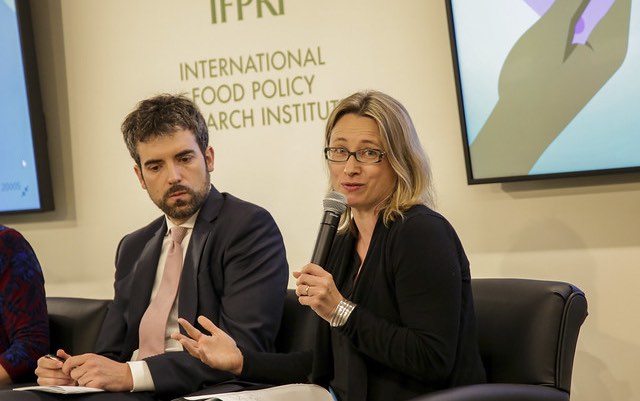
Policy seminar: Building resilience through financial inclusion
Insurance and other forms of financial support can help poor families build resilience to economic and climate shocks—but we need to know more.
-
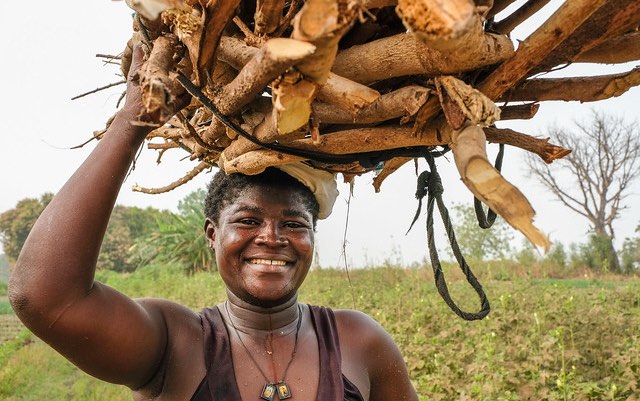
Employment, diversifying rural livelihoods, and youth: Lessons for Ghana from the 2019 Global Food Policy Report
A look at the potential of Ghana's rural policies and programs to foster rural revitalization?
-
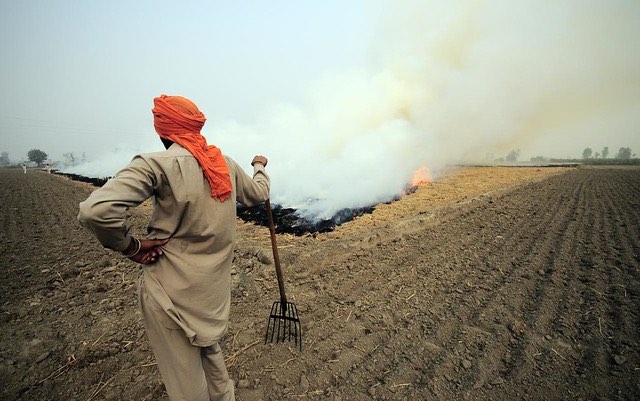
World Environment Day: The need for strong institutions and policies to restore and protect planetary health
Some practical suggestions for preserving the environment—and with it, public health and well-being—by strengthening sustainable agricultural and food system practices.
-
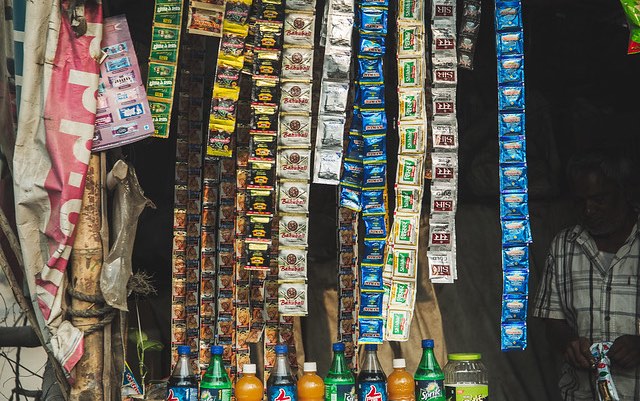
Principles, practice, and the private sector’s role in malnutrition: Time to review red lines?
How should government agencies and development and nutrition professionals engage with businesses?
-
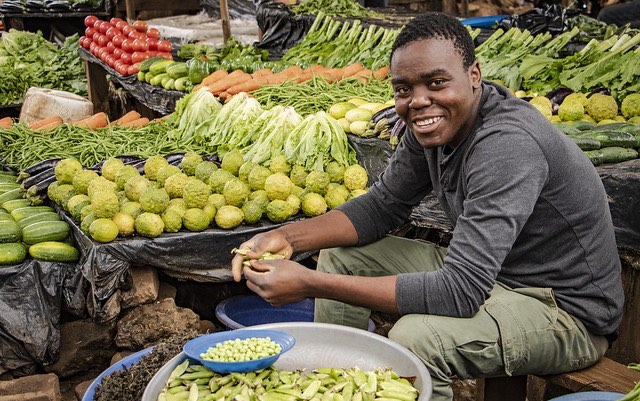
To transform the global food system and feed the world sustainably, start at the local level
Recent global reports stress the urgency of transforming food systems in the face of climate change, urbanization, and other challenges—but how, practically, can we begin to do that?
-
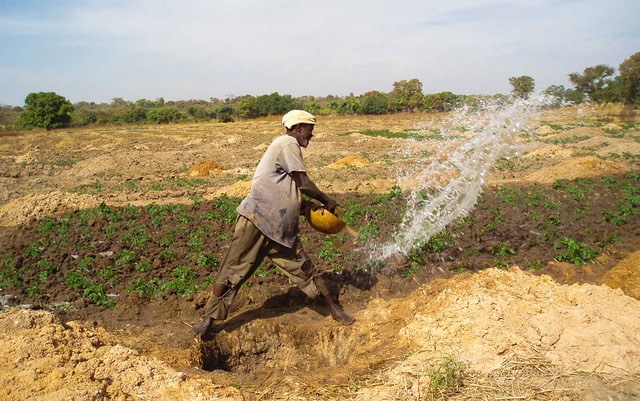
T20: Investments in irrigation and food system links can prevent food crises in Africa south of the Sahara
The G20 think tank platform outlines a path for transforming Africa's food systems and building long-term food security.