



Search our blogs
Filters
Found 1390 Results
-
Getting more impact from science, technology, and innovation
Progress toward improving food security and nutrition depends on effective and efficient agricultural research and development. How can scientific discovery, technology development, and innovation for food security best be fostered? IFPRI’s policy research on science, technology, and innovation (STI) has addressed this question at the global level—creating international public goods (IPGs) that provide the underpinnings […]
-

Using video to promote improved potato seed quality in southwestern Uganda
In Uganda, low quality of potato seed is a major contributor to low potato yields among smallholder farmers.
-
A new global food system for achieving the Sustainable Development Goals
The Sustainable Development Goals are charting a path towards meeting current needs without compromising the ability of future generations to meet their own needs.
-
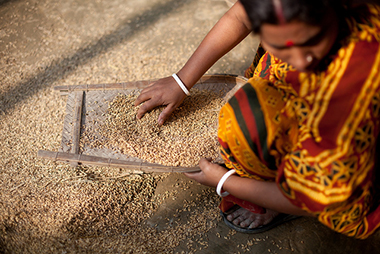
Can cash transfers prevent intimate partner violence?
Research highlights from the CGIAR Research Program on Policies, Institutions, and Markets (PIM) on violence against women.
-

ASTI launches new data, report, and website for Latin America and the Caribbean
Agricultural Science and Technology Indicators (ASTI) program officially launched its new agricultural research and development indicators for Latin America and the Caribbean.
-
Delivering seeds of change to smallholder farmers
Improved seeds and traits are central to many developing countries’ national strategies for agricultural development and economic growth.
-
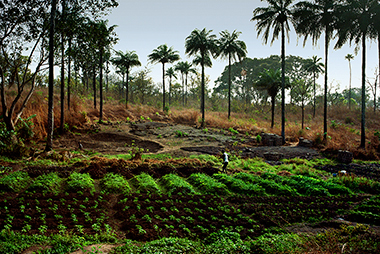
Healthy soils for global sustainable development
It takes millennia to develop fertile soils, but according to authors of a chapter on soils in the 2016 GFPR, we are losing 75 billion tons of soil globally each year, with impacts that not only hurt poor farmers, but extend well beyond the farm.
-

Food security and nutrition in the 2016 globalized economy
Guest post by Ricardo Meléndez-Ortiz, co-founder and Chief Executive at the ICTSD.
-
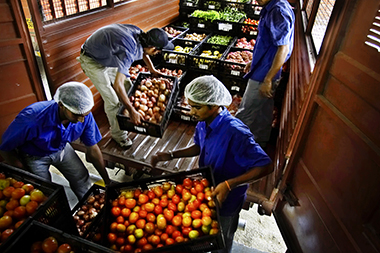
Harnessing value chains to improve food systems
Chapter 6 of the 2016 Global Food Policy Report highlights the need to adapt food systems to support nutritious and sustainably-produced diets.
-
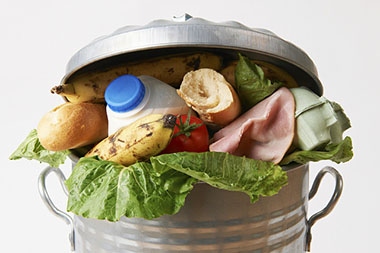
Measuring food loss and waste
The global food system puts significant pressure on the world’s natural resources and is a major contributor of GHG emissions. At the same time, a large amount of the food produced by this system is either lost or wasted each year.