




Search our blogs
Filters
Found 1389 Results
-
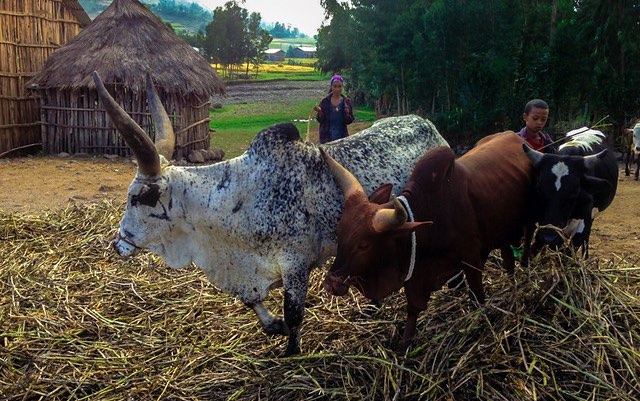
2019 Global Food Policy Report Ethiopia Launch: Achieving rural Africa’s inclusive transformation
Ethiopia's rural areas are at risk. Revitalizing them, and rural regions across Africa, requires a sustained strategic effort.
-

2019 Global Food Policy Report Bhutan launch: Charting paths to rural revitalization
Bhutan's focus on promoting happiness provides lessons for rural development.
-
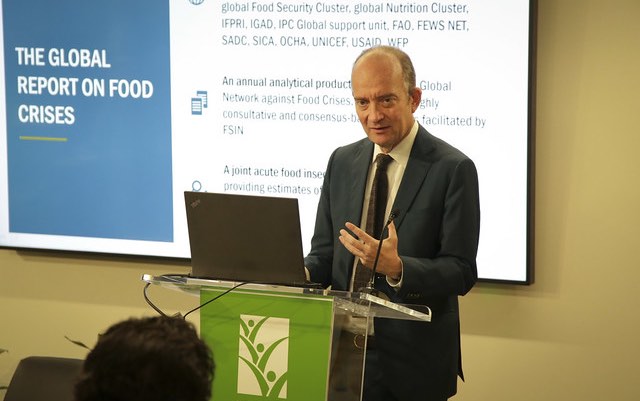
Global Report on Food Crises 2019
A new report explores the drivers of acute global hunger levels, which have surpassed 100 million for the past three years.
-
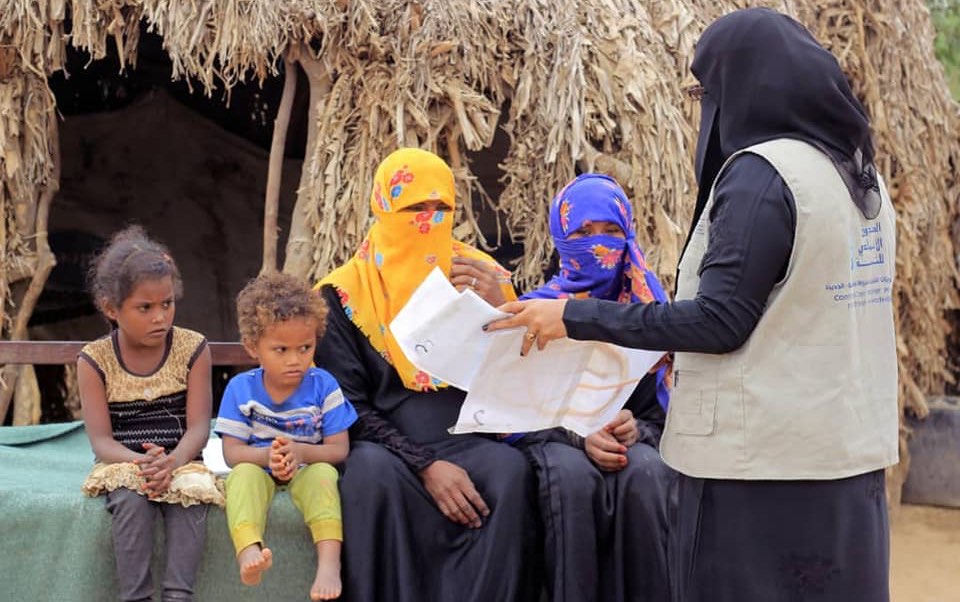
Cash transfers can help Yemen’s conflict-affected children
Two recent studies provide evidence that cash transfers can reduce conflict-driven malnutrition in Yemen.
-
Giving and taking between husband, wives, and co-wives
A new study focusing on Nigeria shows that polygyny (the practice having more than one wife) presents development challenges, as economic cooperation is lower among polygynous spouses than monogamous ones.
-
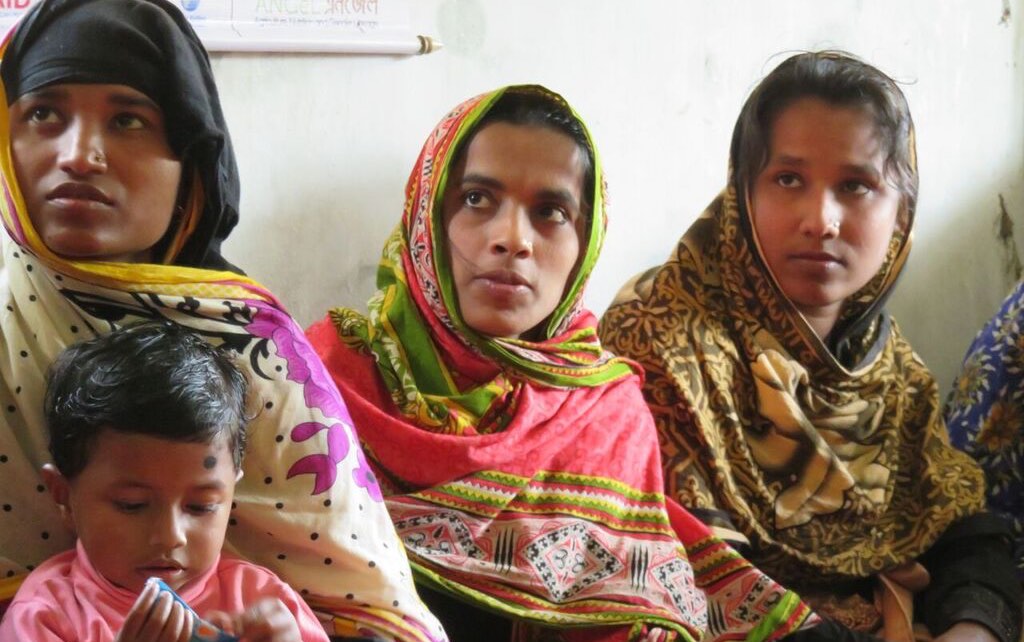
Is empowering women in agricultural development projects worth the investment? Yes, when done right.
A growing body of evidence shows that women's empowerment programs have substantive development impacts that go beyond the goal of gender equality for its own sake.
-
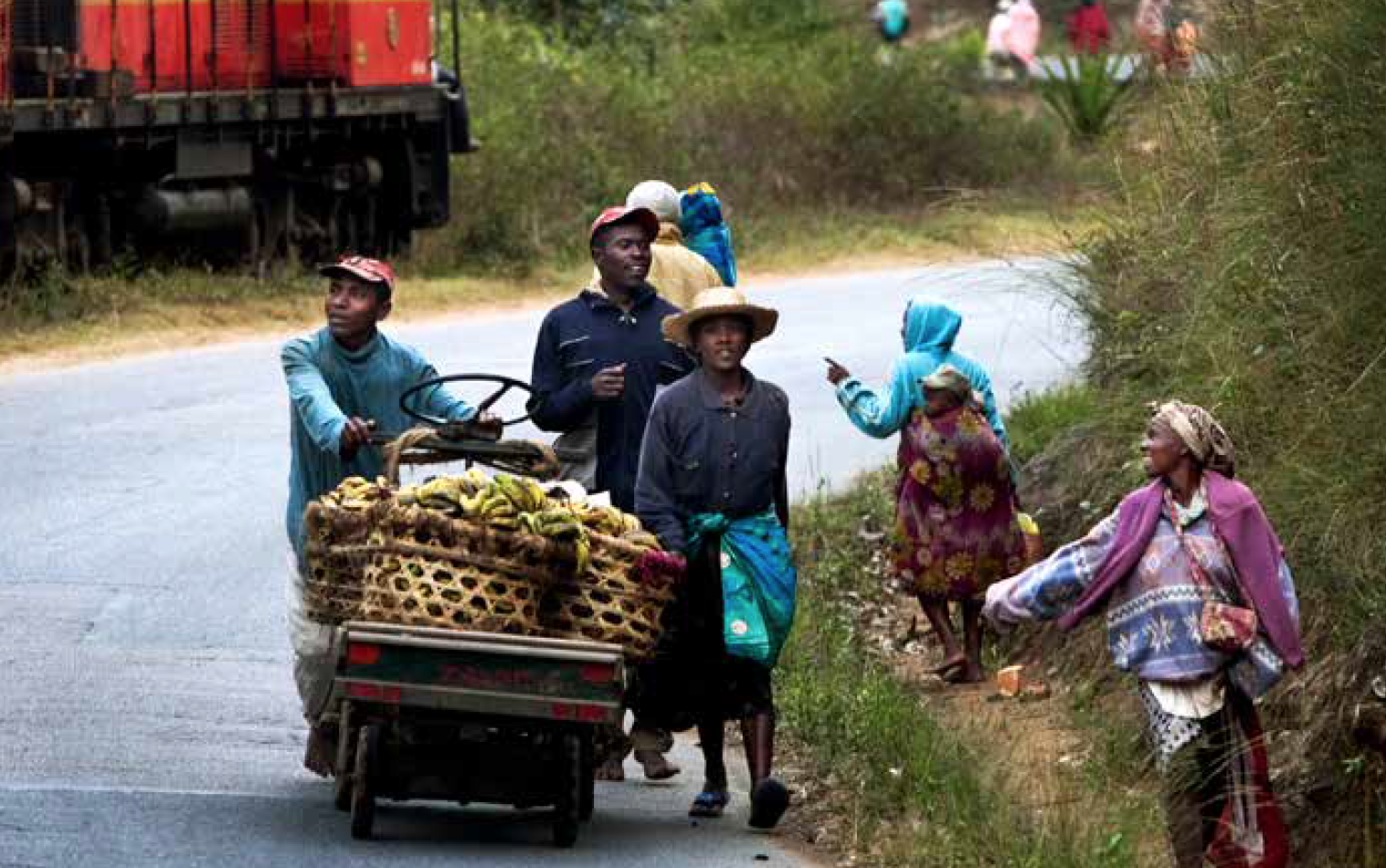
International Workers’ Day: Building urban linkages to strengthen African rural employment
The combination of strong economic growth and urbanization in Africa threatens to leave rural areas behind. What should be done.
-
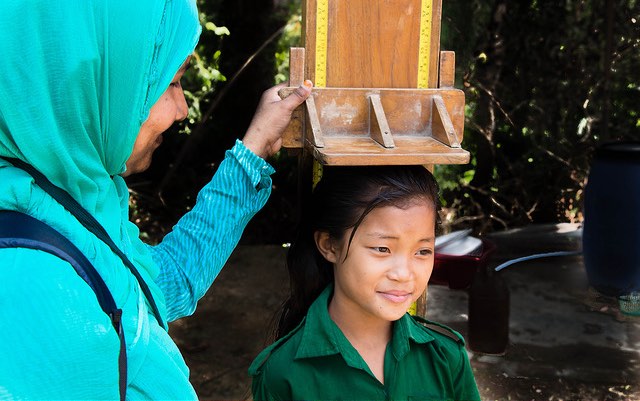
Ending undernutrition requires a different focus on stunting
The widespread focus on stunting has generated unprecedented interest in and support for nutrition goals, but misunderstandings about when it is the right outcome to address may be creating too narrow a focus that harms the global nutrition agenda.
-
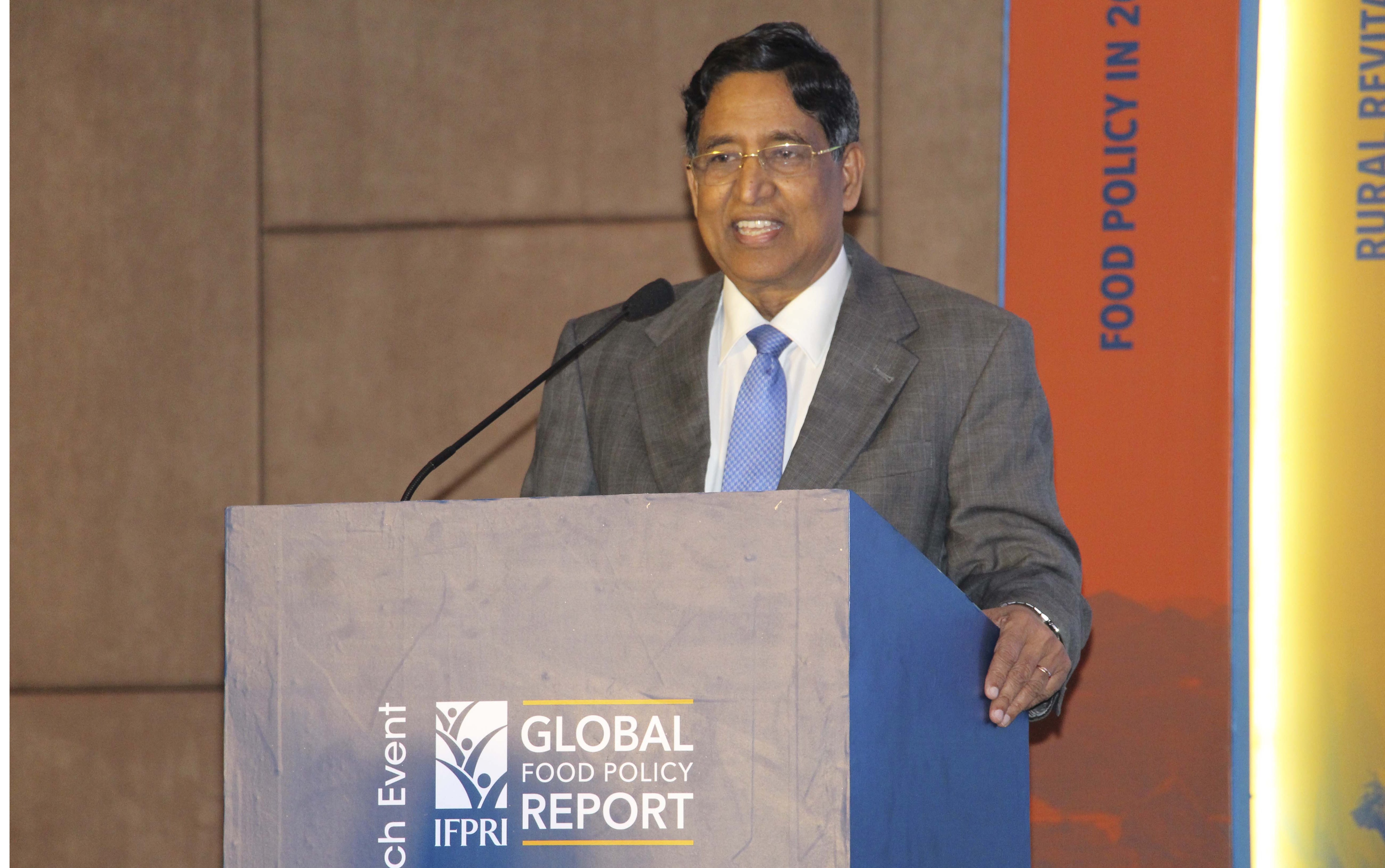
2019 Global Food Policy Report Dhaka launch: Lessons from Bangladesh on rural revitalization
Bangladesh's ongoing economic transformation offers a model for countries looking to combat poverty, hunger, and other persistent problems in the world's rural areas.
-
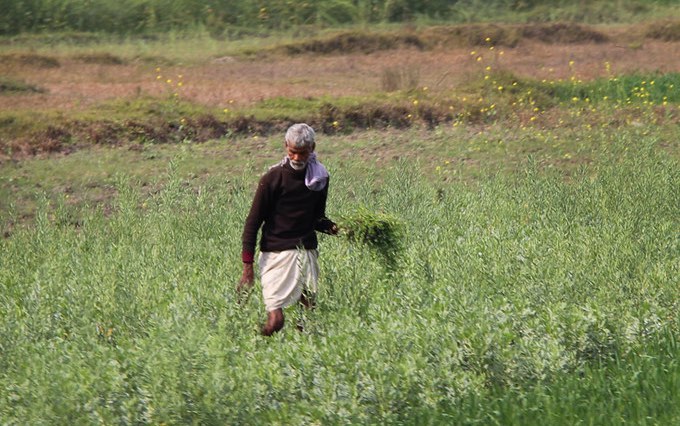
Direct benefit transfers can help double Indian farmers’ income by 2022-2023
The Modi government's new PM-KISAN benefit program is a substantive and positive departure from past support policies for small farmers.