




Search our blogs
Filters
Found 1330 Results
-

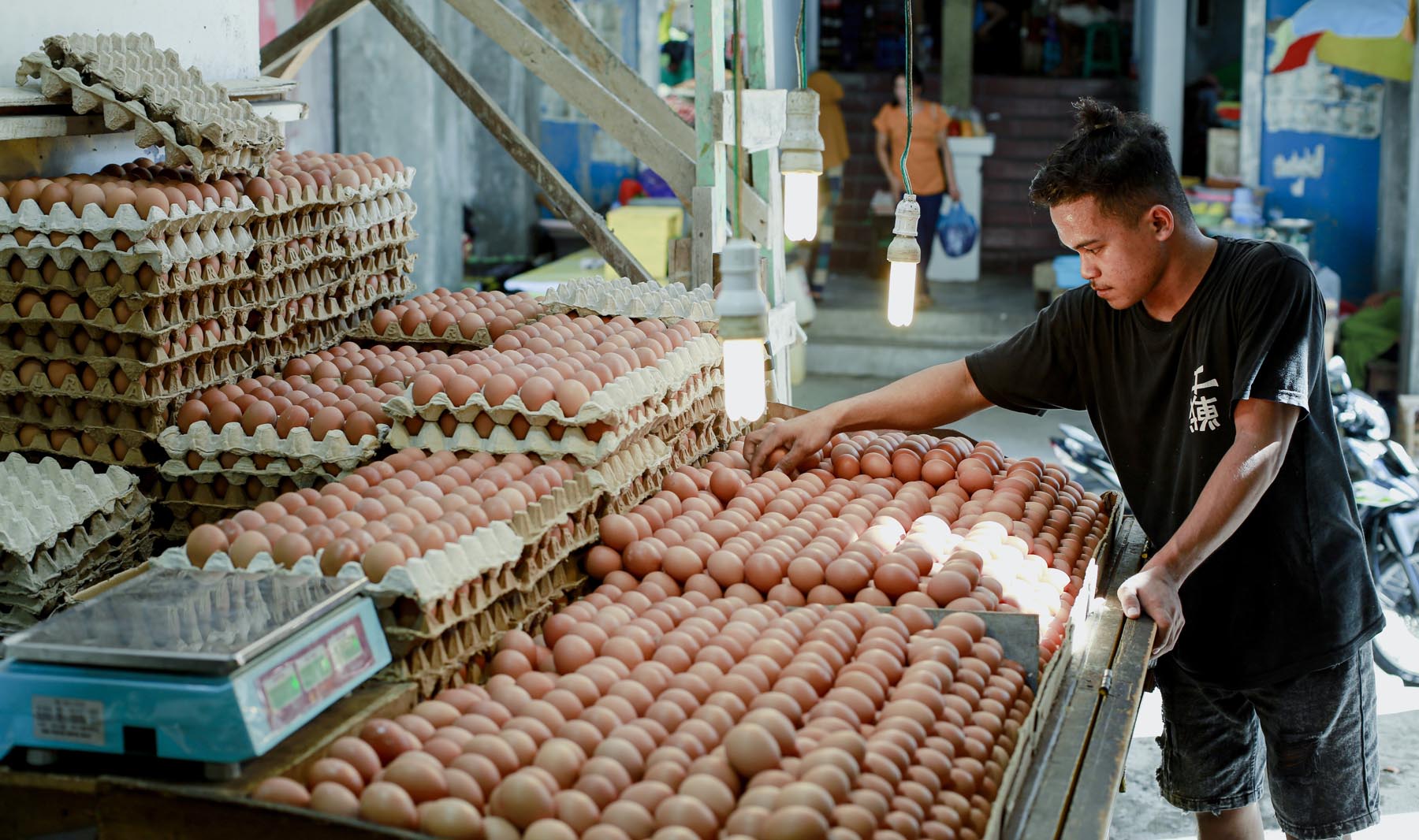
Information empowers citizens to demand public services
Distributing ID cards with basic eligibility information increased participation in Indonesia's Raskin (Rice for the Poor) program—leading the government to expand their use to other forms of social assistance.
-
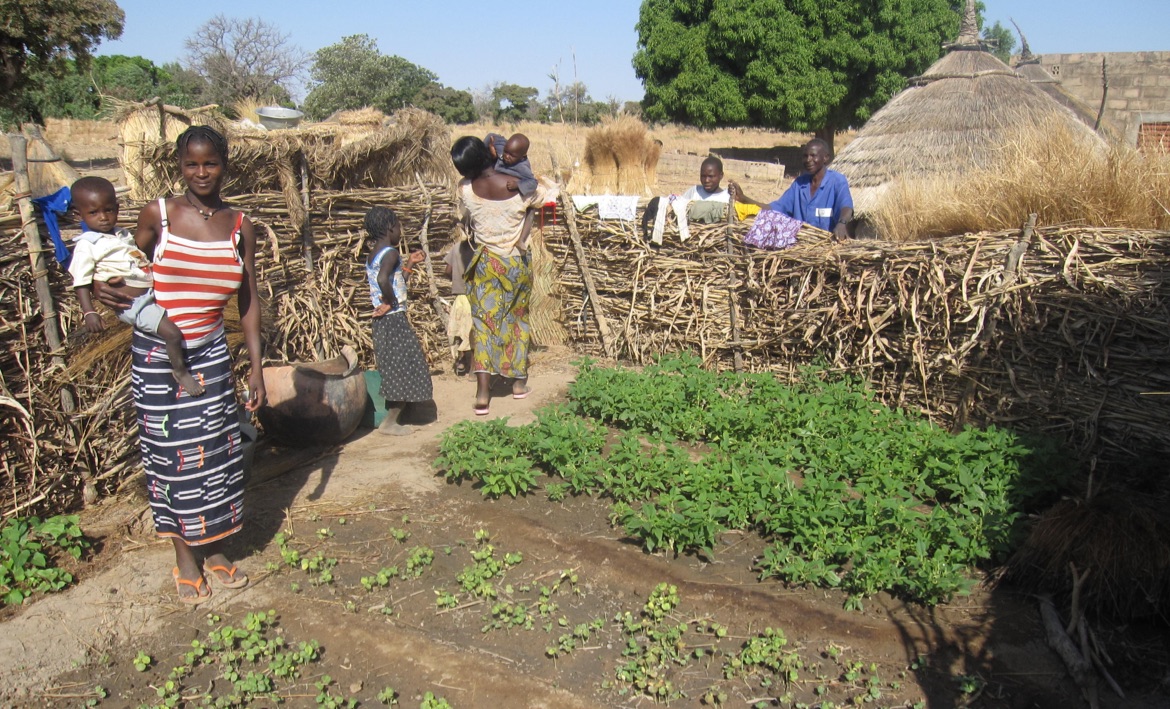
Policy seminar: Nutrition-sensitive agriculture program in Burkina Faso improves children’s nutritional outcomes
A 10-year collaboration between IFPRI and Helen Keller International leads to improving measures of anemia, stunting, and other benchmarks among participating children.
-
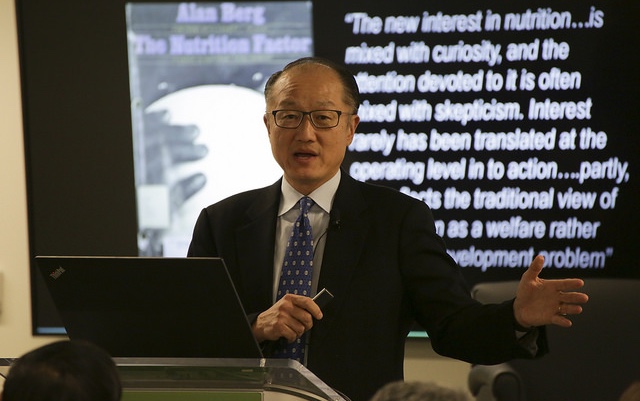
World Bank Group’s Jim Yong Kim: Invest in nutrition, human capital to ensure developing countries’ economic future
At the 27th Annual Martin J. Forman Memorial Lecture, a focus on getting countries to commit and stay committed to their most valuable resource—their own citizens.
-
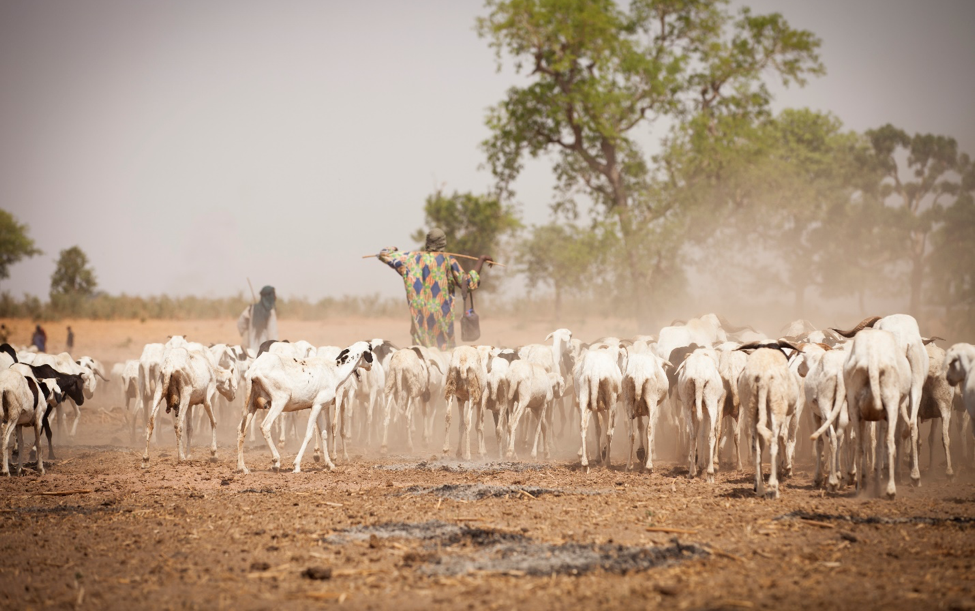
World Soil Day: Overcoming farmers’ resistance to climate-smart agriculture in Africa
Soil fertility management not only prevents land degradation, it boosts profits—so why are many African farmers reluctant to adopt it?
-
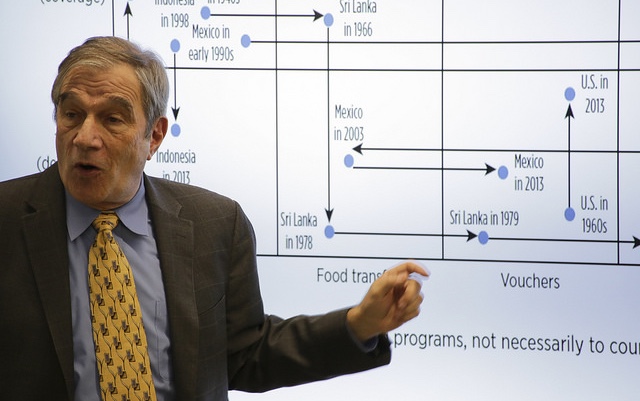
Book launch: Food, vouchers, or cash transfers – the debate over social protection
Despite the trend toward cash transfers, many countries retain a mix of food assistance programs.
-
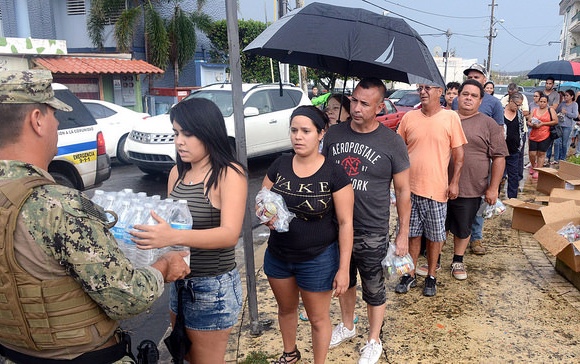
Natural disasters damage victims’ goals and ambitions – which is why disaster relief is so important
As Puerto Rico and other areas hit by recent natural disasters begin the recovery process, research shows that government assistance yields more than just material benefits.
-
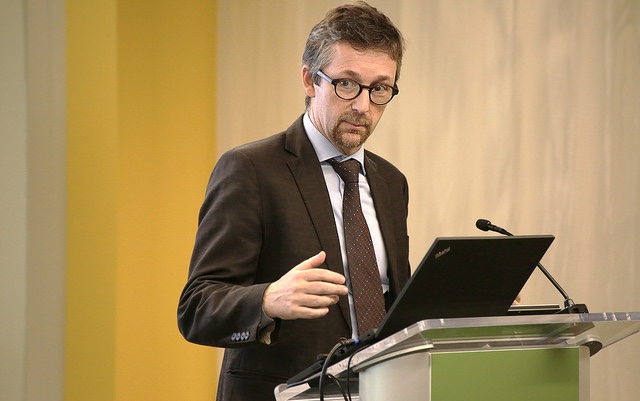
FAO State of Food and Agriculture report: Transforming rural areas and linking them to cities can bring inclusive growth, reduce poverty and hunger
Participants at an IFPRI policy seminar on how rural areas can be engines for development, boosting food security and living standards.
-
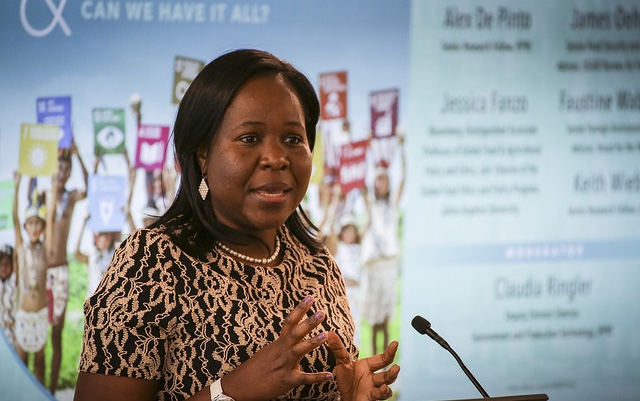
Policy seminar: As COP23 convenes, how can we build climate resilience into food systems?
Participants at an IFPRI forum discuss how best to leverage research efforts and climate-smart agriculture to help the global poor withstand climate change.
-
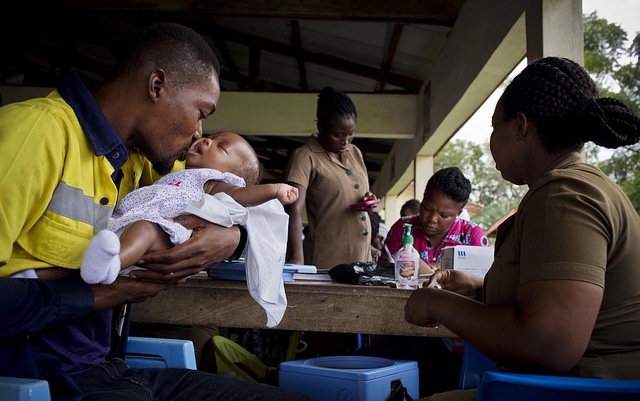
How Africa can end hunger and malnutrition: Key lessons from the continent’s front-runners
Since 2000, seven African countries have reduced malnutrition by about half. How they did it.
-
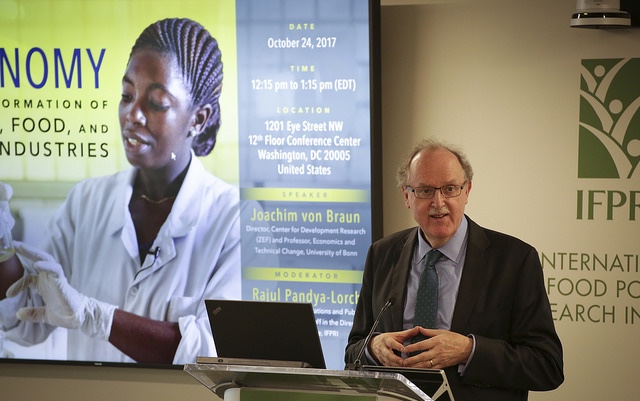
Bioeconomy: Pathway to achieve key Sustainable Development Goals
Joachim von Braun of the University of Bonn Center for Development Research (ZEF) on a major emerging force in sustainable development.