




Search our blogs
Filters
Found 1331 Results
-
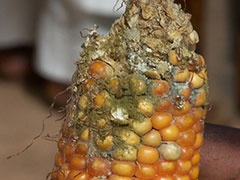
Aflatoxin Briefs: Finding Solutions for Food Safety
Aflatoxins—naturally occurring fungal toxins that contaminate grains and other crops— pose one of the world’s most significant food safety risks, particularly in developing countries. On November 5, IFPRI will launch a series of 19 policy briefs on managing aflatoxins as part of IFPRI’s 2020 Vision Initiative and under the auspices of the IFPRI-led CGIAR Research Program on Agriculture […]
-
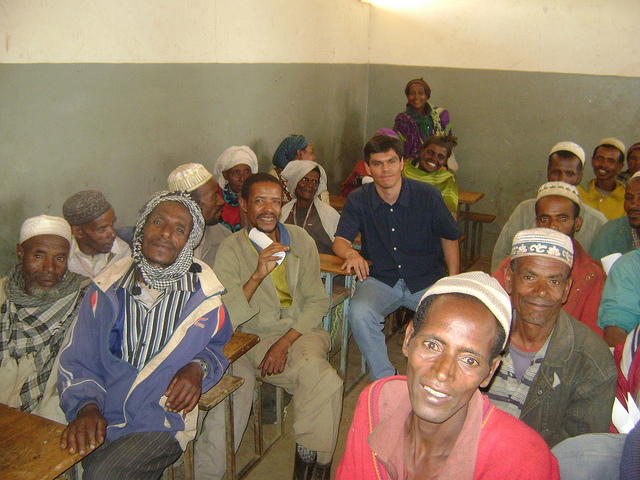
An Assessment of IFPRI’S Work in Ethiopia 1995–2010
To ensure the best use of resources and undertake research that is relevant and useful in a rapidly changing world, IFPRI commissions external assessment of its activities. A recent review focused on IFPRI activities in Ethiopia, one of the most populous and poor countries in Africa south of the Sahara, and thus a high priority […]
-
For Good Measure
IFPRI is pleased to announce the launch of its Outcome Stories website, highlighting the impact of IFPRI and partners’ work around the world. The website will showcase 30 initial stories of success, benchmarking progress achieved in areas such as building resiliency, facilitating markets, improving production, promoting nutrition, strengthening governance, and designing country strategies. Each week, IFPRI […]
-
Ladybeetles: Cotton’s secret ingredient
This post is part of the CGIAR Research Program on Water, Land and Ecosystems (WLE) month-long series of blog stories on Ecosystem Services. Diversity in land use can support ecosystem services such as biological pest control and reduce the need for insecticides. Evidence to support this has been found in North America, Europe and Australia, but very limited […]
-
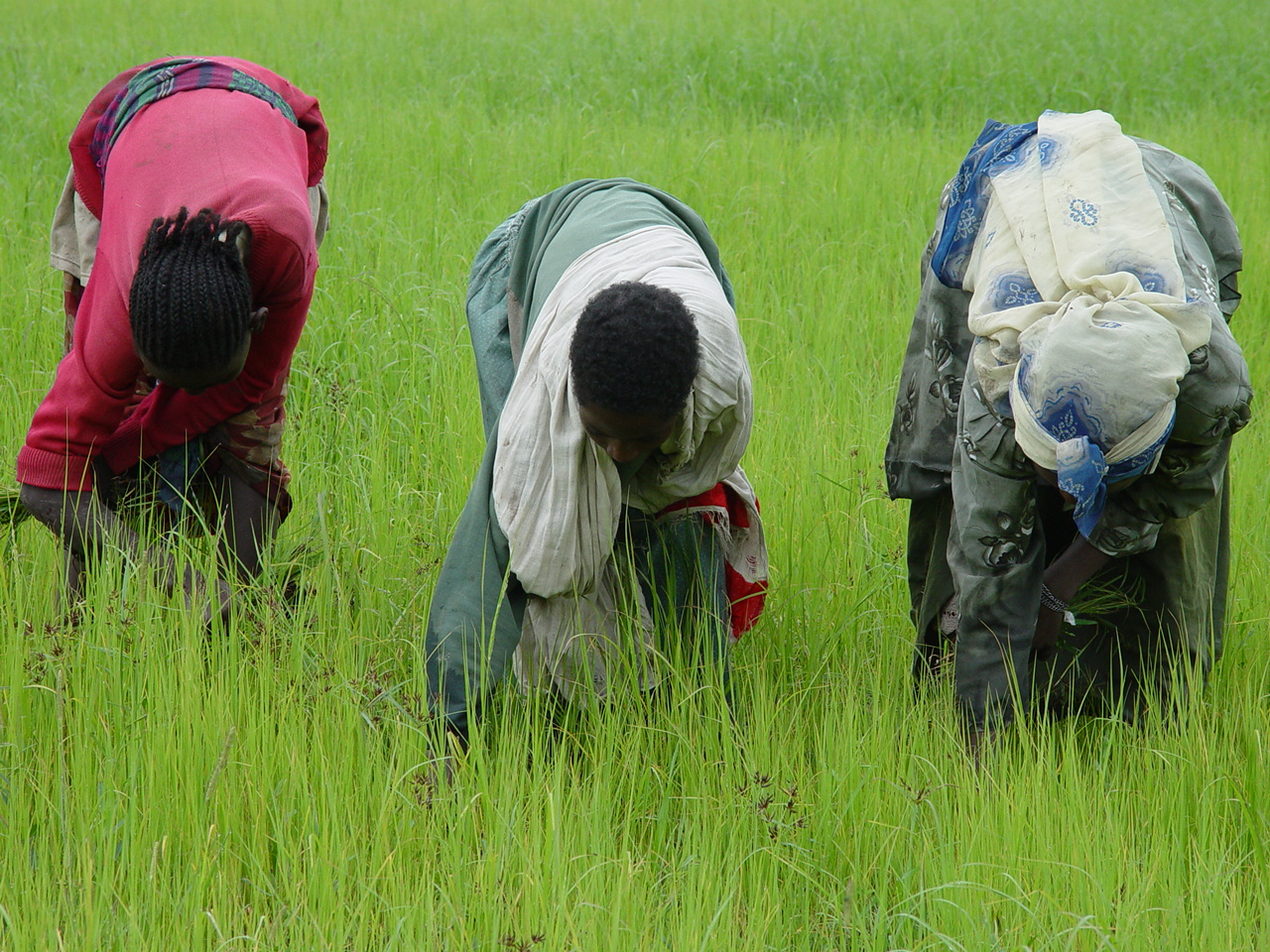
A little seed goes a long way
65 percent of Ethiopia’s 85 million people get their “daily bread and livelihood” from Tef
-
Farming is the key to solving youth unemployment in Africa
Africa south of the Sahara has the world’s youngest and fastest growing population. With enough support from African leaders, agricultural initiatives will boost employment and the economy. The following post by IFPRI’s Karen Brooks, Director of the CGIAR Research Program on Policies, Institutions and Markets, is a modified version of a story that originally was published by the […]
-
VC4D: Value Chain for Development
We live in a fast changing world with fast changing trends: urbanization, globalization, industrialization, and more, all of which have a profound impact on the way food moves from field to fork along the agricultural value chain. Understanding the chain, and how to make it work for smallholder farmers, is a central theme in research […]
-
Agricultural Productivity: Good and Bad News
The world’s population is growing, and we only have limited land for farming. Will we run out of food? That question, famously posed by Thomas Malthus in the early 19th century, has been discussed for decades. The short answer is: no, we will not run out of food. Why? Because agriculture is beating the odds. […]
-
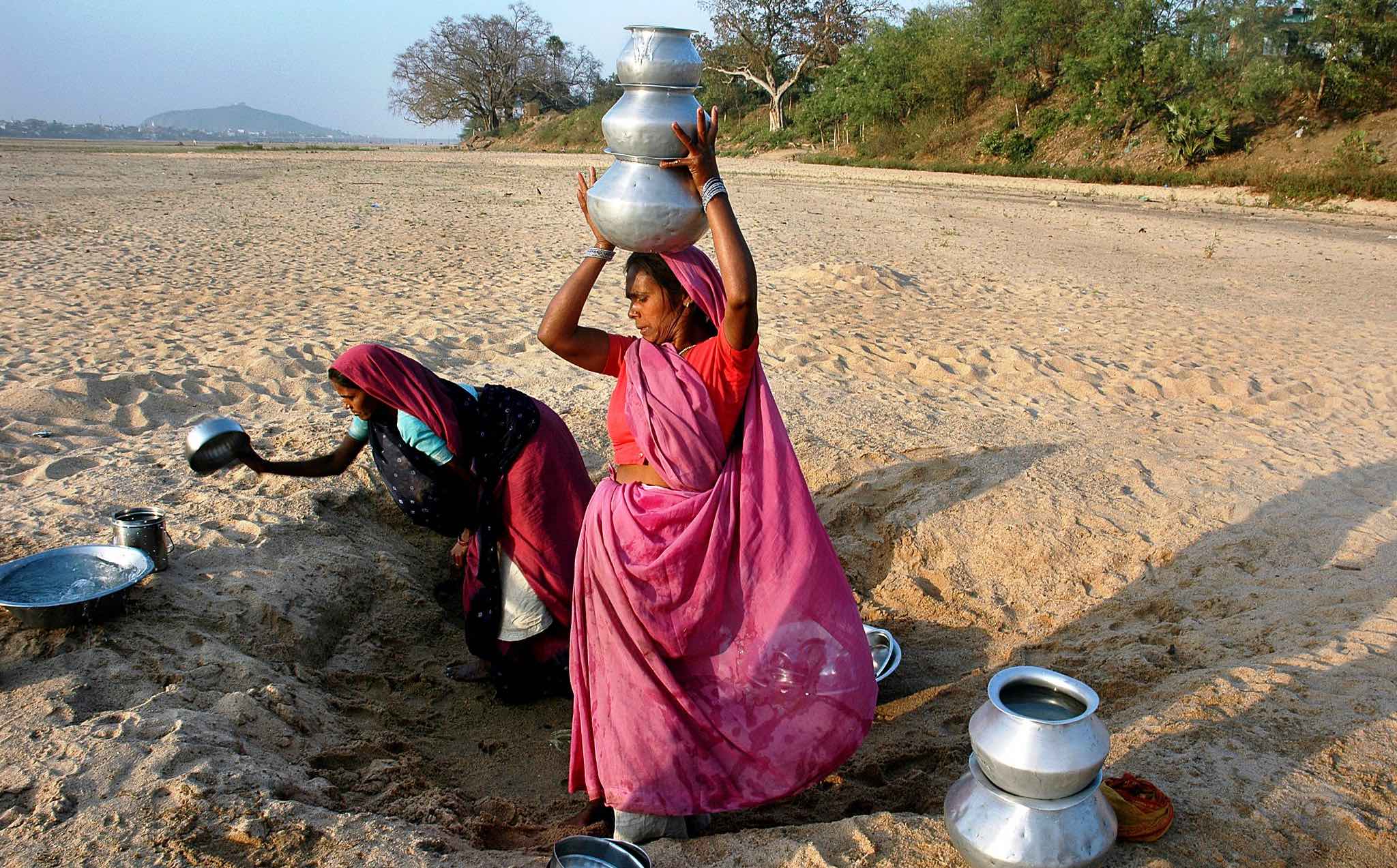
Playing games to save water
World Water Day 2013 begins the International Year of Water Cooperation. Today, we highlight an innovative research project that helps strengthen cooperation to protect and conserve this precious natural resource. Recently, villagers in India and Colombia have been regularly gathering for a “game night.” But instead of Monopoly or charades, they play a game that simulates […]
-
Global Food Policy Report Launch inspires new perspectives, fresh ideas, and calls to action
“Don’t just ‘walk the talk’ — run, or even fly, the talk!” IFPRI Director General Shenggen Fan made this call to action at a policy seminar yesterday to mark the release IFPRI’s second annual Global Food Policy Report. The event brought a full house to IFPRI’s DC office to hear perspectives on food policy developments, trends, and […]