



BLOG SERIES
Political Economy in Practice: Lessons from food system reforms around the world
Achieving healthy, sustainable food systems involves making difficult policy choices, including about investment priorities, regulations, trade, taxes, and subsidies. Since such decisions usually create winners and losers, they can often be derailed by political economy dynamics. This blog series features case studies from around the world of food system policy reforms achieved through various tactics to overcome opposition and other political economy constraints that can block progress. Such tactics include incorporating incentives into policy designs to win over vested interests, building coalitions with like-minded advocates, generating consensus through inclusive dialogues, and strategic targeting of government champions. The series will include insights from policy actors in government, civil society, the private sector, and academia to better understand what political economy constraints were overcome in each case study and whether such approaches might be applicable elsewhere. It is edited by Danielle Resnick, Senior Research Fellow in the Markets, Trade and Institutions Unit.
Latest Blogs
-
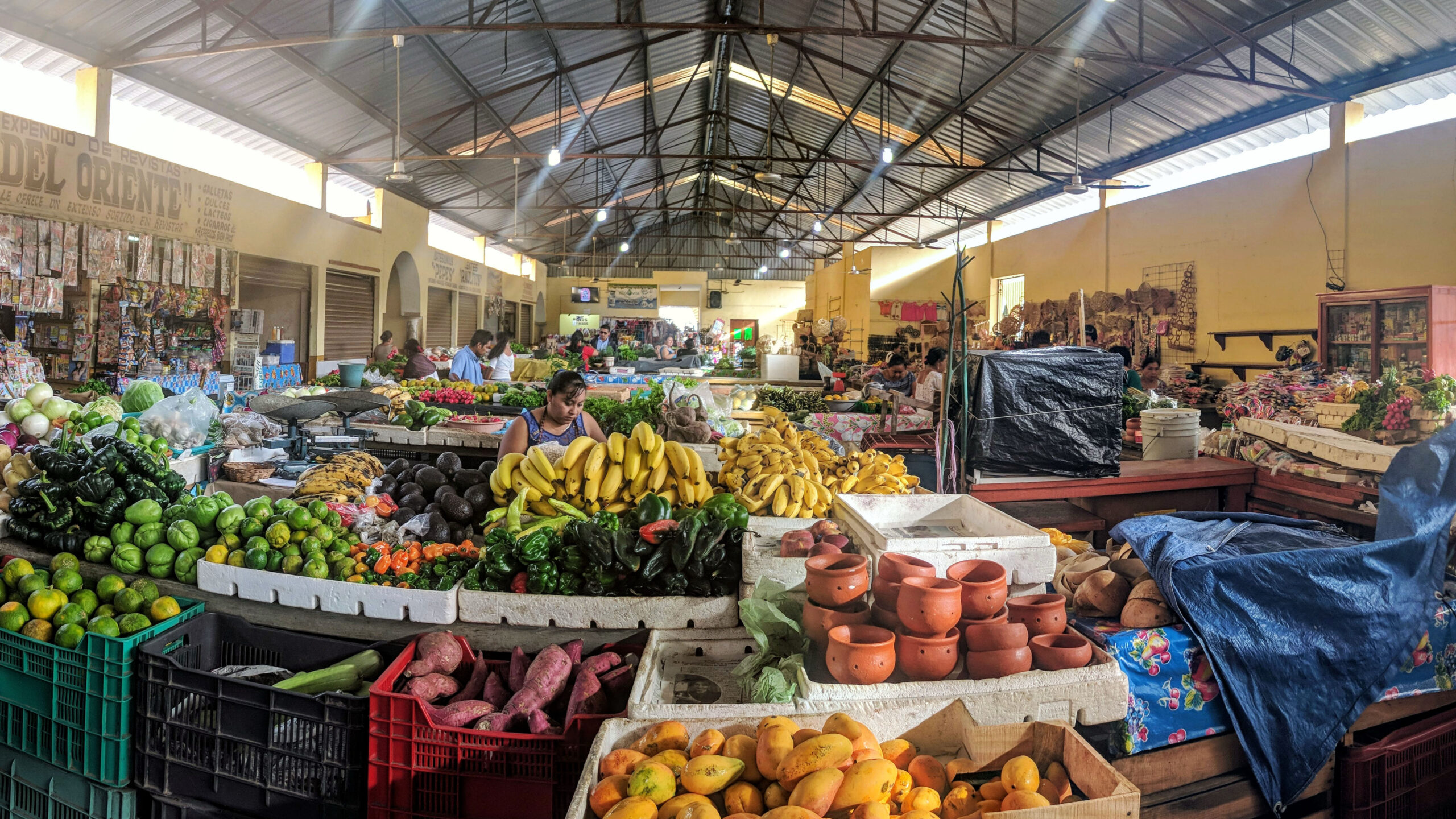
Two steps forward, one step back? Champions and roadblocks for Mexico’s General Law on Adequate and Sustainable Food
Ins and outs of systemic reform.
-
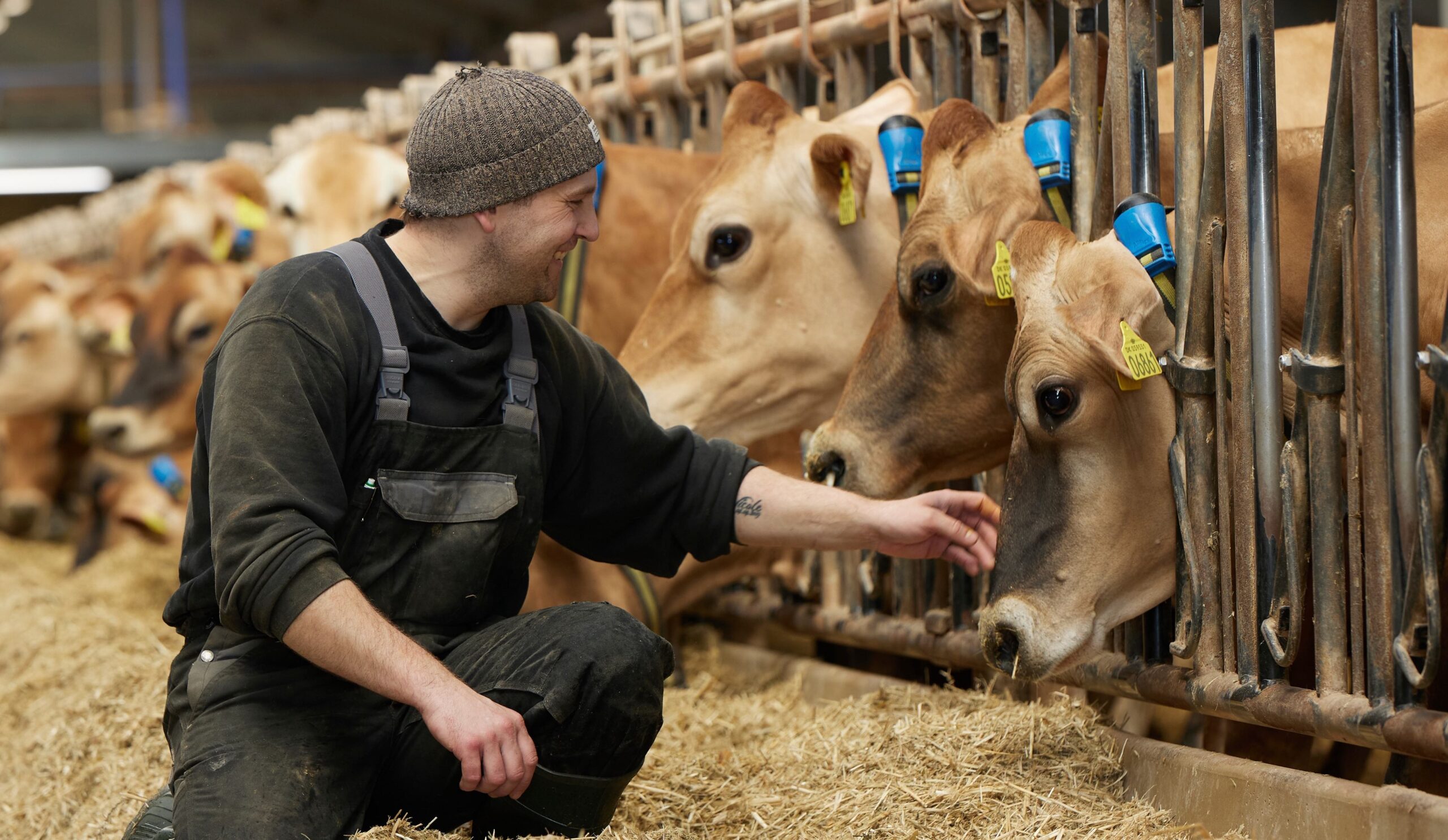
Making climate policy action a political reality: Lessons from Denmark’s Green Agreement
Overcoming obstacles to consensus.
-
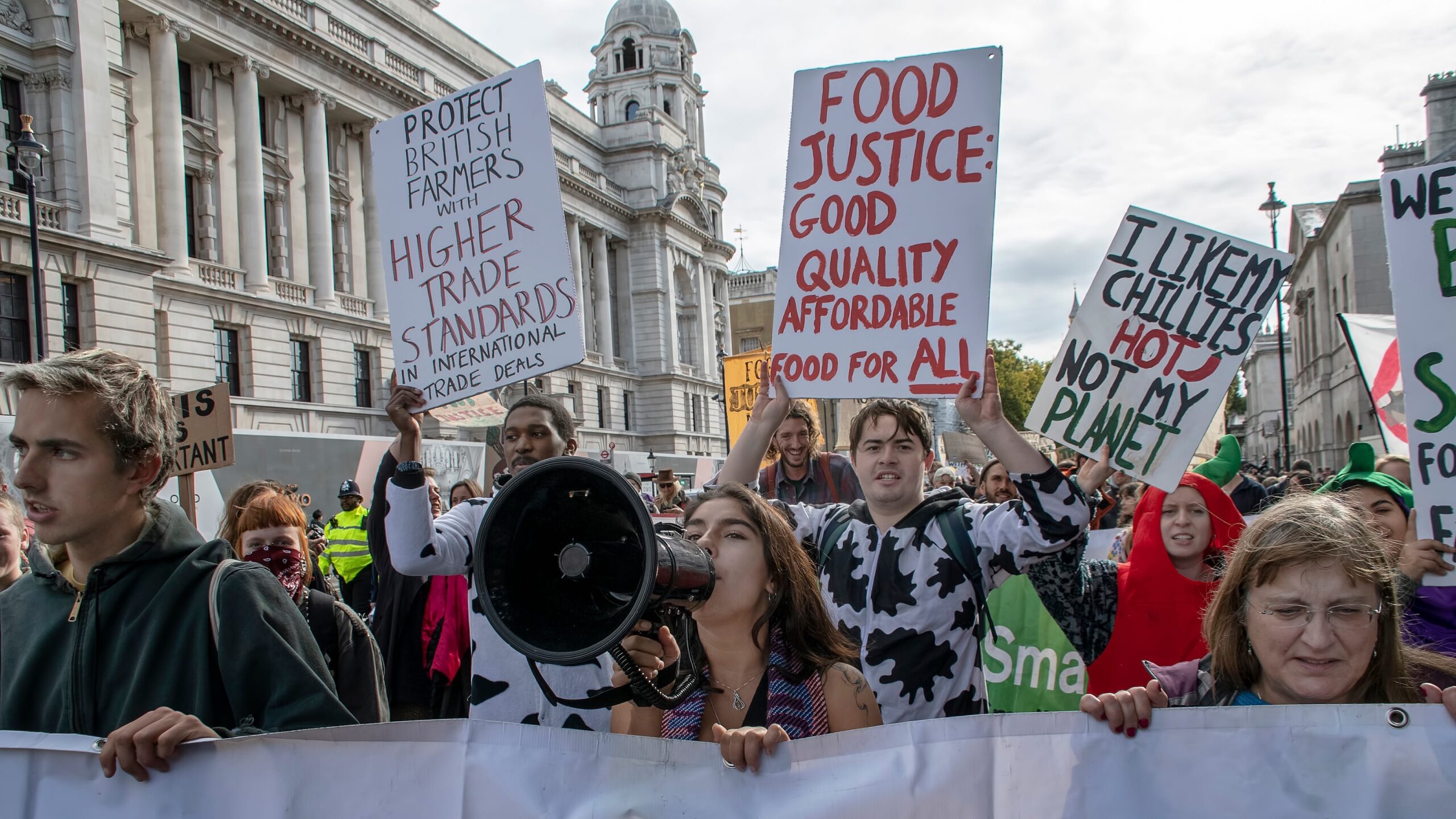
What really drives food policy decisions? A new blog series on practical political economy
Case studies can point the way to success.