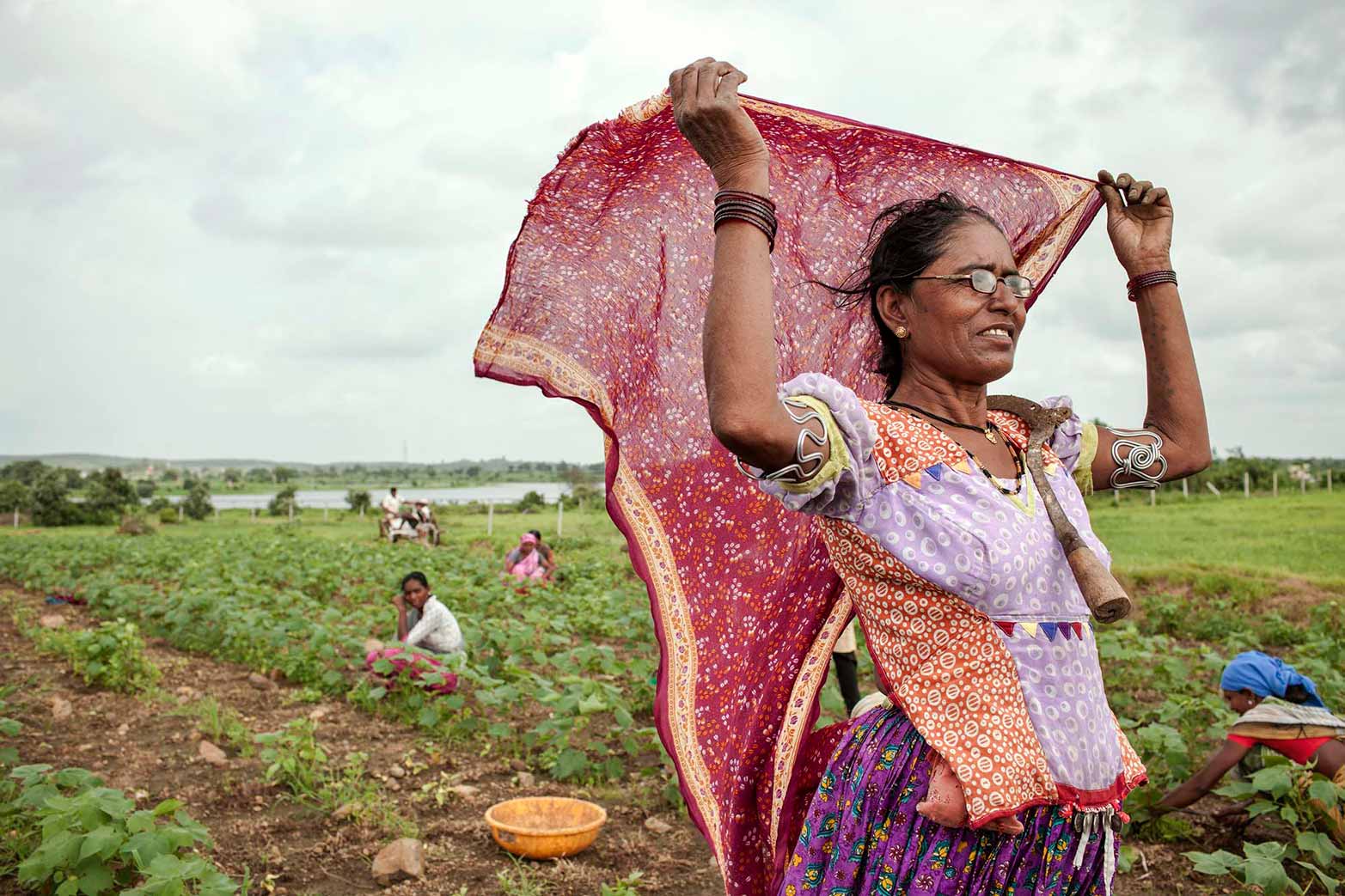


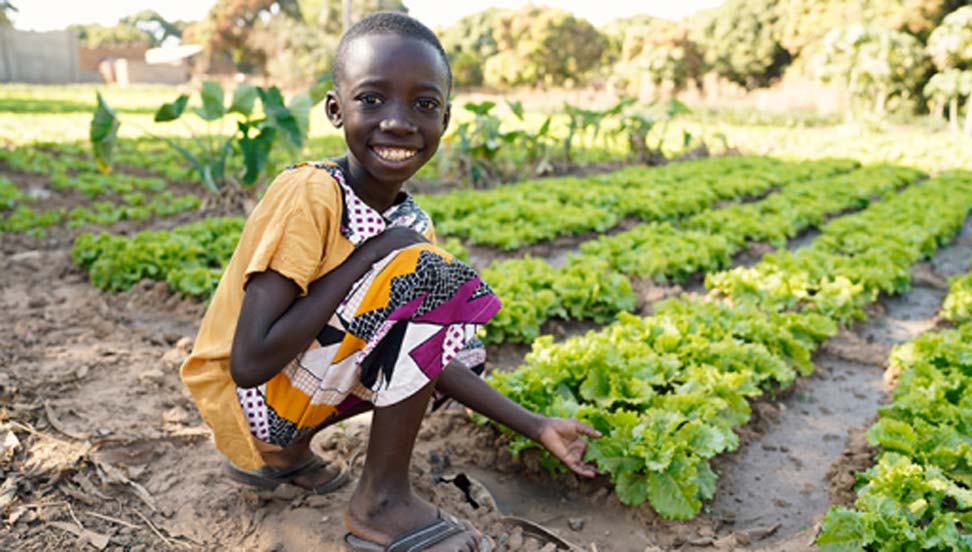
- Men and women within households do not make decisions “as one”; they do not always pool resources or have the same preferences. Therefore, it matters who within the household is targeted for development interventions (Haddad et al. 1997); increasing women’s control of resources is associated with better education, health, and nutrition outcomes for children (Quisumbing, ed. 2003). These findings from IFPRI’s gender research are used to draw out Implications for practitioners and policymakers across a wide range of programmatic areas in Quisumbing and McClafferty (2006).
- Across societies as diverse as Bangladesh, Ethiopia, Indonesia, and South Africa, assets at marriage influence men’s and women’s bargaining power within marriage. In Bangladesh and South Africa, women’s assets increase expenditure shares on education, while in Ethiopia, men’s assets have this effect (Quisumbing and Maluccio 2003).
- Bargaining power affects some, but not all, aspects of individual welfare within the household (Fafchamps, Kebede, Quisumbing 2009). In Ethiopia, the relative nutritional status of spouses is associated with differences in cognitive ability, independent income and asset devolution upon divorce. Women’s empowerment benefits child nutrition and education. All in all, bargaining power may be weakly associated with some aspects of intrahousehold welfare because surveyed households are poor and have little room for disagreement over consumption.

Who we are
With research staff from more than 70 countries, and offices across the globe, IFPRI provides research-based policy solutions to sustainably reduce poverty and end hunger and malnutrition in developing countries.
What we do
Since 1975, IFPRI’s research has been informing policies and development programs to improve food security, nutrition, and livelihoods around the world.
Where we work
IFPRI currently has more than 480 employees working in over 70 countries with a wide range of local, national, and international partners.