





IFPRI Projects
For additional resources, refer to the quick links provided below.
Quick Links:
Filters
Found 131 Results
-
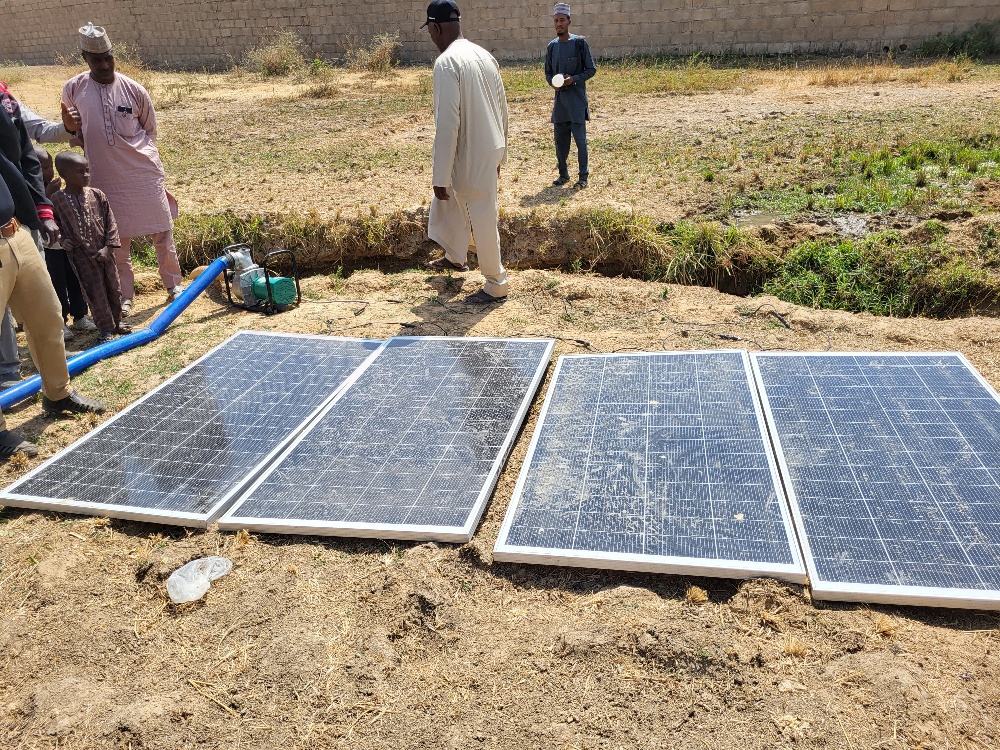
Addressing Nigeria’s Policy, Finance, and Technology Supply Constraints to Accelerating Small-Scale Irrigation through Mapping Tools and Other Decision Support
Small-scale irrigation is a climate-proof, pro-poor technology that creates employment, helps smooth seasonal shortfalls in food supply, and encourages the production of crops that support diverse and nutritious diets. But uptake has been slow, including in Nigeria, where potential is particularly large. To accelerate small-scale or farmer-led irrigation development, a […]
-
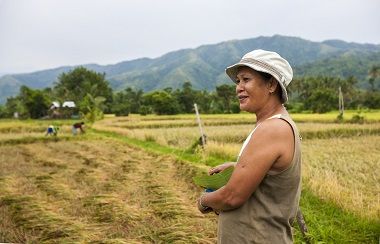
Addressing the impacts of climate change in the Philippine agriculture sector
Aimed to establish a decision-support mechanism on agricultural, climate change and food security policies, that uses newly generated data, modelling output and innovative scenario assessment.
-
Advancing Research on Nutrition and Agriculture (ARENA)
ARENA studies the linkages between animal source foods and stunting, on measuring and improving the affordability of healthy foods and healthy diets, on farming systems and nutrition, and the impacts of structural transformation on nutrition
-
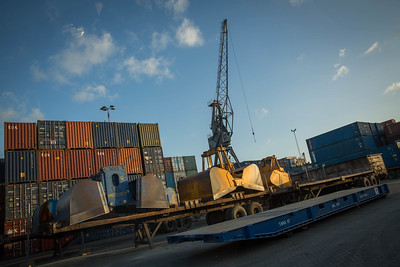
Africa Regional Integration and the AfCFTA
The regional integration landscape has been changing in Africa significantly over the past five years. In the Malabo declaration of June 2014, African countries committed themselves to tripling, by the year 2025, the level of intra-African trade in agricultural commodities and services, fast-tracking the establishment of a Continental Free Trade […]
-
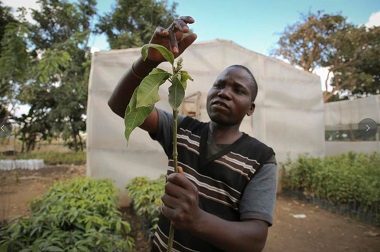
Africa Research in Sustainable Intensification for the Next Generation (Africa RISING)
Africa RISING offers demand-driven, locally tailored, and resource-saving agricultural innovations for sustainable intensification to improve household welfare and at the same time enhance sustainability.
-
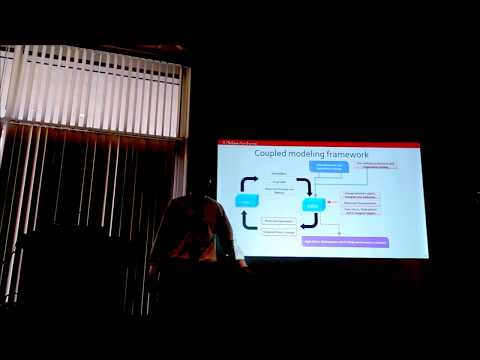
Agricultural development, ecosystems and their services
Insights from Agent-Based Modeling in the Indus, Mekong and Niger basins The CGIAR Research Program on Water, Land and Ecosystems (WLE) in conjunction with the International Food Policy Research Institute (IFPRI) and partners is promoting a new approach to sustainable intensification in which healthy functioning ecosystems are seen as a […]
-
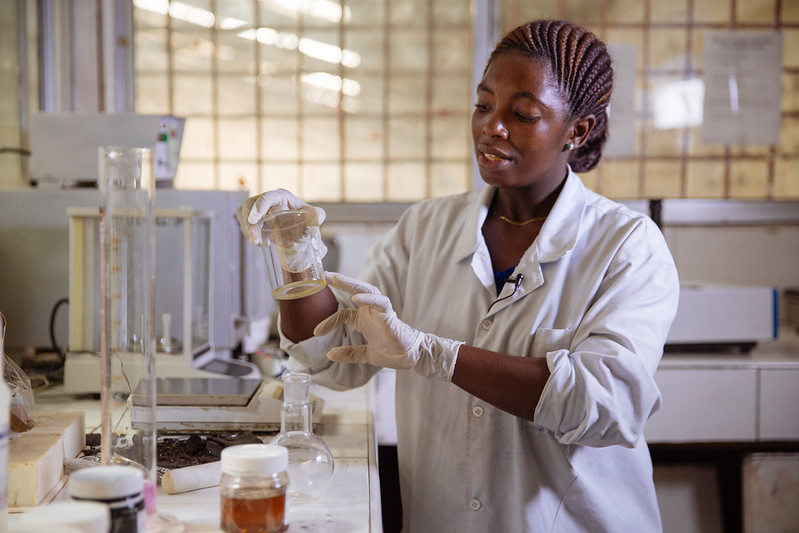
Agricultural Science and Technology Indicators (ASTI)
Sound policies require access to up-to-date and reliable S&T investment data provided
by ASTI. -

Agricultural Transformation and Market Integration in the ASEAN region: Responding to Food Security and Inclusiveness Concerns
Focusing on strengthening the capacity of targeted ASEAN Member States (AMS) to develop policies and programs addressing food security and agricultural development and enhancing cooperation on R&D, food safety, and quality standards.
-
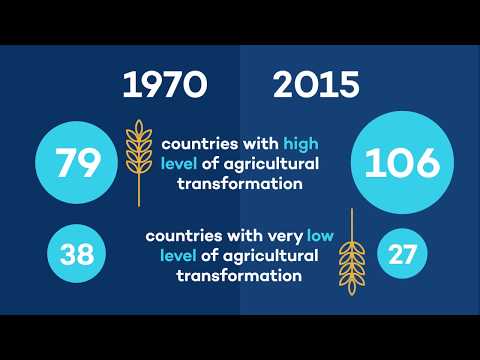
Agricultural Transformation and Policy: What are the policy priorities?
Achieving agricultural transformation in a country – the transformation of an agri-food system from a high prevalence of subsistence farming to high productivity, so that poverty falls and food security increases – is contingent on many factors in the country, including its policies. Policy has real ramifications for the lives […]
-

Agricultural Transformation in Ethiopia
Analyzing the patterns and drivers of agricultural transformation in Ethiopia, focusing on the household level analysis