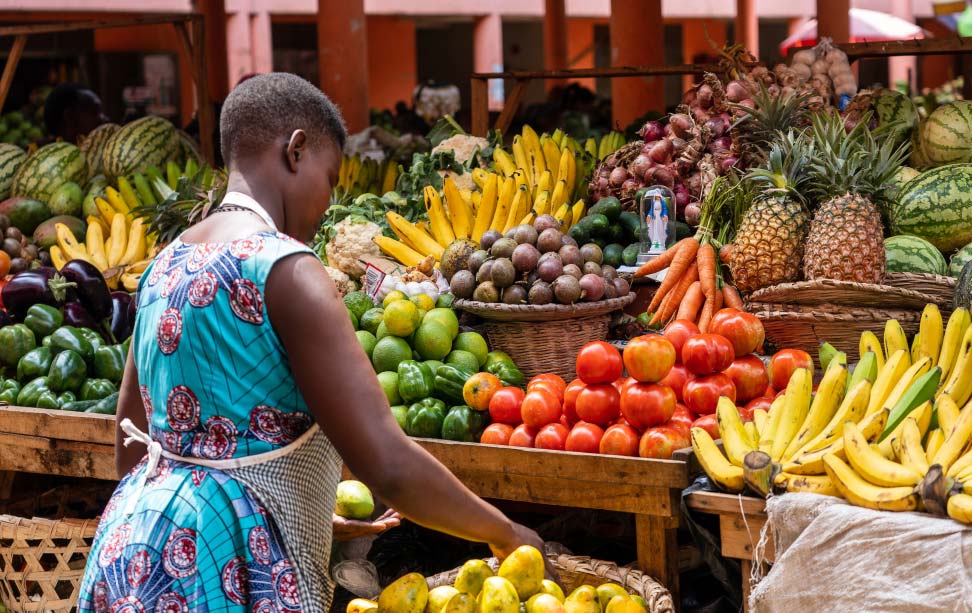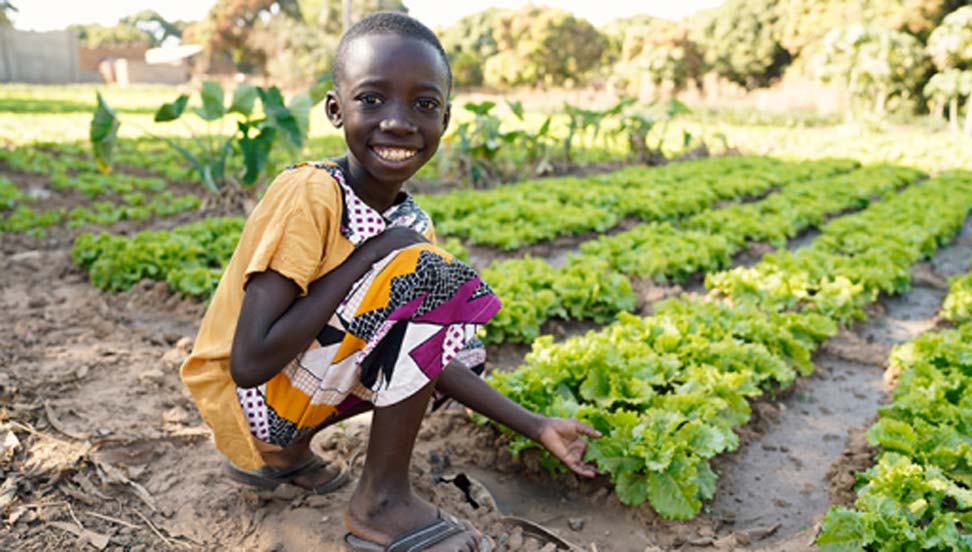
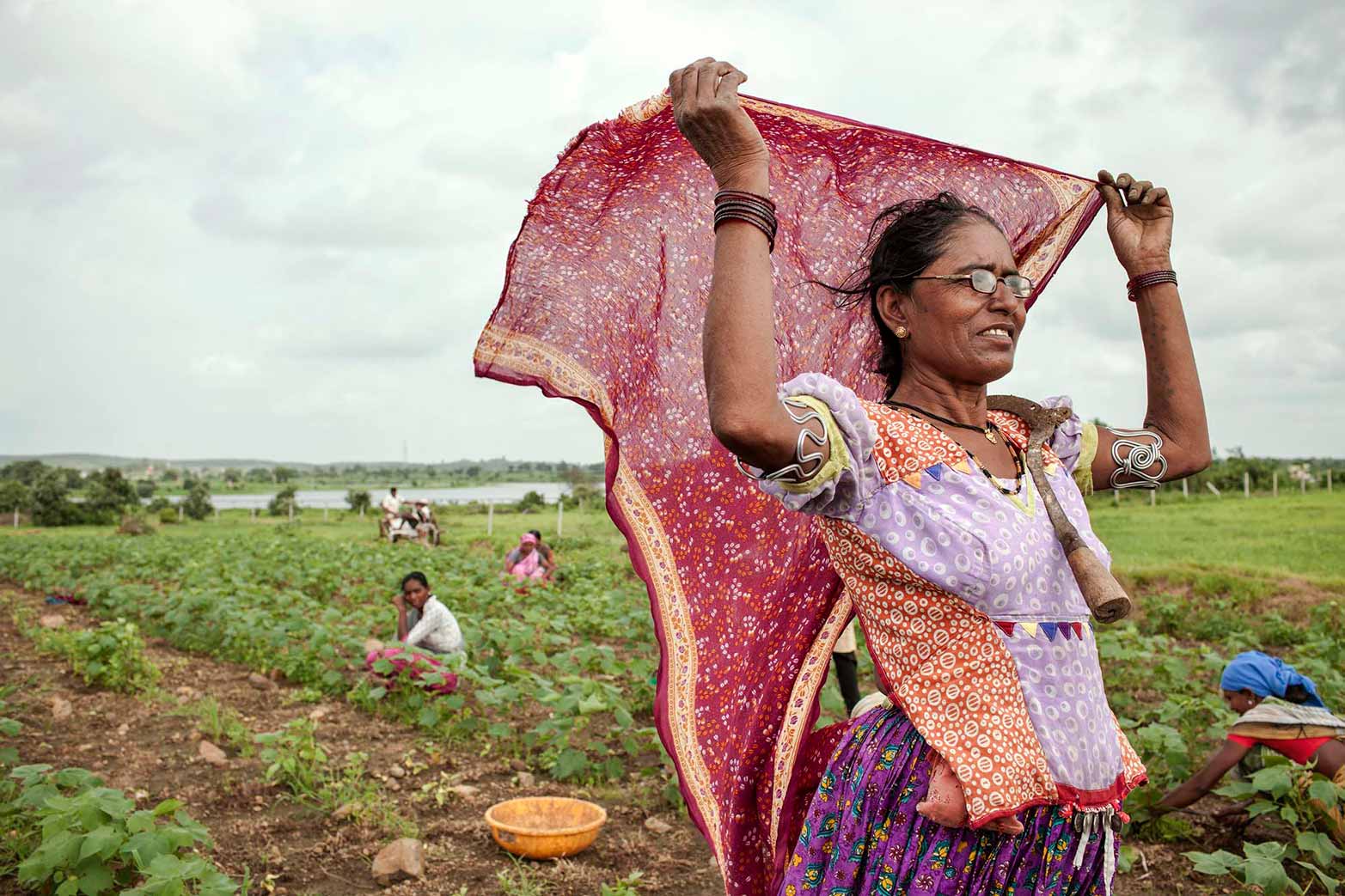
Transformation of the agri-food system (AFS) is a leading pathway to achieve the USG Global Food Security Strategy Objective 1 of “Inclusive agriculture-led growth”.
Search
Transformation of the agri-food system (AFS) is a leading pathway to achieve the USG Global Food Security Strategy Objective 1 of “Inclusive agriculture-led growth”.
Is irrigation fit for purpose? A review of the relationships between scheme size and performance of irrigation systems
Irrigation is increasingly being called upon to help stabilize and grow food and water security in the face of multiple crises; these crises include climate change, but also recent global food and energy price crises, including the 2007/08 food an
There is ample data and literature that shows how women’s experiences in low-paid, short-term migration vary from those of men, and that experiences are linked to women’s empowerment – captured by the interrelated dimensions of resources, agency,
Fluctuations in the price of maize—Malawi’s most important staple crop—are a huge contributor to the country’s overall food security.
Research is essential for improvement of agricultural productivity, resource use and resilience, and for food systems transformation more broadly.
The stakeholder identification is initiated under the CGIAR Research Initiative on Sustainable Healthy Diets through Food Systems Transformation (SHiFT) to identify with whom the project needs to engage with to achieve food system transformations.
Consumer demand for milk and the informal dairy sector amidst COVID-19 in Nairobi, Kenya
Background: The coronavirus disease 2019 (COVID-19) pandemic has had large negative effects on countries’ economies and individual well-being throughout the world, particularly in low- and middle-income countries.
The coronavirus disease (COVID-19) risks rolling back many of the efforts and global successes recorded in reducing poverty and food insecurity.
Data issues in analyzing agri-food trade in BIMSTEC
The large majority of extreme poor in the world lives in fragile states.
The achievement of several sustainable development goals and the Paris Climate Agreement depends on rapid progress towards sustainable food and land systems in all countries.
In 2022, the world faced multiple crises.
Quarterly bulletin on food price dynamics, inflation, and the food security situation in Sudan: 2021Q1- 2022Q4
- Average international prices of wheat, sorghum, rice, and sugar slightly increased in Q4 of 2022 compared to Q3. Import parity prices decreased during the same period because of the reduction in the freight cost to Port Sudan.
An overview of migration in Myanmar: Findings from the Myanmar Household Welfare Survey
This paper provides evidence on the extent and characteristics of migration in Myanmar between December 2021 and June 2022.
Elder care in Lebanon: An analysis of care workers and care recipients in the face of crisis
The current socioeconomic and political crises plaguing Lebanon have exacerbated the ongoing care crisis, in particular for care workers and elderly care recipients.
This is the first Education Key Facts Sheet in a series of Key Facts sheets that IFPRI produces based on the Integrated Household Surveys (IHS).
Empowering women is crucial for a country's development because it leads to greater economic growth, increased productivity, and improved social outcomes.
Impact of information on demand for safe food
Problems caused by eating unsafe food are a major health issue in many countries. Contamination by bacteria or toxins can cause these health risks, particularly for young children whose bodies are still developing.