




Search IFPRI web
Filters
Found 7462 Results
-
Sustainable Intensification is the Answer to Global Food Insecurity
Speaker: Discussant: Closing Remarks: Moderator: IFPRI, in collaboration with the USAID Alumni Association, hosted this special event where Sir Gordon Conway emphasized that sustainable intensification offers a practical pathway towards the goal of producing more food while ensuring that the natural resource base, on which agriculture depends, is sustained and improved for future generations. He explored Sustainable Intensification […]
-
We Need a Nutrition Mission (The Hindu)
May 04, 2026
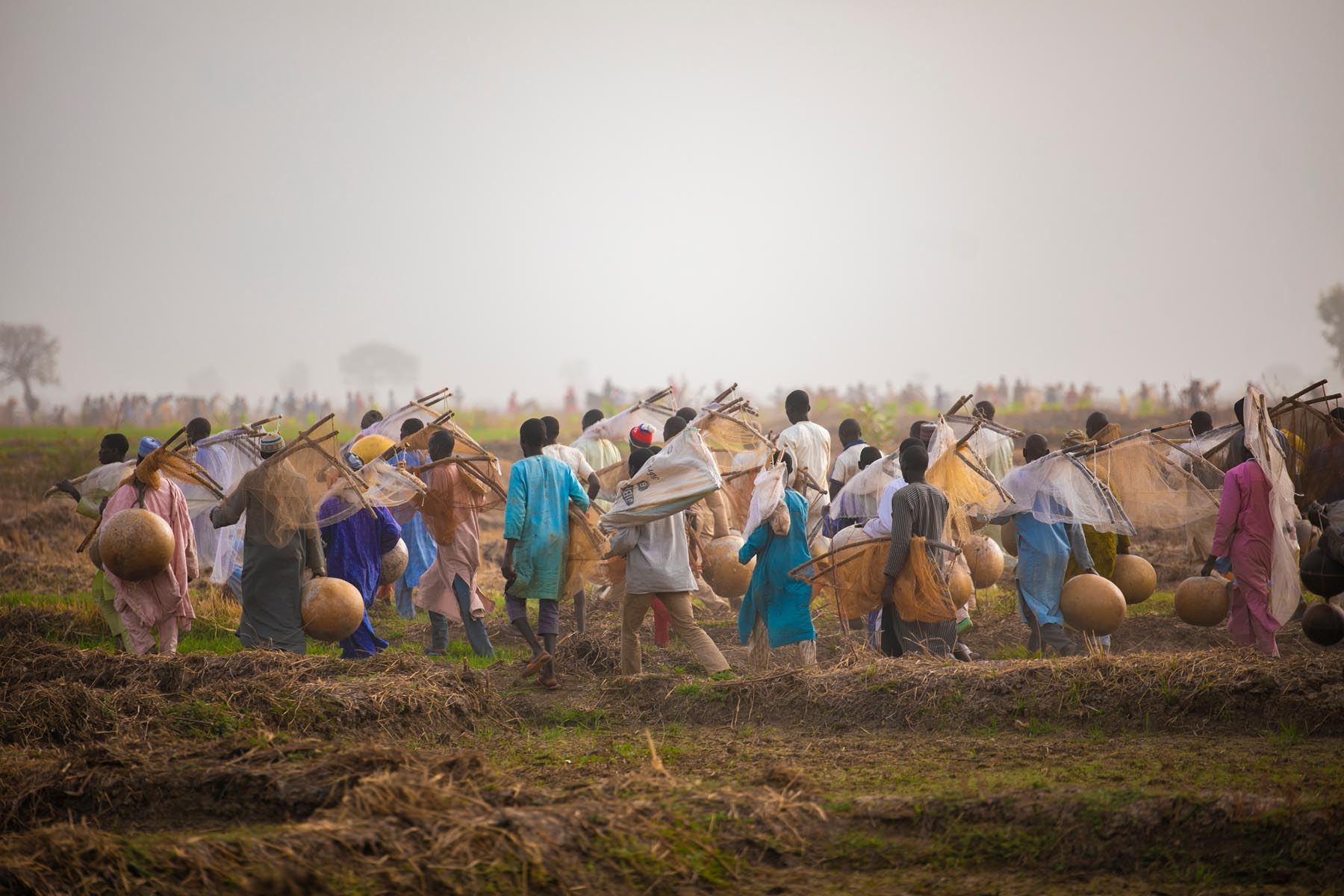
The Hindu published an article about India’s continuing battle with malnutrition. The 2016 Global Nutrition Report was referenced saying that “[the GNR] once again demonstrates India’s slow overall progress in addressing chronic malnutrition, manifest in stunting (low weight for age), wasting (low weight for height), micronutrient deficiencies and over-weight.” This article has been duplicated at the Cambodian Times, Dublin News, and the Toronto […]
-
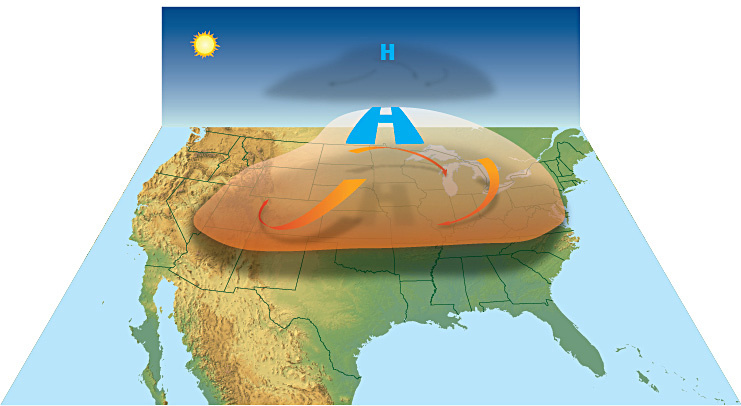
Heat dome to do approximately $2 billion in damage to U.S. corn
An IFPRI researcher's estimate shows just a few days of widespread high temperatures will end up harming U.S. corn yields
-

As India moves to replace food aid with cash, more evidence is needed on nutritional impacts
There is evidence that cash transfers can save money and reduce the routine theft that plagues food aid programs. But how will they impact nutrition?
-
Taking stock of IFPRI’s 40 years of food and nutrition research
How does IFPRI stack up as a research organization? Our recent 40th anniversary provides an opportunity to take stock of the Institute’s policy influence and impact over the years.
-
African farmers say they can feed the world, and we might soon need them to (Quartz)
June 20, 2016
Quartz published an article on the demand on farmers to produce in a changing world. The article quoted West and Central Africa Division Director Ousmane Badiane saying, “[t]oday in Africa, not only do you have to produce better, but in a globalized world, you have to sell better too[.]”
-

White House Summit on Global Development
Shenggen Fan presented at the White House Summit on Global Development on July 20, 2016. He presented as a part of the ‘Feed the Future: Partnerships for a Food-Secure 2030′ panel. The Summit, which President Obama attended, brought together development leaders, public and private sector partners, civil society, diplomats, and entrepreneurs to discuss the progress […]
-
Where is Nepal’s agricultural sector headed? (The Himalayan)
May 04, 2026
The Himalayan published an article on agricultural policies in Nepal which mentioned IFPRI’s research on the demands of contract farming in Nepal and its impact on farmers. According to the research, “lentils [are] the number one agricultural export commodity and it is the most significant pulse in terms of both area and production. It constitutes 60 per cent of the […]
-
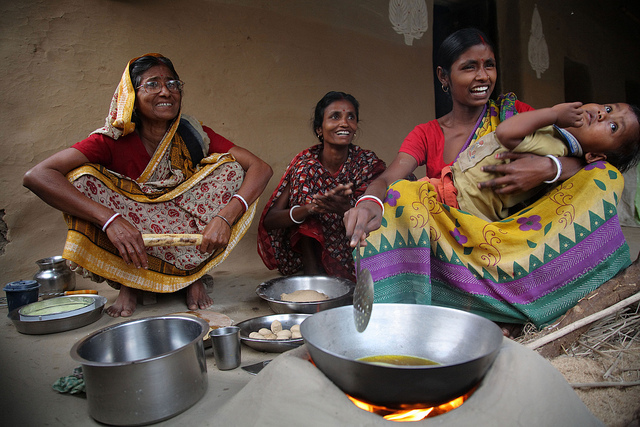
To end hunger by 2030, India desperately needs better data
It may seem like a no-brainer to say that we need data to guide efforts to end malnutrition. Would you run an economy without a regular stream of credible data? You’d be flying blind if you did, and we know what happens if you try to do that. And yet this is precisely the situation […]
-
Property rights are still wretchedly insecure in Africa (The Economist)
July 17, 2016
Senior research fellow Ruth Meinzen-Dick was quoted in an article in The Economist about land rights and gender. Said Meinzen-Dick: “The more you increase the cost, the more likely it is that urban elites and men with more education will be able to register the land in their names, rather than poor people, the less educated and women.”
-
Making agriculture resilient to bad weather (China Daily)
July 11, 2016
Director General Shenggen Fan wrote an op-ed in China Daily on agricultural resilience in China. He wrote that it’s critical to invest in drought-tolerant crop varieties, disaster insurance, as well as flood control and irrigation. “To build the resilience of small farmers, the provision of agricultural insurance at scale with government support together with market-based mechanisms is the […]
-
Half of all US food produce is thrown away, new research suggests (The Guardian)
July 13, 2016
The Guardian featured an article quoting Director General Shenggen Fan on food waste in the United States. He told reporter Suzanne Goldenberg there “are a lot of people who are hungry and malnourished, including in the US. My guess is probably 5-10% of the population are still hungry – they still do not have enough to eat…[t]hat is why food […]
-
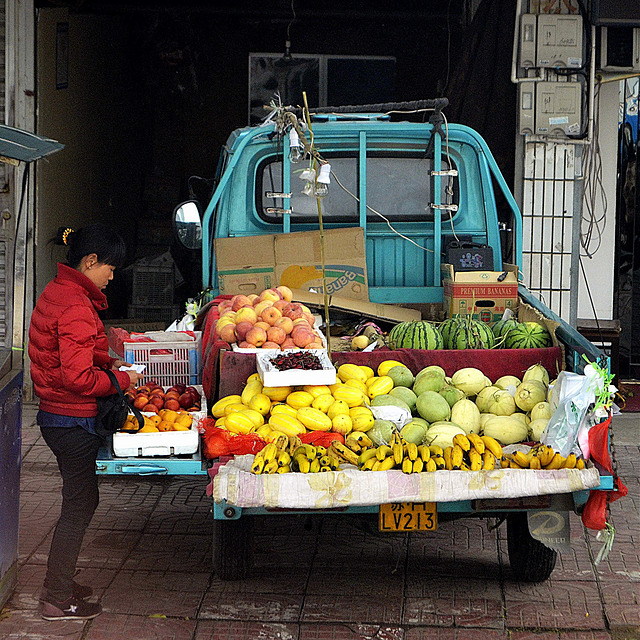
How to make Chinese agriculture more resilient to extreme weather events
Climate variability is increasing the frequency and intensity of extreme weather events such as droughts and floods. Linked to El Niño, the recent floods in Central and Southern China are a reminder of the negative impacts of climate change—it is feared the floods are the worst in decades. These severe and devastating floods have costly […]
-

The exponential effects of empowering teenage girls
On July 11, 2016, the international community observes World Population Day, and this year’s theme is “Investing in teenage girls.” Evidence has shown that empowering adolescent girls can break the cycle of poverty for themselves and for their families. It is the aim of this year’s World Population Day to emphasize the importance of allocating more […]
-
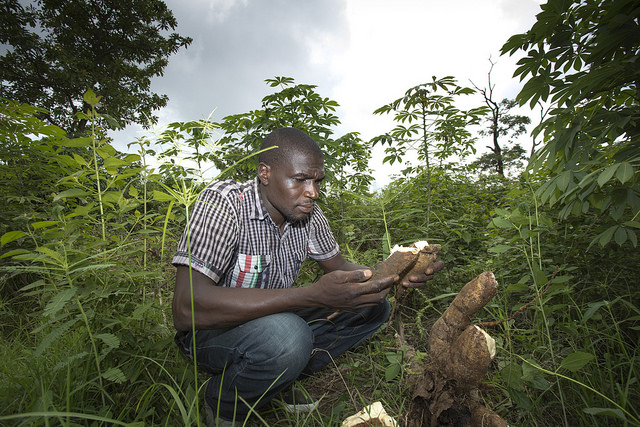
Promoting strategic agricultural public spending in Nigeria
In 2015, the World Bank awarded a $100 million grant to Nigeria for the implementation of a public expenditure action plan to reform the country’s agricultural sector. The Nigerian Federal Ministry of Finance drew heavily from IFPRI’s research during its dialogue with the World Bank, which helped Nigeria acquire the grant. The strategic allocation of […]
-
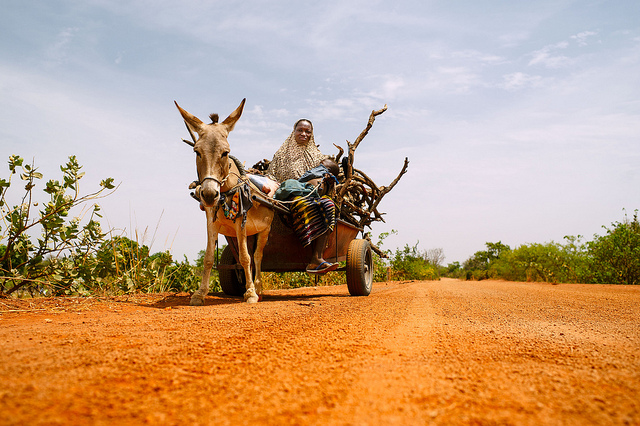
Producing bioenergy doesn’t have to conflict with food security
As the world confronts climate change, demand will increase for both bioenergy and sustainable food sources. Many assume these needs conflict. In fact, though, many synergies already exist between growing food and biomass for fuel, and good policies can boost them further. A new report, “Reconciling Food Security and Bioenergy: Priorities for action,” in the journal […]
-
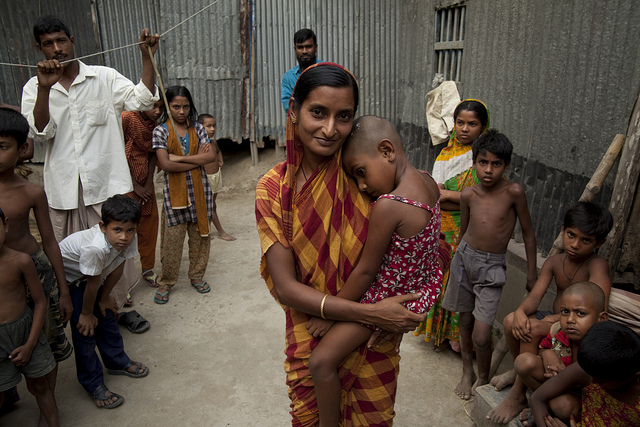
Channeling social protection programs for improved nutrition in Bangladesh
Bangladesh has been making impressive strides in reducing hunger and undernutrition; nonetheless, nutrition remains a challenge for many households.
-
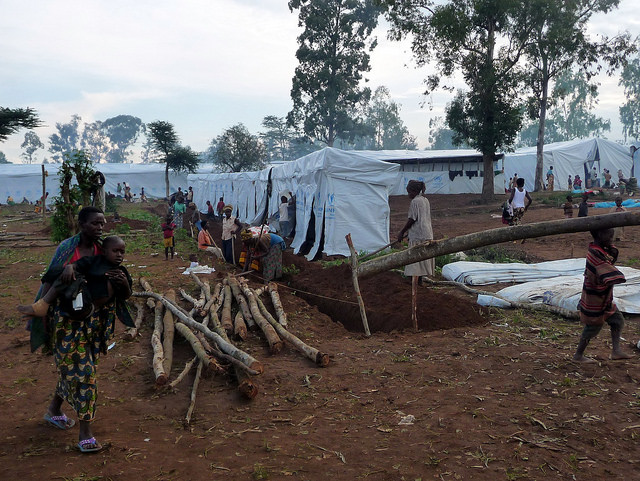
Providing aid to refugee camps can benefit the host country’s economy
The Syrian civil war has forced millions of people to leave their homes over the past five years, throwing the issue of refugees to the forefront of public debate. Though far from being a new phenomenon, this has led to renewed interest in the question: what is the economic impact of refugees on host countries? […]
-

Research centers, banks, businesses, civil society, and farmers join forces to fight future food shortages in Asia
Asian Development Bank works with CGIAR in a broad coalition of partners to boost food production across the region
-

Book Release: Stories are Key to Informing, Inspiring Action to End Global Malnutrition
June 29, 2016
“Nourishing Millions: Stories of Change in Nutrition” highlights what works in combatting malnutrition—and what doesn’t—to bring about change from individuals, communities, and country leaders June 29, 2016, Washington, D.C.—The costs of malnutrition—health, social, and economic—are staggering. However, the tools to improve nutrition are within our grasp. “Nourishing Millions: Stories of Change in Nutrition,” written by […]