

Search IFPRI web
Filters
Found 7462 Results
-
Break the vicious circle of underdevelopment, climate change and refugee crisis
The following post by IFPRI Director General Shenggen Fan was originally published in the Huffington Post. The plight of refugees and migrants crossing the Mediterranean Sea has dominated the headlines this year. While we must provide them with emergency assistance – food, shelter and medical services – in order to get to the bottom of the crisis, we need […]
-
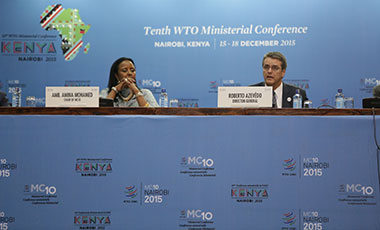
10th WTO Ministerial Conference Aims to End Agricultural Export Subsidies
The following post by Sara Gustafson was originally published on the Food Security Portal. On December 19, the 159 members of the WTO concluded the 10th WTO Ministerial Conference with the signing of a new international trade agreement, the Nairobi Package. The agreement contains several important outcomes on the issue of agriculture and represents the first […]
-
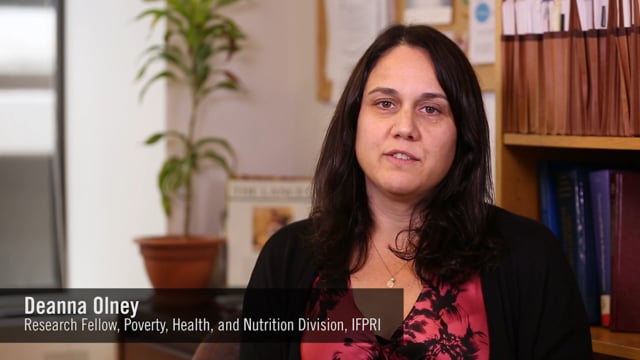
Realizing the potential of a homestead food production program
Researchers from the International Food Policy Research Institute (IFPRI) completed a first-of-its-kind rigorous evaluation of an integrated agriculture and nutrition program in Burkina Faso, a country where child undernutrition is common and the prevalence of anemia among children under five is 92 percent, the highest in the world.
-

How will crop yields change with an uncertain climate future?
IFPRI researchers recently received some attention for research on how climate change will affect croplands in the future. Using HADGEM2, a climate prediction model, Research Fellow Richard Robertson was able to predict what kinds of yields we might see under climate change for potatoes, rice, wheat and corn in 2050. What does the model show […]
-
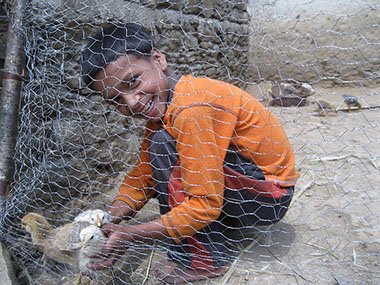
Can chicken wire reduce stunting in children?
For decades, the agricultural sector has been tasked with helping to curb undernutrition and reduce poverty levels, especially in rural areas in many developing countries. The livestock sector holds particular promise for supporting such development outcomes, since the consumption of animal-source foods is seen as both a key driver of child growth and raised household […]
-
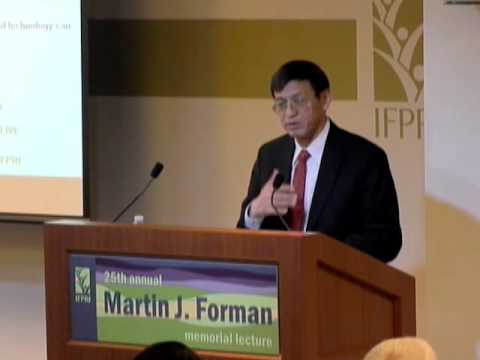
Ending hunger: How leadership, data and technology can transform the global face of poverty
25th Annual Martin J. Forman Memorial Lecture
The International Food Policy Research Institute (IFPRI) is pleased to host the 25th Annual Martin J. Forman Memorial Lecture. The event commemorates the significant impact on international nutrition by Martin J. Forman, who headed the Office of Nutrition at USAID for more than 20 years. The annual lecturer is invited to present his or her […]
-
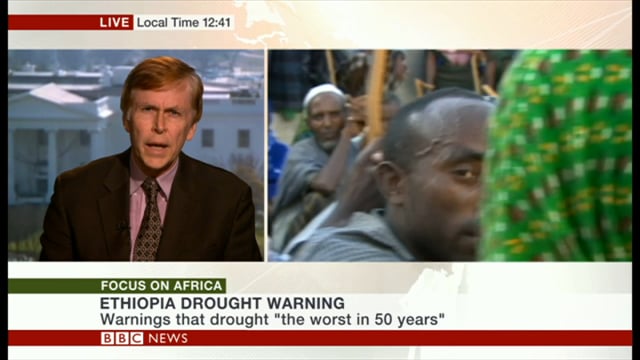
Ethiopia’s 2015 drought: No reason for a famine
Five major policy actions based on past experiences and the current context.
-
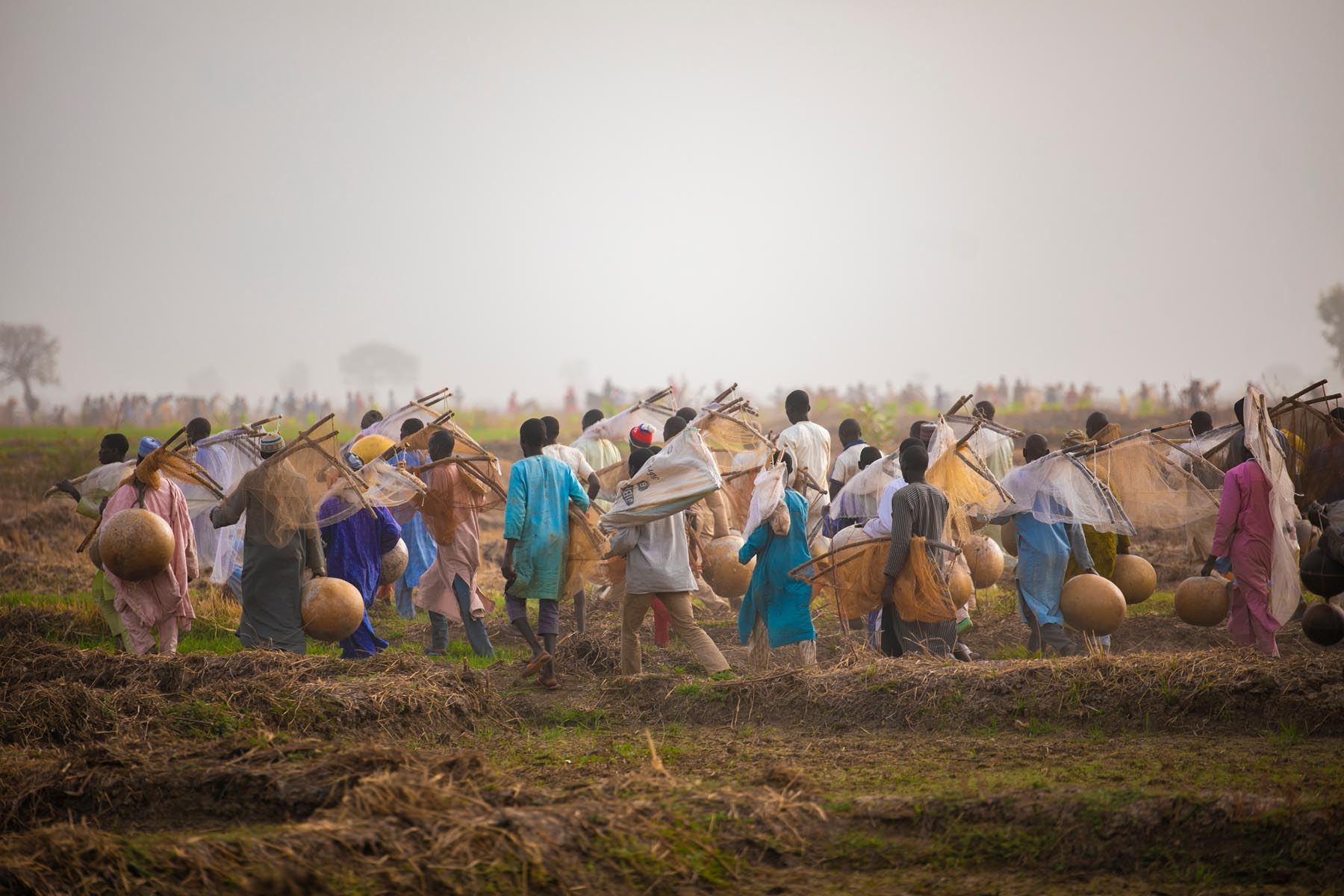
Statement of Shenggen Fan, Director General of the International Food Policy Research Institute, at the close of COP21
December 13, 2015
“Today’s historic agreement at the Paris talks on climate change represents a huge step forward in our collective effort to reduce carbon emissions and keep temperature from rising by more than 2 degrees Celsius above the historical average. I am very pleased that wealthy nations have agreed to fund efforts to combat climate change and […]
-
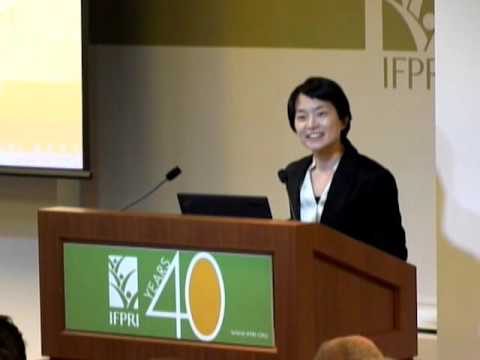
The case for investing in the restoration of degraded lands
An estimated 30 percent of all global lands are classified as degraded, serving as home to an estimated 3.2 billion people. Yet the scope of the problem extends further still, as the impacts of land degradation are felt in every region in the world. According to the latest research findings published in a new book […]
-
Differential export taxes along the oilseeds value chain
Export taxes are a commonly enacted policy worldwide. Export taxes are often applied as a food security policy, as the main effect of these taxes is to decrease the domestic price of a good.
-
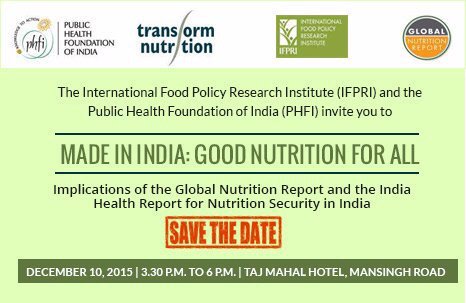
Made in India: Good Nutrition for All
Implications of the Global Nutrition Report and The India Health Report for Nutrition Security in India
With: Honorable Minster Maneka Gandhi, Ministry of Women and Child Development, India | Honorable Minister Jagat Prakash Nadda, Ministery of Health and Family Welfare, India India is currently the fastest growing major economy in the world. If that is to be sustained, its economic growth needs to be translated into the improved nutrition status of its […]
-

Climate change threatens food production in the Philippines
December 05, 2015
Research finds a significant drop in food consumption, putting millions at risk of hunger December 5, 2015, Paris – If left unchecked, climate change in the Philippines may greatly increase the number of people who go hungry and negatively impact the economy, new research from the International Food Policy Research Institute (IFPRI) shows. Climate change […]
-

2015 World Soil Day: Celebrating an underappreciated resource
Think dirt doesn’t matter? Think again. All life on this planet depends on soil to survive. This is just one of many facts Shahidur Rashid, a senior research fellow at the International Food Policy Institute, shared in a video to celebrate World Soil Day. “If you think love is unconditional giving, soil has been doing […]
-
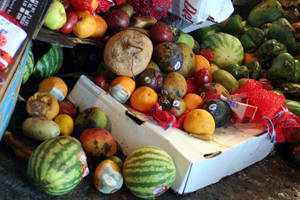
New knowledge-sharing initiative to measure and reduce food loss and waste
December 04, 2015
FAO, IFPRI, and the CGIAR research program on Policies, Institutions, and Markets (PIM) today launched a new initiative to enhance global cooperation on measuring and reducing food loss and waste.
-
IFPRI’s Research in Use
IFPRI’s has developed brief statements about the use, adoption, or influence of IFPRI’s research results by partners, stakeholders, clients, etc. These narratives describe how IFPRI’s research results are taken up by external users for use in their activities and products. These are highlights of how IFPRI’s food policy research has contributed to reducing poverty and […]
-
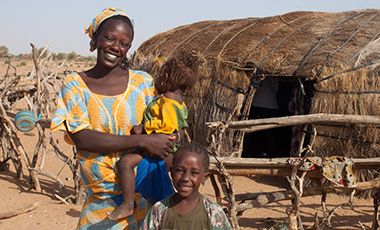
IFPRI’s Impact
IFPRI uses cutting-edge research methodologies and tools to assess our role in influencing policies, programs, and investments, and building human and institutional capacity along the way. These changes often lead to downstream impacts, including the reduction of poverty, hunger, and malnutrition, as well as improved environmental sustainability and gender equality. IFPRI’s work aligns with the […]