




Search IFPRI web
Filters
Found 7462 Results
-
WEAI Partners
Global Partners The Women’s Empowerment in Agriculture Index (WEAI) is a partnership between USAID’s Feed the Future initiative, IFPRI, and the Oxford Poverty and Human Development Initiative (OPHI) of Oxford University. Local Partners WEAI was piloted in three countries with diverse socioeconomic and cultural contexts—Bangladesh, Guatemala, and Uganda.
-
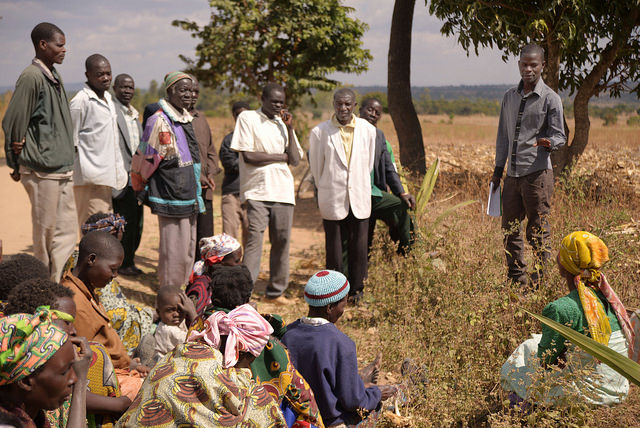
Poverty reduction for smallholder farmers, Brazilian-style: Can it work in Africa?
The following post, written by Kate Ambler, Alan de Brauw, and Susan Godlonton from IFPRI’s Markets, Trade, and Institutions Division, is the first in a series of researcher-authored blog stories highlighting ongoing applied microeconomics research at IFPRI. Brazil has achieved impressive results in reducing poverty with “Fomento,” a set of large-scale, government-run social programs targeting smallholder farmers. Rural poverty in Brazil dropped dramatically […]
-
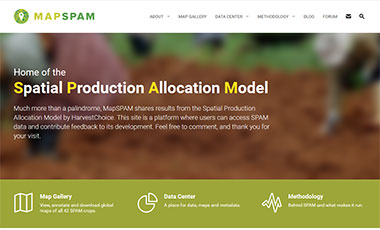
New global crop data aid in food policy decisions
April 08, 2015
Interactive website shows production of 42 crops at ten kilometer resolution
-
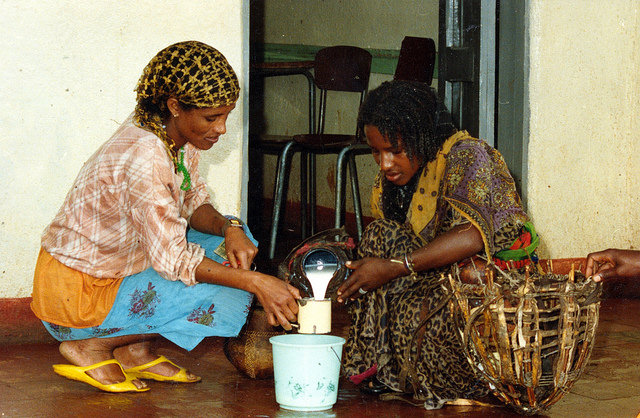
Why gender matters for food safety
The following is an excerpted version of a blog story originally published on the CGIARResearch Program on Agriculture for Nutrition and Health (A4NH) website. The story relates closely to this year’s theme for World Health Day, which highlights the importance of food safety across the global food system. Some of the foods that would most enhance nutrition in diets […]
-
Green gains?
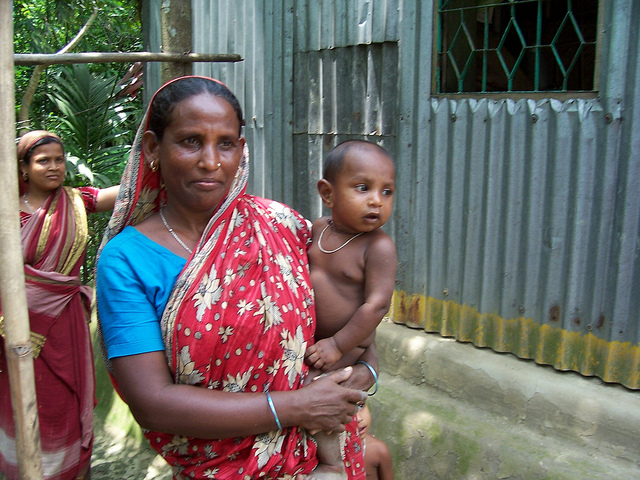
While gains in agricultural productivity and poverty reduction achieved during the Green Revolution have been widely recognized, little is known of how these shifts in practice and production impacted the nutritional status of individuals in these countries, particularly women and children. The mix of policies to promote inputs such as irrigation and fertilizers, in conjunction […]
-

Jawoo Koo
Senior Research Fellow
-
HarvestPlus
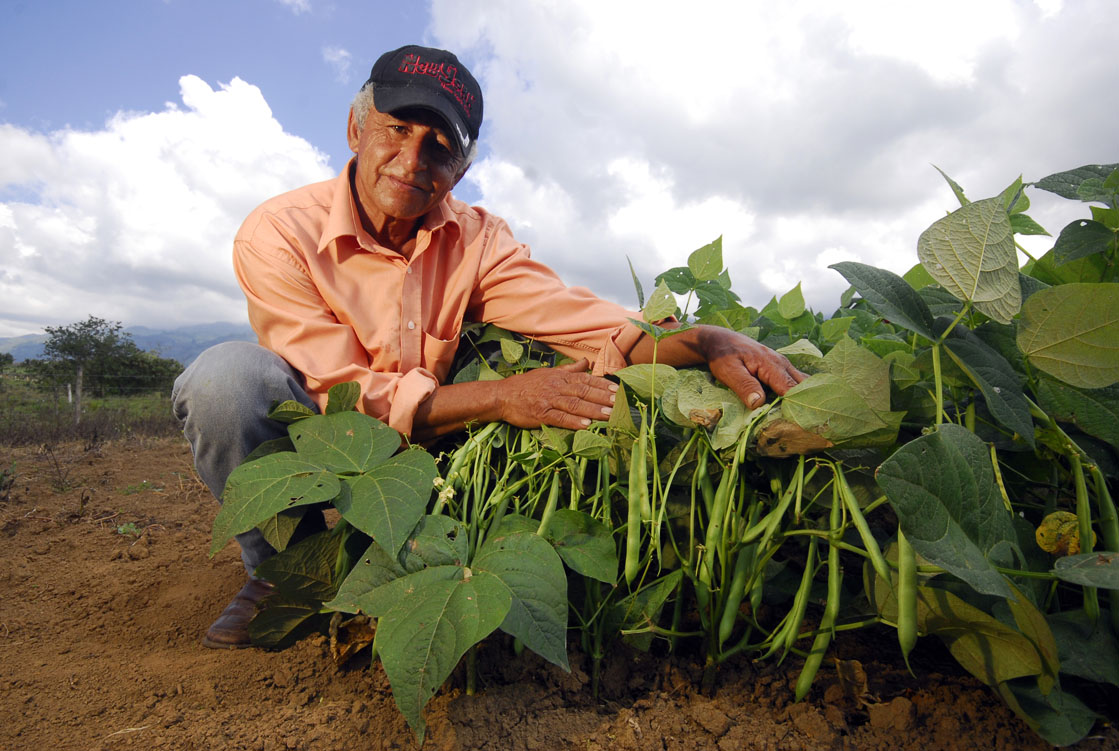
Seeks to reduce hidden hunger and provide micronutrients to billions of people directly through the staple foods that they eat.
-
Do high food prices and droughts fuel conflict?
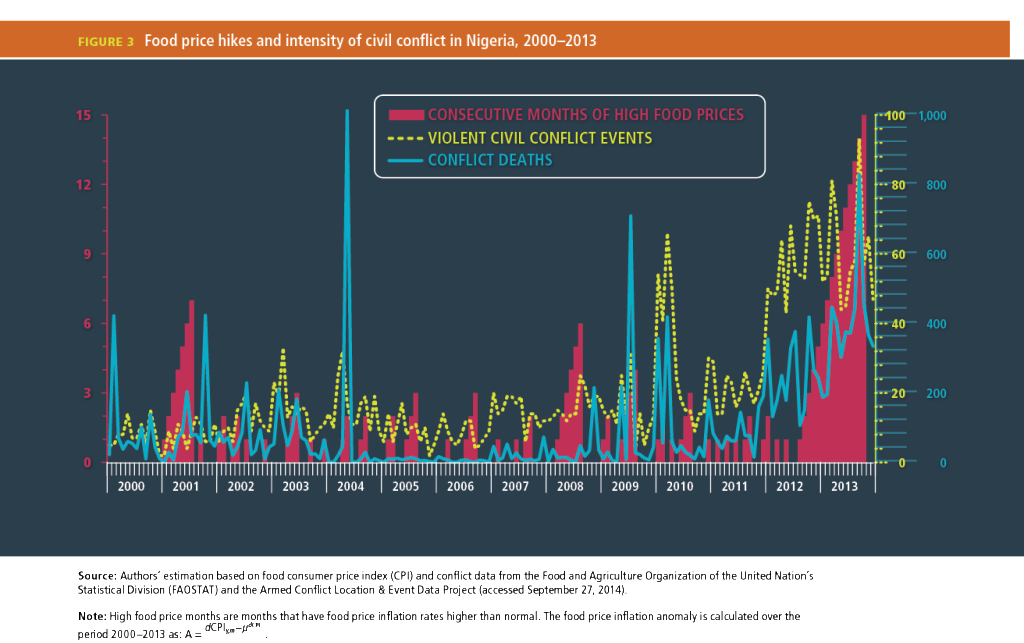
The following story by Jacopo Bordignon shares highlights from Chapter 7 of the 2014-2015 Global Food Policy Report, which was authored by Clemens Breisinger, Olivier Ecker, and Jean Francois Trinh Tan from IFPRI’s Development Strategy and Governance Division. The world has seen more and more conflicts in recent years, such as in Syria, Nigeria, and Yemen. What explains these conflicts […]
-
Statement by Shenggen Fan on World Water Day
March 20, 2015
by Shenggen Fan Director General, International Food Policy Research Institute (IFPRI) March 22, 2014 –Washington, D.C. On the occasion of World Water Day, it is imperative that all nations and stakeholders rise to the collective challenge of using water sustainably. Anything less will imperil our ability to feed the planet and provide clean drinking water […]
-

Middle Income Countries Play Key Role in Eliminating Hunger and Malnutrition
March 18, 2015
Findings from IFPRI’s 2014–2015 Global Food Policy Report March 18, 2015, Washington, DC—Brazil, China, India, Indonesia, and Mexico may be rising economic powerhouses, but these five fast-growing, middle income countries are still home to nearly half of the world’s hungry, or 363 million people. That is why we must also pay attention to those living […]
-
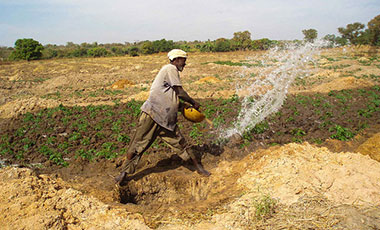
How can reliable water access contribute to nutrition security in Africa south of the Sahara?
The following blog story was written by Laia Domènech, visiting fellow in the Environment and Production Technology Division at IFPRI, in honor of World Water Day 2015. The theme of this year’s event on March 22 is “Water for Sustainable Development.” A set of 17 Sustainable Development Goals (SDGs) are expected to be adopted in September […]
-
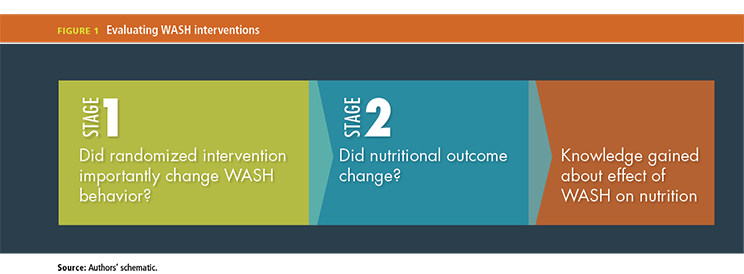
The power of WASH
The following post by IFPRI senior research fellow Lawrence Haddad shares highlights from Chapter 3 of the 2014-2015 Global Food Policy Report, which Haddad co-authored withDean Spears, Director of R.I.C.E. and visiting economist at the Centre for Development Economics, Delhi School of Economics, India. The post originally appeared on theDevelopment Horizons blog. This week saw the launch of IFPRI’s 2014-2015 Global Food […]
-
Launch of IFPRI’s 2014-2015 Global Food Policy Report
The 2014–2015 Global Food Policy Report, IFPRI’s flagship publication, puts into perspective the major food policy issues, developments, and decisions in 2014 and highlights challenges and opportunities for 2015. The report calls for a renewed focus on middle-income countries, which are home to the majority of the world’s hungry and malnourished. It also covers other […]
-
Compact2025
Eliminating hunger and undernutrition is key to ending extreme poverty. Doing so will pave the way for achieving multiple Sustainable Development Goals (SDGs).
-
Women’s empowerment in agriculture
On March 8, IFPRI joins individuals and organizations around the world in celebrating International Women’s Day. The theme this year, “Empowering Women, Empowering Humanity: Picture It!” urges us to both celebrate connections between women and community empowerment and to envision new ways to advance the rights of women. This year, International Women’s Day marks 20 […]
-

From famine to feast in forty years: Policy matters
The following post by IFPRI Director General Shenggen Fan was originally published in the Huffington Post. It is the first in a series of blog stories celebrating IFPRI’s 40th anniversary. In the mid-1970s, the outlook for food supplies around the world was grim. There were talks of “food triage”— food-rich countries would decide which food-poor countries […]
-

Where do the world’s hungriest people live? Not where you think
The following post by IFPRI Director General, Shenggen Fan, was originally published in the Huffington Post. If you were tasked to end hunger and malnutrition in the world, you might first ask: Where do such vulnerable people live? It may be a surprise that the majority of the world’s hungry and malnourished live in large […]
-
Page Not Found
Thanks for visiting IFPRI! The page you have requested has moved, or is not found. If you were looking for a publication, please visit the publications page and search by title. For other information, please navigate through the menus or conduct a search. 404
-
Countries in West Africa Must Add Climate Change Adaptation to Food Security Investments
May 05, 2026
West African policy makers should prepare for future challenges from climate change as they address the pressing needs of broad-based