
Search IFPRI web
Filters
Found 7462 Results
-
Explore and create with Open Data
For the past three years, the Global Hunger Index (GHI), a tool designed to comprehensively measure and track hunger by region and country, has been published as Linked Open Data (LOD). The GHI highlights successes and failures in hunger reduction and provides insights into the drivers of hunger, as well as food and nutrition insecurity. It does so […]
-
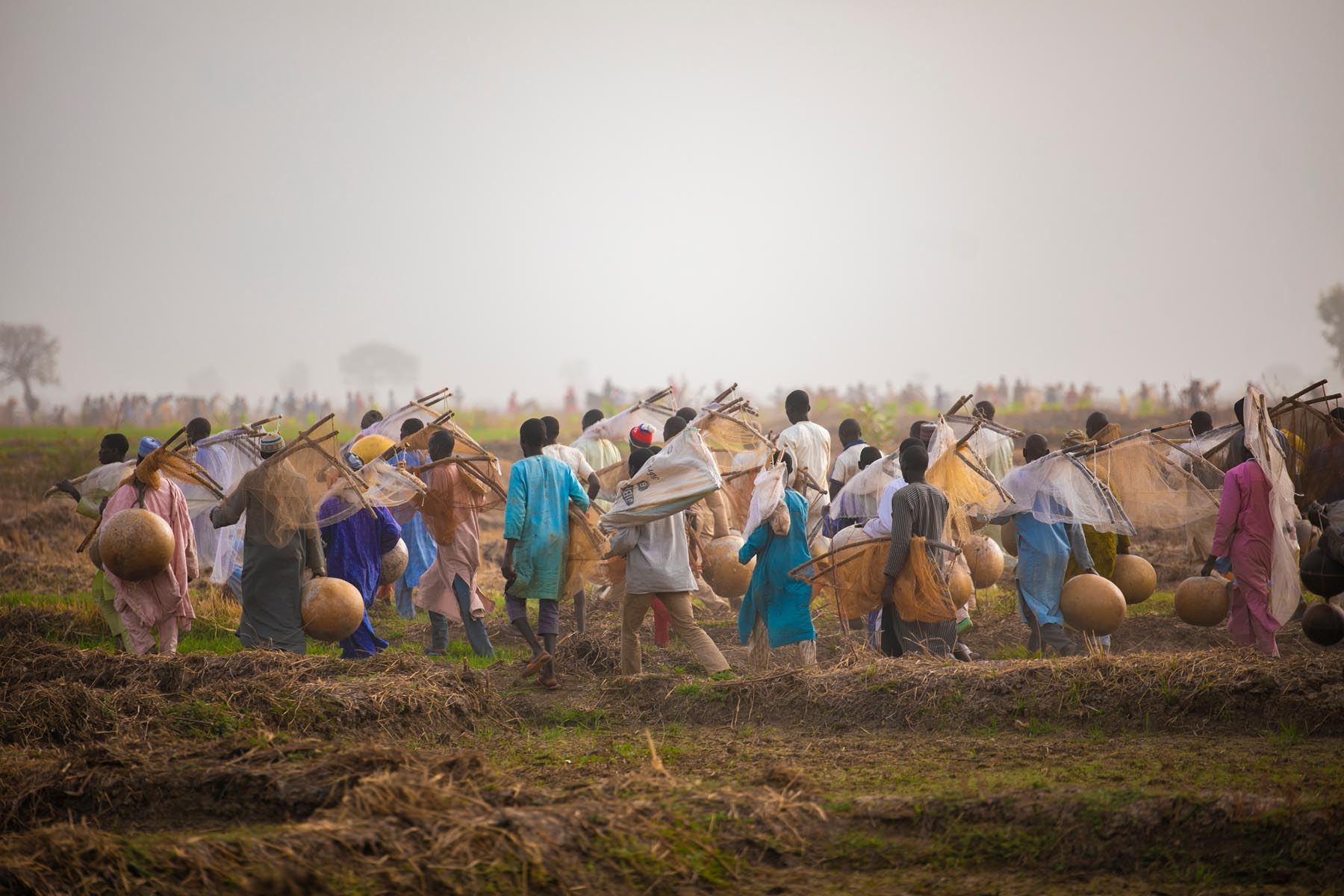
Global Nutrition Report Launch
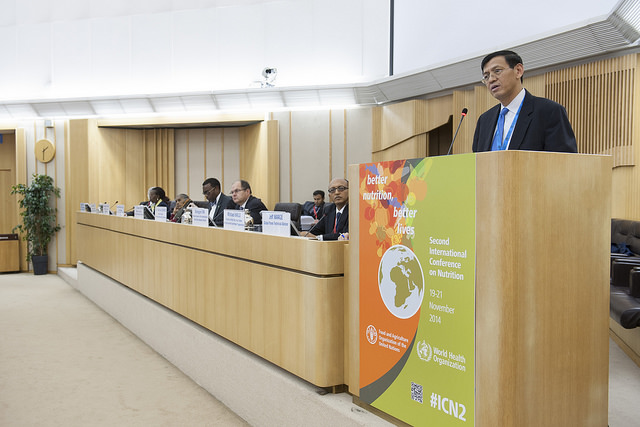
IFPRI is delighted to host a roundtable discussion to launch the new Global Nutrition Report in Washington, DC. The Global Nutrition Report, produced in partnership with a wide range of stakeholders, is the first comprehensive narrative on country-level progress toward reducing malnutrition. It covers nutrition status outcomes, program coverage, and underlying determinants such as food […]
-
The return on investment in nutrition is high. So why do so many governments fail to adequately invest in it?
May 06, 2026
Please join us for high-level discussions on strategies for action on nutrition Dec. 8, 2014, Washington D.C.–On average, for every dollar that governments around the globe invest in nutrition to reduce stunting, they see a return of 16 times as much–and the return on investment for some countries is much higher: In Sri Lanka, for […]
-
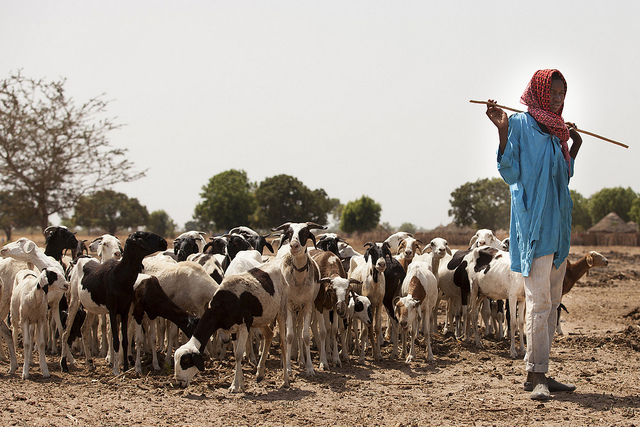
Risky business
In the drought-prone regions of East Africa and parts of South Asia, a lack of water can be the most damaging factor to a farmer’s bottom line. Agriculture is a particularly high-risk occupation in these regions, and climate shocks such as drought can make the job even more risky, engendering cycles of poverty. Moreover, the […]
-
IFPRI researchers contribute to the Lima Climate Change Conference in Peru
May 06, 2026
December 1, 2014, Lima, Peru—IFPRI researchers will present findings of a new series of policy notes on women farmers’ ability to adapt to climate change and contribute to a workshop on the economic viability of climate change mitigation policies at the annual climate conference known as COP 20. The events will add evidence-based findings to […]
-
Doubling down on a good investment
As the world’s population continues to expand, ensuring that food production can meet the growing demand is an ever-mounting challenge. Climate change, soil degradation, and volatile food prices further threaten food security at a time when increasing agricultural output is paramount. In the report, Taking Stock of National Agricultural R&D Capacity in Africa South of the […]
-

African countries south of the Sahara must double investment in agricultural R&D, report finds
May 06, 2026
New report analyzes trends in investments and human resource capacity in African agricultural R&D; New online tools enable cross-country comparisons and rankings of key R&D indicators Johannesburg, South Africa, 26 November, 2014 – African countries south of the Sahara will need to double their investment in agricultural research and development if ambitious United Nations and […]
-
12 killer facts from the Global Nutrition Report
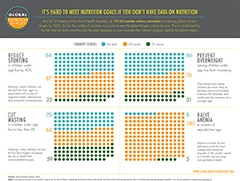
This blog story by IFPRI senior researcher Lawrence Haddad was originally posted on his Development Horizons blog. I have described the Global Nutrition Report as an evidence based treasure trove for influencing. You will have your own favorite stats, but here are some of mine:
-
First-ever Global Nutrition Report calls for greater accountability and action for combatting global malnutrition
Malnutrition affects one in two people on the planet. 165 million children under the age of five suffer from stunting, while two billion people are deficient in one or more essential micronutrients, such as vitamin A, zinc, and iron. Meanwhile, 1.5 billion people are classified as overweight or obese. The costs of failing to address […]
-
Think we can’t end global malnutrition by 2030? Think again
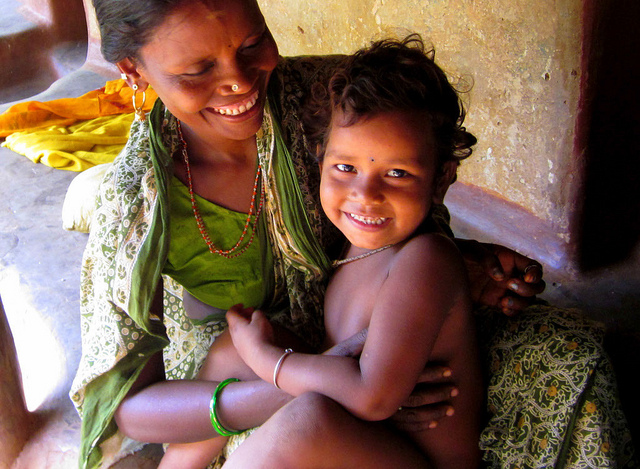
This blog story by IFPRI senior researcher Lawrence Haddad was originally posted on the Huffington Post. There is a public health crisis that is threatening the health and lives of men, women and children across our planet at an alarming rate, and the richest nations are affected as well as the poorest. And the sad truth is that many […]
-

Raising their voices to improve nutrition in Rwanda
Nearly 40 percent of children in Rwanda do not consume enough iron, which can have long-term consequences, including lower learning capacities, resistance to disease, and diminished energy levels. However, a new biofortified bean variety containing 15 percent more iron than traditional beans is offering hope for addressing the problem. More than 700,000 Rwandan farmers have […]
-
Nutrient deficiencies: shining a light on hidden hunger
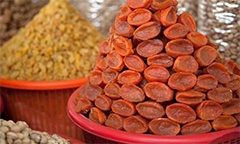
Vitamin A, iodine, iron, zinc and folate deficiencies affect billions of children. How can the quality of food be improved? This blog story by IFPRI Senior Research Fellow Lawrence Haddad and Luz Maria De-Regil, Director of Research and Evaluation at the Micronutrient Initiative, was originally posted on The Guardian’s Global Development Professionals Network. Vitamins and minerals needed by the body in very […]
-
Hidden hunger, exposed
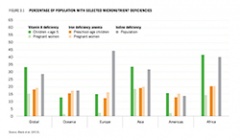
The following story by Brenna Fitzpatrick was originally published on the Food Tank blog. The 2014 Global Hunger Index (GHI) recently released by the International Food Policy Research Institute (IFPRI), Welthungerhilfe, and Concern Worldwide highlights the progress, shortcomings, and inequalities in the global fight against hunger. The report, released annually since 2006, documents hunger in 120 developing countries using three criteria: […]
-
In a changing climate, information is power
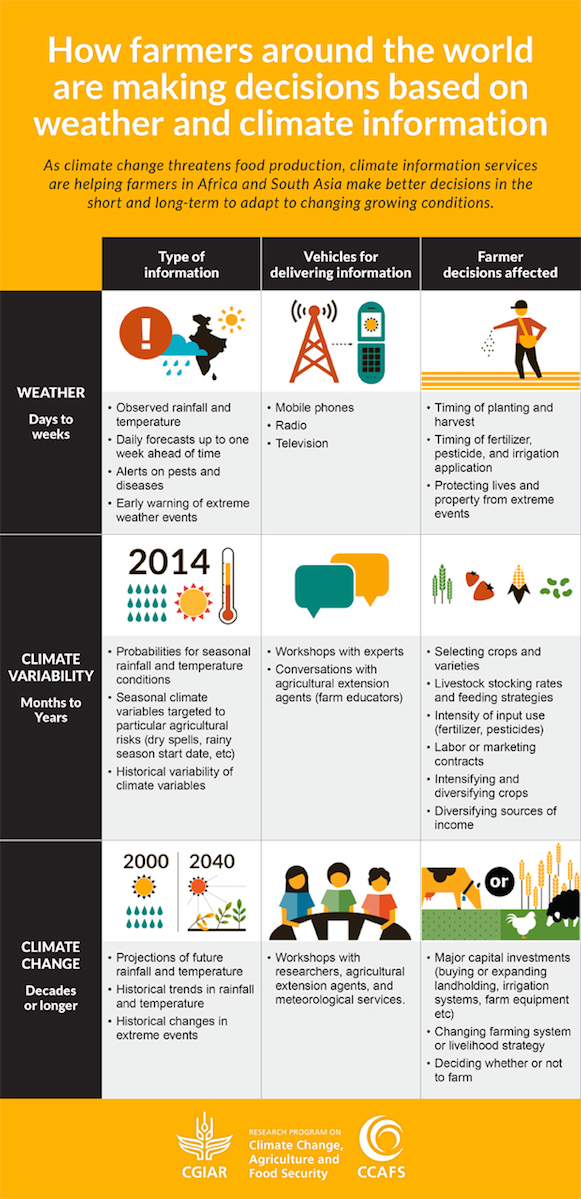
The following story by Alexa Jay was originally posted on the CGIAR Research Program on Climate Change, Agriculture and Food Security (CCAFS) news blog. In a variable and changing climate, information may be the key to unlocking successful adaptation strategies. How can millions of farmers access climate information services that support adaptation to climate variability and change? […]
-
Malawi’s subsidy splurge
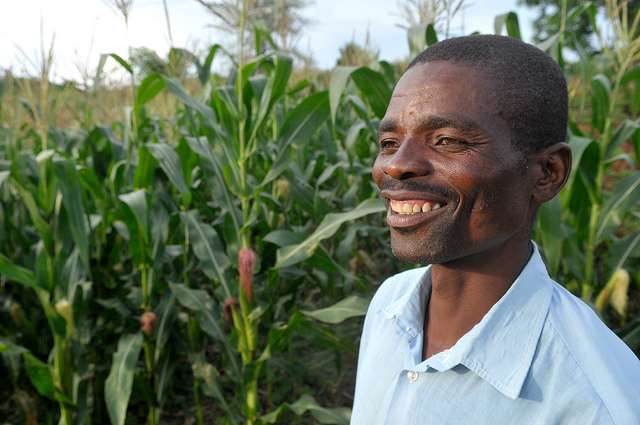
Africa south of the Sahara has been plagued by low agricultural productivity while at the same time fertilizer usage has remained stubbornly low in the region. In an attempt to boost output, African governments have taken to subsidizing productivity-enhancing inputs such as fertilizer. Once a mainstay during the 1970s and 80s, the austerity programs of […]
-

Open Access Week 2014
The following story by Luz Marina Alvaré, Head of Knowledge Management at IFPRI, highlights IFPRI’s commitment to Open Access as part of Open Access Week 2014 (October 20-26). IFPRI has been committed to the core principles of the Open Access movement since the time of the institute’s creation in 1975. All materials published by IFPRI are considered international public […]
-
Costs of ignoring hunger
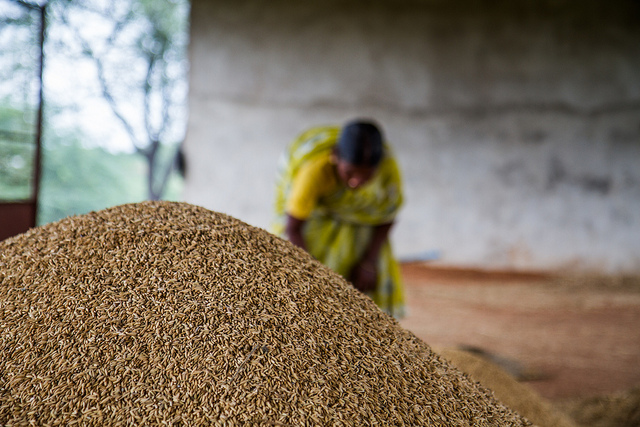
Ignoring hunger and malnutrition will have significant costs to any country’s development. Nutrition improvement has both intrinsic and instrumental value. The following story by S. Mahendra Dev, Director of the Indira Gandhi Institute of Development Research and IFPRI Board member, was originally published on the online version of The Hindu. One of the disappointments in the post-reform period in […]
-
GHI 2014: Solutions to hidden hunger
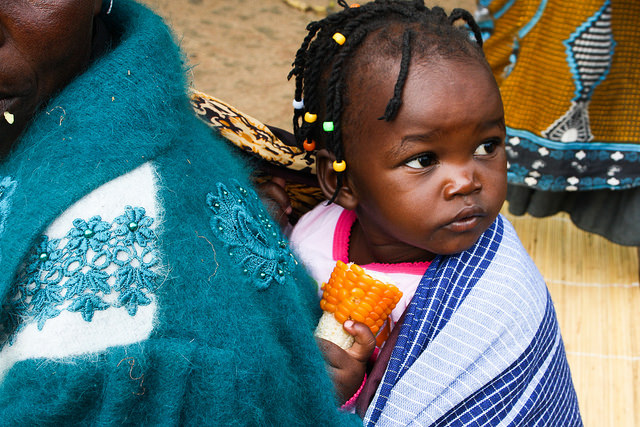
The following piece by Amy Saltzman and Ekin Birol from HarvestPlus shares highlights from Chapter 3, “Addressing the Challenge of Hidden Hunger,” from the 2014 Global Hunger Index. Micronutrient deficiencies, or hidden hunger, afflict more than two billion individuals, or one in three people, globally. The effects can be devastating, leading to mental impairment, poor health and productivity, and even death. The […]
-
Preventing an Ebola-related food crisis
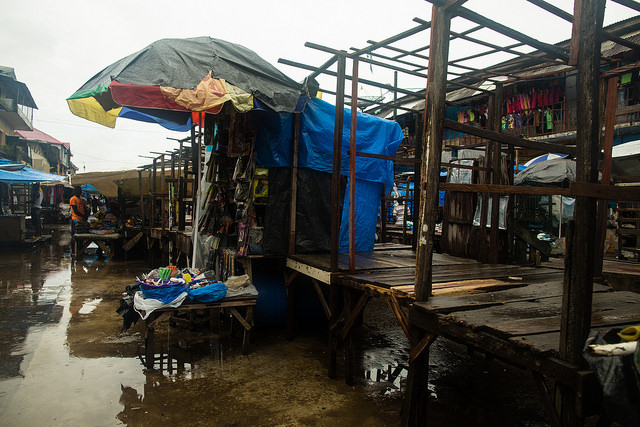
The following post by IFPRI Director General Shenggen Fan was originally published on his DG Corner blog. With deaths in the thousands and more cases reported each day, the Ebola epidemic has caused tremendous suffering, and will continue to do so for the foreseeable future. This is not just an immense health crisis—it also threatens agriculture and […]