




Search IFPRI web
Filters
Found 7462 Results
-
Regional trade and cooperation between South Asian and Southeast Asian nations
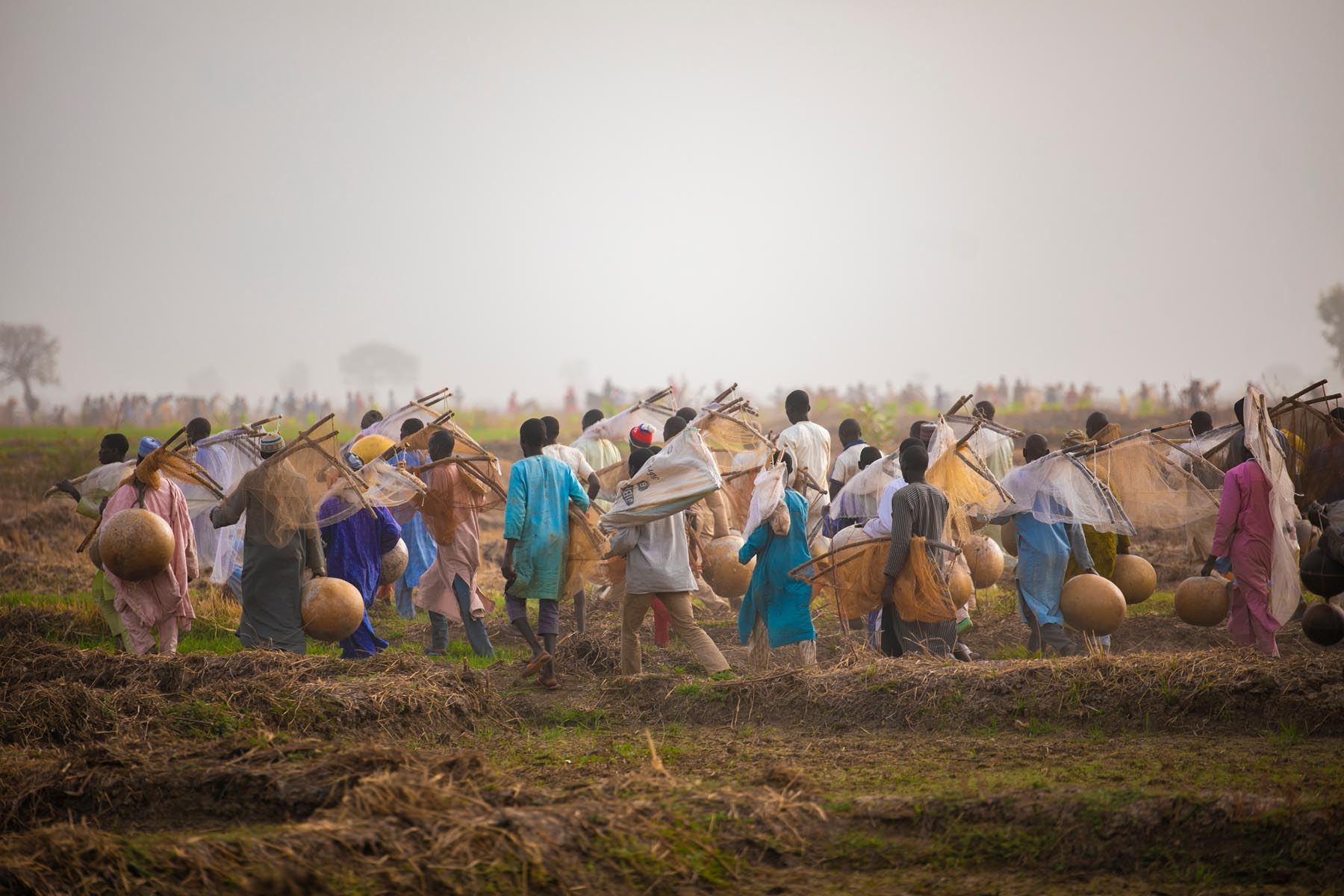
P.K. Joshi, IFPRI’s Director for South Asia, participated in the 2nd Association of Southeast Asian Nations (ASEAN) Rice Trade Forum earlier this month in Indonesia, emphasizing that, as global food production and markets are more adversely impacted by climate change and price volatility, the two core regions for rice production—South Asia and Southeast Asia—will benefit from greater cooperation […]
-
Food Safety in China: Op-ed by IFPRI Director General Shenggen Fan
As news of the latest food safety scandal to hit China—rice tainted with the carcinogenic heavy metal cadmium—further undermines consumer trust in the country’s food system, IFPRI Director General Shenggen Fan asks, in an op-ed in the China Daily Post, “How can China continue along its current development path without sacrificing its food safety?” Read the full […]
-
She who holds the purse string wields the power? The curious case of conditional cash transfers in Brazil
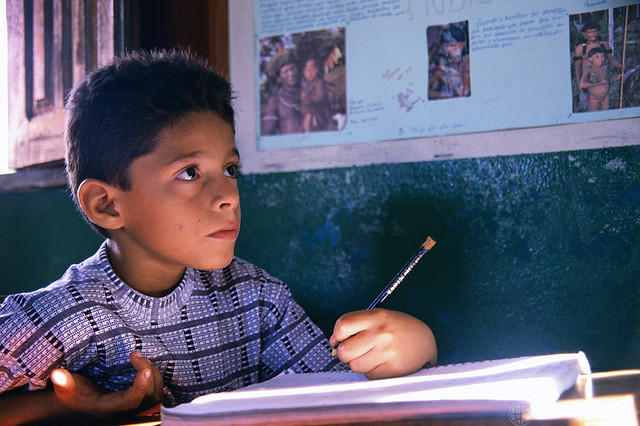
When women control the family finances, does it equate to a broader sphere of influence in household decisions? Research has suggested that women’s empowerment, both inside and outside the home, is closely correlated to women’s ownership of assets. A group of IFPRI researchers looked at this issue in depth with a conditional cash transfer (CCT) program […]
-
Canada funds the fight against malnutrition with $20 million grant
On Saturday, June 8, the Government of Canada demonstrated its commitment to the fight against malnutrition by announcing an important new contribution, CDN $20 million in new funding to the CGIAR Agriculture for Nutrition and Health (A4NH) program. Canada’s contribution will allow the A4NHprogram to accelerate new impact-oriented research by supporting: Read the full story by John McDermott, Director, CGIAR Research Program on […]
-
30th Anniversary of the China-CGIAR partnership
This week, China and CGIAR are celebrating the 30th anniversary of their partnership. To celebrate IFPRI’s collaboration with China, the Institute has compiled the Highlights of IFPRI’s partnerships and impacts in China: Reducing Hunger and Poverty Through Food Policy Research: Click here to read more about the highlights of IFPRI’s major projects, partnerships, and knowledge-sharing activities in China in recent years. Related IFPRI Publications Highlights of IFPRI’s […]
-
In the lead-up to the G8: Launch of The Lancet seminal series on undernutrition
Release of long-awaited series on maternal and child undernutrition
-
Fighting land degradation in Uzbekistan: A World Environment Day Photo Log
Environmental land degradation is one of the most serious threats to the environment worldwide. It is a threat to biodiversity, human health, and the crops upon which many people depend on for survival. Earlier this month, IFPRI Videographer Milo Mitchell traveled to Uzbekistan to document some of the worst land degradation in the world, where […]
-
Nutrition spending: the biggest bang for your development buck
John Hoddinott is a Senior Research Fellow and Deputy Director of the Poverty Health and Nutrition Division at IFPRI. In a few days’ time, high level representatives from governments, business, scientists, and civil society will meet in London to make ambitious commitments needed to tackle undernutrition. Why now? After all, photographs of hungry children seem to have […]
-
Farming is the key to solving youth unemployment in Africa
Africa south of the Sahara has the world’s youngest and fastest growing population. With enough support from African leaders, agricultural initiatives will boost employment and the economy. The following post by IFPRI’s Karen Brooks, Director of the CGIAR Research Program on Policies, Institutions and Markets, is a modified version of a story that originally was published by the […]
-
Poverty scorecards help prioritize lending, minimize risk
This story originally appeared on the Food Security Portal blog. Economic growth in the developing world relies heavily on credit, grants, and loans. But increasing poor populations’ access to these financial vehicles brings with it a significant amount of risk for lenders, both public and private. When selecting development interventions to financially support, lenders and donors […]
-
Is hydropower for or against irrigation?
The answer is—as usual—that it depends! This post is part of the CGIAR Research Program on Water, Land and Ecosystems (WLE) website’s coverage of the recent conference on “Water in the Anthropocene: Challenges for Science and Governance. Indicators, Thresholds and Uncertainties of the Global Water System,” which took place from May 21-24 in Bonn, Germany. Many large river basins support both—energy production from […]
-
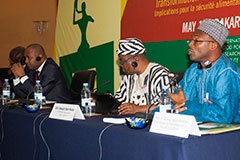
Keeping the momentum of West African success
This story originally appeared on the Food Security Portal blog. Economic growth in the developing world relies heavily on credit, grants, and loans. But increasing poor populations’ access to these financial vehicles brings with it a significant amount of risk for lenders, both public and private. When selecting development interventions to financially support, lenders and donors […]
-
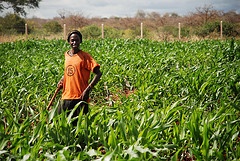
Can Ethiopia maintain its great progress toward food security?
Nearly 30 years after the 1984 famine that left more than 400,000 people dead, Ethiopia has made significant progress toward food security. Some of these recent successes include a reduction in poverty, an increase in crop yields and availability, and an increase in per capita income—rising in some rural areas by more than 50 percent! […]
-
Chicago Council Food Security Symposium 2013
Dena Leibman is Head of Outreach at IFPRI At turns seeming like an inspiring TED talk, policy seminar, industry trade show, research conference, and youth-centric social media event, the Chicago Council’s Food Security Symposium succeeded in its goal to showcase the power of these actors to work individually and together to end poverty and hunger around the world. All speakers conveyed […]
-
Commentary – High food prices and dietary quality: Who pays?
This post by Howarth Bouis, Director of HarvestPlus, which is coordinated by IFPRI and CIAT, is part of a series produced by The Chicago Council on Global Affairs marking the occasion of its annual Global Food Security Symposium in Washington, D.C., which was held on May 21st. For more information on the symposium, click here. Follow @globalagdev and #globalag on Twitter to join the conversation. When policymakers […]
-
Land degradation: bad for humans, bad for biodiversity
Land degradation—the loss of goods and services derived from our ecosystems, such as soil, vegetation, and other plant and animal life—not only poses a serious threat to long-term food security but puts wildlife diversity in grave danger. Taking the form of desertification, deforestation, overgrazing, salinization, or soil erosion, land degradation can be caused by biophysical […]
-
Note to WTO: Reform agricultural trade
Co-authored by David Laborde Debucquet and Sara Gustafson. The Doha Development Agenda, the World Trade Organization (WTO’s) ambitious trade liberalization program, has been bogged down since its launch in 2001. Although it should not be blamed for the current stalemate, agricultural reform has played no small part in the agenda’s challenges, with disagreements over agriculture contributing to […]
-

Commentary: Walk the Talk
This post is part of a series produced by The Chicago Council on Global Affairs, marking the occasion of its annual Global Food Security Symposium in Washington, D.C., which will be held on May 21st. For more information on the symposium, click here. Follow @globalagdev and #globalag on twitter to join the conversation on May 21st. The global food system remains […]
-
Do you know someone who has transformed thinking and action on nutrition?
Originally posted on the Transform Nutrition blog. Transform Nutrition, in support of the efforts of the Scaling Up Nutrition Movement, have launched a new initiative to find the ‘unsung heroes’ of nutrition at national or local levels. Nominations are now welcome. Deadline is 30 June 2013. Further information and nomination form.
-
Better Development through Diaspora Engagement?
For many developing countries, remittances—the money sent from expats back home to their families—are a major source of revenue, in some instances comprising upward of 20 percent of GDP. Over the last decade, remittances to the world’s least developed countries (LDCs) eclipsed even foreign direct investment. Remittances are not only stable; they are growing, despite […]