




Search IFPRI web
Filters
Found 7475 Results
-
What’s really driving your grocery bill up? (CGTN America)
March 23, 2026
CGTN spoke with IFPRI’s Joseph Glauber about how the Strait of Hormuz crisis could drive up fertilizer and food prices worldwide.
-

Financing Social Protection in Low- and Middle-Income Countries
Co-organized by IFPRI and the CGIAR Science Program on Policy Innovations
Social protection and safety net programs have expanded significantly across many low- and middle-income countries (LMICs) in the last two decades. Despite this progress, the expansion and coverage of these programs remain uneven, leaving nearly 2 billion people in LMICs without access to social protection. Innovative financing mechanisms and domestic funding have helped some LMICs […]
-
Could the Strait of Hormuz crisis lead to a global food emergency? (CGTN Europe)
March 23, 2026
IFPRI’s Joseph Glauber spoke to CGTN Europe in London to discuss the impact of the Strait of Hormuz crisis on food security.
-
Could Iran war trigger the next global food shock? (Al Jazeera English)
March 21, 2026
In an interview with Al Jazeera, IFPRI’s Joseph Glauber discussed how an escalating conflict involving Iran could reverberate through global food and fertilizer markets—particularly given the region’s critical role in trade flows through the Strait of Hormuz.
-
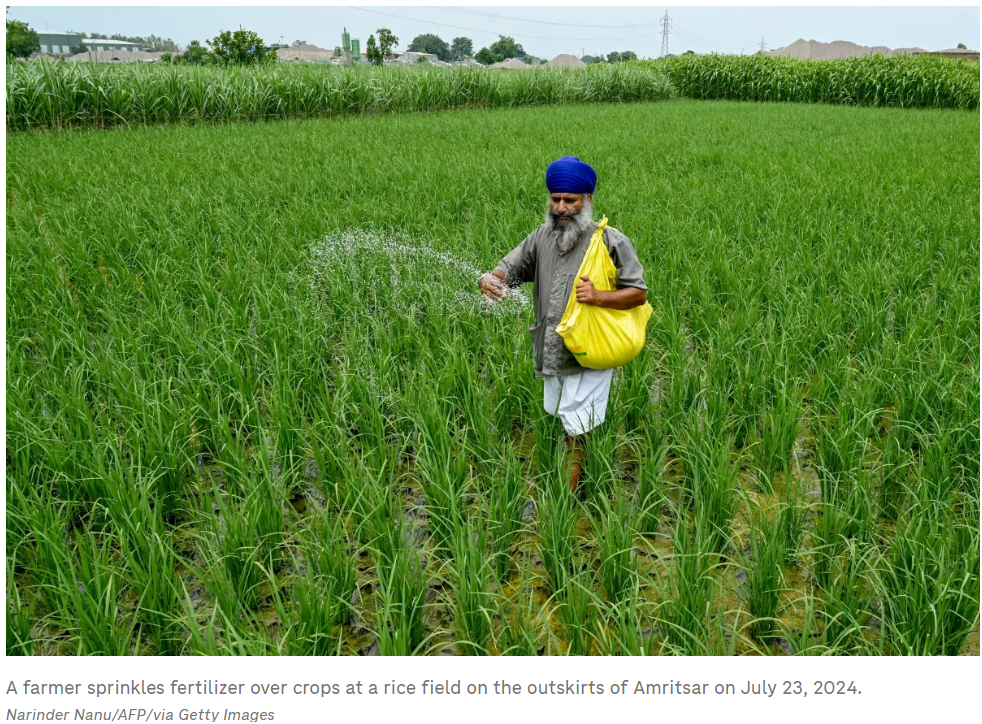
How the Iran war threatens global food supply (NPR)
March 20, 2026
In an interview with NPR, IFPRI’s Avinash Kishore highlighted rising concerns among Indian farmers as fertilizer prices surge and supplies tighten due to the disruption of shipping through the Strait of Hormuz.
-
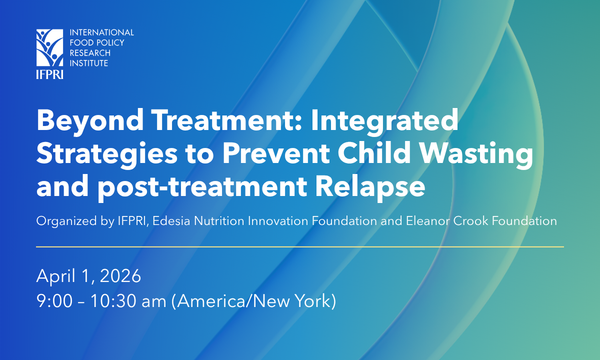
Beyond Treatment: Integrated Strategies to Prevent Child Wasting and post-treatment Relapse
Organized by IFPRI, Edesia Nutrition Innovation Fund and Eleanor Crook Foundation
Child wasting affects an estimated 42 million children at any given time, but over a year, between 240 and 295 million episodes of wasting occur. Wasting, including severe wasting, is associated with approximately 850,000 child deaths annually and have livelong consequences for child health and development. Although effective outpatient treatment protocols exist, coverage remains below 30% […]
-
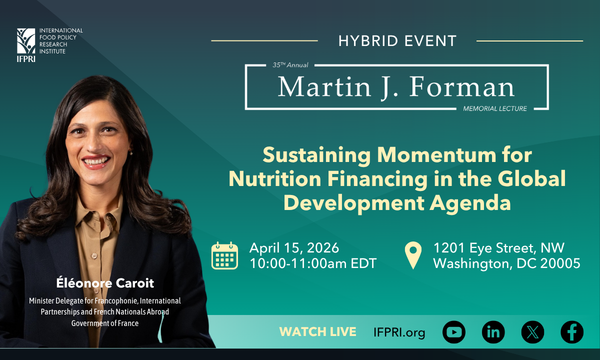
Sustaining Momentum for Nutrition Financing in the Global Development Agenda
35th Annual Martin J. Forman Memorial Lecture
Recognizing France’s tremendous leadership of the 2025 Nutrition for Growth Summit (N4G), IFPRI and the Forman lecture selection Committee are delighted to announce that Her Excellency Éléonore Caroit, France’s Minister Delegate to the Minister for Europe and Foreign Affairs Responsible for Francophonie, International Partnerships, and French Nationals Abroad has been invited to deliver the 35th […]
-
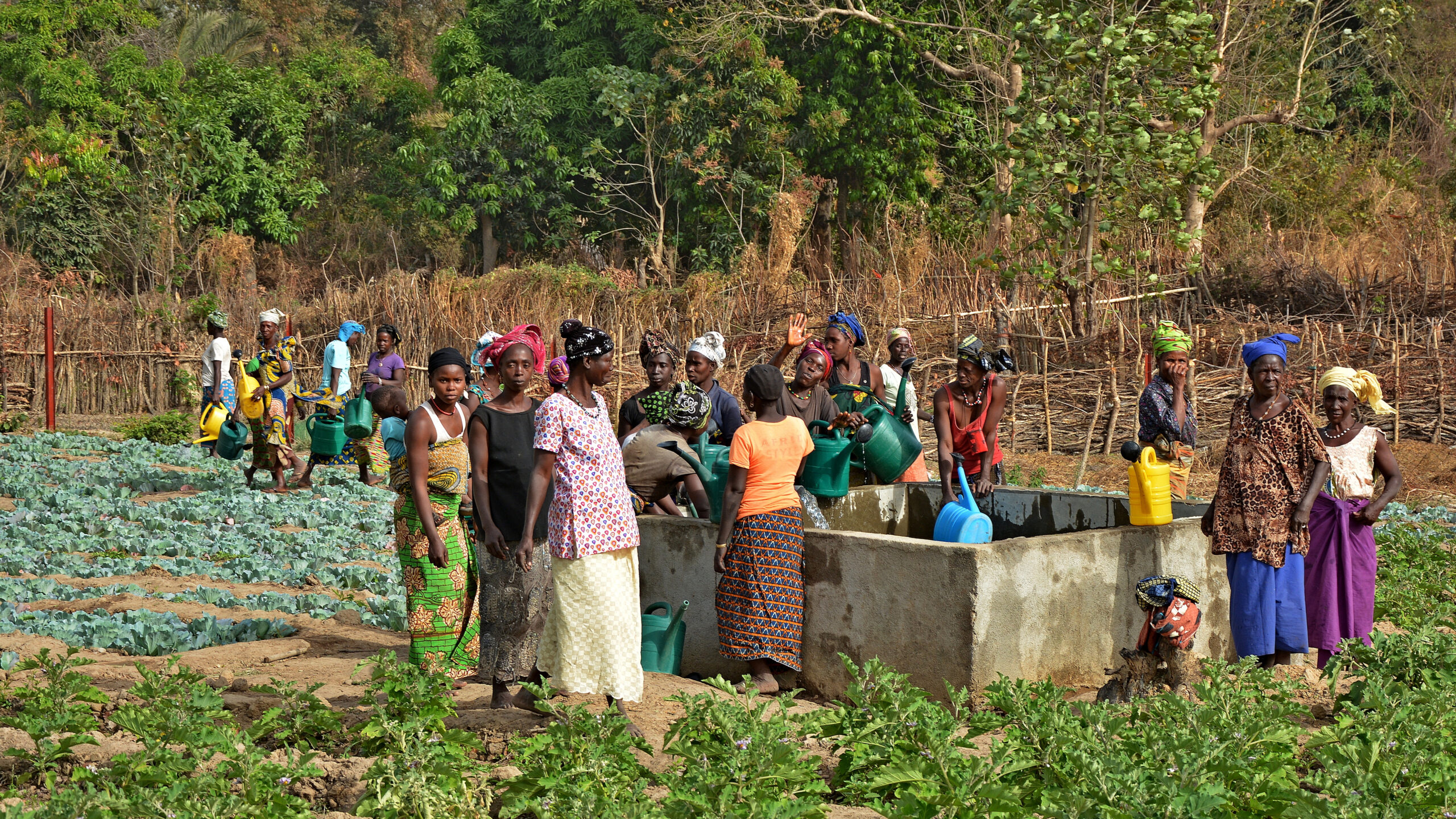
Irrigation as a service: Expanding water access for smallholder and women farmers
“Where water flows, equality grows”—World Water Day 2025.
-
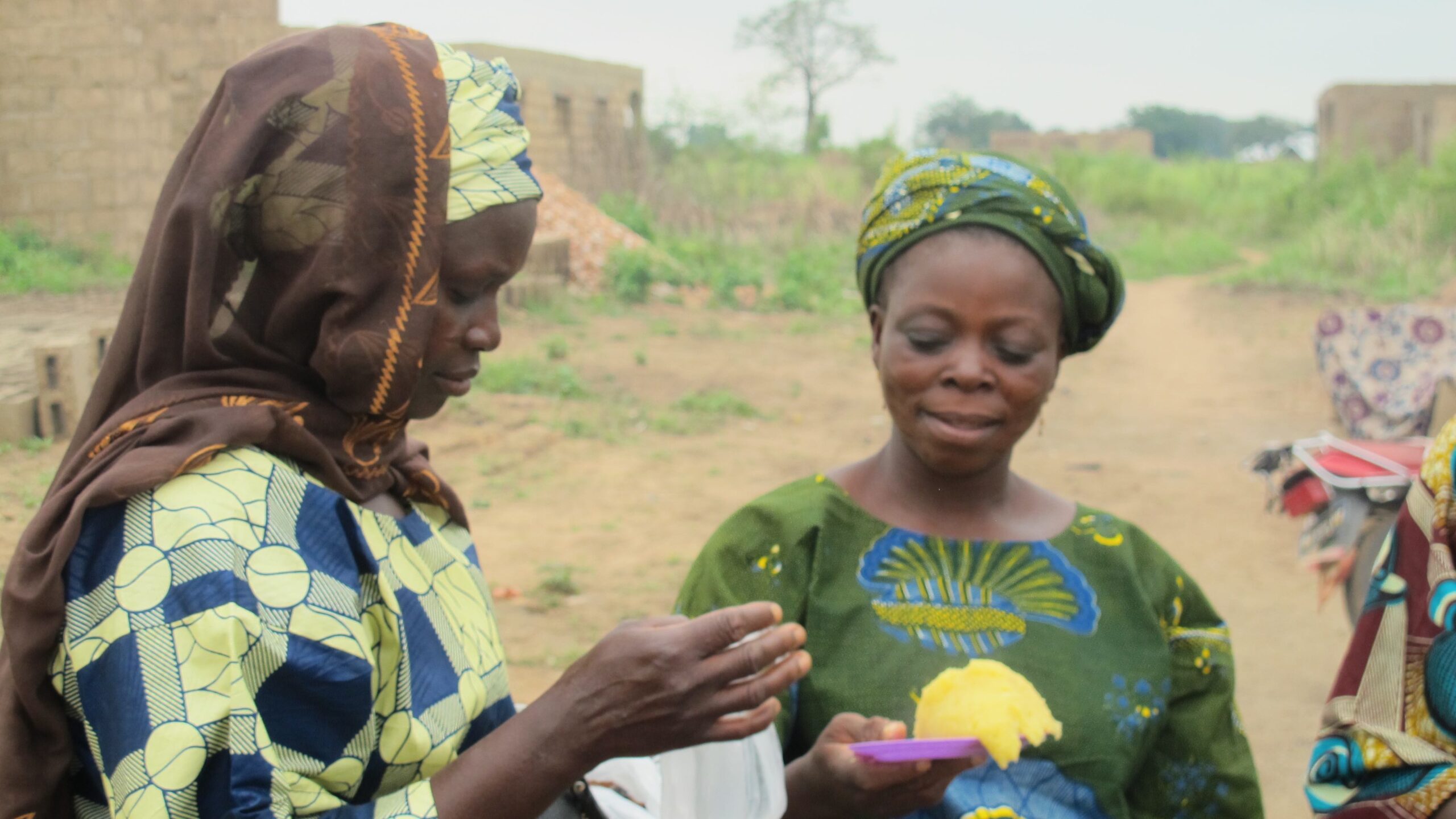
A new tool enables policymakers to measure the reach of biofortification programs
Assessing efforts to scale up cultivation and consumption.
-
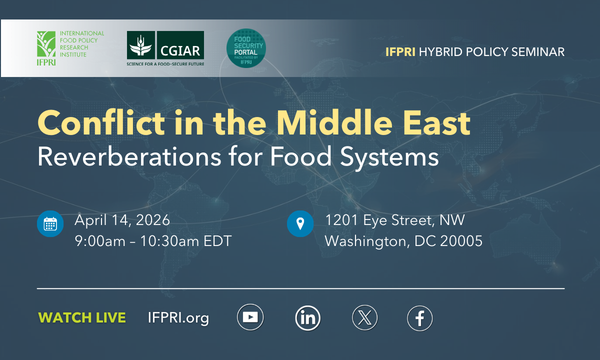
Conflict in the Middle East: Reverberations for Food Systems
With support from the CGIAR Science Program on Policy Innovations; the CGIAR Science Program on Food Frontiers and Security; the Food Security Portal (FSP); and the Foreign, Commonwealth & Development Office (FCDO)
While the global food system has largely adjusted to the disruptions in agricultural commodities and fertilizers following the invasion of Ukraine, the new conflict in the Middle East introduces a new set of challenges at a time when markets and supply chains remain vulnerable to geopolitical shocks. Disruptions to shipping in the Strait of Hormuz, through which a significant […]
-
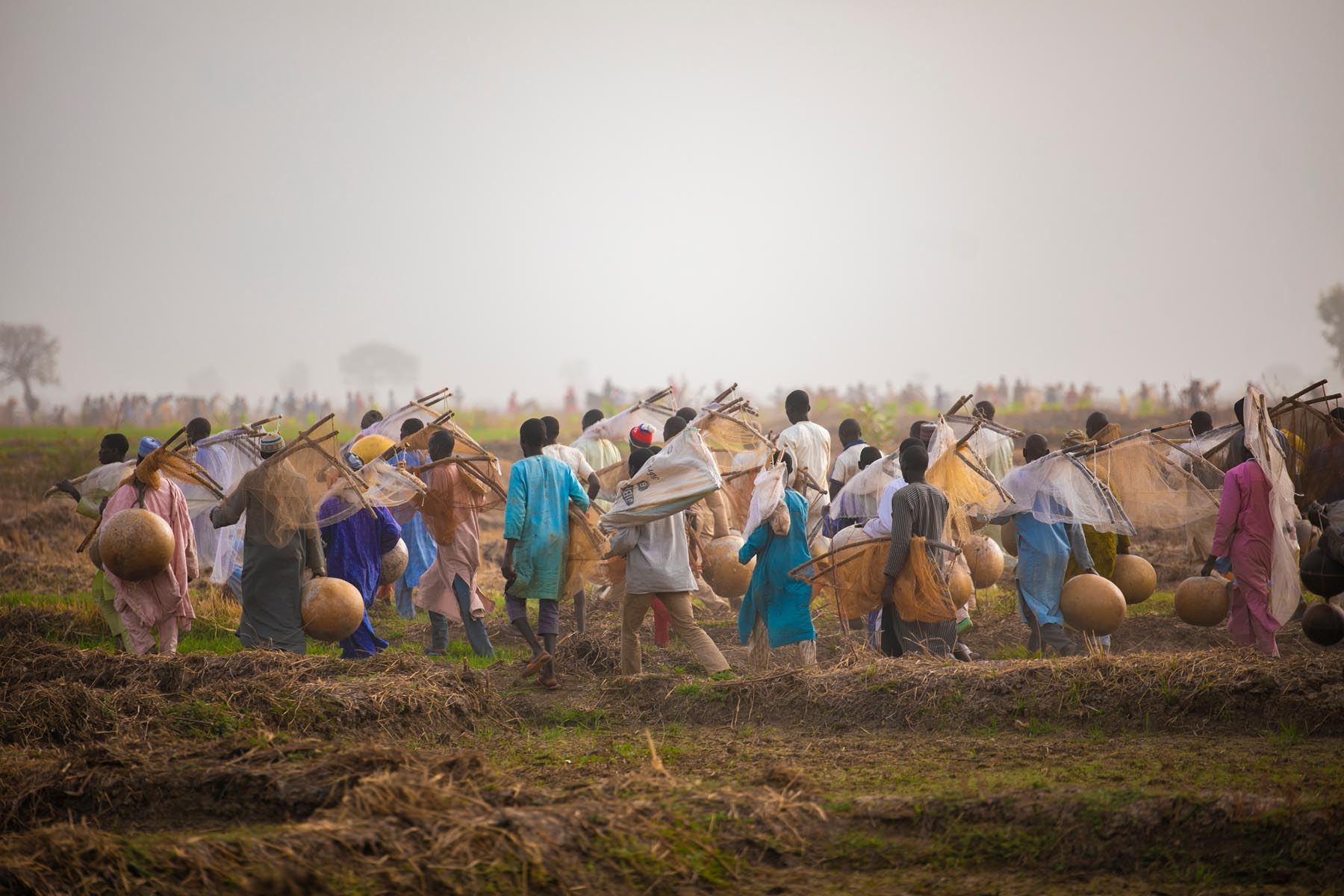
Higher fertilizer costs from Hormuz hostilities could affect planting decisions (CNA)
March 16, 2026
Speaking to CNA’s Asia First, Joseph Glauber, IFPRI, said the surge in prices may prompt farmers to shift to crops that require less fertilizer, or apply smaller amounts, which could reduce production.
-
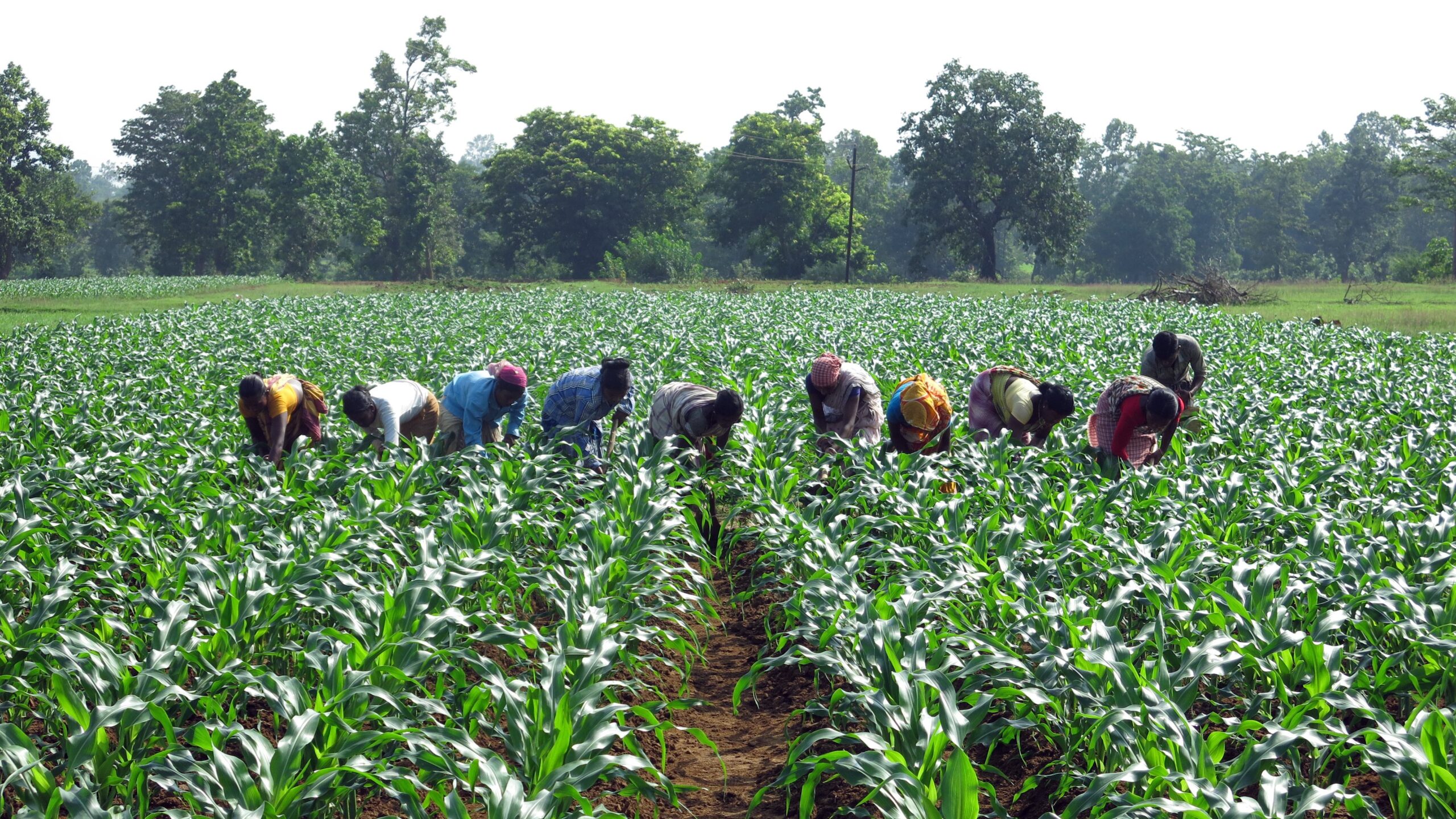
Putting women at the center of agrifood transformation: Lessons from Odisha, India
Why gender is integral to policy.
-
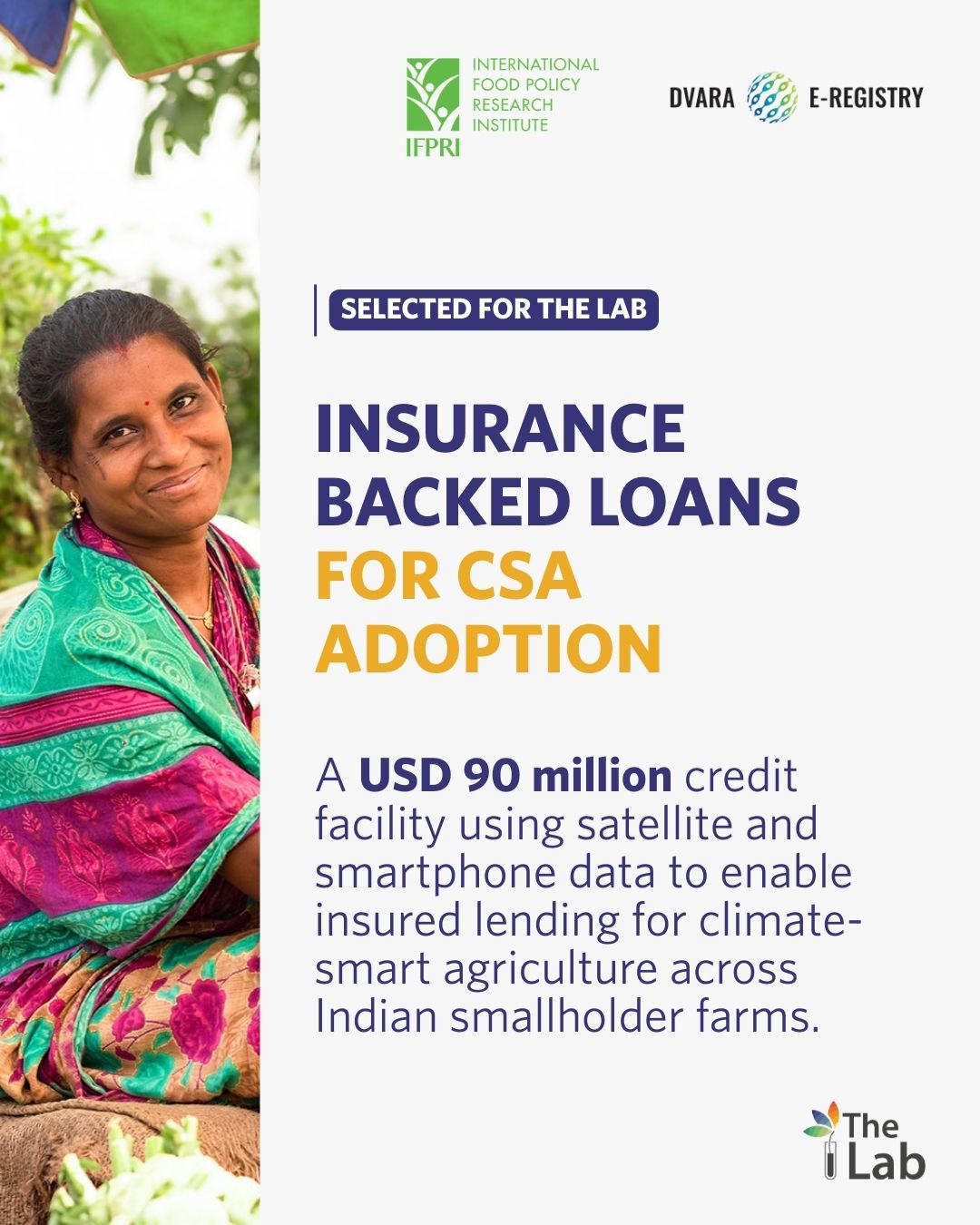
IFPRI–Dvara E‑Registry climate-smart agriculture lending innovation selected for global climate finance incubation
March 13, 2026
IFPRI and Dvara E‑Registry’s Insurance‑Backed Loans for Climate‑Smart Agriculture initiative has been selected by the Global Innovation Lab for Climate Finance as one of eight solutions entering its 2026 incubation cycle.
-

IFPRI @ Asia and the Pacific Food Systems Forum 2026
Feeding the Future, Sustaining the Planet
IFPRI is pleased to participate in the Asia and the Pacific Food Systems Forum 2026, which will be held in Manila, Philippines, from March 16–19, 2026. The hybrid Forum aims to advance the Asian Development Bank’s (ADB) $40 billion Food Systems Transformation commitment and bring together government leaders, global experts, development partners, private sector innovators, […]
-
Iran war: Hormuz crisis raises fears for global agriculture and food security (Anadolu Agency)
March 12, 2026
Experts warn that the escalating US‑Israel conflict with Iran could severely disrupt global food systems by tightening fertilizer supplies, raising energy costs, and slowing agricultural production.
-
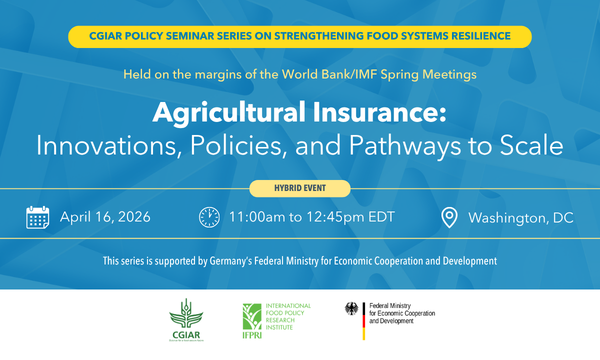
Agricultural Insurance: Innovations, Policies, and Pathways to Scale
Co-organized by IFPRI, CGIAR, and Germany’s Federal Ministry for Economic Cooperation and Development (BMZ)
Farm households face numerous risks that can discourage investments and trap them in poverty. Insurance should be a useful tool to reduce these hazards, but agricultural risks are inherently difficult to insure against. Willingness and capacity to pay insurance premiums also range widely. The lack of adequate agricultural insurance is a major concern for governments, […]
-
A global food price shock looms as Middle East war rages on. Here’s who will be hit hardest (CNBC)
March 11, 2026
CNBC quotes IFPRI on the risks of global food inflation due to the escalating conflict in the Middle East.
-
War with Iran delivers another shock to the global economy (AP)
March 10, 2026
AP News quoted IFPRI’s Joseph Glauber on fertilizer trade disruptions amid Iran conflict.
-
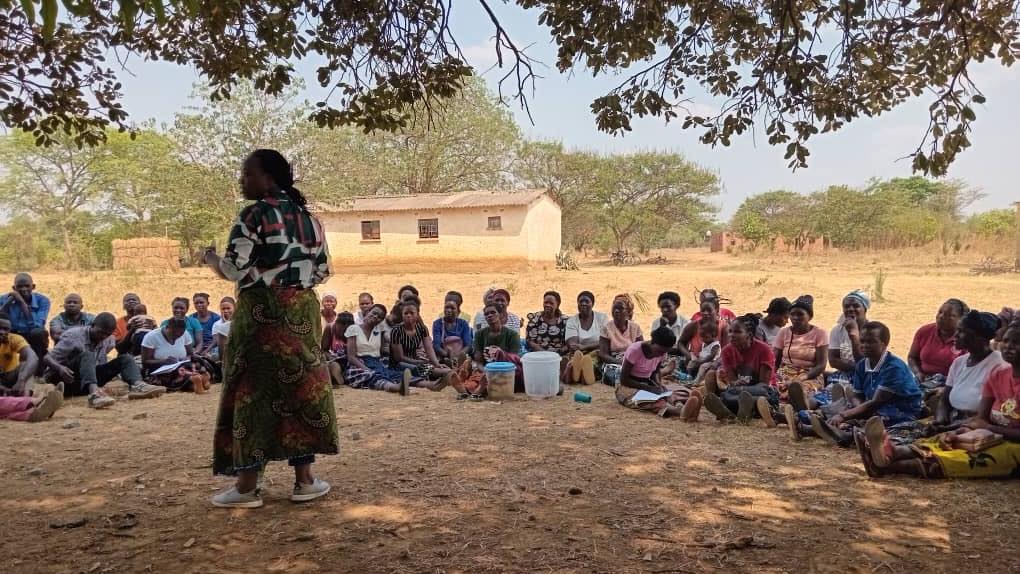
Scaling up crop insurance in Africa for climate resilience and agricultural transformation
Advantages of risk management for smallholders.
-
Hunger crisis is set to get worse in west and central Africa – why and what to do about it (The Conversation)
March 08, 2026
Countries in west and central Africa are facing a food crisis with multiple causes. Estimates in late December 2025 suggested that 41.8 million people were already in crisis or worse in October-December 2025.