




Search IFPRI web
Filters
Found 7462 Results
-
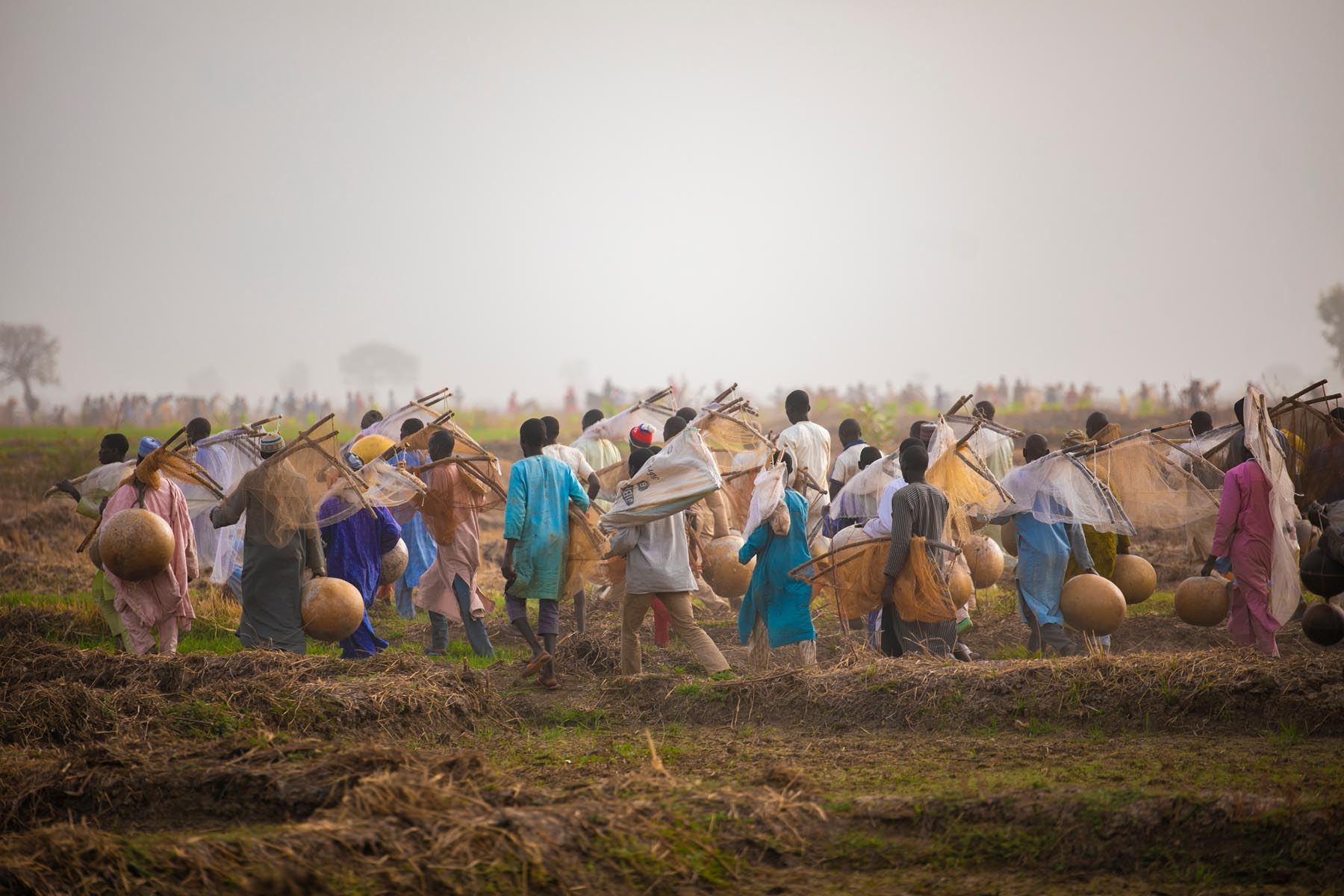
Ministry of Food and Partners Inaugurate Innovative Food Security Research Program in Bangladesh
December 06, 2016
Five-year research program integrates all aspects of food policy to enhance food security across Bangladesh Dhaka, Bangladesh, December 6, 2016 – The Ministry of Food announced Tuesday a new comprehensive food security research program, together with the Bangladesh Institute of Development Studies, International Food Policy Research Institute (IFPRI), and University of Illinois at Urbana-Champaign. About 150 […]
-
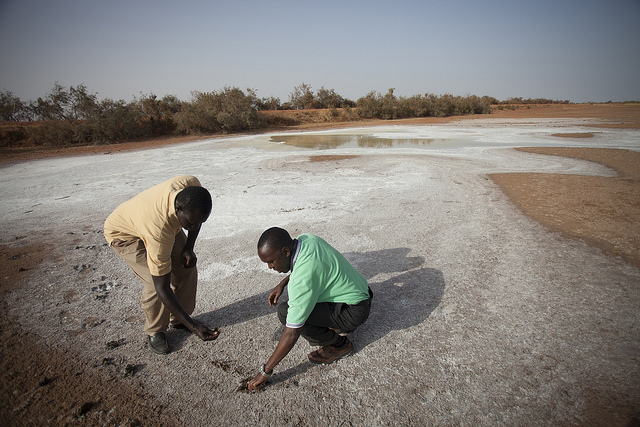
World Soil Day: Advancing soil health through research
A look at IFPRI's work on land degradation around the world.
-
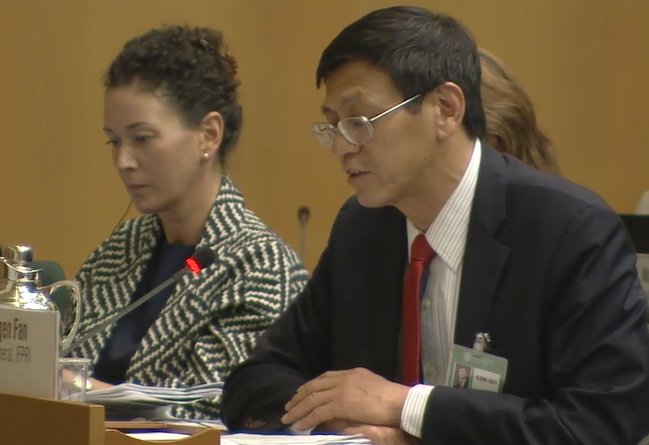
IFPRI Director General Shenggen Fan at FAO-WHO symposium: World can accelerate progress toward ending hunger and undernutrition
Countries must build on existing progress toward ending hunger, using better data and policies based on sound evidence, IFPRI's leader says.
-

Bangladesh Integrated Food Policy Research Program Launching Ceremony
The Bangladesh Integrated Food Policy Research Program is designed to meet the food policy needs of a growing Bangladesh.
-
World Soil Day 2016: Soils and Pulses, a Symbiosis for Life and for Halting Soil Degradation
“All living organisms on this planet depend on soil for their survival. Once you realize that fact, you have a sense of gratitude.”—Shahidur Rashid, Research Fellow (IFPRI) Healthy soil and pulses—legumes such as dry peas, beans, chickpeas, and lentils— are vital contributors to sustainable development. Not only are pulses staple crops for people around the […]
-
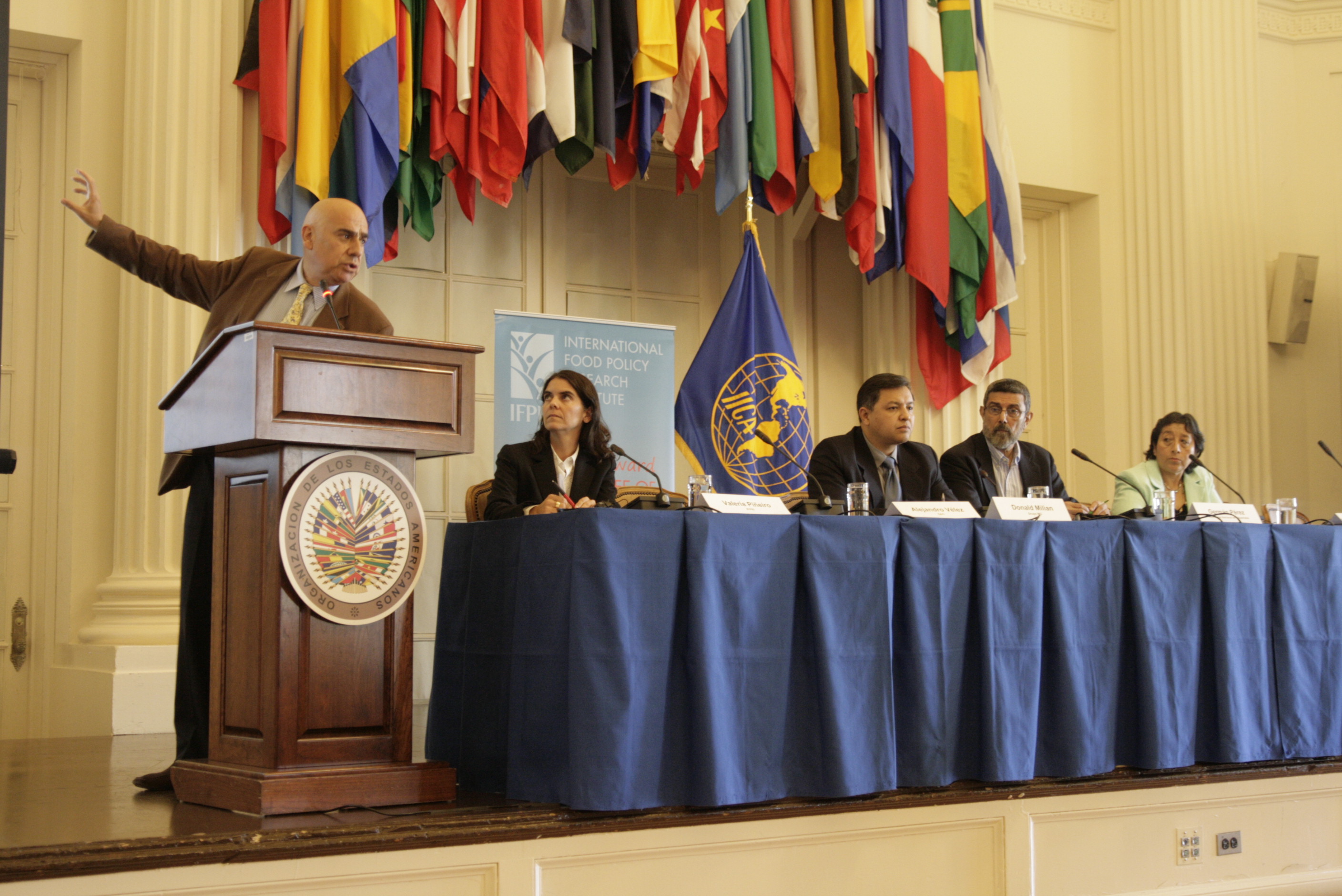
Increasing agricultural mechanization in Latin America will take more coordination, investment
Training, policy, and incentives can help systematically upgrade the region's farming equipment, IFPRI-IICA seminar participants say.
-
Should We Bet the Farm on Ag Robots? (Yahoo! News)
November 28, 2016
Yahoo! News republished a feature article from Take Part.com on the future of agriculture, quoting IFPRI Senior Researcher David Spielman. The article weighs the implementation of technology in farming, which has proven successful on large farms, but could do more harm than good on small farms. Spielman was quoted saying, “[w]e need to be looking at new technologies on a case-by-case basis to understand their productivity and welfare effects on society and environment[.]”
-
Child marriage declines (The Daily Star)
November 25, 2016
IFPRI’s Bangladesh Integrated Household Survey (BIHS) was the main source in a front page article as well as an opinion piece in Bangladesh’s highest circulation English-language daily, The Daily Star. The articles used the survey data to highlight the stubbornly high rate of childhood marriage in Bangladesh while the government is in the midst of […]
-

How agriculture can adapt to climate change
At COP22 in Marrakesh, IFPRI researchers offer ideas on how Africa and the developing world can avert rising hunger and other climate impacts.
-
Taxing red meat may cut emissions and disease (Reuters)
November 22, 2016
IFPRI Senior Researchers Keith Wiebe and Sherman Robinson, and IFPRI Scientist Daniel Mason-D’Croz authored an op-ed arguing that a carbon tax could significantly reduce greenhouse gas emissions, and save lives by promoting better nutrition. They used IFPRI’s IMPACT model to estimate the cost of levying a carbon tax on food and found that such a […]
-
The Virtuous Emulsification of Business and Nutrition: Why Bother and Ways Forward
26th Annual Martin J. Forman Memorial Lecture
Speaker: Chair: To many on the international conference circuit, business and nutrition are like oil and water—never to mix. In the real world, however, the two mix all the time, aided by “emulsifiers” that are not always positive for nutrition. The SDG era marks the beginning of the end of international aid and the start […]
-

Taxing red meat may cut emissions and disease
Targeted taxes on carbon-intensive foods such as beef can help combat climate change while improving public health.
-
Study: Climate Change to put Additional 2 Million Filipinos at Risk of Hunger by 2050
November 21, 2016
Cost of climate change in the Philippines expected to be Php 145 billion (around $3 billion USD) per year November 21, 2016, Washington, DC—Climate change will put an additional 2 million people in the Philippines at risk of hunger by 2050 and cost about Php 145 billion annually over that time span, according to a […]
-
Uganda Refugees Are Actually Boosting Economy (Voice of America)
November 18, 2016
A study co-authored by IFPRI’s Research Fellow Mateusz Filipski on the economic impact of refugees was covered by Voice of America. The study found that refugees can actually have a positive economic impact on their host communities. According to the article, “While many think of refugees as a drag on a nation’s economy, a United […]
-
Feeding the nation is a job for us all (Daily Nation)
November 18, 2016
The Global Hunger Index was mentioned in an op-ed in Kenya’s Daily Nation, the country’s largest newspaper. The author, Nelson Maina, wrote how Kenya is among 50 countries where hunger levels remain “serious” or “alarming.” Maina emphasized that the duty of feeding Kenyans falls on everyone–producer and consumer alike. Read the full op-ed on The […]
-
Study: Climate Change Driving South Americans to Urban Areas
November 16, 2016
Temperature fluctuations spurred more migration among women than men Cold weather drove nearly three times as much migration as warm weather Drawing from over 21 million Census records, the study allows for interpretations at the national level and over broader periods of time November 16, 2015, Washington, DC—South Americans are migrating to urban areas due […]
-
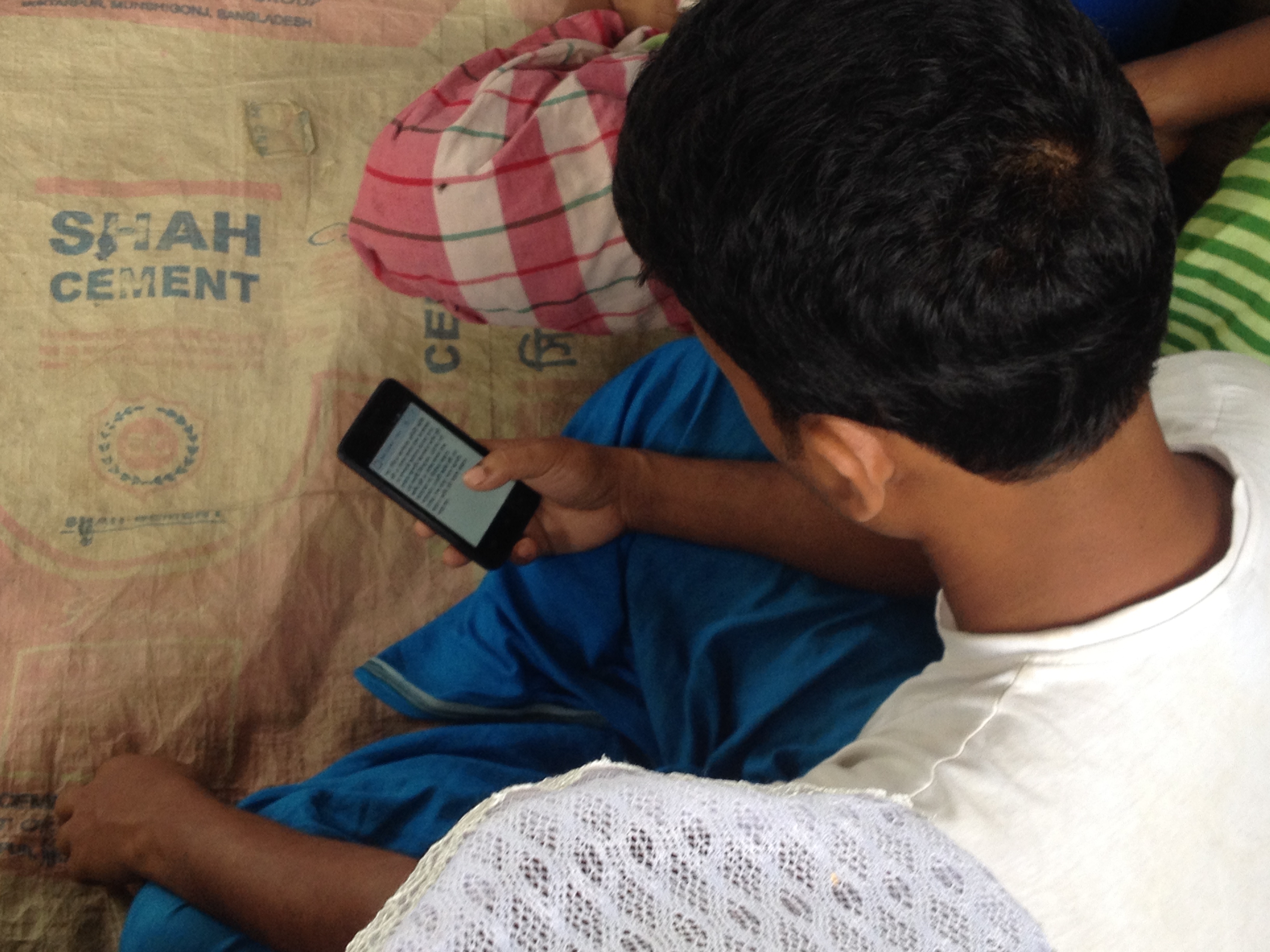
Revolutionizing the collection of household data
A pilot study shows that using smartphones to gather data can address obstacles to recall accuracy in household surveys and provide near-real-time information to policymakers and development practitioners.
-
Improving human and environmental health in peri-urban areas
Speaker: Closing Remarks: Today, more than half the world’s population resides in cities. By 2050, city and near-city populations are expected to increase by 66 percent, placing extreme pressure on urban food systems. City policy makers recognize that innovative food policies and interventions are necessary to regulate food production; generate healthy food consumption based on […]
-
Video: Technology and policy are key to world food security (CCTV)
November 11, 2016
Director General Shenggen Fan was interviewed on CCTV to discuss COP22, which is happening in Marrakesh, Morocco. “One is technology. New technologies, new varieties, crop varieties can enhance the yield and increase the yield, can reduce carbon emission, can also use less water less land,” he told CCTV reporter Miro Lu. “We mush reshape our agricultural and […]