




Search IFPRI web
Filters
Found 7462 Results
-

Canada commits $20 million for childhood undernutrition prevention project
Research has shown that children who receive adequate nutrition, particularly during their mother’s pregnancy until they are two years old—referred to by experts as the “1,000 days window of opportunity”—are less likely to die or be made ill by diseases such as diarrhea, malaria, pneumonia, measles, and HIV. Yet almost half of all children in the […]
-
New research partnership answers White House call for climate data to support food security
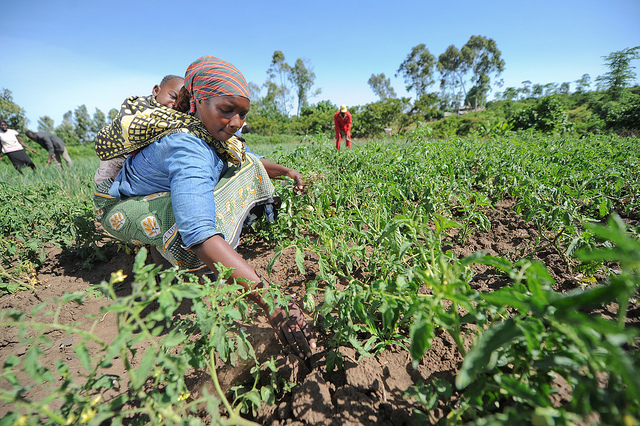
In response to a call to action from the White House, the International Life Sciences Institute (ILSI) Research Foundation’s Center for Integrated Modeling of Sustainable Agriculture and Nutrition Security (CIMSANS) has announced a new partnership to analyze how food systems can help achieve sustainable nutrition security. The partnership between CIMSANS, the Agricultural Model Intercomparison and Improvement Project (AgMIP), and […]
-
Monsoon Fears Driving Food Inflation in India
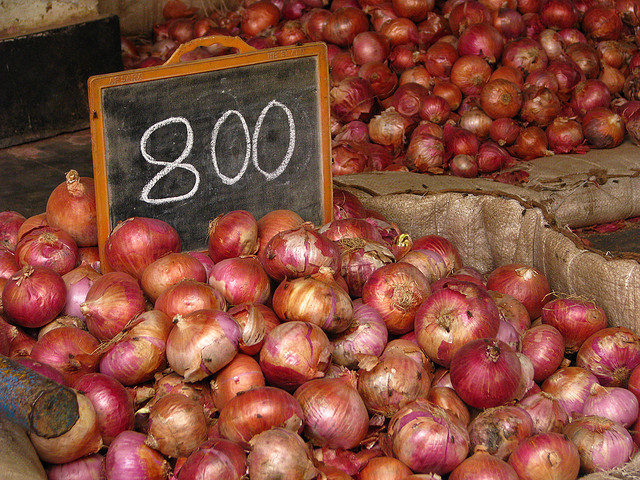
The following story was originally published on IFPRI’s Food Security Portal. India’s monsoon season is off to its weakest start in five years, sparking fears over the potential for drought and increased food prices throughout the country. During the first half of June, cumulative rainfall for India as a whole was 45 percent below average, according to […]
-
Can the US Farm Bill and EU Common Agricultural Policy address 21st century global food security?
With the recent passage of both the Common Agricultural Policy (CAP) in the European Union and the Farm Bill in the United States, the EU and US are headed down “divergent paths” in the way their agricultural policies support their own farmers. Nevertheless, both policies feature large public expenditures towards farm subsidies. What type of […]
-
Is volatility contagious?
Food price volatility can present problems for an array of stakeholders, including countries managing their export portfolios, commodity traders, and especially farmers, as unpredictable prices may result in variable income and food insecurity. Unstable food prices in 2007, 2008, 2010, and 2011 attracted the attention of policymakers and researchers hoping to explain the seemingly precarious market. […]
-
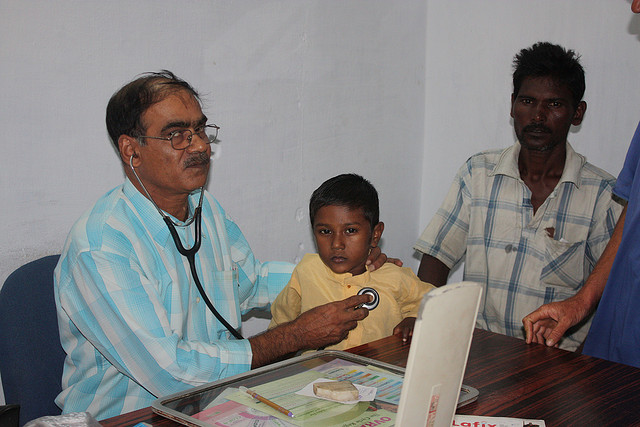
Standards of care
The following story was originally published on IFPRI’s Food Security Portal. Quality healthcare plays a crucial role in improving the lives of the poor. In many developing countries, however, high-quality healthcare can be hard to come by. This is particularly true in India, where public sector medical care is often plagued with high rates of absenteeism and where […]
-

Generation gap
Though the effects of famine can extend beyond a single generation, researchers have found that by and large, humans are surprisingly resilient in the face of such extreme nutrition shocks. While recent initiatives such as the 1,000 Days partnership and the Lancet Maternal and Childhood Nutrition series have highlighted the importance of early childhood nutrition in the context of both […]
-
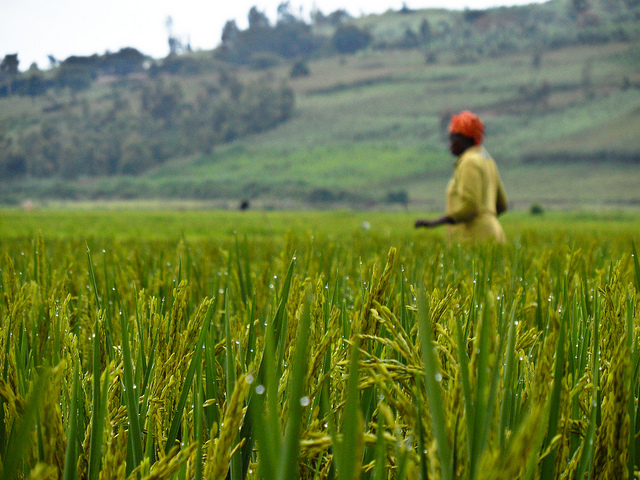
People first: green goals should not override ending hunger
This blog story by IFPRI Director General Shenggen Fan was originally posted on The Guardian’s Global Development Professionals Network. With the deadline for achieving the millennium development goals less than two years away, international attention is shifting toward forming sustainable development goals for the post-2015 agenda. As we move forward, we must not pursue environmental sustainability at the expense of poor people’s food security and […]
-
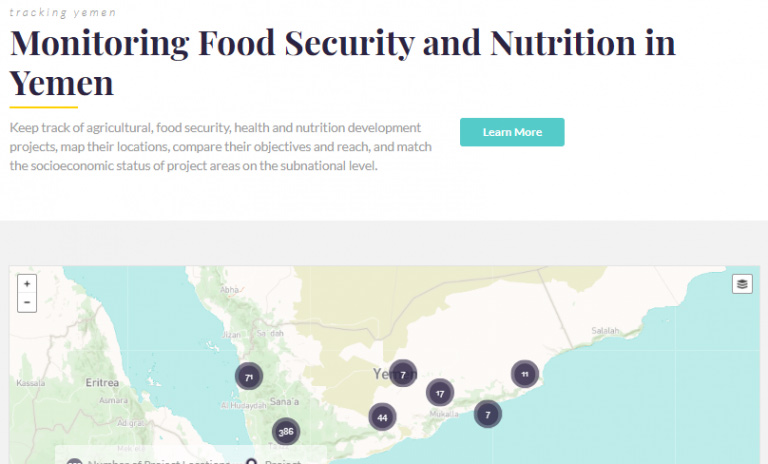
Introducing Yemen Spatial
Yemen ranks among the ten most food-insecure countries globally and has child malnutrition rates of nearly sixty percent, the highest in the Arab World. These two figures underscore the country’s future social and economic development challenges. Yemen Spatial, an online food security mapping and charting tool, was launched was launched last week in Sana’a at […]
-
Mapping ways to help African agriculture
Although Africa possesses nearly half of the world’s uncultivated arable land area, the prospect of expanding agricultural production into these zones carries significant environmental risks and is not viewed by many experts as a viable solution to the region’s myriad food security challenges. Rather, increasing agricultural productivity on areas already in production- otherwise known as […]
-
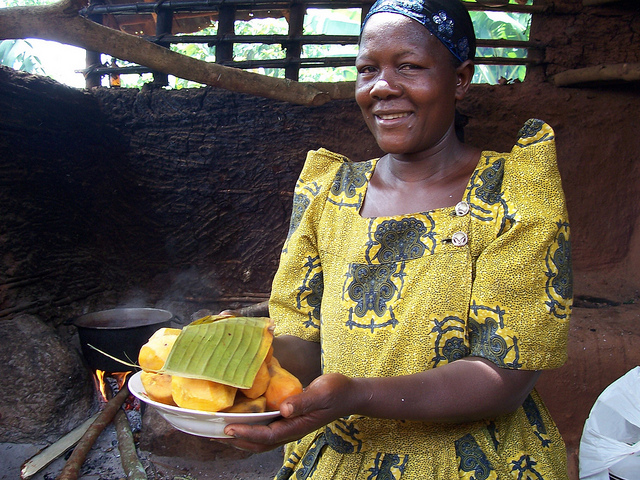
Women hold the key to better nutrition through biofortification
Vitamin A deficiency is a widespread public health concern, particularly for children in the developing world. A lack of vitamin A in the diet can lead to stunted physical and mental development, heighten susceptibility to disease, and even result in blindness and death. In recent years, researchers have turned to biofortification—breeding higher levels of essential […]
-

A world without hunger
At the recent Berlin launch of IFPRI’s Global Food Policy Report, IFPRI Director General Shenggen Fan said eradicating hunger by 2025 is an important ethical and economic goal—and one that can be achieved. Five expert panelists and more than 100 attendees gathered at the Berlin Representation of the German development organization GIZ to discuss concrete actions to move the world […]
-

Beyond 1000 Days
The following story was originally published on the CGIAR Research Program on Agriculture for Nutrition and Health (A4NH) blog. The world has rallied around the importance of good nutrition in a child’s first 1000 days – from conception to two years—to set up a lifetime of good health. With momentum from global movements such as 1000 Days and Scaling […]
-
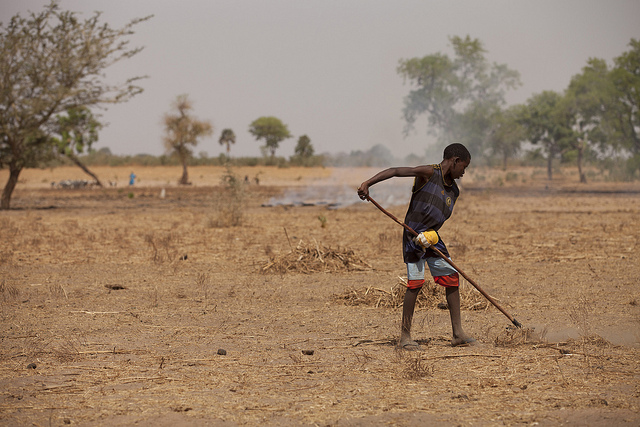
‘Let’s climate proof it’
As the impacts of our changing climate materialize and intensify, developing countries—and poor people who inhabit them—will be impacted first and to the greatest degree. Land degradation, desertification, and a dwindling global water supply pose substantial threats to livelihoods as well as food and national security. Today, the United Nations (UN) celebrates its annual World Day to […]
-
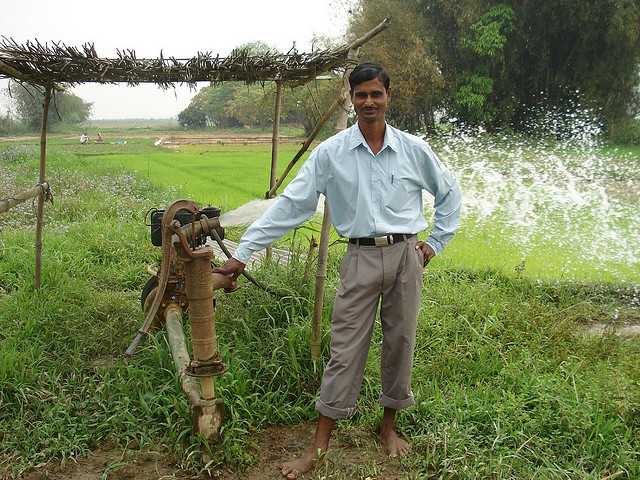
When wells fail: Farmers’ response to groundwater depletion in India
The following post by Avinash Kishore, Associate Research Fellow at IFPRI , is an excerpted version of a story that originally appeared on the CGIAR Research Program on Water, Land and Ecosystems (WLE) Agriculture and Ecosystems Blog as part of their month-long series on Resilience. Groundwater is the mainstay of irrigated agriculture in India. Hundreds of millions of smallholders depend on […]
-

UN commemorates World Environment Day 2014
Climate change threatens to profoundly impact all facets of life—not least of which include agriculture and food security. For many poor people in developing nations, the impacts of climate change can spell the difference between having enough food to meet one’s basic nutritional needs or suffering from the myriad effects of hunger and malnutrition. On June […]
-
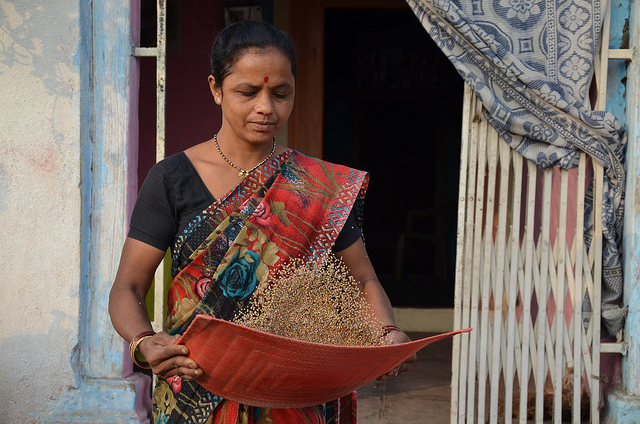
Ending world hunger and undernutrition by 2025
The following post by IFPRI Director General Shenggen Fan was originally published on Humanitas Global Development’s Hunger and Undernutrition blog. Hunger and undernutrition can be eliminated by 2025. Meeting this aspirational target is an immense but not insurmountable challenge, and it needs to receive adequate attention in the post-2015 development agenda. The world has made some headway in achieving the Millennium […]
-

Commentary – Resilient Smallholder Farming Systems Are Vital for Global Food Security and Nutrition
The following post by IFPRI Director General Shenggen Fan was originally published on the Chicago Council on Global Affairs Global Food for Thought blog. This post is part of a series produced by The Chicago Council on Global Affairs, marking the occasion of its fifth Global Food Security Symposium 2014 in Washington, D.C., which was held on May 22. The growing incidence and […]
-
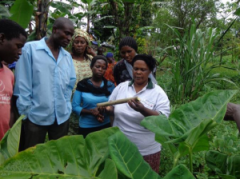
Volunteer farmer trainers change the way we think about extension
How most efficiently to help farming men and women access information and advice they need to be more effective managers of their enterprises is a puzzle not yet solved.
-

The Myth of de-industrialisation in sub-Saharan Africa
The following post by IFPRI Senior Researcher Margaret McMillan was originally published on the Financial Times This is Africa website. There is even evidence that a healthy manufacturing sector can help to bridge the gap in income levels between rich and poor countries. But the historical importance of manufacturing in economic growth has led some observers to be sceptical about […]