



Search IFPRI web
Filters
Found 7475 Results
-
Large Language Models for Policy Makers: Exploring RIAPA-AI and PEPA-AI
Co-organized by IFPRI and CGIAR Program/accelerator Digital Transformation
As large language models (LLMs) begin to influence how evidence is generated, synthesized, and communicated, new opportunities are emerging for policymakers and analysts working in food systems. This webinar explores how generative AI tools can support policy design, analysis, and dialogue—bridging technical modeling and real-world decision-making. Askar Mukashov, Research Fellow at IFPRI, will introduce RIAPA-AI, an extension of the Rural Investment and […]
-
Two Sides of the Data Governance Coin: AI Innovation and Regulation for Producers and Users
Co-organized by IFPRI and CGIAR Program/accelerator Digital Transformation
Responsible AI and data governance are often framed as constraints on innovation—but what if they are essential to it? This webinar explores why ethical, well-regulated systems are not at odds with innovation, but rather foundational to its legitimacy, sustainability, and impact. Bringing together perspectives from both technology producers and users, this session examines how policy, design, and governance […]
-
From Lab to Field: Designing and Testing Agricultural LLMs
Co-organized by IFPRI and CGIAR Program/accelerator Digital Transformation
As interest in large language models (LLMs) for agricultural advisory grows, developers face two critical questions: How should these tools be built to meet the specific needs of farmers? and How should they be tested? This webinar brings together two teams building agricultural LLMs through different but complementary approaches—offering a behind-the-scenes look at how AI systems are co-designed, refined, and validated with domain experts, farmers and extensionists. […]
-
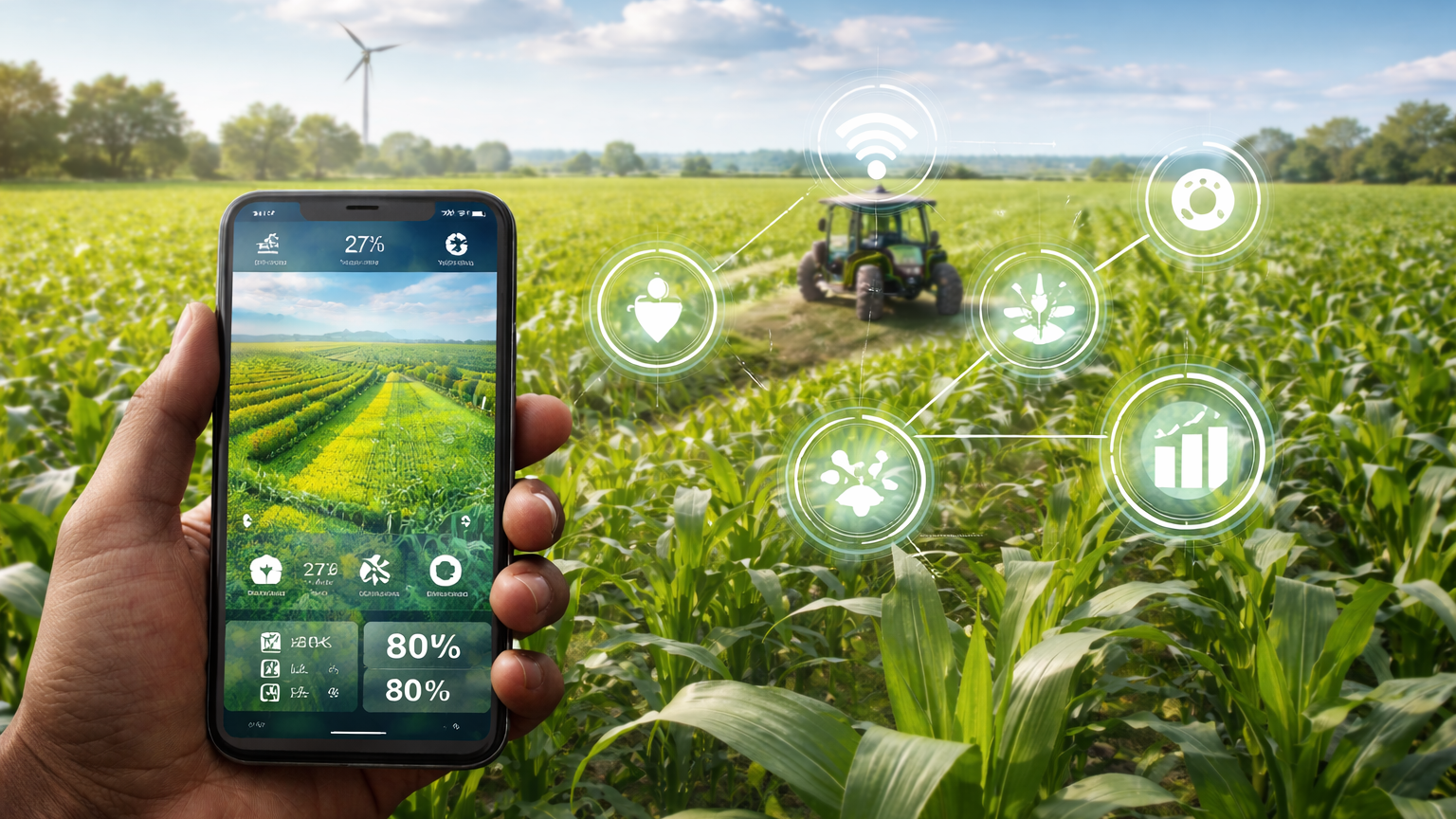
AI, copyright, and content licensing in digital agriculture
Addressing the problem of massive datasets.
-
Better Diets & Nutrition Webinar Series Session 2: Demand Creation for Fruits and Vegetables
Healthy diets are essential for promoting well-being and preventing nutrient deficiencies and diet-related diseases. Fruits and vegetables play a critical role by providing essential vitamins, minerals, dietary fiber, and bioactive compounds, while generally having a lower environmental footprint than many other foods. Despite their importance, global fruit and vegetable consumption remains well below the World […]
-
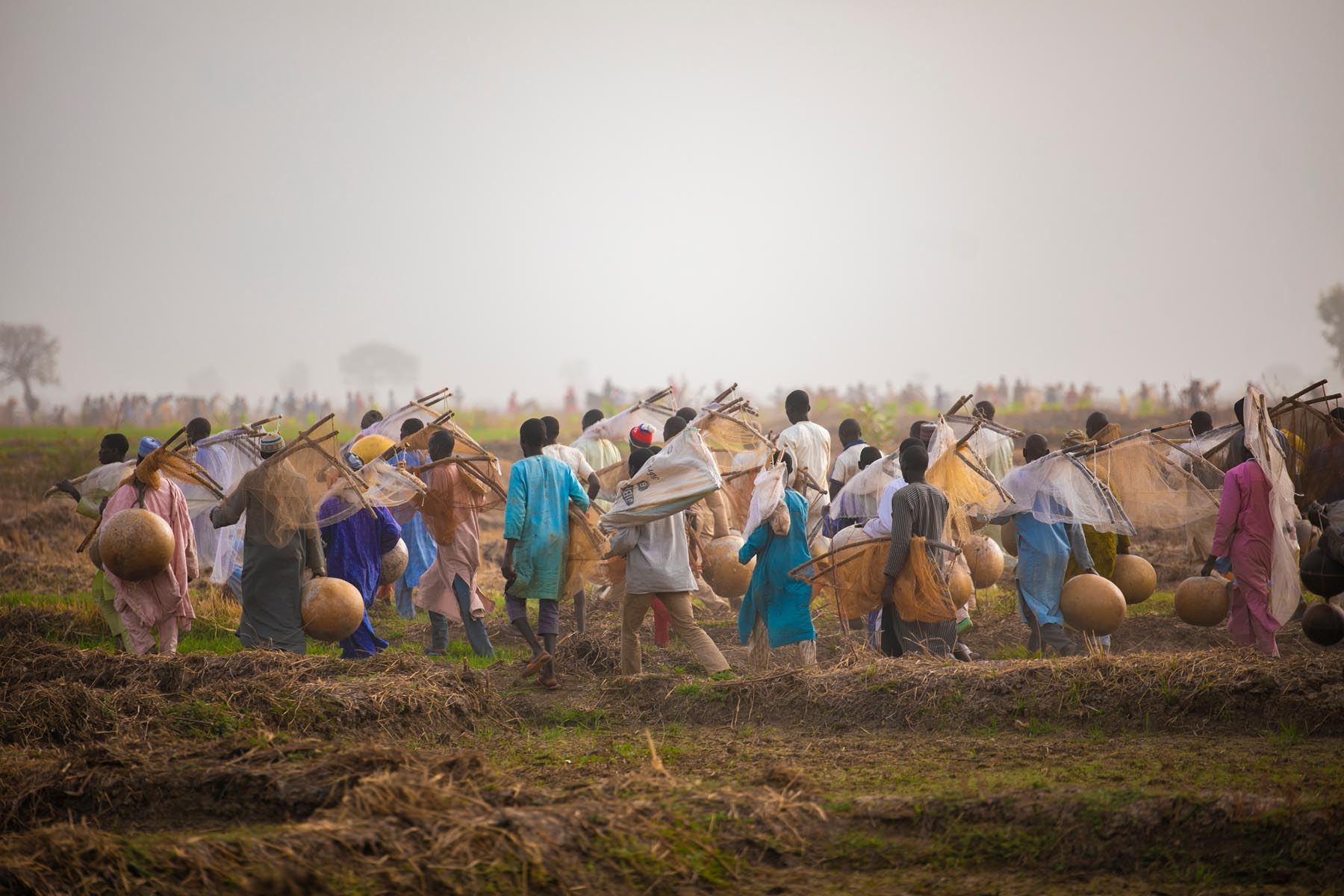
IFPRI Insights: December 2025 – January 2026
New IFPRI Strategy / Shaping food policy in a changing world / Plus: new research, events, and blogs inside
-
Poverty, food insecurity compounded by Ditwah (Daily FT)
January 17, 2026
Daily FT (Sri Lanka) interviewed Derek Headey and Joanna van Asselt for an article about the Building Resilience, Inclusive Growth and Holistic Transformation (BRIGHT) Integrated Household Survey.
-
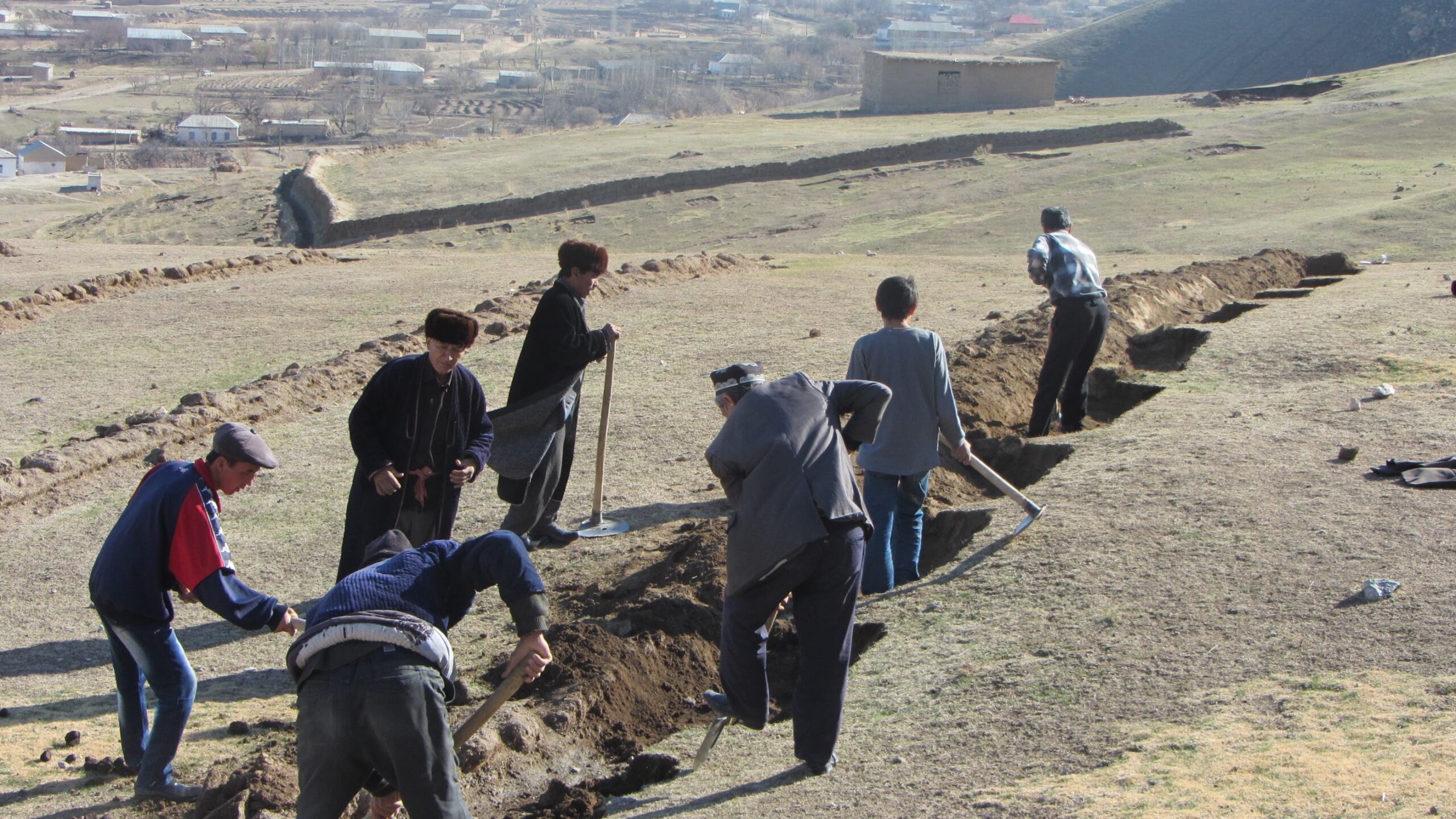
Navigating data collection in data-constrained settings: Reflections from the field in Uzbekistan
Overcoming challenges of geography, language, and other issues.
-
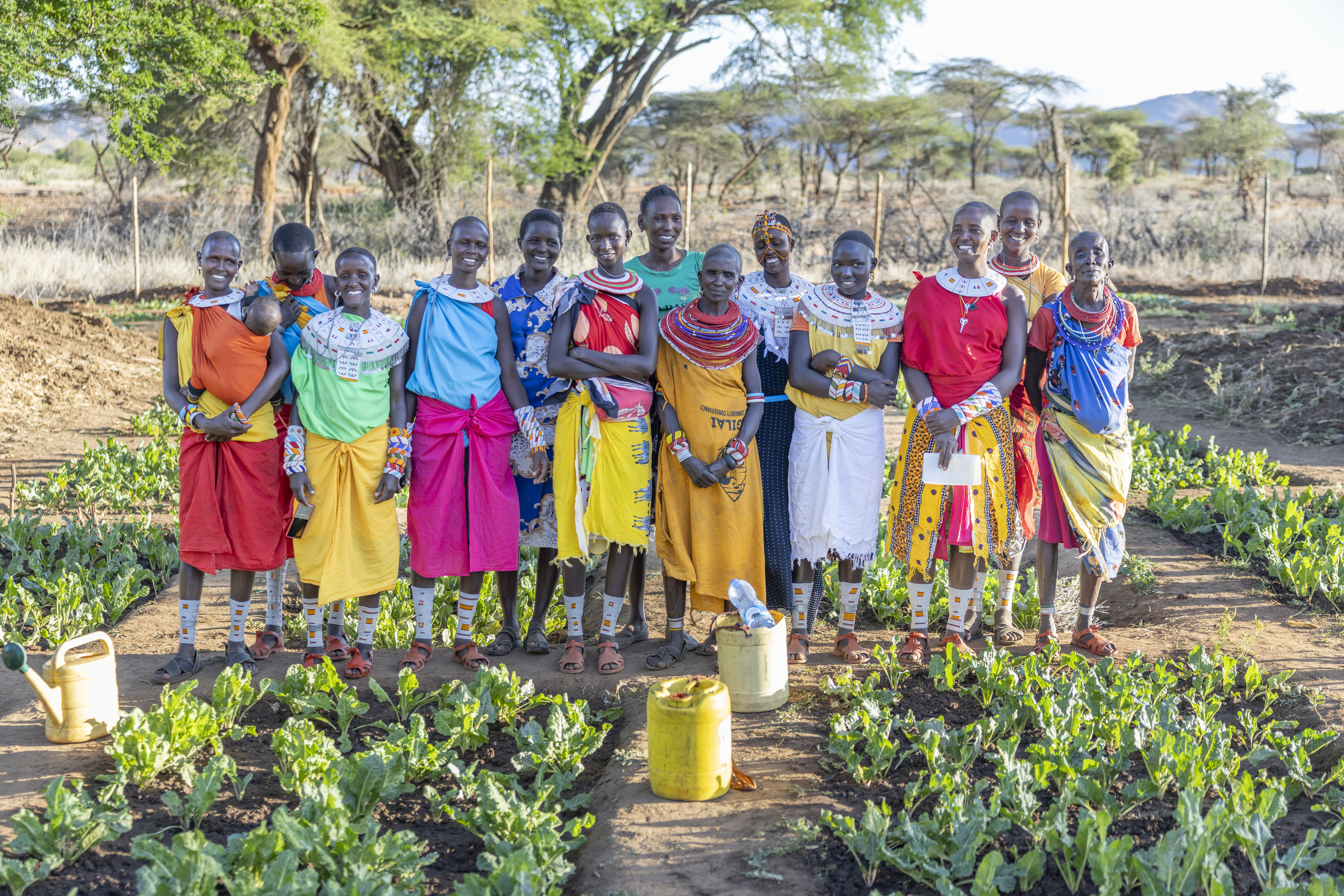
Graduation from poverty in a changing and fragile world
Emerging frontiers for research and learning.
-
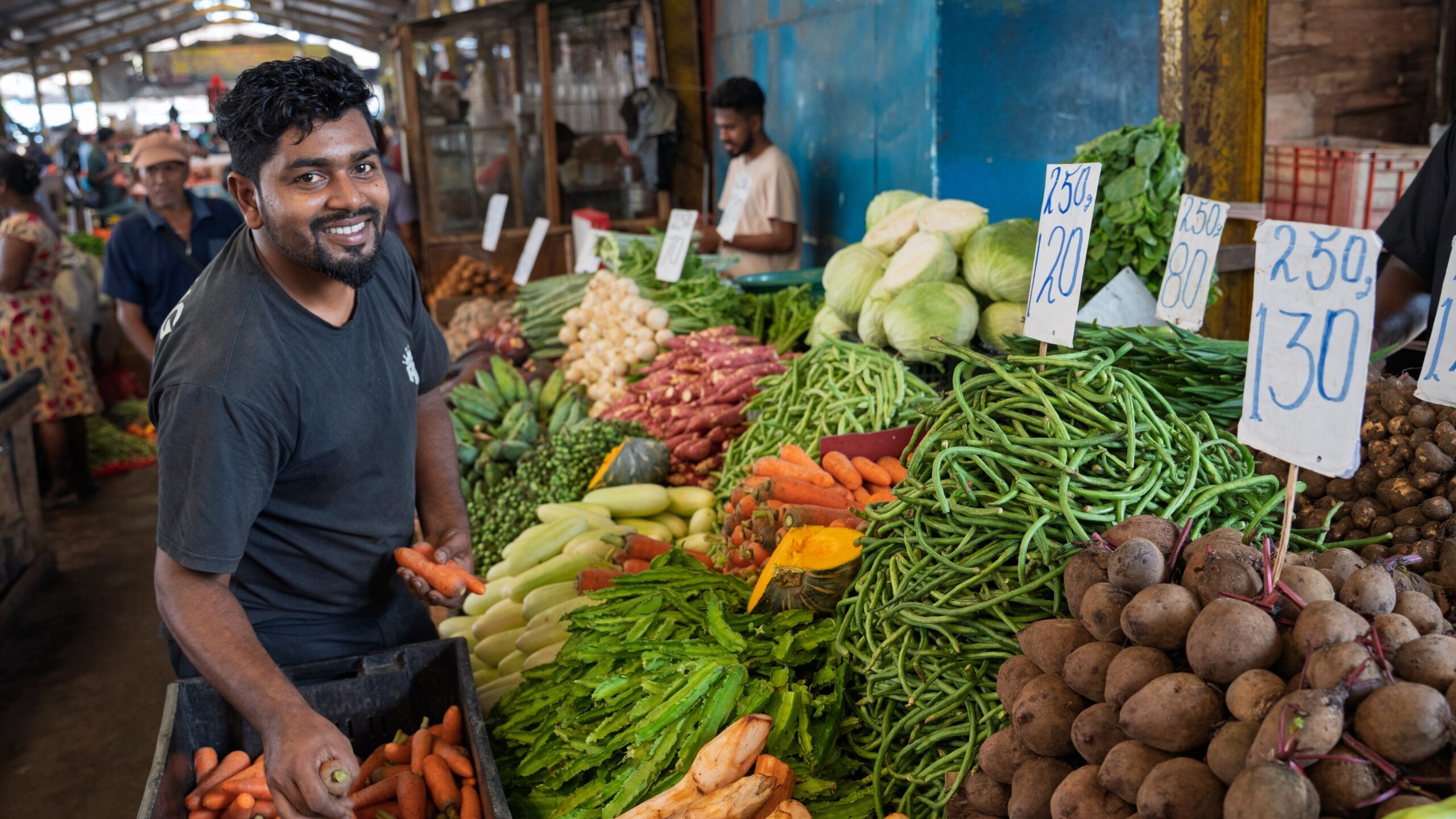
The future of food demand: Evidence from a global meta-analysis and trend projections
Learning from the new Food Demand Meta-Elasticity (FDME) database.
-
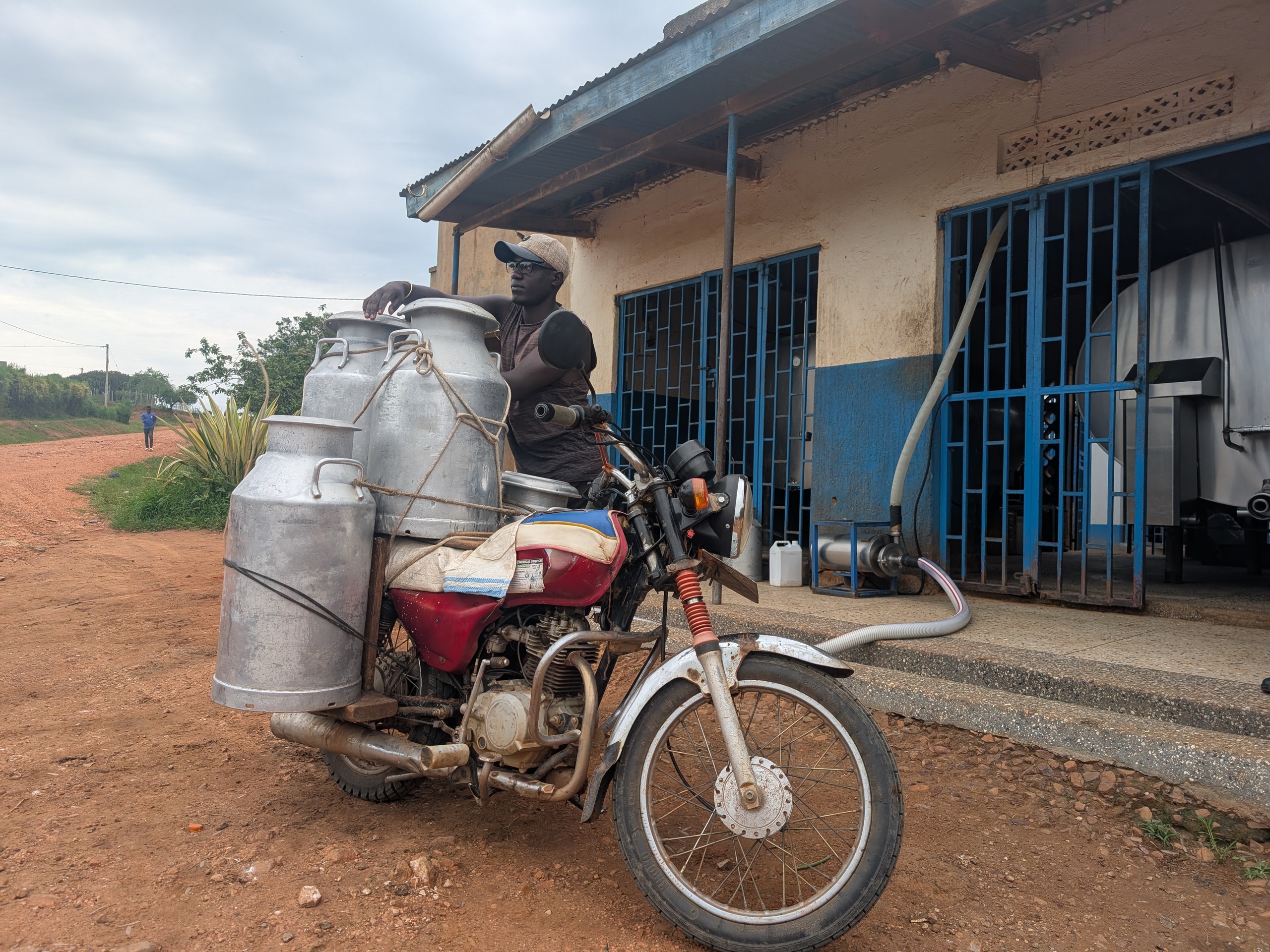
When milk quality pays: Evidence from an incentive experiment in Uganda
Making milk quality visible improves standards, but real gains require price incentives and competition on quality downstream.
-
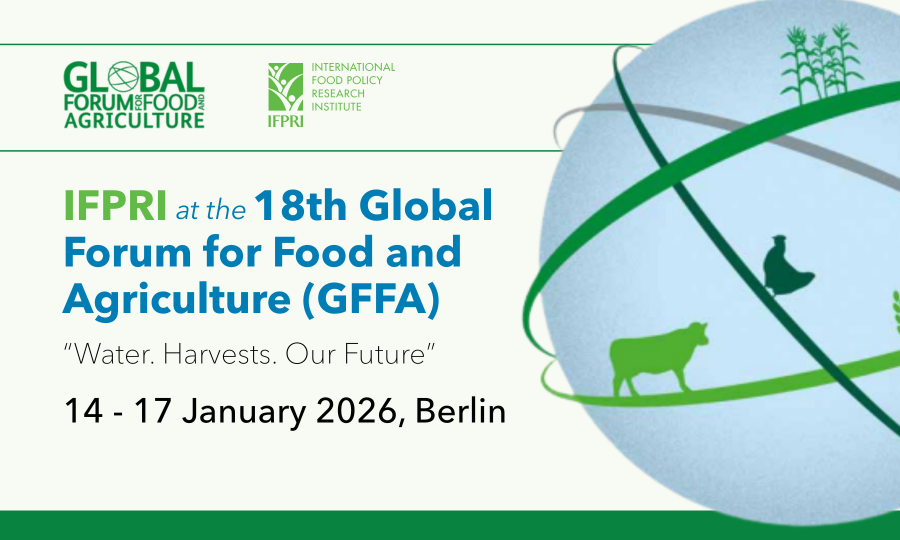
18th Global Forum for Food and Agriculture (GFFA)
Water. Harvests. Our Future.
IFPRI’s Johan Swinnen and Claudia Ringler are participating in the 18th Global Forum for Food and Agriculture (GFFA). The GFFA is an international conference that addresses key issues for the future of global agriculture and food policy and is held annually in Berlin, Germany during the International Green Week (IGW). The GFFA is organized by […]
-
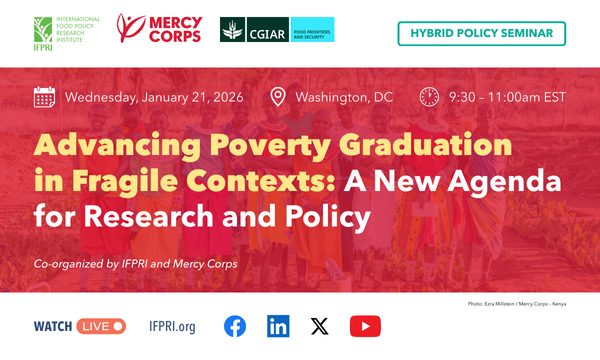
Advancing Poverty Graduation in Fragile Contexts: A New Agenda for Research and Policy
Co-organized by IFPRI and Mercy Corps
Multifaceted livelihoods interventions that target households in extreme poverty are extremely effective in reducing extreme poverty, with consistent gains in income, consumption, savings, and psychosocial well-being. These interventions, often called graduation models, have been widely evaluated, but most evidence comes from stable rural settings. In fragile and conflict-affected environments where poverty is increasingly concentrated, household-level […]
-
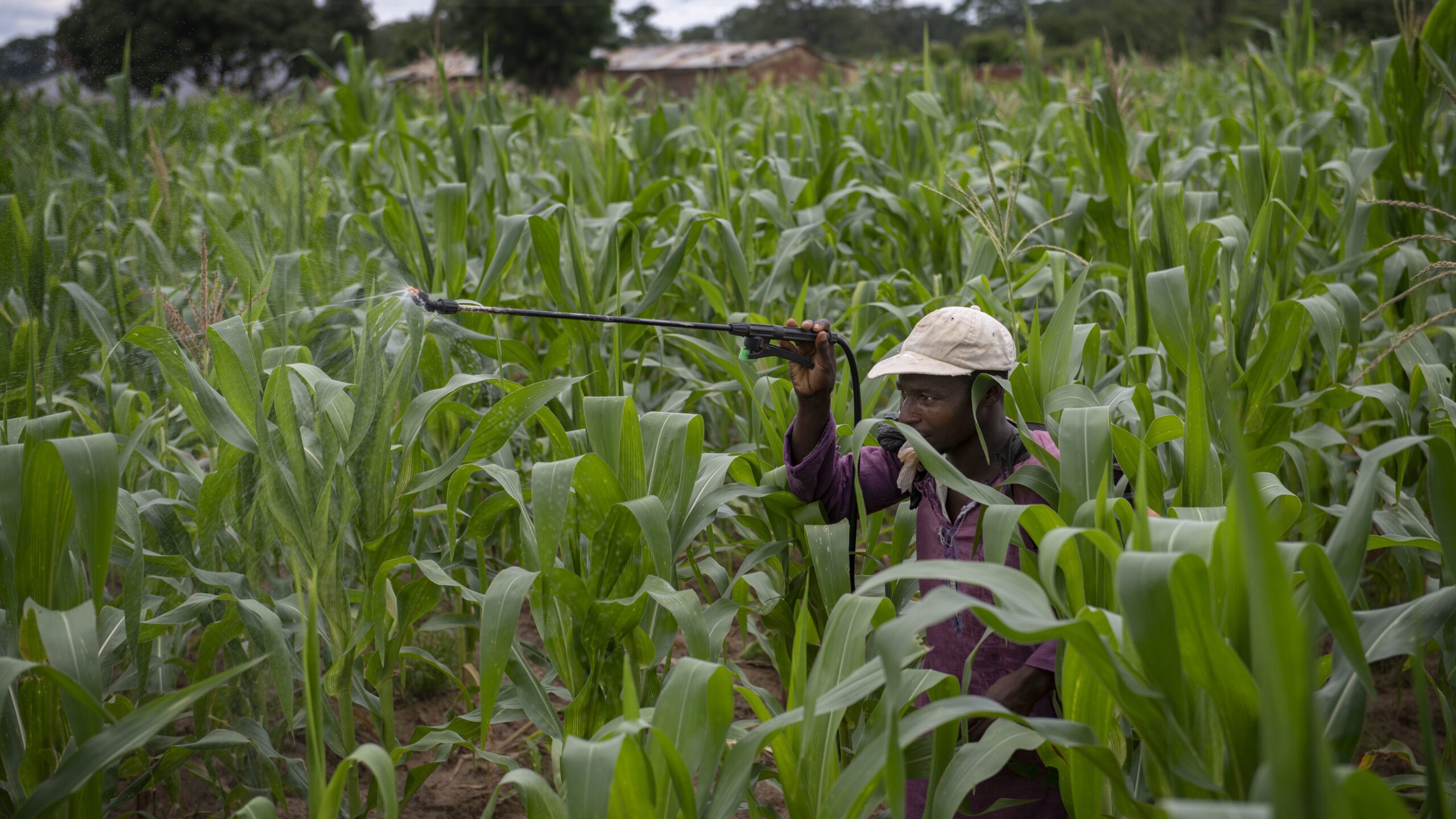
Violent conflicts reshape input use and productivity in smallholder farming: Findings from Nigeria
Complex impacts on agricultural production.
-
India’s domination of global rice trade stokes looming water crisis (Reuters)
December 29, 2025
Comments from IFPRI’s Avinash Kishore on how India’s new role as the world’s largest exporter of rice impacts scarce groundwater supplies.
-
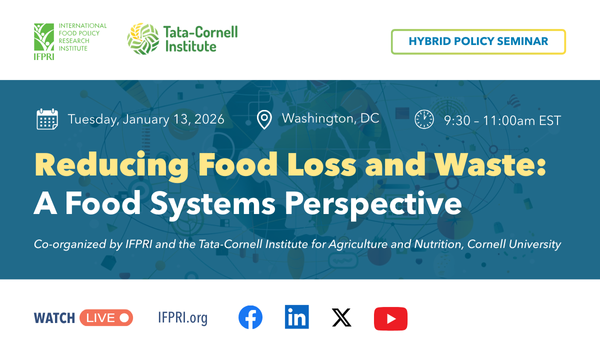
Reducing Food Loss and Waste: A Food Systems Perspective
Co-organized by IFPRI and the Tata-Cornell Institute for Agriculture and Nutrition, Cornell University
Reducing food loss and waste is essential for building more efficient value chains, lowering the climate footprint of agri‑food systems, and improving farmer livelihoods. This seminar brings together new insights and emerging evidence on how to tackle this challenge from multiple angles. In the first segment, Jocelyn Boiteau and Prabhu Pingali will share key findings from […]
-
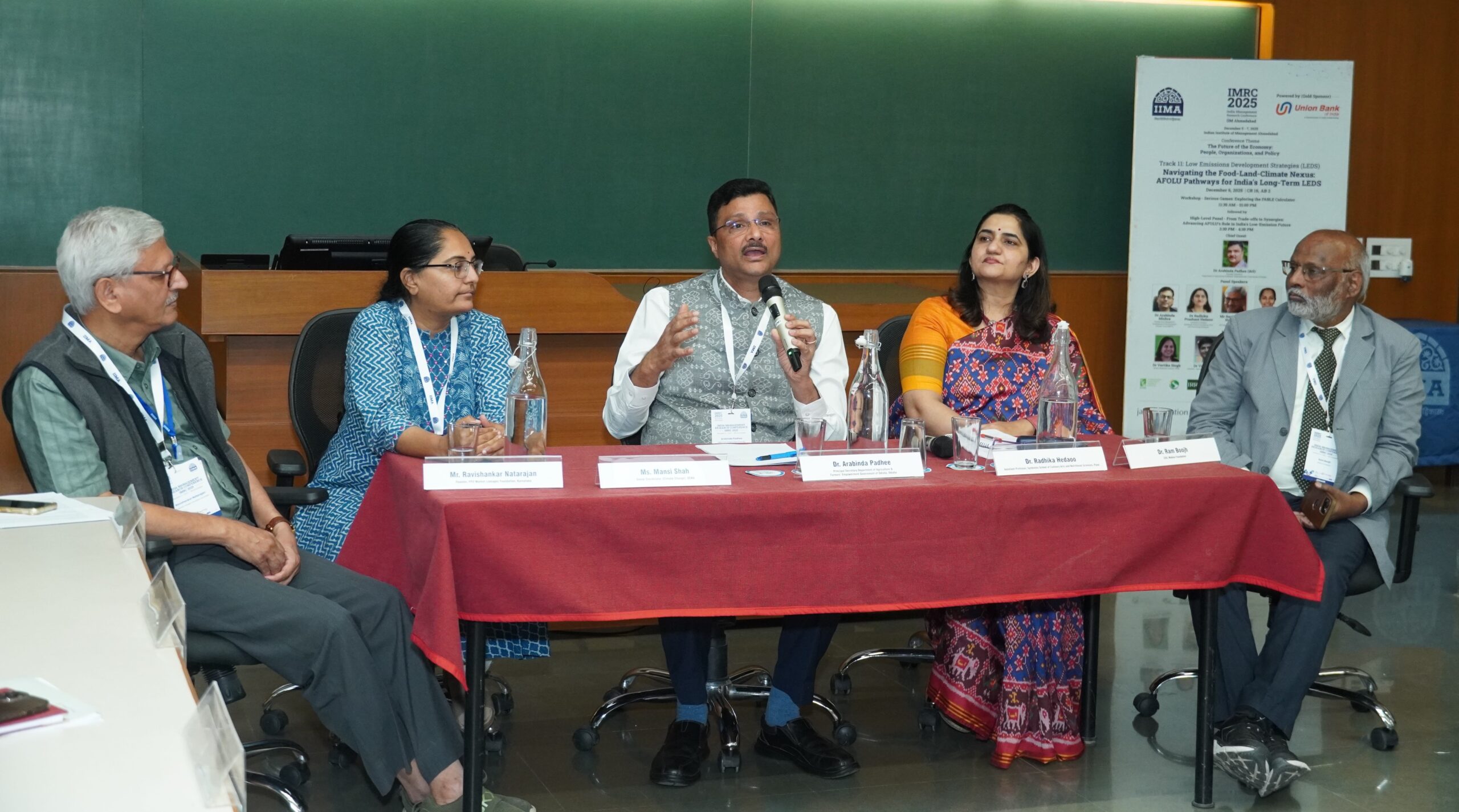
Reimagining Indian agriculture for a low-carbon future
Guiding an ongoing transformation.
-
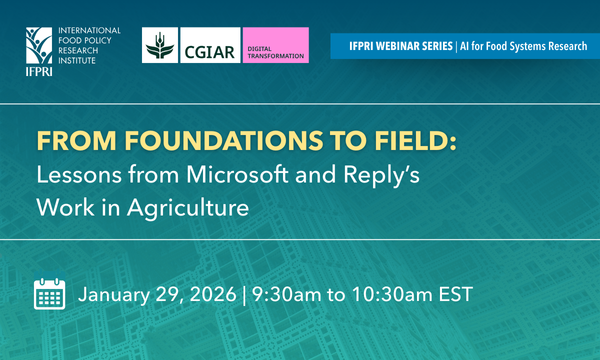
From Foundations to Field: Lessons from Microsoft and Reply’s Work in Agriculture
Co-organized by IFPRI and CGIAR Program/accelerator Digital Transformation
As large language models (LLMs) and generative AI systems evolve, understanding how these technologies work—and what they can realistically achieve—has become essential for researchers and practitioners alike. Over the past year, many of us have had the chance to experiment with these systems in a “sandbox” environment. Today, we move from experimentation to brass tack with a […]