





We ask a lot of our food systems. We want them to feed and nourish a growing global population, support farmers’ livelihoods, adapt to climate change, preserve the environment, and make our food affordable. Is all of that possible, and if not, why?
As the world grapples with overlapping crises and an uncertain future, it’s becoming harder—yet even more urgent—to figure out where global food systems are headed and how we can shape them for the better.
So, what will it take to feed 10 billion people without wrecking the planet? This question—and many more—lies at the heart of a new book that dives into the future of food systems to examine how, despite the tremendous progress already achieved, these systems can address multiple new challenges in the decades ahead.
Food systems: Personal—and global
After air and water, food is our most basic need. Yet unlike air and water, food is also an essential part of our identities as families and communities.
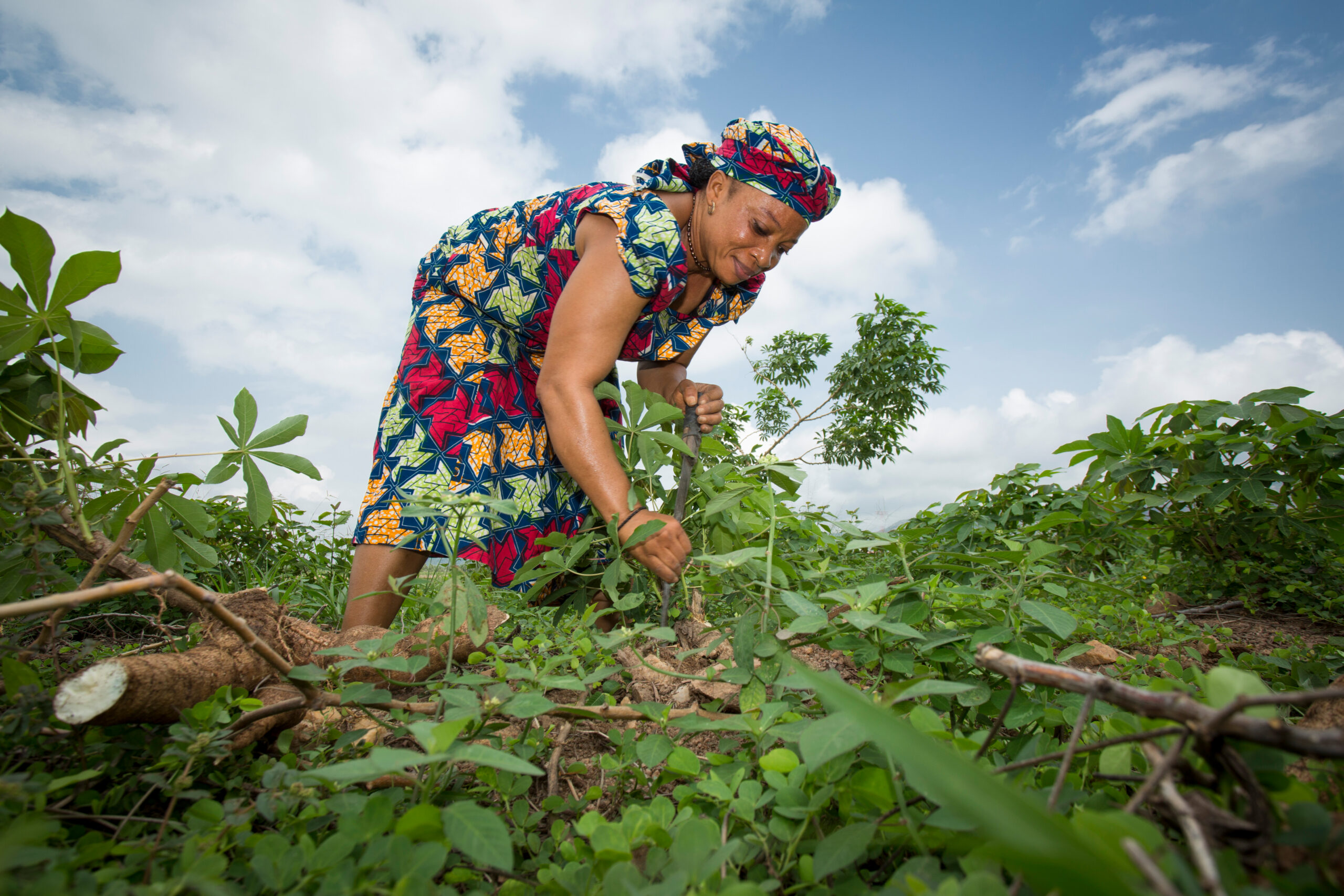
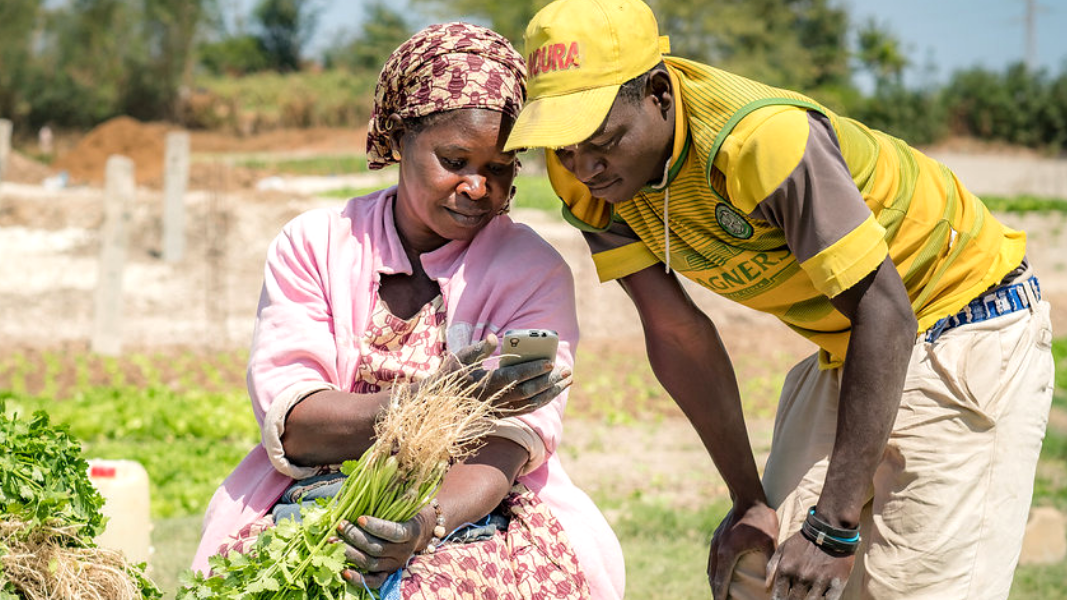
Food production represents the world’s largest use of water and land, and until recently, agriculture was also the world’s largest source of employment. Today, a quarter of the world’s labor force still works in agriculture, with an even greater proportion in low- and middle-income countries.
But food involves much more than production and consumption. The tremendous expansion in variety, abundance, and year-round availability of food that we have experienced in recent decades has been enabled by related growth in the supply chains that link producers to consumers, including processing, storage, transportation, and marketing. This wider set of closely connected, essential activities makes up the food system.
A turning point for food systems
Food systems have achieved remarkable progress in recent decades—expanding access to food, improving productivity, and diversifying diets in many parts of the world. But that progress is uneven and increasingly at risk.
Food systems will face significant challenges in delivering the many outputs and services we expect and need from them in the future. For example, progress in reducing hunger has slowed and even reversed in recent years, while the incidence of micronutrient deficiencies and obesity is rising. Pressure on land, water, biological, and atmospheric resources is increasing. Meanwhile, despite the fundamental importance of food systems, people who earn their living from food production often earn much less than those in other economic sectors.
While we cannot know the future with certainty, we can prepare for it. Given the time it takes for policies and investments to bear fruit, decisions need to be made today to affect the future of food systems, and foresight can offer insights to help guide those decisions.
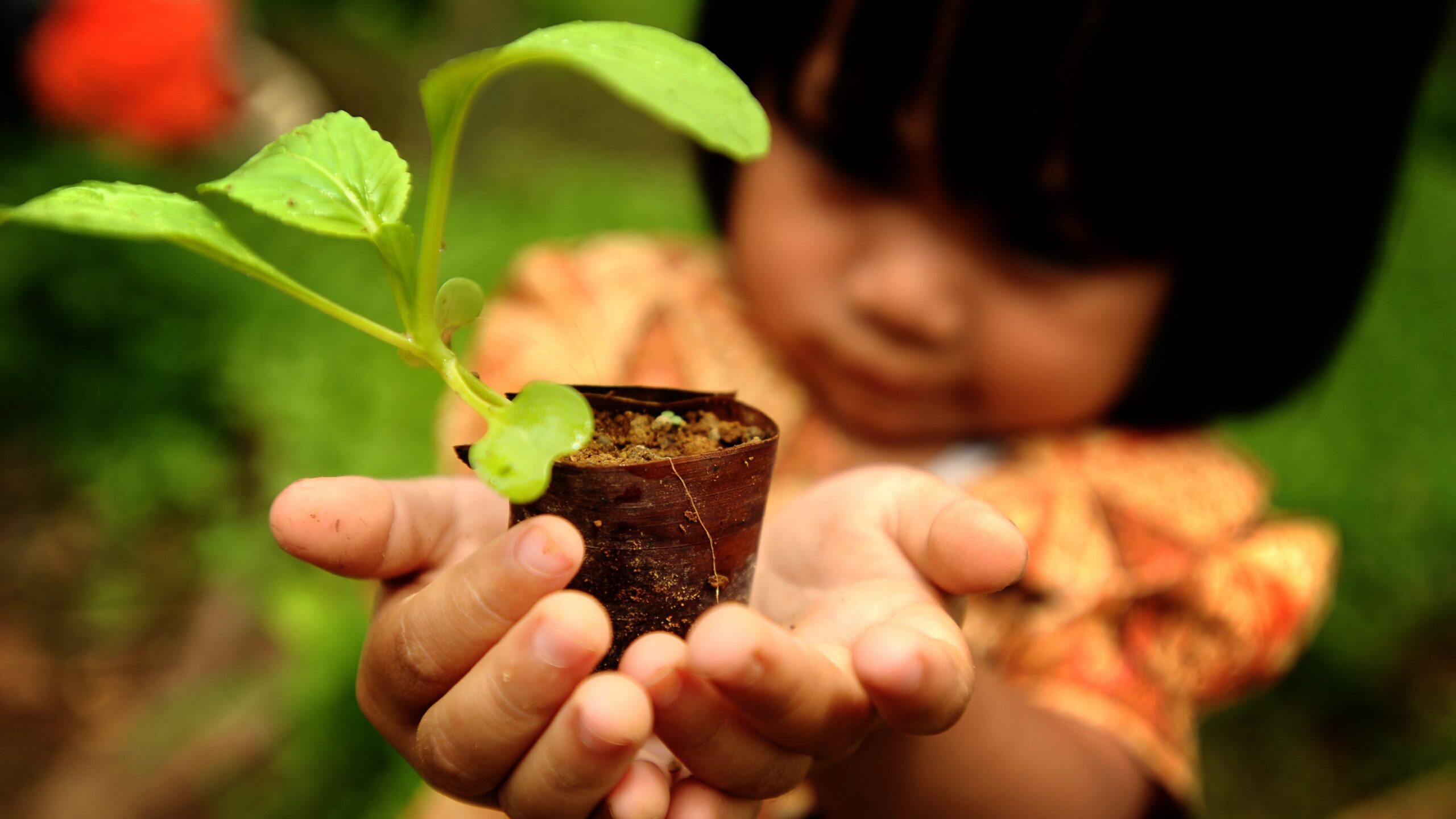
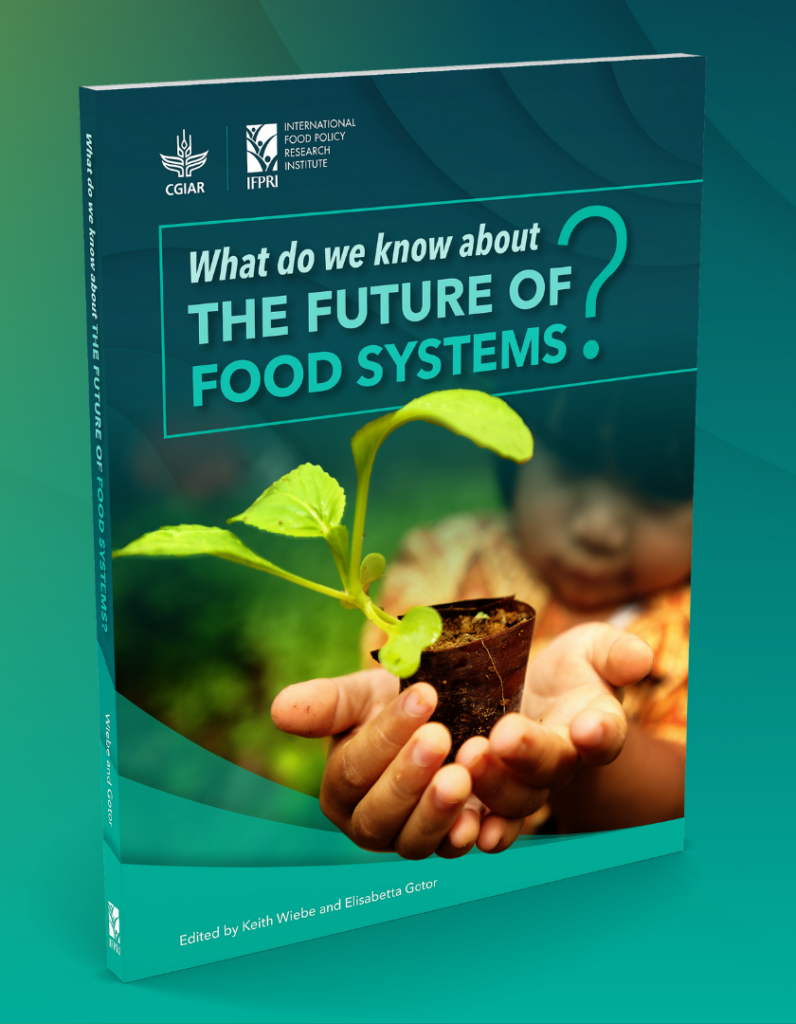
To do this, we can first draw on experience and understanding of the past and present to make reasoned inferences about the future. Since the dawn of agriculture, farmers (including the family of 3-year-old Rosita, featured on the cover of this book) have had to make decisions about when and where to plant their crops without knowing what weather and market conditions would be like during the weeks and months before harvest time. Instead, they have drawn on their experience and expectations as a guide.
Second, the future depends partly on choices we—as individuals and society—have not yet made. This presents an opportunity but also a challenge: We have the chance to inform those choices through analysis and engagement with public and private decision-makers and other stakeholders, but the interacting processes that make up food systems are extremely complex, and the goals of decision-makers and other stakeholders are extremely diverse (and sometimes conflicting).
Exploring possible futures: A global research effort
By combining sophisticated quantitative analysis of food systems and qualitative engagement processes with stakeholders, we can identify and explore the likely impacts of alternative future scenarios based on different development pathways and external factors. We can then use the resulting insights to inform the decisions we make about food systems today. Although we cannot know the future of food systems with certainty, we do know something about possible futures of food systems, and what we can do to help achieve (or avoid) them. That is the subject of this book.
This book presents a collection of short chapters on the current state of knowledge about different aspects of the future of food systems, written by a diverse group of scientists with experience and expertise in a wide range of related topics, disciplines, and regions. The 109 contributors come from across CGIAR and many other partner research institutions around the world. Each chapter examines a particular aspect of food systems, describing recent trends and challenges that highlight the importance of the topic, summarizing the latest available foresight research on that topic, and identifying key gaps in existing foresight research that merit further attention. These chapters are intended as brief and accessible overviews of the latest foresight research on each topic, guides to help readers find more detailed information, and indications of how our current knowledge of future trends needs to be improved.
A complex picture emerges, along with opportunities for action
The picture that emerges from this collection underscores the continuing challenges that food systems will confront in the coming decades: Among them, poverty will become more geographically concentrated; healthy diets will remain out of reach for many; pressure on land, water, and other resources will increase; and extreme events will become more frequent. The collection also highlights the importance of interactions—including both synergies and trade-offs—across the many dimensions of food systems, including between drivers of change, regions, commodities, and time periods, as well as among the many outcomes that food systems deliver.
The book’s chapters also highlight opportunities to address these challenges, including through innovation, improved policies, and investment to improve efficiency, reduce costs, lessen trade-offs across multiple goals and interests, and help offset local and regional impacts of conflict and weather shocks. Insights from various countries show how foresight analysis is already informing food systems policies and investment strategies around the world. Finally, the collection demonstrates how continuous improvements are being made in the data and analytical tools needed to explore alternative food systems futures, identify challenges and solutions, weigh trade-offs, and inform the choices we face today.
Keith Wiebe is a Senior Research Fellow with IFPRI’s Foresight and Policy Modeling Unit; Elisabetta Gotor is Principal Scientist, Performance, Innovation and Strategic Analysis at the Alliance of Bioversity and CIAT; Evgeniya Anisimova is Media and Digital Engagement Manager with IFPRI’s Communications and Public Affairs Unit. Opinions are the authors’.
Download the book here:
https://www.ifpri.org/ifpri-book/what-do-we-know-about-the-future-of-food-systems/
This work was supported by the CGIAR Initiative on Foresight and the CGIAR Program on Policy Innovations.
Reference:
Wiebe, Keith D.; and Gotor, Elisabetta. 2025. What do we know about the future of food systems? Washington, DC: International Food Policy Research Institute. https://hdl.handle.net/10568/175019