




Frequently Asked Questions
Many experts argue that improving agriculture alone is not enough to solve hunger, malnutrition, poverty, or environmental challenges because food outcomes depend on everything that happens from production to consumption. A food systems approach looks at the full chain, including farming, storage, transport, processing, markets, food environments, diets, and waste, as well as the policies and institutions that shape them. This broader perspective helps identify how actions in one part of the system affect others. For example, increasing crop production will not necessarily improve nutrition if healthy foods remain unaffordable, inaccessible, or lost before reaching consumers. IFPRI’s research emphasizes that transforming food systems requires coordinated action across production, markets, nutrition, health, and sustainability to deliver healthy diets, better livelihoods, and environmental resilience.
IFPRI works with governments by providing data, policy analysis, economic modeling, impact evaluations, and technical expertise to help design, test, and improve food system policies and investments. Through tools such as the IMPACT model and other analytical platforms, IFPRI helps policymakers assess how factors such as climate change, trade, agricultural investments, and market developments could affect food security, nutrition, and livelihoods. The institute also partners with governments to evaluate programs, analyze policy reforms, strengthen national planning processes, and support regional initiatives such as agricultural investment strategies. By combining rigorous research with long-term country engagement, IFPRI helps governments develop evidence-based food system strategies that are more effective, inclusive, and resilient.
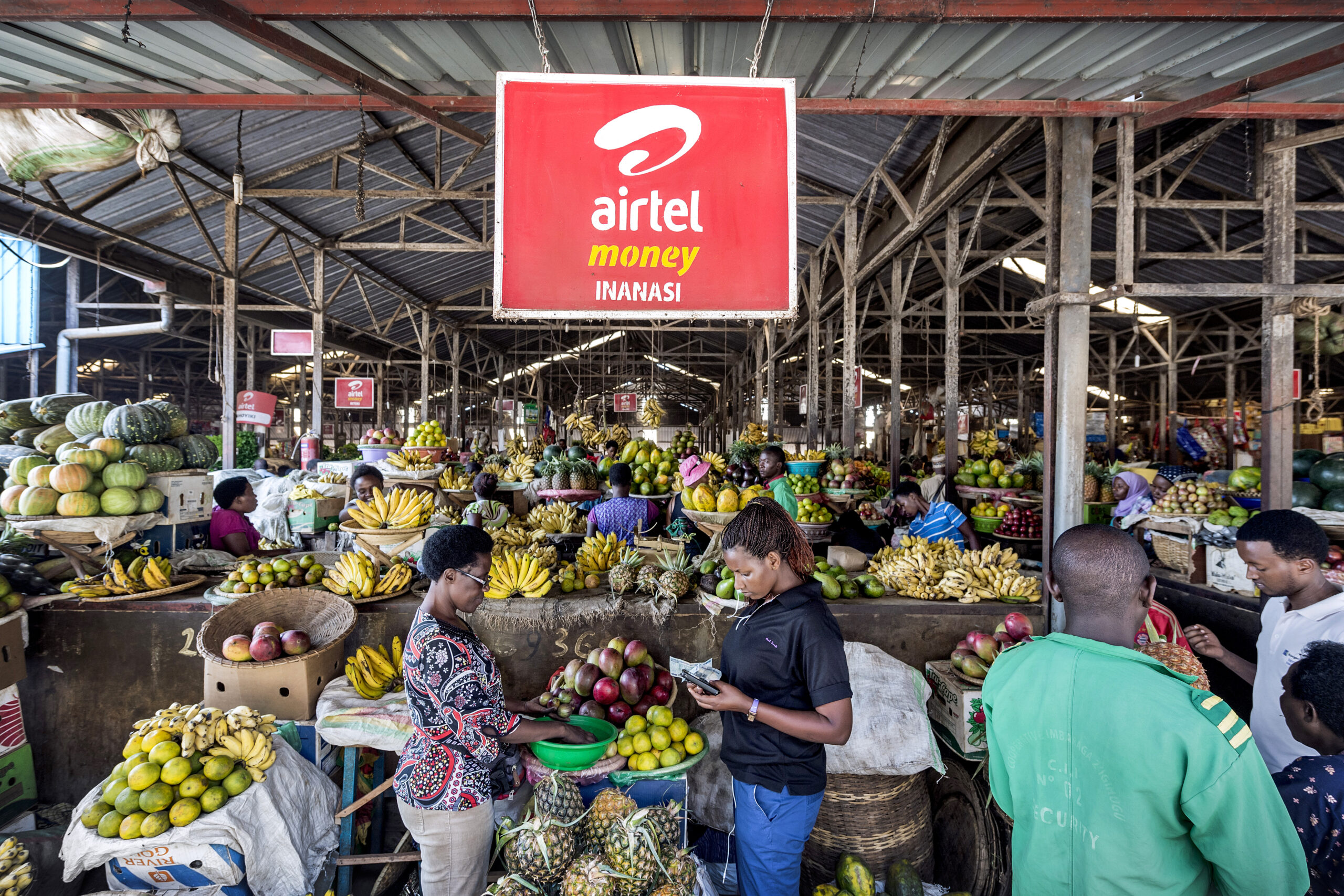
IFPRI’s research shows that stronger food markets and value chains can improve food security, nutrition, farmer incomes, and economic growth. Effective food systems depend on reliable connections between producers, traders, processors, retailers, and consumers. Investments in storage, transportation, cold chains, market information systems, processing, and trade infrastructure can reduce post-harvest losses, lower costs, improve food quality, and make nutritious foods more available year-round. IFPRI also finds that well-functioning markets help smallholder farmers access buyers and higher-value opportunities while giving consumers greater access to affordable food. Improving the “midstream” segments of food systems, including processing, logistics, and distribution, is increasingly important as urbanization and changing diets reshape food demand across developing countries.
In fragile and conflict-affected settings, the most effective investments often combine immediate humanitarian support with longer-term efforts to rebuild resilient food systems. IFPRI’s research highlights the importance of strengthening local markets, restoring food supply chains, supporting livelihoods, and improving access to social protection programs while also addressing underlying drivers of vulnerability. Investments in local food procurement, storage facilities, processing capacity, rural infrastructure, digital services, climate-resilient agriculture, and livelihood support can help communities recover more quickly and reduce dependence on emergency assistance. Evidence from IFPRI and its partners suggests that approaches linking humanitarian response with economic recovery, market development, and resilience building offer the greatest potential for lasting improvements in food security and stability.