



Mindblown: a blog about philosophy.
-

Norwegian Agency for Development Cooperation (Norad)
-

Sawiris Foundation
-

Novo Nordisk Foundation
-

World Vision
World Vision is a Christian non-governmental organization that is dedicated to helping the poor and oppressed throughout the world. World Vision helps to promote human transformation and seek justice through community-based and sustainable development specifically geared towards helping children. World Vision provides services such as emergency relief, spiritual and social transformation through church partnerships and…
-

Alliance for Health Policy and Systems Research
-

PNGAus Partnership
-

United Arab Emirates
The International Affairs Office (IAO) at the Presidential Court of United Arab Emirates works in partnership with the Gates Foundation to support a number of research activities across various CGIAR research institutes, including the Future Food Systems project lead by IFPRI. In addition, the IAO also represents the UAE on the CGIAR’s System Council.
-
African Climate Foundation, South Africa
-

Aga Khan University, Pakistan
-
Alliance Bioversity & CIAT
-
Asian Productivity Organization, Japan
-
Center for International Forestry Research (CIFOR)
-
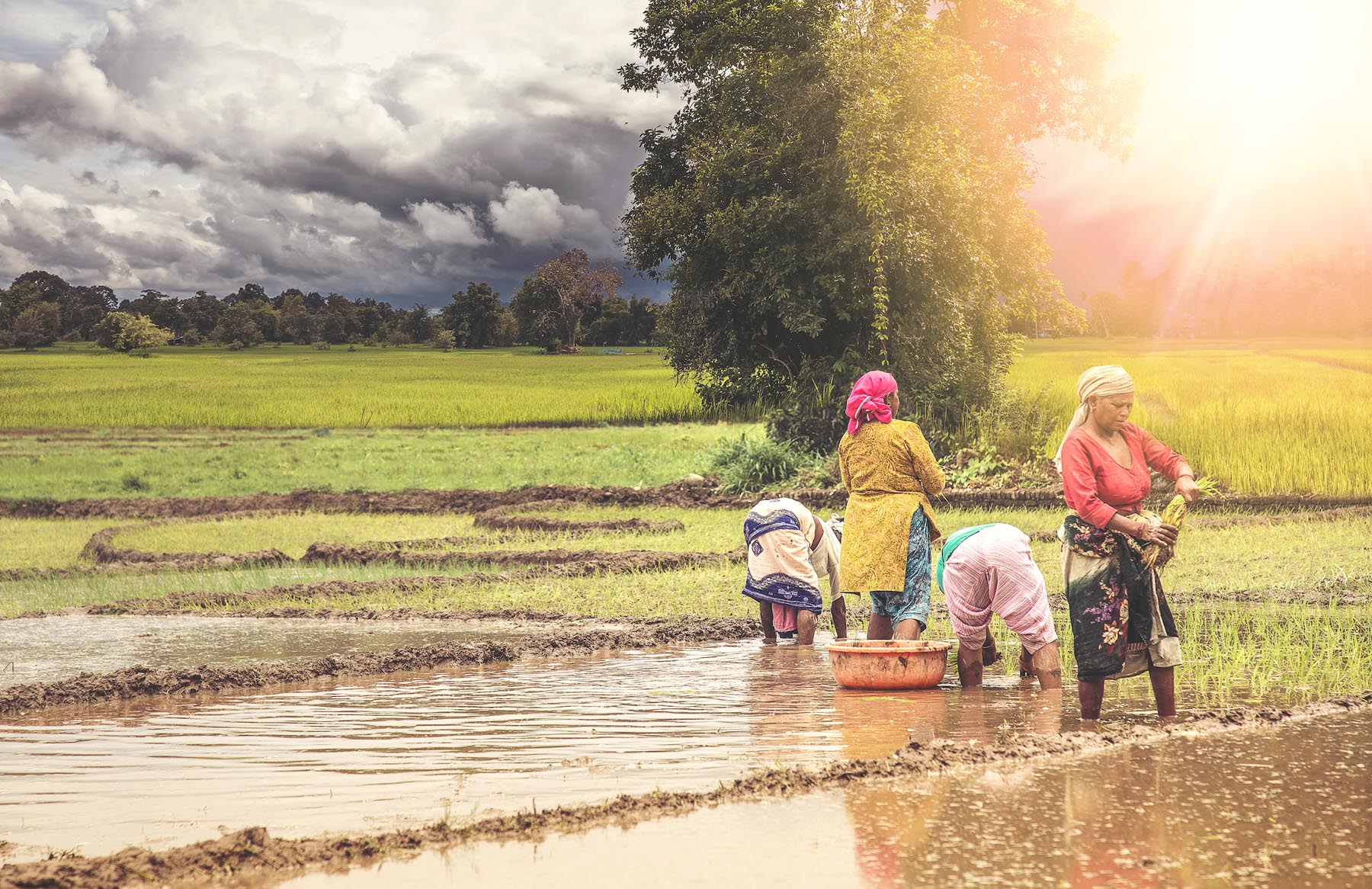
Context Global Development, United States
-

Economic and Social Research Foundation, Tanzania
-
Egyptian Food Bank
-
Foundation Alliance for Africa (SAfA)
-

German Federal Institute for Geosciences and Natural Resources (BGR)
-

Greater Horizons, United States
-
Happel Foundation, Switzerland
-

Industrial Economics, Inc. (IEc), United States
-
International Rescue Committee, United States
-
International Rice Research Institute (IRRI)
-
National Science Foundation, United States
-

Research Triangle Institute (RTI)

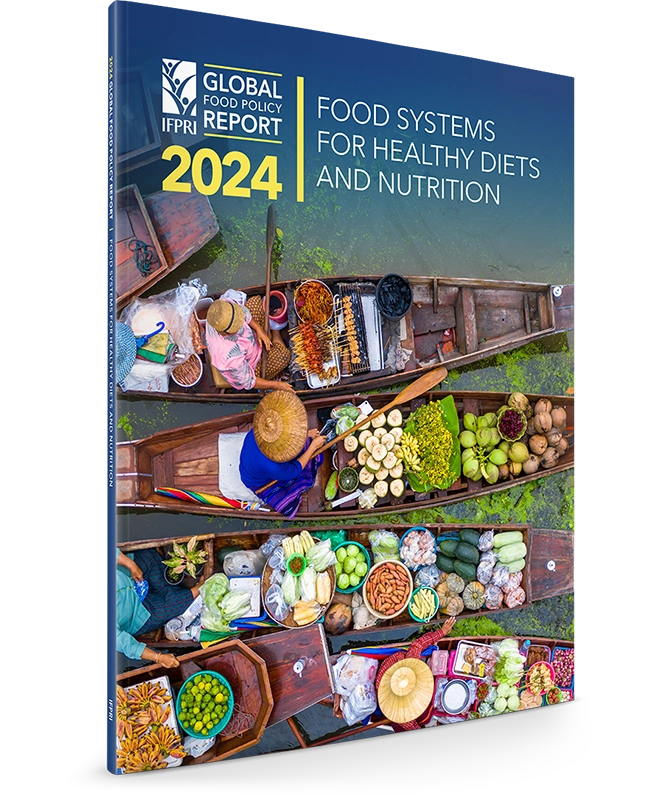
The 2024 Global Food Policy Report
This decade has been marked by multiple, often overlapping, crises. The COVID-19 pandemic, natural disasters, and the ongoing war in Ukraine have all threatened the fabric of our global food systems. But opportunities can be found amid crises, and the world’s food systems have demonstrated surprising resilience. With new evidence on what works, now is the time to rethink how we address food crises. Better prediction, preparation, and resilience building can make future crises less common and less devastating, and improved responses can contribute to greater food security, better nutrition, and sustainable livelihoods.